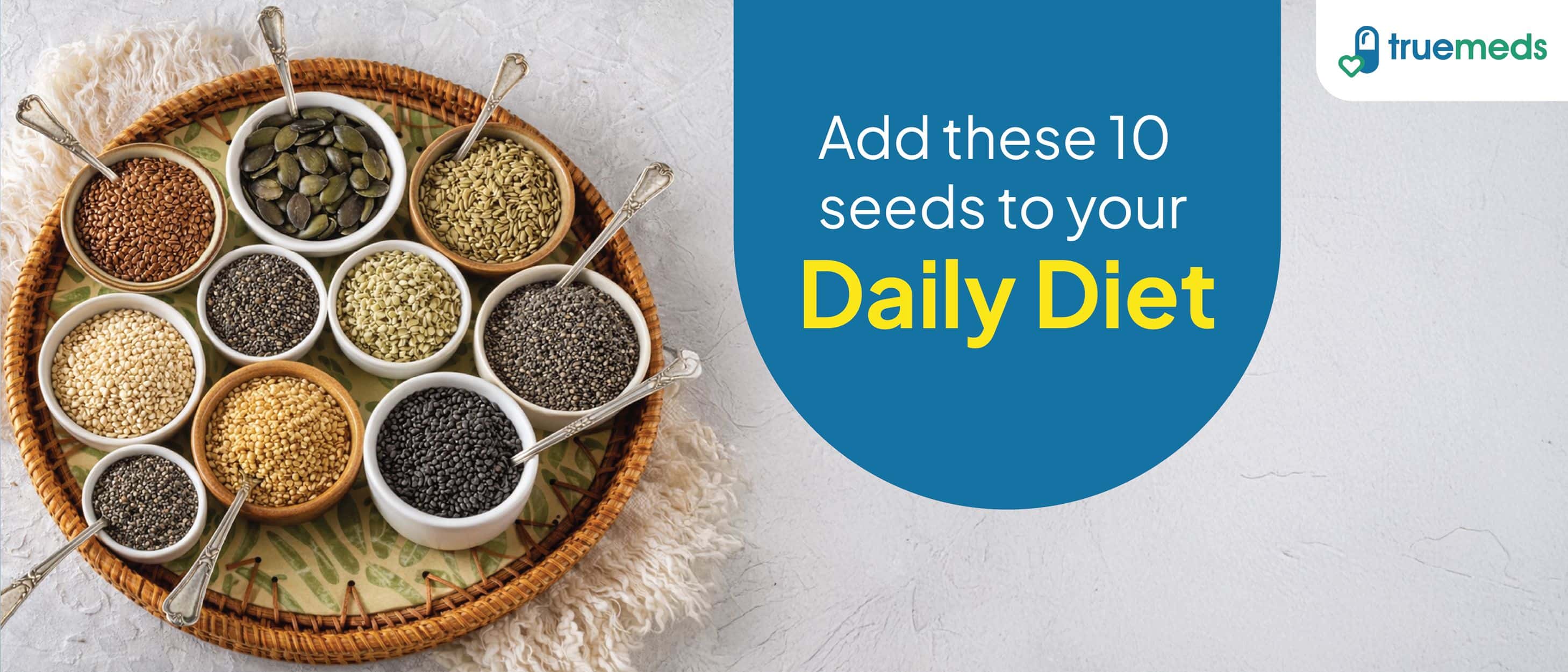
Incorporating a variety of healthy seeds into your daily diet can have a significant impact on your overall health and well-being. Seeds are packed with essential nutrients, including healthy fats, protein, fibre, and antioxidants, which may help reduce the risk of various heart diseases and some chronic conditions[1]. By adding different types of seeds to your meals, you can enhance your nutritional intake and support optimal health. Some of the best seeds for health include flaxseeds, chia seeds, and sunflower seeds, which are known for their fibre, healthy fats, and micronutrient content[2]. Exploring the various types of seeds to eat can help you discover new ways to boost your daily nutrition and enjoy a more diverse, healthful diet.
10 Healthy Seeds to Eat Daily for Better Health
Incorporating a variety of nutritious seeds into your daily diet may provide numerous health benefits, from supporting heart health to boosting your intake of essential nutrients. Let's explore some of the best seeds for health that you should consider adding to your meals and snacks.
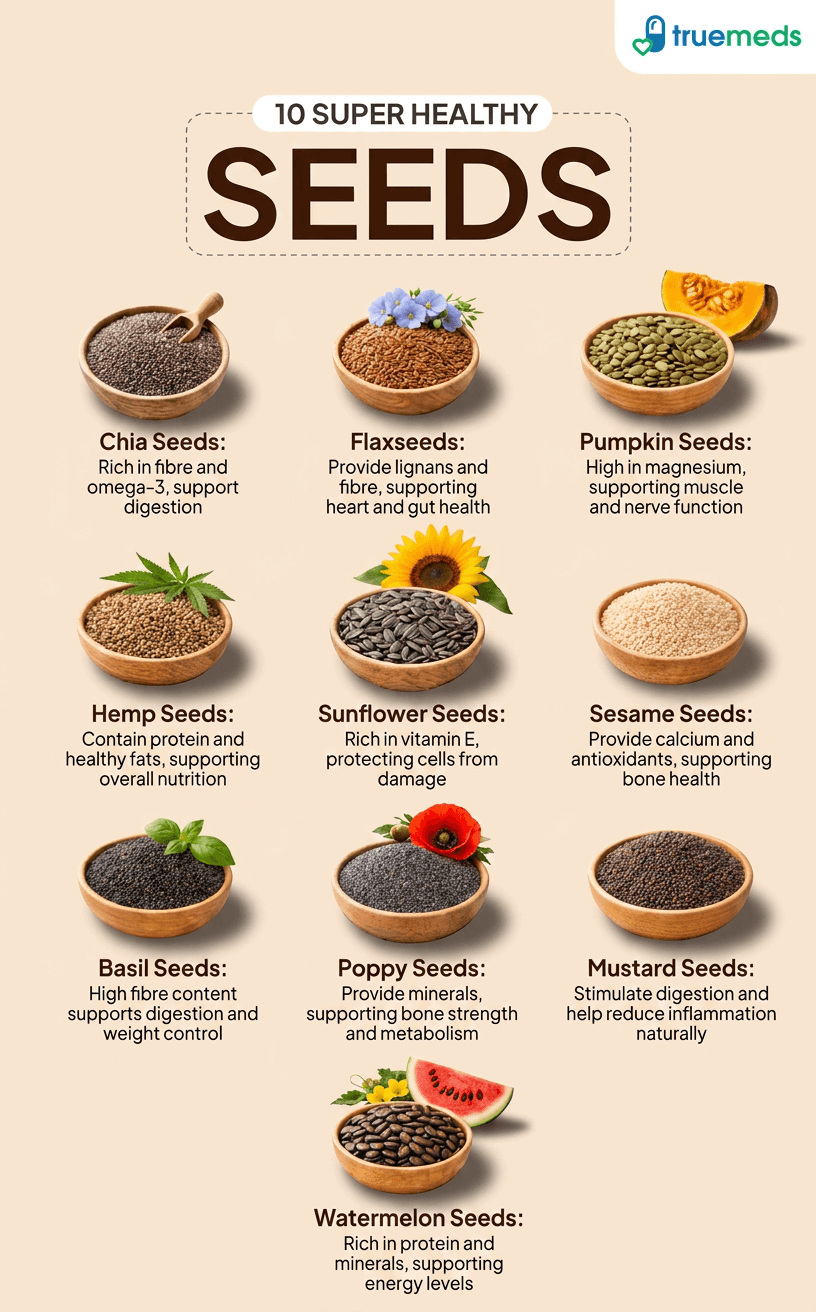
1. Chia Seeds
Chia seeds are a powerhouse of nutrition, packed with high levels of fibre, omega-3 fatty acids, and antioxidants. These tiny seeds may help support heart health, improve digestion, and support overall brain health through omega-3 intake. The fibre and omega-3 content in chia seeds also contribute to reducing inflammation in the body, promoting overall well-being[3]. Chia seeds are versatile and can be easily incorporated into various recipes, making them one of the most popular types of seeds to eat.
Note: Always soak chia seeds in liquid before consuming to avoid digestive or oesophageal obstruction risks.
2. Flaxseeds
Flaxseeds are another excellent addition to your diet, offering a range of health benefits. These healthy seeds are particularly rich in omega-3 fatty acids and soluble fibre, which may help lower cholesterol levels and support digestive health[4]. The high fibre content in flaxseeds also promotes feelings of fullness, making them a beneficial choice for those looking to manage their weight[4]. Flaxseeds can be ground into a fine powder and added to smoothies, baked goods, or sprinkled over salads for an extra nutritional boost.
3. Pumpkin seeds
Pumpkin seeds are a delicious and nutritious snack that may help support immune function and muscle function. These seeds are rich in zinc, magnesium, and high-quality protein, making them one of the best seeds for health[5]. Zinc plays a crucial role in maintaining a strong immune system, while magnesium and protein contribute to healthy muscle function and recovery[5]. Pumpkin seeds are also a good source of antioxidants, which help protect your cells from oxidative stress[1]. Enjoy them as a standalone snack or add them to trail mixes, granolas, or baked goods for a crunchy, nutrient-dense treat.
4. Hemp seeds
Hemp seeds are a fantastic source of complete protein, making them an excellent choice for vegetarians, vegans, and anyone looking to increase their protein intake[1]. These high-protein seeds contain all the essential amino acids your body needs to build and repair tissues[6]. Hemp seeds are also rich in magnesium, which supports heart health and muscle function[6]. They have a mild, nutty flavour and can be added to smoothies, yoghurt, oatmeal, or sprinkled over salads for a nutritional boost.
5. Sunflower seeds
Sunflower seeds are not only tasty but also packed with essential nutrients that support overall health. These seeds are an excellent source of vitamin E, a powerful antioxidant that helps protect your cells from oxidative damage. They also contain selenium, which supports immune function and thyroid health. The healthy fats found in sunflower seeds, such as monounsaturated and polyunsaturated fats, may help promote heart health by reducing inflammation and improving cholesterol levels[7]. Sunflower seeds are a convenient snack on their own, or you can add them to salads, trail mixes, or baked goods for a nutritious crunch.
6. Sesame seeds
Sesame seeds are a powerhouse of nutrients, boasting impressive amounts of iron, calcium, and antioxidants[8]. These tiny seeds pack a punch when it comes to supporting bone and skin health. The antioxidants present in sesame seeds, such as lignans and gamma-tocopherol, help protect your body against oxidative stress, while the calcium content contributes to maintaining strong and healthy bones[8]. Incorporating sesame seeds into your diet is an excellent way to enjoy their numerous health benefits.
7. Basil seeds
Basil seeds, often overlooked among the different types of seeds, are a valuable addition to your diet. These small, black seeds are rich in fibre and plant-based omega-3 fatty acids (alpha-linolenic acid), making them beneficial for digestive health and reducing inflammation in the body[9]. The fibre content of basil seeds aids in promoting regular bowel movements, whilst the omega-3 fatty acids may help combat inflammation, contributing to overall well-being[9]. If you're looking for healthy seeds to include in your daily meals, basil seeds are definitely worth considering.
8. Poppy seeds
Poppy seeds, known for their distinctive flavour and texture, are not only tasty but also nutritious. These tiny seeds are a good source of dietary fibre, which is essential for maintaining digestive health. Additionally, poppy seeds contain essential minerals like calcium and iron, supporting your body's mineral requirements[10]. When it comes to the types of seeds to eat for optimal health, poppy seeds certainly deserve a spot on your list.
Note: Consuming poppy seeds may occasionally result in false-positive drug screening results due to naturally occurring trace opiate compounds. As with any food, they should be consumed in moderation.
9. Mustard seeds
Mustard seeds, commonly used as a spice in various cuisines, offer more than just flavour. These small, round seeds are packed with antioxidants that help protect your body against oxidative stress, supporting overall health. Moreover, mustard seeds may provide digestive support by aiding in the digestion of food and promoting a healthy gut environment[11]. Including mustard seeds in your meals is a simple yet effective way to reap their health benefits.
10. Watermelon seeds
Watermelon seeds, often discarded when enjoying the juicy fruit, are actually a hidden gem when it comes to nutrition. These seeds are rich in protein, magnesium, and healthy fats, all of which contribute to overall health and well-being. The high protein content of watermelon seeds supports muscle function, whilst magnesium plays a crucial role in energy production. Additionally, the healthy fats found in watermelon seeds may be beneficial for heart health[12]. So, the next time you're enjoying a refreshing slice of watermelon, don't forget to save the seeds and incorporate them into your diet for an extra nutritional boost.
Why include seeds in your daily diet?
Including a variety of healthy seeds to eat daily is a simple way to increase your intake of essential nutrients without making major changes to your diet. Seeds provide dietary fibre, healthy fats, plant-based protein, vitamins, minerals, and antioxidants that support overall health. Depending on the type, they may help support heart health, digestive function, immune health, and healthy cholesterol levels when consumed as part of a balanced diet. Rotating different seeds, such as chia, flaxseeds, pumpkin, sunflower, and sesame seeds, can help you benefit from their unique nutritional profiles while adding variety to your meals.
How to choose the best seeds for your health?
The best seeds for health depend on your individual nutritional needs and dietary preferences. If you want to increase your fibre intake, consider chia or flaxseeds. For additional protein, hemp and pumpkin seeds are good options, while sunflower and sesame seeds provide important vitamins and minerals. Choose plain, unsalted seeds whenever possible and consume them in moderation as part of a balanced diet. If you have food allergies, digestive disorders, or a medical condition requiring dietary restrictions, consult a qualified healthcare provider or registered dietitian before making significant changes to your diet.
Conclusion
Incorporating a variety of healthy seeds like flax, chia, hemp, pumpkin, and sunflower into your daily diet can provide a powerhouse of nutrients, including fibre, healthy fats, vitamins, and minerals. These different types of seeds offer numerous health benefits, such as supporting heart health by lowering LDL cholesterol, enhancing digestive function through their fibre-rich content, and reducing inflammation with omega-3 fatty acids. High-protein seeds like hemp and pumpkin seeds may also help stabilise blood sugar levels, boost immunity, and support overall metabolic and heart health.
To enjoy the best seeds for health, start by sprinkling them on salads, blending them into smoothies, or snacking on roasted varieties. Remember to keep portions mindful to avoid excess calories, as a daily handful of these nutritious types of seeds to eat can significantly elevate your nutritional intake and contribute to your long-term wellness.
This information is for general nutrition guidance. Consult a doctor for personalised dietary advice.
FAQs
Can I eat seeds every day?
Yes, you can include a variety of healthy seeds in your daily diet as they provide essential nutrients, healthy fats, and fibre. However, be mindful of portion sizes.
How should I store seeds to maintain their freshness?
To maintain the freshness of different types of seeds, store them in airtight containers in a cool, dry place like the refrigerator or freezer.
Are there any seeds that should be consumed in moderation?
While most seeds are nutritious, some high-protein seeds like chia and flax are also high in calories, so consume them in moderation.
Can seeds help with weight management?
Yes, the best seeds for health, like pumpkin and sunflower seeds, are high in fibre and protein, which can help keep you full and manage weight.
How can I incorporate seeds into my daily meals?
You can easily add different types of seeds to eat to your smoothies, salads, yoghurt, or oatmeal to enjoy their health benefits daily.
Can seeds help lower cholesterol?
Yes, some of the best seeds for health, such as flaxseeds and chia seeds, contain soluble fibre and healthy fats that may help maintain healthy cholesterol levels when included regularly as part of a balanced diet and healthy lifestyle.
Are there any side effects of eating too many seeds?
Although healthy seeds to eat are highly nutritious, consuming them in excess may cause digestive discomfort or contribute to excess calorie intake. Increase your intake gradually, drink adequate water, and enjoy seeds in moderation as part of a balanced diet.
How many seeds should I eat daily for best results?
There is no ideal amount that suits everyone. For most adults, about 20–30 g (one small handful) of seeds to eat daily can be included in a balanced diet, while keeping your overall calorie and nutrient intake in mind.
Are roasted seeds healthier than raw seeds?
Both raw and dry-roasted seeds can be healthy choices. Dry roasting without added oil, salt, or sugar helps retain most nutrients, making them some of the best seeds to eat daily, whereas heavily flavoured varieties may contain ingredients that reduce their overall nutritional value.
Can seeds be included in a diabetic diet?
Yes, healthy seeds, including chia, flaxseeds, pumpkin, and sunflower seeds, can be part of a diabetes-friendly eating plan. These seeds provide fibre and healthy fats that support an overall balanced diet when consumed in moderation.
Medical Disclaimer
This article is for informational purposes only and does not constitute medical advice. The information provided should not be used for diagnosing or treating health conditions. Always consult a qualified healthcare provider for diagnosis, treatment, and personalised medical advice. Do not disregard professional medical advice or delay seeking it because of information found in this article. If you have a medical emergency, contact your doctor or emergency services immediately.
References
Balakrishna, R., Bjørnerud, T., Bemanian, M., Aune, D., & Fadnes, L. T. (2022). Consumption of nuts and seeds and health outcomes including cardiovascular disease, diabetes and metabolic disease, cancer, and mortality: an umbrella review. Advances in Nutrition, 13(6), 2136–2148. https://doi.org/10.1093/advances/nmac077
Langyan, S., Yadava, P., Khan, F. N., Dar, Z. A., Singh, R., & Kumar, A. (2022). Sustaining Protein Nutrition Through Plant-Based Foods. Frontiers in nutrition, 8, 772573. https://doi.org/10.3389/fnut.2021.772573
Motyka, S., Skała, E., Ekiert, H., & Szopa, A. (2023). Health-promoting approaches of the use of chia seeds. Journal of Functional Foods, 103, 105480. https://doi.org/10.1016/j.jff.2023.105480
Nowak, W., & Jeziorek, M. (2023). The role of flaxseed in improving human health. Healthcare, 11(3), 395. https://doi.org/10.3390/healthcare11030395