

- Medicines
- Personal Care
- Skin Cream
- Sunscreen
- Face Wash
- Skin and Body Soap
- Acne Care
- Body Lotions
- Moisturising Lotion
- Moisturising Cream
- Mosquito Repellent
- Moisturising Gel
- Body Wash
- Hair Oils
- Hair Shampoo
- Hair Conditioners
- Hair Supplements
- Hair Colour
- Hair Serum
- Hair Mask
- Hair Solutions
- Baby Diapers and Wipes
- Baby Lotion and Moisturising Cream
- Baby Bath Essentials
- Baby Skin Care
- Baby and Infant Food
- Baby Healthcare
- Women Multivitamins
- Ovulation Test Kit and Women Intimate Care
- Sanitary Pads
- Nutritional Drinks
- Condoms
- Lubricants
- Massage Gels
- Personal Body Massagers
- Men Performance Booster
- Sexual Health Supplements
- Massage Oils
- Ayurveda
- Tooth Paste
- Mouth Ulcer Gel
- Mouthwash
- Toothache and Gum Pain
- Tooth Brush
- Gargle Solution
- Orthopaedic Supports
- Adult Diapers
- Footwear
- Mobility and Support Accessories
- Urinary Support and Care
- Health Conditions
- Bone and Joint Care
- Digestive Care
- Eye Care
- Pain Relief
- Smoking Cessation
- Liver Care
- Stomach Care
- Cold and Cough
- Heart Care
- Kidney Care
- Piles, Fissures & Fistula
- Respiratory Care
- Mental Wellness
- Derma Care
- Pre and Probiotics
- Acidity
- Gas
- Constipation
- Loose Motion/Diarrhoea
- Digestive Fibres
- Digestive Enzymes
- Eye Lubricant Drops
- Lens Solution
- Safety Eye Wear
- Eye Cream
- Eye Vitamins and Supplements
- Eye Drops
- Eye Ointment and Gel
- Nicotine Patch
- Nicotine Gum
- Nicotine Lozenges
- Cough Syrups
- Chest Rubs and Balms
- Nasal Spray
- Lozenges
- Inhalant Capsules
- Cold and Cough Tablets
- Vitamins & Supplements
- Diabetes Care
- Healthcare Devices
- Homeopathic Medicine
- Health Guide
Urinary Incontinence
Urinary incontinence is a common condition characterised by the involuntary leakage of urine from the bladder. It affects both men and women, although it is more prevalent in women and older adults. Various factors, such as weakened pelvic floor muscles, nerve damage, certain medications, and underlying medical conditions, can contribute to urinary incontinence.
 50
50Last updated on : 06 May, 2026
Read time : 13 mins
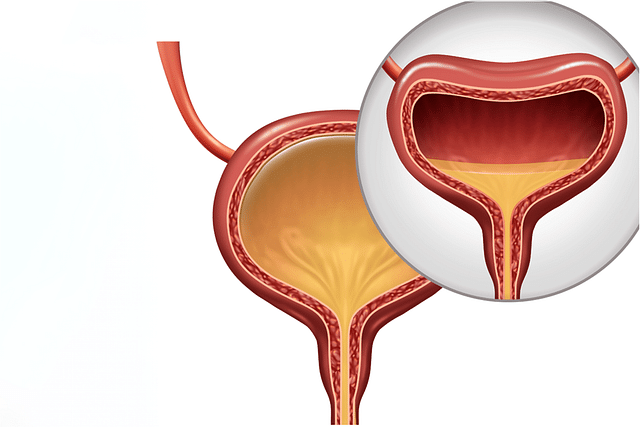
Overview of Disease
Urinary incontinence is a prevalent condition that affects millions of people worldwide. It is defined as the unintentional loss of urine from the bladder, ranging from occasional leakage to complete loss of bladder control. While it is more common in women and older adults, urinary incontinence can affect individuals of all ages and genders.
In this article, we will discuss urinary incontinence, including its causes, symptoms, and treatment options.
What is Urinary Incontinence?
Urinary incontinence is a condition in which an individual experiences the involuntary leakage of urine from the bladder. This can occur due to various factors, such as weakened pelvic floor muscles, nerve damage, or an overactive bladder.
The severity of urinary incontinence can vary from person to person, with some experiencing occasional leakage during physical activities like coughing or sneezing, while others may experience complete loss of bladder control. Urinary incontinence can be a distressing and embarrassing condition that affects an individual's quality of life, leading to social isolation and emotional distress.
Key Factors about Urinary Incontinence
| Category | Details |
| Also Referred to as | Bladder Weakness, Involuntary Urination |
| Commonly Occurs In | Women, older adults, pregnancy, childbirth, menopause, and men after prostate surgery |
| Affected Organ | Bladder, Urethra, Pelvic Floor Muscles |
| Type | Stress incontinence, urge incontinence, mixed incontinence, overflow incontinence, functional incontinence |
| Common Signs | Urine leakage, frequent urination, sudden urge to urinate, difficulty starting urination, weak urine stream |
| Consulting Specialist | Urologist, Urogynaecologist, Geriatrician |
| Treatment Procedures | Pelvic floor exercises, bladder training, lifestyle changes, medicines, and surgery |
| Managed By | Antimuscarinics (darifenacin, solifenacin, oxybutynin, tolterodine, trospium), beta-3 adrenergic agonist (mirabegron), antidepressants (duloxetine), alpha-adrenergic antagonists (e.g., tamsulosin), topical vaginal oestrogen, and procedures such as bulking agents, botulinum toxin injections, neuromodulation, artificial urethral sphincter, and sling procedures |
| Mimicking Condition | Urinary tract infections, benign prostatic hyperplasia, and neurological disorders |
Types of Urinary Incontinence
There are several types of urinary incontinence, each with its own set of causes and symptoms. There are five types of urinary incontinence (Leslie et al., 2024):

- Stress incontinence: This type of incontinence occurs when physical pressure on the bladder, such as during coughing, sneezing, or lifting heavy objects, causes urine leakage.
- Urge incontinence: Also known as overactive bladder, this type of incontinence is characterised by a sudden, intense urge to urinate, followed by involuntary leakage of urine.
- Overflow incontinence: This type of incontinence occurs when the bladder cannot empty completely, resulting in frequent or constant dribbling of urine.
- Functional incontinence: This type of incontinence is caused by physical or mental impairments that prevent an individual from reaching the bathroom in time.
- Mixed incontinence: This type of incontinence is a combination of two or more types of incontinence, such as stress and urge incontinence.
Identifying the specific type of urinary incontinence is essential for determining the most appropriate treatment approach.
Symptoms of Urinary Incontinence
The symptoms associated with urinary incontinence may vary, but they often include the following:
- Frequent urination: Individuals with urinary incontinence often find themselves needing to urinate more frequently than usual. This can include urinating several times during the day and waking up multiple times at night to go to the bathroom, a condition known as nocturia.
- Urgency: A sudden and strong urge to urinate is a common symptom. This overwhelming feeling may occur unexpectedly, making it difficult for individuals to reach a restroom in time.
- Involuntary leakage: This leakage can range from small amounts to larger volumes and often occurs during physical activities such as coughing, sneezing, laughing, or exercising.
- Difficulty emptying the bladder: Some people may have trouble completely emptying their bladder, leading to a sensation of fullness or discomfort. This can result in dribbling or leakage after urination.
- Pain or discomfort: Individuals may experience pain or discomfort in the pelvic region or bladder area. This can accompany urinary urges or occur independently.
- Changes in urination patterns: Those with urinary incontinence might notice increased urgency, frequency, or changes in urine colour or odour.
If you experience any of these symptoms, it is essential to consult your doctor to determine the underlying cause and appropriate treatment options.
Causes of Urinary Incontinence
Urinary incontinence can arise from various factors, some temporary, others persistent. The leading causes include:
- Urinary tract infections (UTIs): Urinary tract infections can lead to urinary incontinence by increasing urinary urgency and frequency. The infection irritates the bladder, making it difficult for individuals to control their urination.
- Constipation: Constipation can put pressure on the bladder, leading to urinary leakage. The pressure from a full bowel can affect bladder function, making it challenging to maintain control.
- Medications: Certain medications, especially diuretics, increase urine production and can result in urinary incontinence. Adjusting the timing or type of medication under a doctor's guidance may help manage incontinence.
- Pregnancy and childbirth: These life events can lead to changes in pelvic support and bladder function. The added weight of the baby can stress the pelvic floor, and the process of childbirth can weaken pelvic muscles, increasing the risk of incontinence.
- Age-related changes: As individuals age, the bladder and pelvic muscles undergo natural changes, such as a decline in muscle strength and elasticity, which can contribute to urinary incontinence.
- Menopause: In women, menopause often leads to hormonal changes that affect urinary control. The decrease in oestrogen can weaken pelvic floor muscles and the tissues supporting the bladder, resulting in increased susceptibility to incontinence.
- Enlarged prostate: In men, an enlarged prostate (benign prostatic hyperplasia) can obstruct urine flow, leading to urinary incontinence. The pressure from the enlarged gland can cause urgency and leakage, negatively affecting bladder function. Treatments for prostate cancer, including surgery and radiation, can also lead to incontinence.
- Neurological disorders: Neurological conditions such as diabetes, stroke, Parkinson's disease, multiple sclerosis, and spinal cord injuries can disrupt the signals between the bladder and the brain, leading to incontinence.
- Obstruction: Tumours or other obstructions along the urinary tract can impede normal urine flow, resulting in overflow incontinence. These blockages can create pressure and lead to involuntary leakage.
- Lifestyle factors: Certain lifestyle factors, including the consumption of alcohol, caffeine, and carbonated drinks, can irritate the bladder and contribute to urinary incontinence.
- Physical inactivity and smoking: A sedentary lifestyle can weaken pelvic floor muscles, increasing the risk of urinary incontinence. Smoking is another risk factor, as it can lead to chronic cough, which places stress on the bladder and pelvic floor.
Risk Factors
Several risk factors can increase your likelihood of developing urinary incontinence, including (MedlinePlus)
- Age (more common as people get older)
- Women (due to pregnancy, childbirth, menopause, and the structure of the female urinary tract)
- Men with prostate gland problems
- Obesity
- A birth defect that affects the structure of the urinary tract
- Neurological diseases like multiple sclerosis, Parkinson's disease, and spinal cord injury
Complications
Urinary incontinence can lead to various complications that affect both physical and emotional well-being. Some common complications include:
- Skin problems: Chronic urine exposure can cause skin sores, rashes, and infections, impairing skin integrity and promoting fungal infections.
- Urinary tract infections (UTIs): People with urinary incontinence, especially those using urinary catheters, are at a higher risk of developing UTIs.
- Social and emotional impact: Urinary incontinence can significantly affect social and personal life, leading to embarrassment and withdrawal from social activities.
- Pelvic organ prolapse: Weakened pelvic floor muscles can cause parts of the vagina, bladder, or urethra to prolapse into the vaginal entrance.
- Physical discomfort: Frequent urination, urgency, and the inability to fully empty the bladder can lead to physical discomfort and affect daily life.
Prevention of Urinary Incontinence
Preventing urinary incontinence involves making lifestyle changes and seeking early interventions. Some preventive measures include:
- Maintain a healthy weight: Excess body weight puts additional pressure on the bladder and pelvic floor muscles, so maintaining a healthy weight through diet and exercise can help prevent urinary incontinence.
- Avoid constipation: Chronic constipation can strain the pelvic floor muscles and contribute to urinary incontinence. Ensuring a diet rich in fibre and staying hydrated can help prevent constipation.
- Limit bladder irritants: Reducing the consumption of caffeine, alcohol, and spicy foods can help minimise bladder irritation and decrease the urgency and frequency of urination.
- Perform pelvic floor exercises: Strengthening the pelvic floor muscles through regular Kegel exercises can help support the bladder and improve urinary control, especially for women after childbirth and men with prostate issues.
- Avoid smoking: Smoking is associated with chronic coughing, which can put additional stress on the bladder and increase the risk of incontinence.
- Manage chronic conditions: Proper management of conditions like diabetes, Parkinson's disease, and multiple sclerosis can help minimise their impact on bladder control.
Diagnosis & Tests
Diagnosing urinary incontinence involves a comprehensive approach to identifying the underlying cause. The key steps include:
- Medical history and physical examination: The doctor will ask about the patient's symptoms, lifestyle habits, and any medications they are taking.
- Urinalysis: A urine sample is analysed to detect signs of infection, blood, or other abnormalities that may be contributing to urinary incontinence.
- Bladder diary: Patients may be asked to record their fluid intake, urination frequency, and any episodes of incontinence over several days to help identify patterns and potential triggers.
- Post-void residual measurement: This test measures the amount of urine remaining in the bladder after urination, which can help diagnose overflow incontinence.
- Urodynamic testing: A series of tests that evaluate how well the bladder and urethra store and release urine, which can help identify the specific type of urinary incontinence and guide treatment decisions.
- Imaging tests: In some cases, imaging tests such as ultrasound, X-rays, or magnetic resonance imaging (MRI) may be used to visualise the urinary tract and identify any structural abnormalities contributing to urinary incontinence.
- Cystoscopy: In some cases, a thin tube with a camera (cystoscope) may be inserted into the urethra to examine the inside of the bladder and urethra.
Based on the results of these diagnostic tests, your doctor can determine the type and severity of urinary incontinence and develop an appropriate treatment plan tailored to your specific needs.
Treatment & Management
Treatment of urinary incontinence depends on its type and underlying cause. It may include medications such as anticholinergics, beta-3 agonists, alpha-blockers, or vaginal estrogen. Lifestyle changes, pelvic floor exercises, and, in some cases, surgery or non-invasive therapies may also be recommended. Below is a comprehensive overview of available treatments, including specific medications and procedures.
1. Medications
Various medications are used to manage urinary incontinence, focusing on reducing urine leakage by stabilising or relaxing the bladder muscles. These medications are selected based on the patient's specific needs.
- Antimuscarinics: Medications such as Oxybutynin, Tolterodine, Darifenacin, Solifenacin, Trospium and Fesoterodine are prescribed to control bladder spasms and reduce urgency and frequency.
- Beta-adrenergic Agonists: Medications such as Mirabegron, Vibegron, and Solabegron relax bladder muscles and improve urine storage.
- Antidepressants: Medications such as Imipramine, Duloxetine, and Desipramine are effective for stress incontinence and help strengthen the urethral sphincter.
- Flavoxate: Flavoxate may be used in some cases, although it is not commonly preferred compared to other treatments.
2. Vaginal Estrogen Creams
These creams are applied directly to the vaginal wall and urethral tissue to relieve urge and stress incontinence in women, especially post-menopause.
3. Hormone Replacement Therapies
It is primarily used in women to restore bladder function and control, especially during menopause. Estrogen replacement therapy is a common approach.
4. Other Procedures and Surgeries
If medications and lifestyle changes are ineffective, invasive techniques may be employed based on the cause and type of incontinence.
- Bulking Agents
- Involves injecting substances into the urethral lining to bulk it up, primarily for stress incontinence in women.
- Botulinum Toxin Injections
- Botox injections into the bladder relax muscles and treat urge incontinence.
- Medical Devices
- Neuromodulation Devices: Implanted devices (e.g., pacemakers) or nerve stimulation near the ankle to control bladder nerves.
- Artificial Urethral Sphincter: Implanted around the urethra to control urination, typically for men post-prostate surgery.
- Vaginal Inserts: Devices placed in the vagina to compress the urethra, reducing stress incontinence in women.
- Biofeedback Sensors
- Sensors help patients recognise urine signals and regain control of the bladder and urethral muscles.
- Electrical Nerve Stimulation
- Delivers electrical signals to the bladder nerves to improve urinary control.
- Catheterization
- A catheter (tube) is used through the urethra into the bladder to drain urine either occasionally or continuously.
- Surgery
- Surgical intervention may be necessary in cases of incontinence caused by conditions such as benign prostatic hyperplasia or pelvic organ prolapse.
When to See a Doctor?
It is essential for individuals experiencing symptoms of urinary incontinence to seek medical attention. Some key signs that it is time to see a doctor include:
- Involuntary leakage of urine, whether it is a small amount during physical activity or a larger volume that saturates clothing
- Frequent urination, particularly if it is disrupting daily activities or sleep
- A sudden, uncontrollable urge to urinate that is difficult to postpone
- Pain, discomfort, or a burning sensation during urination
- Persistent pelvic pain or heaviness
If urinary incontinence is affecting your quality of life, causing embarrassment, or limiting your social interactions, it is important to discuss your concerns with a doctor. They can help determine the underlying cause of your symptoms and develop an appropriate treatment plan.
Key Takeaways
- Urinary incontinence is a common condition that can affect people of all ages, but is more prevalent in older adults and women.
- There are different types of urinary incontinence, including stress incontinence, urge incontinence, overflow incontinence, and mixed incontinence.
- Treatment options for urinary incontinence include lifestyle changes, pelvic floor exercises, bladder training, medications, medical devices, and surgery.
- The choice of treatment depends on the type and severity of incontinence, as well as the underlying cause.
- Seeking prompt medical attention and following the recommended treatment plan can significantly improve urinary incontinence symptoms and enhance quality of life.
FAQs
What is the primary cause of urinary incontinence?
How can one manage urinary incontinence?
How do you treat uncontrolled urination?
What are the new treatments for urinary incontinence?
What are the five warning signs of bladder problems?
Can urinary incontinence be cured?
What is the first-line treatment for urinary incontinence?
How can one restore normal bladder function?
How to clean your bladder naturally?
What is the best medicine to stop frequent urination?
References
- MedlinePlus. (2023). Urinary incontinence. https://medlineplus.gov/urinaryincontinence.html
- National Health Service (NHS). (2024). Urinary incontinence. https://www.nhs.uk/conditions/urinary-incontinence/
- National Institute on Aging. (2022). Urinary incontinence in older adults. https://www.nia.nih.gov/health/urinary-incontinence-older-adults
- National Institute of Diabetes and Digestive and Kidney Diseases. (2021). Symptoms & causes of bladder control problems (urinary incontinence). https://www.niddk.nih.gov/health-information/urologic-diseases/bladder-control-problems/symptoms-causes
- Urology Care Foundation. (2024). What is urinary incontinence? https://www.urologyhealth.org/urology-a-z/u/urinary-incontinence
- Leslie, S. W., Tran, L. N., & Puckett, Y. (2024). Urinary incontinence. StatPearls. https://www.ncbi.nlm.nih.gov/books/NBK559095/

Check Related Salts
Browse Other Conditions
Latest health articles
Top Health Essentials














Disclaimer
Top-Selling Medicines:
...View more
Top-OTC medicines:
...View more
Company
About UsHealth ArticleHealth StoriesHealth LibraryDiseases & Health ConditionsAyurvedaUnderstanding Generic MedicinesAll MedicinesAll BrandsNeed HelpFAQSecuritySavings CalculatorAdvertise with UsSubscribe
Registered Office Address
Grievance Officer
Download Truemeds


Contact Us
Our customer representative team is available 7 days a week from 9 am - 9 pm.
v4.28.18

2026 - Truemeds | All rights reserved. Our content is for informational purposes only. See additional information.

Our Payment Partners




