

- Medicines
- Personal Care
- Skin Cream
- Sunscreen
- Face Wash
- Skin and Body Soap
- Acne Care
- Body Lotions
- Moisturising Lotion
- Moisturising Cream
- Mosquito Repellent
- Moisturising Gel
- Body Wash
- Hair Oils
- Hair Shampoo
- Hair Conditioners
- Hair Supplements
- Hair Colour
- Hair Serum
- Hair Mask
- Hair Solutions
- Baby Diapers and Wipes
- Baby Lotion and Moisturising Cream
- Baby Bath Essentials
- Baby Skin Care
- Baby and Infant Food
- Baby Healthcare
- Women Multivitamins
- Ovulation Test Kit and Women Intimate Care
- Sanitary Pads
- Nutritional Drinks
- Condoms
- Lubricants
- Massage Gels
- Personal Body Massagers
- Men Performance Booster
- Sexual Health Supplements
- Massage Oils
- Ayurveda
- Tooth Paste
- Mouth Ulcer Gel
- Mouthwash
- Toothache and Gum Pain
- Tooth Brush
- Gargle Solution
- Orthopaedic Supports
- Adult Diapers
- Footwear
- Mobility and Support Accessories
- Urinary Support and Care
- Health Conditions
- Bone and Joint Care
- Digestive Care
- Eye Care
- Pain Relief
- Smoking Cessation
- Liver Care
- Stomach Care
- Cold and Cough
- Heart Care
- Kidney Care
- Piles, Fissures & Fistula
- Respiratory Care
- Mental Wellness
- Derma Care
- Pre and Probiotics
- Acidity
- Gas
- Constipation
- Loose Motion/Diarrhoea
- Digestive Fibres
- Digestive Enzymes
- Eye Lubricant Drops
- Lens Solution
- Safety Eye Wear
- Eye Cream
- Eye Vitamins and Supplements
- Eye Drops
- Eye Ointment and Gel
- Nicotine Patch
- Nicotine Gum
- Nicotine Lozenges
- Cough Syrups
- Chest Rubs and Balms
- Nasal Spray
- Lozenges
- Inhalant Capsules
- Cold and Cough Tablets
- Vitamins & Supplements
- Diabetes Care
- Healthcare Devices
- Homeopathic Medicine
- Health Guide
Urinary Retention
Urinary retention is a condition where an individual is unable to empty their bladder completely, leading to discomfort and potential complications. It can be acute (sudden) or chronic (long-term) and may result from various causes, such as blockages, medications, nerve issues, or infections. Treatment options depend on the underlying cause and may include catheterisation, medications, or surgery.
 50
50Last updated on : 05 May, 2026
Read time : 13 mins
Overview of Disease
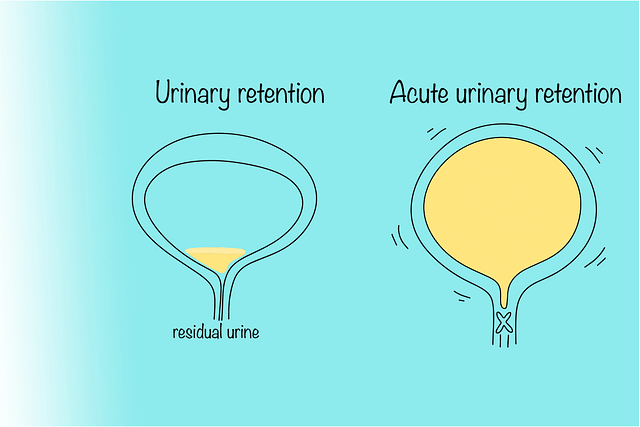
Urinary retention can affect people of all ages and sexes, but it is more common in older adults, particularly men. It occurs when an individual is unable to empty their bladder completely, resulting in the accumulation of urine. This condition can cause significant discomfort and may lead to serious complications if left untreated. In this article, we will explore the types, causes, and available treatment options for urinary retention.
What is Urinary Retention?
Urinary retention refers to the inability to fully empty the bladder, resulting in a buildup of urine. This can happen suddenly (acute urinary retention) or develop gradually over time (chronic urinary retention). This can occur due to various factors, such as a blockage in the urinary tract, weakened bladder muscles, or nerve issues that interfere with the communication between the brain and bladder. Urinary retention can be a distressing condition, leading to discomfort, pain, and potential complications if not addressed promptly.
Key Factors about Urinary Retention
| Category | Details |
| Also Referred as | Urinary Retention, Acute Urinary Retention, Chronic Urinary Retention |
| Commonly Occurs In | Older men, particularly after age 60; less common in women |
| Affected Organ | Bladder, Urethra, Prostate (in men), Pelvic floor muscles (in women) |
| Type | Acute Urinary Retention, Chronic Urinary Retention |
| Common Signs | Inability to urinate, lower abdominal pain, bloating, lower back pain, difficulty starting urination, weak urine stream, feeling of incomplete emptying, overflow incontinence, nocturia, frequent urination (Leslie & Rout, 2024) |
| Consulting Specialist | Urologist |
| Treatement Procedures | Catheterisation (acute cases), Medications (e.g., for BPH), Surgery (e.g., for prostate enlargement or urethral stricture), Self-catheterisation (nerve damage) |
| Managed By | Alpha-blockers (e.g., tamsulosin, terazosin), 5-alpha reductase inhibitors (e.g., finasteride, dutasteride), and antibiotics (e.g., ciprofloxacin, nitrofurantoin) |
| Mimiciking Condition | Urinary tract infections, Neurogenic bladder, Bladder stones |
Types of Urinary Retention
There are two main types of urinary retention. These include:
- Acute urinary retention: This is a medical emergency characterised by the sudden inability to urinate despite having a full bladder. Symptoms include severe lower abdominal pain, bloating, and lower back pain. Immediate medical attention is required for pain relief and urgent bladder decompression.
- Chronic urinary retention: This develops gradually over time and is characterised by the inability to empty the bladder. Symptoms may be subtle and include difficulty starting urination, weak urine flow, frequent urination, urgency, and a feeling of incomplete bladder emptying. If left untreated, chronic urinary retention can lead to urinary tract infections, bladder damage, and kidney problems (Leslie & Rout, 2024).
Early Signs of Urinary Retention
While acute urinary retention often presents with severe symptoms, chronic urinary retention may develop gradually. Early signs may include:
- Frequent urination (more than 8 times a day)
- Difficulty starting urination
- A weak or intermittent urine stream
- Feeling the need to urinate again shortly after urinating
- Straining to urinate
- Mild pain or discomfort in the lower abdomen or urinary tract
Symptoms of Urinary Retention
Urinary retention can present with acute or chronic symptoms, depending on the underlying cause and severity of the condition. These include:
- Total inability to urinate: This condition comes on suddenly and is characterised by a complete inability to pass urine despite a strong urge to do so. It can cause severe lower abdominal pain, discomfort, and swelling in the lower abdomen.
- Pain and swelling: People may experience lower belly swelling, pain, or discomfort, and there may be leakage of urine due to overflow incontinence.
- Difficulty initiating urination: Individuals may have trouble starting to urinate, experiencing a weak urine stream, or noticing that the stream stops and starts intermittently.
- Incomplete emptying: The bladder may not empty, leading to frequent urination, nocturia (urinating at night), and the sensation of needing to urinate again shortly after using the bathroom.
- Overflow incontinence: There may be leakage of urine due to the bladder not emptying properly, which can lead to urinary tract infections (UTIs), bladder stones, or kidney damage over time.
Stages of Urinary Retention
Causes of Urinary Retention
Urinary retention can be caused by a variety of factors, including:
- Enlarged prostate: In men, an enlarged prostate gland (benign prostatic hyperplasia or BPH) can constrict the urethra, making it difficult for urine to pass.
- Pelvic organ prolapse: In women, conditions like cystocele (bladder prolapse) or rectocele (rectal prolapse) can press on the urethra, obstructing urine flow.
- Urinary tract stones: Stones that form in the urinary tract, particularly in the bladder or urethra, can block the passage of urine.
- Tumours: Cancerous or non-cancerous growths in the urinary tract can cause blockages that lead to urinary retention.
- Constipation: Severe constipation can put pressure on the bladder and urethra, making it difficult to empty the bladder.
- Nerve issues: Neurological conditions such as multiple sclerosis, Parkinson's disease, and spinal cord injuries can disrupt the brain-bladder connection.
- Medications: Certain medications, including antihistamines, antispasmodics, opiates, and tricyclic antidepressants, can contribute to urinary retention.
- Urinary tract infections (UTIs): Infections of the urinary tract can cause swelling and inflammation, which may obstruct urine flow. This is particularly common in women due to their shorter urethra.
Risk Factors
Several factors can increase the risk of developing urinary retention, including:
- Age (over 50)
- Young, sexually active men
- Benign prostatic hyperplasia (enlargement of the prostate gland)
- Diabetes
- Neurological disorders (such as Parkinson's disease, multiple sclerosis, stroke, and spinal cord injuries)
- Pelvic organ prolapse
- Certain medications (such as alpha-adrenergic agonists, anticholinergics, antidepressants, antihistamines, and opioids)
- Surgical and traumatic factors (pelvic surgery or trauma to the pelvis, urethra, or penis)
- Constipation
- Pregnancy and childbirth (particularly with an impacted retroverted uterus)
Complications
Urinary retention, if left untreated, can lead to several complications that may have a significant impact on an individual's health and quality of life. Some of the complications include:
- Urinary tract infections (UTIs): When urine is retained in the bladder, it can create an ideal environment for bacterial growth, increasing the risk of developing UTIs. Prompt treatment of urinary retention can help prevent recurrent UTIs.
- Kidney damage: Chronic urinary retention can cause urine to back up towards the kidneys, potentially leading to long-term damage and even kidney failure. Regular monitoring and management of urinary retention are essential to prevent this serious complication ((Leslie et al., 2023).
- Urinary incontinence: As the bladder becomes overdistended (bladder overdistension) due to urinary retention, it may lose its ability to hold urine properly, resulting in urinary incontinence. Addressing the underlying cause of retention can help improve bladder function and reduce incontinence.
- Bladder damage: Prolonged bladder overdistension caused by urinary retention can damage the bladder muscles, leading to chronic urinary retention. Early intervention is crucial to prevent permanent bladder dysfunction.
- Pain and discomfort: Acute urinary retention can be extremely painful and cause abdominal bloating, while chronic retention may result in mild abdominal discomfort.
Prevention of Urinary Retention
Preventing urinary retention involves making lifestyle modifications and managing underlying health conditions. These include:
- Maintain a healthy weight: Obesity can increase the risk of urinary retention, so maintaining a healthy body weight through a balanced diet and regular exercise is important.
- Stay hydrated: Drinking an adequate amount of water throughout the day can help prevent constipation and promote regular bladder emptying.
- Avoid holding urine for too long: Regularly emptying the bladder and avoiding prolonged periods of holding urine can help prevent bladder overdistension and urinary retention.
- Manage constipation: Keeping bowel movements regular through a high-fibre diet, adequate hydration, and regular exercise can help prevent constipation-related urinary retention.
- Treat benign prostatic hyperplasia: Men with benign prostatic hyperplasia (BPH) may benefit from medications like alpha-blockers or 5-alpha reductase inhibitors to improve urinary flow and reduce the risk of retention.
- Manage neurological disorders: Individuals with neurological conditions such as multiple sclerosis or Parkinson's disease should work closely with their doctor to optimise treatment and prevent urinary complications.
- Address pelvic organ prolapse: Women with pelvic organ prolapse may require pelvic floor exercises, pessaries, or surgical intervention to prevent urinary retention.
Diagnosis & Tests
The patient's medical history, including any underlying conditions, previous surgeries, or medications, will be reviewed to identify potential risk factors for urinary retention. If you experience symptoms of urinary retention, your doctor may recommend several tests to determine the underlying cause and severity of the condition. These include:
- Physical examination: A digital rectal exam (DRE) may be performed to assess the prostate size and identify any abnormalities in men. In women, a pelvic exam may be conducted to check for pelvic organ prolapse or other anatomical issues.
- Bladder ultrasound: A non-invasive ultrasound scan can measure the amount of urine remaining in the bladder after voiding (post-void residual urine) (Chrouser, K., et al. 2024).
- Catheterisation: A catheter may be inserted into the bladder to drain and measure the amount of retained urine. This can also provide immediate relief for patients with acute urinary retention.
- Uroflowmetry: This test measures the flow rate and volume of urine during voiding to detect any obstruction or weak bladder muscles.
- Pressure flow study: This test measures the pressure inside the bladder and the flow rate of urine during voiding to determine if the retention is due to an obstruction or weak bladder muscles.
- Electromyography (EMG): EMG can assess the activity of the pelvic floor muscles and the urethral sphincter during voiding to identify any abnormalities. It is used selectively in specialist urodynamic assessment, not routine first-line testing.
- Cystoscopy: A thin, lighted tube with a camera (cystoscope) is inserted into the urethra to examine the bladder and urethra for any blockages, strictures, or abnormalities.
- Pelvic ultrasound: An ultrasound of the pelvic region can help identify any pelvic masses, cysts, or tumours that may be causing external compression on the bladder or urethra. It is performed when obstruction, masses, neurological causes, or complications are suspected.
- Imaging tests: In some cases, computed tomography (CT) or magnetic resonance imaging (MRI) scans may be necessary to provide more detailed images of the urinary tract and surrounding structures.
Treatment & Management
The treatment and management of urinary retention depend on its underlying cause and whether the condition is acute or chronic. Some of the treatment options include:
1. Bladder Drainage
In cases of acute urinary retention, urinary catheters (intermittent or indwelling) provide immediate relief. Some patients may be trained to self-catheterise at home while awaiting further treatment (Chrouser, K., et al. 2024).
2. Urethral Stents
Urethral stents can be inserted to relieve blockages and facilitate urine flow. Depending on the severity of the obstruction, this may be a temporary or long-term solution.
3. Medications
- Alpha-blockers such as Tamsulosin, Terazosin, Alfuzosin, Doxazosin, and Silodosin help relax the bladder neck muscles and improve urine flow.
- 5-alpha reductase inhibitors like Finasteride and Dutasteride work by reducing prostate size, particularly in cases of benign prostatic hyperplasia (BPH).
- Antibiotics such as Norfloxacin, Ciprofloxacin, Ampicillin, Amoxicillin, and Cloxacillin may be prescribed when an infection causes urinary retention.
4. Pelvic Therapy
Pelvic floor exercises and biofeedback therapy can help strengthen pelvic muscles, improving bladder control and reducing symptoms of urinary retention. A customised plan from a therapist can aid in better management.
5. Surgical Procedures
In severe cases, procedures such as transurethral resection of the prostate (TURP), laser therapy, open prostatectomy, or surgeries for strictures and prolapses may be necessary. The most suitable approach depends on the specific condition and its severity.
6. Bladder Training
Bladder training techniques involve scheduling urination at fixed intervals and using relaxation methods to enhance bladder control. Maintaining a bladder diary can help track progress and improve symptom management.
Living with Disease
Living with urinary retention can be challenging, but there are several strategies to help manage symptoms and prevent complications. These include:
- Empty your bladder at least every 4 hours, even if you don't feel the need to urinate.
- Avoid holding urine for extended periods.
- Do not push or bear down when trying to urinate.
- Avoid using products that can irritate the bladder, such as scented wipes or soaps.
- Prevent constipation, as it can exacerbate urinary retention.
- Drink fluids at certain times to manage when you need to urinate.
- Perform pelvic floor exercises to gain more control over your urinary sphincters.
- Learn to relax in the bathroom to avoid rushing through the urination process.
When to See a Doctor?
If you experience any symptoms of urinary retention, such as difficulty starting or stopping the flow of urine, a weak urine stream, a feeling of incomplete bladder emptying, or the inability to urinate at all, it is essential to consult a doctor. Acute urinary retention is a medical emergency and requires immediate attention. If you have chronic urinary retention, regular check-ups with your doctor are crucial to monitor your condition and adjust your treatment plan as needed.
Key Takeaways
- Urinary retention is the inability to empty the bladder completely, which can be acute or chronic.
- Common causes include obstruction, neurological disorders, medications, and pelvic floor dysfunction.
- Symptoms may include difficulty urinating, a weak urine stream, the inability to empty the bladder, lower abdominal pain, and a distended bladder.
- Treatment options include bladder drainage, medications, urethral stents, pelvic therapy, biofeedback, and surgery, depending on the underlying cause and severity of the condition.
- Living with urinary retention involves emptying the bladder regularly, avoiding irritants, preventing constipation, and making lifestyle modifications.
- Consult a doctor if you experience symptoms of urinary retention, and seek immediate medical attention for severe symptoms or the inability to urinate.
FAQs
What is the cause of urinary retention?
How to reduce urine retention?
Can drinking water fix urinary retention?
What is the best medication for urinary retention?
Can urinary retention cure itself?
How much urine retention is normal?
What foods stop urination?
How to increase urine flow?
Is it normal to pee every 2 hours?
How can I unblock urine flow at home?
References
- Leslie, S. W., & Rout, P. (2024, April 20). Male urinary retention: acute and chronic. StatPearls - NCBI Bookshelf. https://www.ncbi.nlm.nih.gov/books/NBK538499/
- Leslie, S. W., Rawla, P., & Dougherty, J. M. (2023, May 30). Female urinary retention. StatPearls - NCBI Bookshelf. https://www.ncbi.nlm.nih.gov/books/NBK538497
- Chrouser, K, FOWLER, KE, Mann JD. (N.d.). Jamanetwork.Com. Retrieved April 24, 2026, from https://jamanetwork.com/journals/jamanetworkopen/fullarticle/2821168
- Non-neurogenic Male LUTS. (n.d.). Uroweb.Org. Retrieved April 24, 2026, from https://uroweb.org/guidelines/management-of-non-neurogenic-male-luts

Check Related Salts
Browse Other Conditions
Latest health articles
Top Health Essentials



















Disclaimer
Top-Selling Medicines:
...View more
Top-OTC medicines:
...View more
Company
About UsHealth ArticleHealth StoriesHealth LibraryDiseases & Health ConditionsAyurvedaUnderstanding Generic MedicinesAll MedicinesAll BrandsNeed HelpFAQSecuritySavings CalculatorAdvertise with UsSubscribe
Registered Office Address
Grievance Officer
Download Truemeds


Contact Us
Our customer representative team is available 7 days a week from 9 am - 9 pm.
v4.28.18

2026 - Truemeds | All rights reserved. Our content is for informational purposes only. See additional information.

Our Payment Partners




