

- Medicines
- Personal Care
- Skin Cream
- Sunscreen
- Face Wash
- Skin and Body Soap
- Acne Care
- Body Lotions
- Moisturising Lotion
- Moisturising Cream
- Mosquito Repellent
- Moisturising Gel
- Body Wash
- Hair Oils
- Hair Shampoo
- Hair Conditioners
- Hair Supplements
- Hair Colour
- Hair Serum
- Hair Mask
- Hair Solutions
- Baby Diapers and Wipes
- Baby Lotion and Moisturising Cream
- Baby Bath Essentials
- Baby Skin Care
- Baby and Infant Food
- Baby Healthcare
- Women Multivitamins
- Ovulation Test Kit and Women Intimate Care
- Sanitary Pads
- Nutritional Drinks
- Condoms
- Lubricants
- Massage Gels
- Personal Body Massagers
- Men Performance Booster
- Sexual Health Supplements
- Massage Oils
- Ayurveda
- Tooth Paste
- Mouth Ulcer Gel
- Mouthwash
- Toothache and Gum Pain
- Tooth Brush
- Gargle Solution
- Orthopaedic Supports
- Adult Diapers
- Footwear
- Mobility and Support Accessories
- Urinary Support and Care
- Health Conditions
- Bone and Joint Care
- Digestive Care
- Eye Care
- Pain Relief
- Smoking Cessation
- Liver Care
- Stomach Care
- Cold and Cough
- Heart Care
- Kidney Care
- Piles, Fissures & Fistula
- Respiratory Care
- Mental Wellness
- Derma Care
- Pre and Probiotics
- Acidity
- Gas
- Constipation
- Loose Motion/Diarrhoea
- Digestive Fibres
- Digestive Enzymes
- Eye Lubricant Drops
- Lens Solution
- Safety Eye Wear
- Eye Cream
- Eye Vitamins and Supplements
- Eye Drops
- Eye Ointment and Gel
- Nicotine Patch
- Nicotine Gum
- Nicotine Lozenges
- Cough Syrups
- Chest Rubs and Balms
- Nasal Spray
- Lozenges
- Inhalant Capsules
- Cold and Cough Tablets
- Vitamins & Supplements
- Diabetes Care
- Healthcare Devices
- Homeopathic Medicine
- Health Guide
Throat Cancer
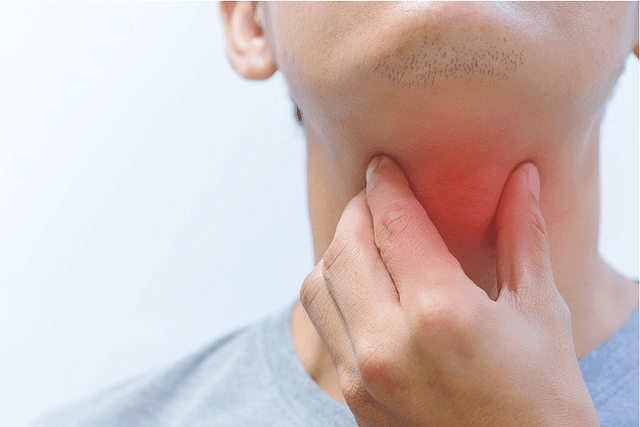
Throat cancer is a non-medical umbrella term commonly used to describe cancers that arise in the pharynx (throat) or larynx (voice box), most of which are classified as head and neck squamous cell carcinomas. These cancers can affect different parts of the throat, including the oropharynx, hypopharynx, nasopharynx, and the larynx itself. Symptoms may include a persistent sore throat, difficulty swallowing, ear pain, lumps in the neck or throat, hoarseness, and unexplained weight loss.
 50
50Last updated on : 21 Apr, 2026
Read time : 13 mins
Overview of Disease
Throat cancer is a serious condition that develops when malignant tumours grow in the pharynx or larynx. These cancers can have a significant impact on a person's ability to speak, swallow, and breathe. While throat cancers are less common than some other malignancies, their incidence—particularly human papillomavirus (HPV)-associated oropharyngeal cancers—has increased in recent decades. In this article, we will explore what throat cancer is, the different types of throat cancer, and the symptoms to look out for.
What is Throat Cancer?
Throat cancer occurs when abnormal cells in the throat or voice box grow uncontrollably, forming tumours. The throat (pharynx) is a muscular tube that extends from behind the nose to the neck, while the voice box (larynx) is located below the pharynx and contains the vocal cords. Most throat cancers begin in the flat, thin cells called squamous cells that line the inside of the pharynx and larynx. As the cancer progresses, it can spread to nearby tissues, lymph nodes, and other parts of the body (American Cancer Society, 2024).
Key Factors about Throat Cancer
| Category | Details |
| Also Referred as | Pharyngeal cancer, Laryngeal cancer, Oropharyngeal cancer, Hypopharyngeal cancer |
| Commonly Occurs In | More common in adults aged 55 years and older and in men |
| Affected Organ | Pharynx (nasopharynx, oropharynx, hypopharynx), Larynx (supraglottis, glottis, subglottis), Tonsils |
| Type | Squamous cell carcinoma (most common) Less commonly, lymphoma, salivary-type tumours, sarcoma, or adenocarcinoma |
| Common Signs | Sore throat, trouble swallowing, hoarseness, lump in the neck, ear pain, change in voice or speech, unexplained weight loss |
| Consulting Specialist | Otolaryngologist (ENT specialist), Oncologist |
| Treatment Procedures | Surgery, radiation therapy, chemotherapy, or a combination of these |
| Managed By | Chemotherapy (commonly cisplatin-based regimens, carboplatin, 5-fluorouracil, taxanes such as docetaxel or paclitaxel), surgery, and radiation therapy |
| Mimicking Condition | Other conditions that may present with similar symptoms include infections, benign growths, and inflammatory conditions |
Types of Throat Cancer
There are several types of throat cancer, each named according to the specific area of the throat where the cancer originates. These include:
- Laryngeal cancer: This type of throat cancer affects the larynx, commonly known as the voice box. The larynx is responsible for producing sound and plays a crucial role in speech.
- Pharyngeal cancer: Pharyngeal cancer is further divided into three subtypes based on the specific part of the pharynx that is affected:
- Nasopharyngeal cancer: This subtype occurs in the upper part of the throat, located behind the nose. It is relatively rare compared to other types of throat cancer.
- Oropharyngeal cancer: Oropharyngeal cancer develops in the middle part of the throat, situated behind the mouth. This includes cancers affecting the tonsils, the back of the tongue, and the soft palate.
- Hypopharyngeal cancer: This subtype affects the narrow area behind the voice box, known as the hypopharynx. It is less common than other forms of throat cancer.
Symptoms of Throat Cancer
The symptoms of throat cancer can vary depending on the specific location of the tumour. However, some common signs and symptoms to look out for include:
- Persistent sore throat: A sore throat that does not resolve within a few weeks, despite home remedies or over-the-counter medications, should be evaluated by a doctor.
- Lump in the neck: The presence of a lump or swelling in the neck, particularly if it is painless, can be a sign of throat cancer. Any neck lumps should be promptly examined by a doctor.
- Difficulty swallowing: Throat cancer can cause pain or discomfort when swallowing, as well as a sensation of food getting stuck in the throat. Progressive difficulty in swallowing liquids or solids requires medical attention.
- Hoarseness and voice changes: Persistent hoarseness or changes in voice quality lasting more than two weeks should be examined by a doctor. Throat cancer can affect the vocal cords, leading to alterations in speech.
- Ear pain or ringing: Referred pain or a ringing sensation in the ears, especially on one side, can be a symptom of throat cancer, particularly when combined with other warning signs.
- Coughing up blood: Coughing up blood or blood-tinged saliva is a concerning symptom that requires immediate medical evaluation. While it may have various causes, throat cancer should be ruled out.
- Breathing difficulties: As throat cancer progresses, it can cause narrowing of the airway, leading to shortness of breath or noisy breathing (stridor). Any breathing difficulties should be promptly addressed by a doctor.
- Unexplained weight loss: Sudden and unintentional weight loss, especially when accompanied by other symptoms, may indicate an underlying condition like throat cancer.
Stages of Throat Cancer
Throat cancers are staged using the TNM (Tumour, Node, Metastasis) system. Staging depends on tumour size and extent (T), lymph-node involvement (N), and presence of distant metastasis (M). Oropharyngeal cancers associated with HPV have a separate staging system due to their better prognosis. Stages range from early, localised disease to advanced metastatic cancer (American Cancer Society, 2024).
Causes of Throat Cancer
Throat cancer can arise from various factors, and while the exact cause is often not clear, several risk factors are commonly associated with its development. These include:
- Tobacco use: Smoking cigarettes, cigars, or using smokeless tobacco significantly increases the risk of throat cancer. Even secondhand smoke can contribute to the risk.
- Alcohol consumption: Heavy and prolonged alcohol consumption is linked to an increased risk of throat cancer, particularly when combined with tobacco use.
- Human papillomavirus (HPV): Certain strains of HPV, especially HPV-16, are associated with oropharyngeal cancers. HPV is a sexually transmitted infection that can lead to changes in throat cells (Chow, 2020).
- Age: Throat cancer is more common in individuals over the age of 50, with risk increasing as people age.
- Exposure to carcinogens: Prolonged exposure to substances like asbestos, formaldehyde, or other industrial chemicals can elevate the risk of throat cancer.
- Poor oral hygiene and diet: A diet low in fruits and vegetables, along with poor oral health, may increase susceptibility to throat cancer.
- Gastro-oesophageal reflux disease (GERD): Chronic gastro-oesophageal reflux disease (GERD) may contribute to throat irritation, but its role as an independent risk factor for throat cancer remains unclear.
Risk Factors
Several risk factors can increase an individual's likelihood of developing throat cancer, including:
- Smoking and tobacco use
- Excessive alcohol consumption
- Poor nutrition
- Family history
- Human papillomavirus (HPV) infection, particularly HPV types 16 and 18 (Chow, 2020)
- Exposure to chemicals (such as asbestos, formaldehyde, and coal dust)
- Age (over 50)
- Gender (more common in men)
Complications
Throat cancer can lead to a range of complications, particularly if diagnosed at advanced stages. Here are some potential complications:
- Difficulty swallowing (dysphagia): Tumours can obstruct the throat, making it painful or difficult to swallow, which can affect nutrition and hydration.
- Dry mouth (xerostomia): Radiation therapy can damage salivary glands, resulting in reduced saliva production, which increases the risk of tooth decay and other oral health issues.
- Changes in speech: Treatment or the cancer itself may lead to voice changes, including hoarseness or loss of voice, impacting communication.
- Breathing difficulties: As the tumour grows, it can obstruct the airway, causing breathing problems and requiring medical intervention.
- Nutritional deficiencies: Difficulty swallowing and changes in taste can lead to inadequate nutrition and weight loss, necessitating dietary adjustments or feeding tubes.
- Metastasis: Throat cancer can metastasise to nearby tissues or distant organs, complicating treatment and prognosis.
- Osteoradionecrosis: A late-term complication characterised by bone necrosis in the jaw, which can lead to severe pain and difficulty with oral function.
- Infection risks: Surgical interventions or radiation therapy can increase the risk of infections in the throat or surrounding areas.
Prevention of Throat Cancer
Preventing throat cancer involves adopting lifestyle changes and avoiding certain risk factors. Here are key strategies for reducing the risk:
- Avoid tobacco products: Refrain from smoking cigarettes, cigars, and using smokeless tobacco, as these are the leading causes of throat cancer.
- Limit alcohol consumption: Reducing or eliminating alcohol intake can significantly decrease the risk, particularly when combined with tobacco use.
- Practice safe sex: Using protection during sexual activities can help prevent the transmission of human papillomavirus (HPV), which is linked to throat cancers.
- Maintain good oral hygiene: Regular dental check-ups and good oral hygiene practices can help reduce the risk of oral diseases that may contribute to throat cancer.
- Eat a healthy diet: Incorporate a diet rich in fruits, vegetables, and whole grains, which may help lower cancer risk due to their antioxidant properties.
- Stay hydrated: Drinking plenty of water can help keep the throat and mouth tissues healthy, potentially reducing irritation and inflammation.
- Limit exposure to carcinogens: Avoid exposure to harmful chemicals, such as asbestos and certain industrial substances, which may increase cancer risk.
- Manage acid reflux: If you have gastro-oesophageal reflux disease (GERD), managing this condition with dietary changes and medical treatment can help reduce the risk of throat irritation and potential cancer development.
- Regular health check-ups: There is no routine population screening for throat cancer; however, regular dental and medical check-ups may help detect suspicious lesions early in high-risk individuals.
Diagnosis & Tests
Diagnosing throat cancer typically involves a combination of physical examinations, imaging tests, and a biopsy. These include:
- Physical examination: During the physical exam, your doctor will look for any visible abnormalities, such as lumps, swelling, or asymmetry. They will also feel for any enlarged lymph nodes in the neck, which may indicate the spread of cancer. A thorough examination of the oral cavity, including the tongue, tonsils, and back of the throat, will be performed to check for any suspicious lesions.
- Laryngoscopy: A thin, flexible tube with a light and camera (endoscope) is inserted through the nose or mouth to visualise the larynx, pharynx, and surrounding areas. This allows your doctor to examine any abnormalities and take tissue samples (biopsy) if needed.
- Biopsy: If a suspicious lesion is identified during the laryngoscopy, your doctor will remove a small sample of tissue for microscopic examination. This is the only definitive way to diagnose throat cancer and determine its type.
- Imaging tests: Once a diagnosis of throat cancer is confirmed, imaging tests such as computed tomography (CT), magnetic resonance imaging (MRI), or positron emission tomography (PET) scans may be ordered. These tests help determine the extent of the cancer and whether it has spread to nearby lymph nodes or distant organs.
- HPV testing: If throat cancer is diagnosed, the doctor may recommend testing the tumour for the presence of human papillomavirus (HPV), as HPV-positive throat cancers often have a better prognosis and may respond differently to treatment compared to HPV-negative cancers.
Treatment & Management
The treatment of throat cancer involves a combination of surgery, radiation therapy, chemotherapy, and targeted therapies. The approach depends on the cancer’s stage, location, and the overall health of the patient.
1. Chemotherapy
Chemotherapy for throat cancer commonly involves platinum-based agents such as cisplatin or carboplatin, often combined with radiation therapy or other systemic treatments in advanced disease (Johnson et al., 2020).
2. Targeted Therapies & Immunotherapy
Advances in treatment have introduced targeted therapies that focus on specific cancer markers. Cetuximab, an epidermal growth factor receptor (EGFR) inhibitor, prevents cancer cells from growing and spreading. Immunotherapy, which harnesses the body’s immune system to fight cancer, is another breakthrough. Monoclonal antibodies like pembrolizumab, toripalimab, and nivolumab target PD-L1, helping the immune system recognise and destroy cancer cells. Additionally, taxanes such as docetaxel and paclitaxel are effective in disrupting cell division, making them valuable in aggressive or recurrent throat cancer cases (Johnson et al., 2020).
3. Comprehensive Care
Treatment often involves a multimodal approach, with chemotherapy and targeted therapy used alongside radiation or surgery. Supportive care, including speech therapy, nutritional support, and pain management, is crucial in improving the patient’s quality of life. Ongoing monitoring and follow-ups help assess treatment effectiveness and manage potential side effects.
Living with Disease
Living with throat cancer can be a challenging journey, but there are several ways to cope and adapt to the changes. Here are a few points to consider:
- Seek support from family, friends, and support groups to help cope with the emotional and physical challenges of throat cancer.
- Work closely with your doctor to manage the side effects of treatment, such as pain, difficulty swallowing, and voice changes.
- Maintain a healthy lifestyle by eating a balanced diet, staying physically active, and avoiding tobacco and excessive alcohol consumption.
- Attend all follow-up appointments and screenings to monitor for recurrence or the development of new cancers.
- Consider rehabilitation services, such as speech therapy and swallowing therapy, to improve quality of life after treatment.
When to See a Doctor?
It is essential to see a doctor if you experience any symptoms that may be indicative of throat cancer, such as persistent hoarseness, difficulty swallowing, or a lump in the neck. Early detection and treatment can significantly improve the chances of a successful outcome. If you have been diagnosed with throat cancer, it is crucial to work closely with your doctor to manage your symptoms and maintain your quality of life.
Key Takeaways
- Throat cancer encompasses various types of cancer that affect the pharynx, larynx, and other parts of the throat.
- Risk factors for throat cancer include smoking, excessive alcohol consumption, HPV infection, and a family history of head and neck cancers.
- Symptoms of throat cancer may include persistent hoarseness, difficulty swallowing, unexplained weight loss, and a lump in the neck.
- Treatment options for throat cancer include surgery, radiation therapy, chemotherapy, targeted therapy, and immunotherapy, depending on the type, stage, and location of the cancer.
- Early detection and prompt treatment are crucial for improving the chances of a successful outcome, so it's essential to consult a doctor if you experience any signs or symptoms of throat cancer.
FAQs
Is cancer in the throat curable?
What is early stage 1 throat cancer?
What are the warning signs of throat cancer?
How long can you live with throat cancer?
What does throat cancer pain feel like?
How to find out if you have throat cancer?
What is the main cause of throat cancer?
What foods prevent throat cancer?
Does throat cancer spread fast?
What is the recovery time for throat cancer?
References
- American Cancer Society. (2024). Laryngeal and hypopharyngeal cancer. https://www.cancer.org/cancer/laryngeal-and-hypopharyngeal-cancer.html
- National Cancer Institute. (2023). Oropharyngeal cancer treatment (PDQ®)–Health professional version. https://www.cancer.gov/types/head-and-neck/hp/adult/oropharyngeal-treatment-pdq
- Chow, L. Q. M. (2020). Head and neck cancer. New England Journal of Medicine, 382(1), 60-72. https://doi.org/10.1056/NEJMra1715715
- Johnson, D. E., Burtness, B., Leemans, C. R., Lui, V. W. Y., Bauman, J. E., & Grandis, J. R. (2020). Head and neck squamous cell carcinoma. Nature Reviews Disease Primers, 6(1), 92. https://doi.org/10.1038/s41572-020-00224-3
- Machiels, J. P., René Leemans, C., Golusinski, W., Grau, C., Licitra, L., & Gregoire, V. (2020). Squamous cell carcinoma of the oral cavity, larynx, oropharynx, and hypopharynx: EHNS–ESMO–ESTRO Clinical Practice Guidelines for diagnosis, treatment and follow-up. Annals of Oncology, 31(11), 1462-1475. https://doi.org/10.1016/j.annonc.2020.07.011
Check Related Salts
Latest health articles

Top Health Essentials





























Disclaimer
Top-Selling Medicines:
...View more
Top-OTC medicines:
...View more
Company
About UsHealth ArticleHealth StoriesHealth LibraryDiseases & Health ConditionsAyurvedaUnderstanding Generic MedicinesAll MedicinesAll BrandsNeed HelpFAQSecuritySavings CalculatorAdvertise with UsSubscribe
Registered Office Address
Grievance Officer
Download Truemeds


Contact Us
Our customer representative team is available 7 days a week from 9 am - 9 pm.
v4.28.13

2026 - Truemeds | All rights reserved. Our content is for informational purposes only. See additional information.

Our Payment Partners