

- Medicines
- Personal Care
- Skin Cream
- Sunscreen
- Face Wash
- Skin and Body Soap
- Acne Care
- Body Lotions
- Moisturising Lotion
- Moisturising Cream
- Mosquito Repellent
- Moisturising Gel
- Body Wash
- Hair Oils
- Hair Shampoo
- Hair Conditioners
- Hair Supplements
- Hair Colour
- Hair Serum
- Hair Mask
- Hair Solutions
- Baby Diapers and Wipes
- Baby Lotion and Moisturising Cream
- Baby Bath Essentials
- Baby Skin Care
- Baby and Infant Food
- Baby Healthcare
- Women Multivitamins
- Ovulation Test Kit and Women Intimate Care
- Sanitary Pads
- Nutritional Drinks
- Condoms
- Lubricants
- Massage Gels
- Personal Body Massagers
- Men Performance Booster
- Sexual Health Supplements
- Massage Oils
- Ayurveda
- Tooth Paste
- Mouth Ulcer Gel
- Mouthwash
- Toothache and Gum Pain
- Tooth Brush
- Gargle Solution
- Orthopaedic Supports
- Adult Diapers
- Footwear
- Mobility and Support Accessories
- Urinary Support and Care
- Health Conditions
- Bone and Joint Care
- Digestive Care
- Eye Care
- Pain Relief
- Smoking Cessation
- Liver Care
- Stomach Care
- Cold and Cough
- Heart Care
- Kidney Care
- Piles, Fissures & Fistula
- Respiratory Care
- Mental Wellness
- Derma Care
- Pre and Probiotics
- Acidity
- Gas
- Constipation
- Loose Motion/Diarrhoea
- Digestive Fibres
- Digestive Enzymes
- Eye Lubricant Drops
- Lens Solution
- Safety Eye Wear
- Eye Cream
- Eye Vitamins and Supplements
- Eye Drops
- Eye Ointment and Gel
- Nicotine Patch
- Nicotine Gum
- Nicotine Lozenges
- Cough Syrups
- Chest Rubs and Balms
- Nasal Spray
- Lozenges
- Inhalant Capsules
- Cold and Cough Tablets
- Vitamins & Supplements
- Diabetes Care
- Healthcare Devices
- Homeopathic Medicine
- Health Guide
Multiple Myeloma
Multiple myeloma is a clonal plasma-cell malignancy of the bone marrow characterised by proliferation of malignant plasma cells and production of a monoclonal immunoglobulin (M-protein). The disease causes end-organ damage (CRAB: hypercalcaemia, renal failure, anaemia, bone lesions) or meets myeloma-defining biomarker criteria (Rajkumar, 2024). Clinical features include bone pain, anaemia, renal impairment, recurrent infections, and hypercalcaemia. Management depends on disease stage, presence of symptoms, patient fitness, and eligibility for autologous stem cell transplantation (ASCT). Modern therapy includes proteasome inhibitors, immunomodulatory medicines (IMiDs), anti-CD38 monoclonal antibodies, and emerging cellular and bispecific immunotherapies.
 50
50Last updated on : 22 Apr, 2026
Read time : 15 mins
Overview of Disease
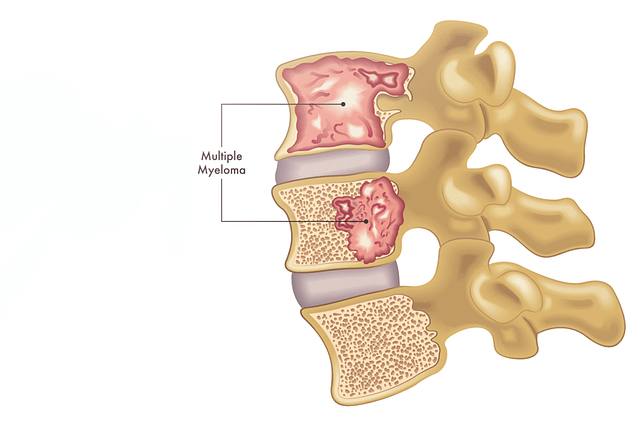
Multiple myeloma is a complex and challenging condition that arises when plasma cells, a type of white blood cell, become cancerous and multiply uncontrollably in the bone marrow. As these abnormal cells accumulate, they disrupt the production of normal blood cells and antibodies, leading to a range of health problems. This article provides an overview of the types, causes, and complications of multiple myeloma.
What is Multiple Myeloma?
Multiple myeloma is a cancer that affects the plasma cells, which are responsible for producing antibodies to fight infections. In myeloma, these cells become malignant and proliferate excessively, crowding out normal blood cells in the bone marrow. This leads to a compromised immune system, anaemia, and other complications. The abnormal plasma cells also produce an excess of monoclonal proteins (M-proteins), which can cause kidney damage and other issues. The exact causes of multiple myeloma are not fully understood, but factors such as age, gender, and ethnicity may play a role in its development.
Key Factors about Multiple Myeloma
| Category | Details |
| Also Referred to as |
|
| Commonly Occurs In |
|
| Affected Organ |
|
| Type |
|
| Common Signs |
|
| Consulting Specialist |
|
| Treatment Procedures |
|
| Managed By |
|
| Mimicking Condition |
|
Types of Multiple Myeloma
Multiple myeloma is categorised into different types based on the characteristics of the disease and the presence of specific genetic abnormalities. These include:
- Monoclonal gammopathy of undetermined significance (MGUS): A premalignant clonal plasma-cell condition with low M-protein and <10% bone marrow plasma cells; the annual progression risk is approximately 1% per year.
- Smouldering multiple myeloma (SMM): An intermediate asymptomatic state with higher M-protein or marrow involvement than MGUS and no CRAB features; risk stratification (based on biomarkers and genetics) guides whether early therapy is considered.
- Active (symptomatic) multiple myeloma: Clonal marrow plasma cells ≥10% or biopsy-proven plasmacytoma plus CRAB features or myeloma-defining biomarkers (e.g., ≥60% clonal plasma cells, involved/uninvolved serum free light chain ratio ≥100, >1 focal lesion on MRI). These patients require systemic therapy.
- Solitary plasmacytoma (osseous or extramedullary): A localised plasma-cell tumour without systemic myeloma features; treated with local therapy (radiation ± surgery).
- Light-chain (Bence Jones) myeloma and non-secretory myeloma: Subtypes of multiple myeloma in which malignant plasma cells predominantly secrete free immunoglobulin light chains (kappa or lambda) detectable in serum free light-chain assay and/or urine (Bence Jones proteins). Light-chain myeloma is distinct from systemic AL (light-chain) amyloidosis, although excess light chains in either condition can cause renal damage; each diagnosis requires a different workup and treatment plan.
Symptoms of Multiple Myeloma
In the early stages, multiple myeloma may not cause any symptoms. As the disease progresses, some common symptoms that may develop include:
- Bone pain: Caused by bone damage and lesions, patients may experience persistent pain in the back, ribs, or other bones.
- Fatigue: Anaemia resulting from low red blood cell production can lead to feelings of weakness, tiredness, and shortness of breath.
- Frequent infections: A weakened immune system makes patients more susceptible to infections, such as pneumonia or urinary tract infections.
- Kidney problems: High levels of M-protein can damage the kidneys, leading to kidney failure or other complications.
- Hypercalcaemia: Hypercalcaemia in myeloma results from osteolysis and can cause polyuria, constipation, nausea, confusion, and cardiac arrhythmias; it is a medical emergency when severe and requires prompt hydration, loop diuretics (only after adequate hydration and if clinically indicated), and bisphosphonate or denosumab therapy as indicated.
How Does Multiple Myeloma Affect Your Body?
Multiple myeloma can have widespread effects on the body due to the abnormal growth of plasma cells, leading to various complications. These include:
- Bone health: Myeloma can lead to bone damage, resulting in osteoporosis and an increased risk of fractures due to the weakening of bones.
- Blood cell production: The disease interferes with the production of healthy blood cells, leading to anaemia, increased susceptibility to infections, and possible bleeding tendencies.
- Kidney function: Myeloma can cause kidney damage, resulting in decreased kidney function and potentially leading to kidney failure.
- Calcium levels: Increased calcium levels in the blood (hypercalcaemia) may occur, causing symptoms like nausea, constipation, confusion, and fatigue.
- Immune system: The abnormal plasma cells can compromise the immune system, making patients more vulnerable to infections and illnesses.
- Pain: Bone lesions and fractures can lead to chronic pain, affecting mobility and quality of life.
Stages of Multiple Myeloma
Multiple myeloma is staged using two primary systems: the International Staging System (ISS) and the Durie-Salmon staging system.
Staging and Risk Stratification
- International Staging System (ISS): Based on serum beta-2 microglobulin and albumin levels (Stage I–III).
- Revised International Staging System (R-ISS): Incorporates ISS along with lactate dehydrogenase (LDH) levels and high-risk cytogenetics (e.g., del(17p), t(4;14), t(14;16)) to refine prognosis.
- Cytogenetic and molecular risk: Fluorescence in situ hybridisation (FISH) and other molecular assays identify high-risk abnormalities that guide therapy intensity and clinical decision-making.
- Durie–Salmon staging system: An older classification system that is now rarely used in modern clinical practice. Current practice relies on ISS/R-ISS and cytogenetic risk stratification for prognosis and treatment planning (NCCN, 2024).
Causes of Multiple Myeloma
While the exact cause of multiple myeloma is not known, several factors have been identified that may contribute to the development of this cancer. These include:
- Genetic factors: Abnormalities in the genetic material of plasma cells can lead to the development of multiple myeloma. These changes are usually acquired rather than inherited.
- Environmental factors: Exposure to certain chemicals, such as benzene and radiation, may increase the risk of developing multiple myeloma.
- Age: The risk of multiple myeloma increases with age, with most cases occurring in people over 60 years.
- Family history: A family history of multiple myeloma or other cancers may increase an individual's risk of developing the disease.
Risk Factors
Several factors can increase the risk of developing multiple myeloma, including:
- Age (over 65 years)
- Gender (more common in men)
- Ethnicity (higher risk in individuals of African descent)
- Family history
- Excess body weight
- Exposure to certain substances (e.g., radiation, benzene, pesticides, and industrial chemicals)
- Pre-existing plasma cell disorders (MGUS or solitary plasmacytoma)
- Immune system impairment (e.g., HIV)
- Certain occupations (e.g., agricultural workers, petroleum industry workers, and leather industry workers)
Complications
Multiple myeloma can lead to various complications that can significantly impact a patient's quality of life and overall health. Some of the complications include:
- Infections: Due to the disease's impact on the immune system, patients with multiple myeloma are more susceptible to various infections.
- Bone problems: Multiple myeloma can cause a range of bone-related issues, including bone pain, osteoporosis (bone thinning), and an increased risk of fractures. These complications arise from the disease's interference with the normal bone remodelling process, leading to weakened and fragile bones.
- Kidney problems: The accumulation of monoclonal proteins (M-proteins) in the kidneys can lead to kidney damage, including kidney failure, due to protein overload and tubular injury.
- Anaemia: Multiple myeloma can cause anaemia, leading to fatigue, weakness, pale skin, and shortness of breath.
- Hypercalcaemia: Bone breakdown releases calcium into the bloodstream, leading to high calcium levels. This can cause excessive thirst, frequent urination, constipation, nausea, and confusion.
Prevention of Multiple Myeloma
While there is no guaranteed way to prevent multiple myeloma, certain lifestyle choices may help reduce the risk. These include:
- Healthy diet: Eating a balanced diet rich in fruits, vegetables, whole grains, and lean proteins supports overall health.
- Regular exercise: Engaging in regular physical activity helps maintain a healthy weight and supports immune function.
- Avoiding tobacco: Avoiding tobacco products may reduce the risk of several cancers.
- Limiting alcohol consumption: Alcohol intake should be limited or avoided.
- Weight management: Maintaining a healthy weight is important, as obesity is associated with an increased risk.
- Regular check-ups: Routine medical check-ups and discussing personal and family history with a doctor can help identify potential risks early.
Diagnosis & Tests
Diagnosing multiple myeloma involves a combination of clinical evaluation, laboratory tests, and imaging studies. These include:
- Laboratory tests: Serum protein electrophoresis (SPEP), serum immunofixation (sIFE), serum free light chains (sFLC), 24-hour urine protein electrophoresis/urine immunofixation (IFE) as indicated, complete blood count (CBC), calcium, creatinine, albumin, beta-2 microglobulin, and lactate dehydrogenase (LDH).
- Bone marrow examination: Bone marrow aspirate/biopsy demonstrating ≥10% clonal plasma cells, which supports diagnosis when combined with CRAB features or myeloma-defining biomarkers.
- Myeloma-defining biomarkers (IMWG): Any one of the following:
- ≥60% clonal plasma cells in bone marrow
- Involved/uninvolved serum free light chain ratio ≥100 (with involved FLC ≥100 mg/L)
- More than one focal lesion on MRI measuring ≥5 mm
- The presence of CRAB features (hypercalcaemia, renal insufficiency, anaemia, bone lesions) also defines symptomatic myeloma (Rajkumar, 2024).
- Imaging studies: Whole-body low-dose CT, PET-CT, or MRI to detect lytic bone lesions. A conventional skeletal survey is less sensitive. FDG-PET/CT is useful for detecting focal and extramedullary disease.
- Cytogenetics and molecular testing: Fluorescence in situ hybridisation (FISH) is used to identify high-risk abnormalities (e.g., del(17p), t(4;14), t(14;16)), which help guide prognosis and treatment decisions.
Treatment & Management
Managing multiple myeloma involves a comprehensive and personalised strategy that targets malignant plasma cells while also addressing symptoms and complications. Treatment decisions depend on the stage of the disease, patient health, and eligibility for intensive therapies like stem cell transplantation. The key components include:
1. Chemotherapy
- Chemotherapy helps destroy rapidly dividing myeloma cells. It is often used in combination with other therapies or before a stem cell transplant.
- Initial therapy for transplant-eligible patients: Triplet/quadruplet induction regimens such as bortezomib + lenalidomide + dexamethasone (VRd), and increasingly daratumumab + VRd (Dara-VRd) in many settings, followed by stem cell collection and autologous stem cell transplant (ASCT) as consolidation, and then maintenance (commonly lenalidomide ± other agents) (NCCN, 2024).
- Transplant-ineligible / frail patients: Dose-adjusted regimens such as daratumumab + VMP (bortezomib, melphalan, prednisone) or VRd-lite are options; the choice is individualised based on frailty assessment and comorbidities.
- Relapsed / refractory disease: Use class-switching and novel agents (eg, carfilzomib, pomalidomide, isatuximab, selinexor), BCMA-directed CAR-T therapy or bispecific antibodies when available, and consider clinical trials. Therapy selection depends on prior exposures, refractory status, and cytogenetics (Devasia et al., 2024).
- Stem cell transplant: ASCT remains a standard consolidation for eligible patients; tandem or delayed transplant may be considered in select high-risk situations per guidelines. Allogeneic transplant is rarely used outside trials.
2. Targeted Therapy
These medicines specifically attack mechanisms that allow cancer cells to grow and survive.
- Proteasome inhibitors:
- Bortezomib: A proteasome inhibitor that blocks protein degradation, leading to the accumulation of toxic proteins and death of myeloma cells.
- Carfilzomib: A second-generation proteasome inhibitor with greater specificity, used in relapsed or refractory multiple myeloma.
- Ixazomib (oral option): An oral proteasome inhibitor that offers convenience and effectiveness in combination regimens for multiple myeloma.
- Histone deacetylase (HDAC) inhibitors:
- Panobinostat (used with bortezomib and dexamethasone in relapsed or refractory cases): Enhances apoptosis in resistant myeloma.
3. Immunotherapy
These therapies help the immune system detect and destroy myeloma cells.
- Monoclonal antibodies:
- Daratumumab: A monoclonal antibody targeting CD38 on myeloma cells, enhancing immune cell recognition and destruction of cancer cells.
- Isatuximab: Binds to CD38 to promote cell death and immune-mediated clearance of myeloma cells, used in relapsed cases.
- Elotuzumab: Activates natural killer cells, helping eliminate myeloma cells when combined with immunomodulators.
- Belantamab mafodotin (anti-BCMA antibody–drug conjugate) has shown activity in heavily pretreated myeloma; its regulatory status varies by region and indication, and it may be available in select settings or clinical trials.
- Bispecific antibodies:
- Teclistamab: A bispecific antibody that brings T cells into contact with BCMA-expressing myeloma cells, promoting direct immune attack.
4. Immunomodulatory Drugs (IMiDs)
- Thalidomide: Modulates the immune system and inhibits myeloma cell growth and angiogenesis.
- Lenalidomide: A more potent immunomodulator that enhances T-cell activity and reduces tumour cell survival.
- Pomalidomide: Used in relapsed or refractory myeloma after resistance to other therapies.
5. Corticosteroids
- Dexamethasone: A steroid that helps kill myeloma cells and reduce inflammation.
- Prednisone: Used in combination regimens to suppress myeloma cell growth.
6. Stem Cell Transplant
- Autologous stem cell transplant (ASCT) is commonly used in eligible patients after induction therapy. It involves high-dose chemotherapy followed by reinfusion of the patient's own stem cells.
7. Radiation Therapy
- Used to relieve bone pain, control bone lesions, or reduce tumour mass in specific locations.
8. Supportive Care
Managing symptoms and preventing complications is critical throughout treatment.
- Bone disease: IV bisphosphonates (zoledronic acid or pamidronate) or denosumab (preferred in severe renal impairment) to reduce skeletal-related events; dental evaluation before antiresorptive therapy to reduce osteonecrosis of the jaw risk.
- Renal protection: Aggressive hydration, avoidance of nephrotoxins, and prompt treatment of light-chain cast nephropathy plasmapheresis is not routinely recommended; its use is limited to selected cases (e.g., severe cast nephropathy in specialised settings).
- Infection prevention: Prophylactic acyclovir during proteasome inhibitor therapy to prevent zoster reactivation; vaccination per guidelines (influenza, pneumococcal), and prophylactic antibiotics or IVIG in selected high-risk patients.
- Thromboprophylaxis: Assess VTE risk with IMiDs and provide aspirin or anticoagulation as indicated (NCCN, 2024).
Living with Disease
Living with multiple myeloma can be challenging, but there are several ways to manage the condition and maintain a good quality of life. These include:
- Adhere to the prescribed treatment plan and attend regular follow-up appointments.
- Manage symptoms and side effects of treatment, such as fatigue, pain, and neuropathy.
- Maintain a healthy lifestyle, including a balanced diet, regular exercise, and adequate rest.
- Stay informed about the disease and treatment options.
- Seek support from family, friends, or support groups.
- Follow-up and survivorship: Ongoing monitoring includes regular blood tests (CBC, chemistry panel, SPEP/IFE, sFLC), periodic imaging when indicated, bone health monitoring, vaccination updates, assessment for second malignancies, and long-term toxicities (e.g., neuropathy, cytopenias). Early referral for rehabilitation, pain management, and psychosocial support improves quality of life.
When to See a Doctor?
If you experience any symptoms suggestive of multiple myeloma, such as persistent bone pain, unexplained fractures, frequent infections, anaemia, or kidney problems, it is important to see a doctor promptly. For people living with myeloma, it's crucial to attend regular follow-up appointments and report any new symptoms or treatment side effects to the doctor. Seeking prompt medical attention for any concerning signs can help detect and manage complications early.
Key Takeaways
- Multiple myeloma is a type of blood cancer that affects plasma cells in the bone marrow.
- Common symptoms include bone pain, fractures, frequent infections, fatigue, and kidney problems.
- The exact causes of multiple myeloma are unknown, but factors such as age, ethnicity, and family history may increase the risk.
- Diagnosis involves blood and urine tests, imaging studies, and a bone marrow biopsy.
- Treatment options include induction therapy, stem cell transplant, supportive treatments, and advanced therapies like immunotherapy.
- Living with multiple myeloma involves following a treatment plan, maintaining a healthy lifestyle, and seeking support when needed.
- Regular check-ups and prompt reporting of new or worsening symptoms are essential for effective management of the condition.
FAQs
What is the life expectancy of someone with multiple myeloma?
Is multiple myeloma a serious cancer?
Can you fully recover from multiple myeloma?
Is multiple myeloma one of the worst cancers?
What is stage 1 multiple myeloma?
How serious is myeloma cancer?
Can multiple myeloma be cured?
What is the cause of multiple myeloma?
Which virus can cause multiple myeloma?
References
- Rajkumar, S. V. (2024). Multiple myeloma: 2024 update on diagnosis, risk stratification, and management. American Journal of Hematology. https://doi.org/10.1002/ajh.27422
- Kumar, S. K., & NCCN Multiple Myeloma Panel. (2023). Multiple Myeloma, Version 2.2024. NCCN Clinical Practice Guidelines in Oncology. Journal of the National Comprehensive Cancer Network, 21(12), 1281–1298. https://pubmed.ncbi.nlm.nih.gov/38081133/.
- Dimopoulos, M. A., et al. (2021). Multiple myeloma: EHA-ESMO clinical practice guidelines for diagnosis, treatment and follow-up. Annals of Oncology, 32(3), 309–322. https://doi.org/10.1016/j.annonc.2020.11.014
- Devasia, A. J., et al. (2024). Bispecific antibodies in the treatment of multiple myeloma. Therapeutic Advances in Hematology, 15. https://www.ncbi.nlm.nih.gov/pmc/articles/PMC11393350/
- Swan, D., et al. (2024). CAR-T cell therapy in multiple myeloma: current status and future directions. Blood Cancer Journal / Nature, 14, 65. https://doi.org/10.1038/s41408-024-01191-8
Check Related Salts
Latest health articles

Top Health Essentials






























Disclaimer
Top-Selling Medicines:
...View more
Top-OTC medicines:
...View more
Company
About UsHealth ArticleHealth StoriesHealth LibraryDiseases & Health ConditionsAyurvedaUnderstanding Generic MedicinesAll MedicinesAll BrandsNeed HelpFAQSecuritySavings CalculatorAdvertise with UsSubscribe
Registered Office Address
Grievance Officer
Download Truemeds


Contact Us
Our customer representative team is available 7 days a week from 9 am - 9 pm.
v4.28.13

2026 - Truemeds | All rights reserved. Our content is for informational purposes only. See additional information.

Our Payment Partners