

- Medicines
- Personal Care
- Skin Cream
- Sunscreen
- Face Wash
- Skin and Body Soap
- Acne Care
- Body Lotions
- Moisturising Lotion
- Moisturising Cream
- Mosquito Repellent
- Moisturising Gel
- Body Wash
- Hair Oils
- Hair Shampoo
- Hair Conditioners
- Hair Supplements
- Hair Colour
- Hair Serum
- Hair Mask
- Hair Solutions
- Baby Diapers and Wipes
- Baby Lotion and Moisturising Cream
- Baby Bath Essentials
- Baby Skin Care
- Baby and Infant Food
- Baby Healthcare
- Women Multivitamins
- Ovulation Test Kit and Women Intimate Care
- Sanitary Pads
- Nutritional Drinks
- Condoms
- Lubricants
- Massage Gels
- Personal Body Massagers
- Men Performance Booster
- Sexual Health Supplements
- Massage Oils
- Ayurveda
- Tooth Paste
- Mouth Ulcer Gel
- Mouthwash
- Toothache and Gum Pain
- Tooth Brush
- Gargle Solution
- Orthopaedic Supports
- Adult Diapers
- Footwear
- Mobility and Support Accessories
- Urinary Support and Care
- Health Conditions
- Bone and Joint Care
- Digestive Care
- Eye Care
- Pain Relief
- Smoking Cessation
- Liver Care
- Stomach Care
- Cold and Cough
- Heart Care
- Kidney Care
- Piles, Fissures & Fistula
- Respiratory Care
- Mental Wellness
- Derma Care
- Pre and Probiotics
- Acidity
- Gas
- Constipation
- Loose Motion/Diarrhoea
- Digestive Fibres
- Digestive Enzymes
- Eye Lubricant Drops
- Lens Solution
- Safety Eye Wear
- Eye Cream
- Eye Vitamins and Supplements
- Eye Drops
- Eye Ointment and Gel
- Nicotine Patch
- Nicotine Gum
- Nicotine Lozenges
- Cough Syrups
- Chest Rubs and Balms
- Nasal Spray
- Lozenges
- Inhalant Capsules
- Cold and Cough Tablets
- Vitamins & Supplements
- Diabetes Care
- Healthcare Devices
- Homeopathic Medicine
- Health Guide
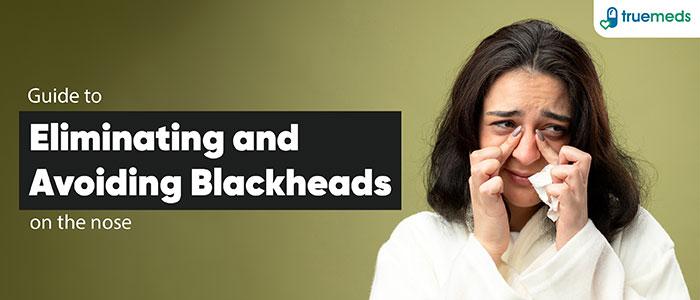
How to Remove Blackheads from Nose at Home: Best Remedies & Prevention Tips
Last updated on : 01 Dec, 2025
Read time : 9 min
Blackheads are a common skin concern that often appear on the nose, forehead, and chin. They form when pores get clogged with oil and dead skin cells. While they can be stubborn, a few safe, evidence-based home care methods and prevention tips may help manage them. In this article, we’ll explore simple methods you can try at home, along with professional treatments and precautions to prevent blackheads from coming back.
What are Blackheads?
Blackheads, which often appear as tiny, dark spots on the skin, are a common skincare issue that many individuals experience. They usually appear on the nose, forehead, and chin, places where the skin is more likely to be oily. These bothersome imperfections are a form of acne called open comedones that arises from clogged hair follicles filled with a mixture of dead skin cells and sebum, the oily substance released by the sebaceous glands in your skin. The dark appearance of blackheads is a result of their open nature, which allows the contained debris to oxidise when exposed to air, setting them apart from whiteheads (closed comedones) [1].
Blackheads are a non-inflammatory form of acne, but they can still be challenging to manage. If left untreated, they can cause irritation and enlarged pores, as well as alter the skin’s texture. Regular gentle washing and exfoliation are two effective skin care habits that can help prevent and reduce the appearance of blackheads. However, washing too frequently, especially with harsh scrubs, can irritate the skin and cause more oil production, which may exacerbate blackhead formation [2].
What Causes Blackheads?
Blackheads form due to a complex interaction of factors that lead to the blockage of the hair follicle. Several factors cause blackhead formation:
- Excess Sebum Production: Pore blockages may result from overactive sebaceous glands producing excessive oil.
- Improper Cell Shedding (Retention Hyperkeratosis): Improper shedding of dead skin cells can cause them to accumulate and clog pores.
- Hormonal Changes: Changes in hormones, particularly during puberty, menstruation, or when taking certain medications, can lead to increased oil production [3].
- Comedogenic Skincare Items: Products that are too thick or oily, often referred to as comedogenic, may clog pores.
- Diet: Some observational studies suggest that a diet high in refined carbohydrates and dairy may influence acne severity and blackhead formation, though more rigorous evidence is needed [4].
- Genetics: Predisposition to pore size and sebum production means some people are genetically susceptible to developing more blackheads than others.
Evidence-Based Methods for Blackhead Removal
Blackhead management involves both gentle at-home care and targeted treatments recommended by dermatologists.
Dermatologist-Recommended Topical Treatments
The following over-the-counter (OTC) and prescription-strength agents are highly effective for treating and preventing blackheads by addressing the underlying cause of pore blockage [5]:
- Salicylic Acid (BHA): Salicylic acid is a beta-hydroxy acid (BHA) that is lipid-soluble, allowing it to penetrate into pores, helping to dissolve keratin plugs and reduce sebum buildup. Regular use of OTC products containing 0.5–2% salicylic acid can improve blackhead-prone areas by promoting cell turnover and keeping follicles clear.
- Topical Retinoids: Topical retinoids (like adapalene, tretinoin, or tazarotene) normalise the desquamation of skin cells and prevent the clogging of hair follicles, which is the primary mechanism of blackhead formation (comedogenesis). They enhance cell turnover, reduce the formation of comedones, and improve overall skin texture over several weeks of consistent use [6]. OTC adapalene 0.1% is a common starting point; retinoids should be applied at night and can cause mild irritation initially, so gradual introduction is advisable.
- Benzoyl Peroxide: Benzoyl peroxide has antimicrobial properties against Cutibacterium acnes and also helps reduce excess oil. While it is more commonly used for inflammatory acne, it can also help prevent blackheads by supporting pore clearance. Dermatologists often recommend starting with low strengths (2.5–5%) to minimise dryness [5].
At-Home Mechanical and Topical Methods
Blackhead removal at home is safe when done with the appropriate, gentle methods and supplies:
- Steaming: Steaming opens pores, making blackhead removal easier. For around five to ten minutes, place a towel over your head and bend over a bowl of comfortably hot water. This is a preparatory step, not a removal method itself.
- Blackhead Extractor Tool: This method can help remove blackheads without excessive pressure or skin damage, which can lead to scarring. Use only after steaming and ensure the tool is thoroughly cleaned (sterilised with rubbing alcohol) before and after each usage. Avoid using fingernails.
- Clay and Charcoal Masks: These masks work by adsorbing oils and impurities from the skin surface, reducing the likelihood of pore blockage. Clay (especially kaolin or bentonite) absorbs sebum and debris, while activated charcoal binds to micro-particles [5]. Used 1–2 times per week, they can complement medical treatments.
- Pore Strips (Temporary Relief): Pore strips adhere to the skin and mechanically lift oxidised plugs from pores, offering short-term removal of visible blackheads. While they provide immediate cosmetic improvement, they do not address the underlying causes, and blackheads may recur quickly [5].
- Green Tea Preparation: Combine green tea leaves with water to make a paste. Apply it to your nose and let it sit for ten to fifteen minutes before washing it off. Green tea contains polyphenols with antioxidant and anti-inflammatory effects, and some clinical trials suggest it may help regulate sebum production and reduce acne lesions [7],[8].
- Honey and Cinnamon Mask: Mix honey and cinnamon to create a thick paste. Apply it to your nose, then rinse it off after ten to fifteen minutes. Honey provides natural antimicrobial qualities, and cinnamon may have stimulating properties. This should be used cautiously on sensitive skin.
- Gentle Exfoliation: Use a mild exfoliant containing salicylic or glycolic acid (an AHA) to remove dead skin cells and prevent clogged pores. Avoid harsh, physical scrubs with jagged particles like crushed nuts, as they can cause micro-tears and irritation.
Crucial Safety Note: It’s important to avoid squeezing or picking at blackheads with your fingers to prevent introducing bacteria, causing irritation, and leading to potential post-inflammatory hyperpigmentation or scarring.
Addressing Common Home Remedies and Misconceptions
While many home remedies are widely discussed, it is crucial to understand the scientific basis and potential risks:
- Baking Soda and Water: The use of baking soda (sodium bicarbonate) as an exfoliator is generally discouraged by dermatologists. Baking soda is highly alkaline (high pH), which can disrupt the skin’s natural, slightly acidic pH balance (the acid mantle). This disruption can impair the skin barrier, leading to dryness, irritation, and potentially making acne and blackheads worse.
- Lemon Juice and Honey: Applying a mixture of lemon juice and honey to your nose. Rinse after 10 to 15 minutes. Honey has antibacterial properties, and lemon juice is a natural astringent. Caution should be exercised with lemon juice, as its high acidity can be irritating, and it can cause phototoxicity (severe sun sensitivity and burns).
Takeaway
Although blackheads can be an enduring and annoying issue, they can be successfully handled with the correct information and methods. You can maintain clear, healthy skin by lea3rning how blackheads occur and implementing a consistent preventive skincare regimen into your routine. Blackhead management alternatives are numerous and safe, available through both gentle at-home methods and effective professional treatments like topical retinoids and salicylic acid. Always remember to treat your skin gently and avoid harsh scrubs or excessive washing, as they may exacerbate the issue.
Frequently Asked Questions (FAQs)
Why is my nose full of blackheads?
Your nose may be full of blackheads due to a high concentration of sebaceous glands in the T-zone, leading to excess oil production, clogged pores from dead skin cells and sebum, hormonal changes, or using skincare products that block pores (comedogenic products).
How to remove blackheads in 5 minutes?
While it’s challenging to completely remove blackheads in just 5 minutes, using a pore strip can offer quick, temporary results. Apply the strip to a wet nose, let it dry, and then peel it off to remove the visible portion of blackheads instantly. This does not prevent them from recurring.
How to remove blackheads from the nose?
Blackheads, which are black spots on the nose, can be removed by consistent daily cleansing with products containing salicylic acid, using exfoliating scrubs, applying clay masks, and using pore strips for a quick fix.
Does toothpaste remove blackheads?
Using toothpaste to remove blackheads is strongly not recommended as it contains ingredients like alcohol, menthol, and baking soda that can significantly irritate the skin, cause dryness or redness, and potentially lead to chemical burns or post-inflammatory hyperpigmentation. It’s best to use products specifically designed for blackhead removal, like those with salicylic acid or retinoids.
How to safely remove blackheads?
Safely remove blackheads by steaming your face to open pores, using gentle chemical exfoliants like salicylic acid, applying clay or charcoal masks, and using a sterilised blackhead extractor tool with minimal pressure. Avoid squeezing them with your fingers to prevent skin damage and infection.
How to remove blackheads from the nose at home?
To remove blackheads from your nose at home, start by steaming your face to open up the pores. This can be done by leaning over a bowl of hot water with a towel over your head for about 5–10 minutes. Then, gently exfoliate with a salicylic acid cleanser or treatment or use a sterilised blackhead extractor tool to remove the blackheads carefully. Always follow up with a non-comedogenic moisturiser.
References
[1] Ayer, J., & Burrows, N. (2006). Acne: More than skin deep. Postgraduate Medical Journal, 82(970), 500–506. https://doi.org/10.1136/pgmj.2006.045377
[2] Fox, L. T., Csongradi, C., Aucamp, M., Du Plessis, J., & Gerber, M. (2016). Treatment modalities for acne. Molecules, 21(8), 1063. https://doi.org/10.3390/molecules21081063
[3] InformedHealth.org. (2022, December 5). Acne: Overview. National Center for Biotechnology Information (US). https://www.ncbi.nlm.nih.gov/books/NBK279211/
[4] View of association between diet and acne severity: A cross-sectional study in Thai adolescents and adults. (n.d.). Acta Dermato-Venereologica. Retrieved from https://medicaljournalssweden.se/actadv/article/view/569/1222
[5] Anjarwati, R. A., Hariadini, A. L., & Ebtavanny, T. G. (2025). The knowledge and practice in the self-medication use of topical benzoyl peroxide and clindamycin. Pharmaceutical Journal of Indonesia, 10(2). Retrieved from https://pji.ub.ac.id/index.php/pji/article/view/866
[6] Leyden, J., Stein-Gold, L., & Weiss, J. (2017). Why topical retinoids are standard care for acne. Dermatology and Therapy, 7(3), 293–304. https://doi.org/10.1007/s13555-017-0181-2
[7] Kim, S., Park, T. H., Kim, W. I., Park, S., Kim, J. H., & Cho, M. K. (2020). The effects of green tea on acne vulgaris: A systematic review and meta-analysis of randomized clinical trials. Phytotherapy Research, 35(1), 374–383. https://doi.org/10.1002/ptr.6809
[8] Asumah, O., & Oparaeche, N. (2023). A comparative study on the effects of Camellia sinensis extract and salicylic acid topical formulation on selected students with acne vulgaris. ChemRxiv. Retrieved from https://chemrxiv.org/engage/chemrxiv/article-details/652cfa658bab5d205573bd37














Disclaimer
Our healthcare experts have carefully reviewed and compiled the information presented here to ensure accuracy and trustworthiness. It is important to note that this information serves as a general overview of the topic and is for informational purposes only. It is not intended to diagnose, prevent, or cure any health problem. This page does not establish a doctor-patient relationship, nor does it replace the advice or consultation of a registered medical practitioner. We recommend seeking guidance from your registered medical practitioner for any questions or concerns regarding your medical condition.
Popular Articles

Recommended Articles

Recent Articles







Company
About UsHealth ArticleHealth StoriesDiseases & Health ConditionsAyurvedaAll MedicinesAll BrandsNeed HelpFAQSecuritySubscribe
Registered Office Address
Grievance Officer
Download Truemeds


Contact Us
Our customer representative team is available 7 days a week from 9 am - 9 pm.
v4.8.1

2025 - Truemeds | All rights reserved. Our content is for informational purposes only. See additional information.
Our Payment Partners