

- Medicines
- Personal Care
- Skin Cream
- Sunscreen
- Face Wash
- Skin and Body Soap
- Acne Care
- Body Lotions
- Moisturising Lotion
- Moisturising Cream
- Mosquito Repellent
- Moisturising Gel
- Body Wash
- Hair Oils
- Hair Shampoo
- Hair Conditioners
- Hair Supplements
- Hair Colour
- Hair Serum
- Hair Mask
- Hair Solutions
- Baby Diapers and Wipes
- Baby Lotion and Moisturising Cream
- Baby Bath Essentials
- Baby Skin Care
- Baby and Infant Food
- Baby Healthcare
- Women Multivitamins
- Ovulation Test Kit and Women Intimate Care
- Sanitary Pads
- Nutritional Drinks
- Condoms
- Lubricants
- Massage Gels
- Personal Body Massagers
- Men Performance Booster
- Sexual Health Supplements
- Massage Oils
- Ayurveda
- Tooth Paste
- Mouth Ulcer Gel
- Mouthwash
- Toothache and Gum Pain
- Tooth Brush
- Gargle Solution
- Orthopaedic Supports
- Adult Diapers
- Footwear
- Mobility and Support Accessories
- Urinary Support and Care
- Health Conditions
- Bone and Joint Care
- Digestive Care
- Eye Care
- Pain Relief
- Smoking Cessation
- Liver Care
- Stomach Care
- Cold and Cough
- Heart Care
- Kidney Care
- Piles, Fissures & Fistula
- Respiratory Care
- Mental Wellness
- Derma Care
- Pre and Probiotics
- Acidity
- Gas
- Constipation
- Loose Motion/Diarrhoea
- Digestive Fibres
- Digestive Enzymes
- Eye Lubricant Drops
- Lens Solution
- Safety Eye Wear
- Eye Cream
- Eye Vitamins and Supplements
- Eye Drops
- Eye Ointment and Gel
- Nicotine Patch
- Nicotine Gum
- Nicotine Lozenges
- Cough Syrups
- Chest Rubs and Balms
- Nasal Spray
- Lozenges
- Inhalant Capsules
- Cold and Cough Tablets
- Vitamins & Supplements
- Diabetes Care
- Healthcare Devices
- Homeopathic Medicine
- Health Guide
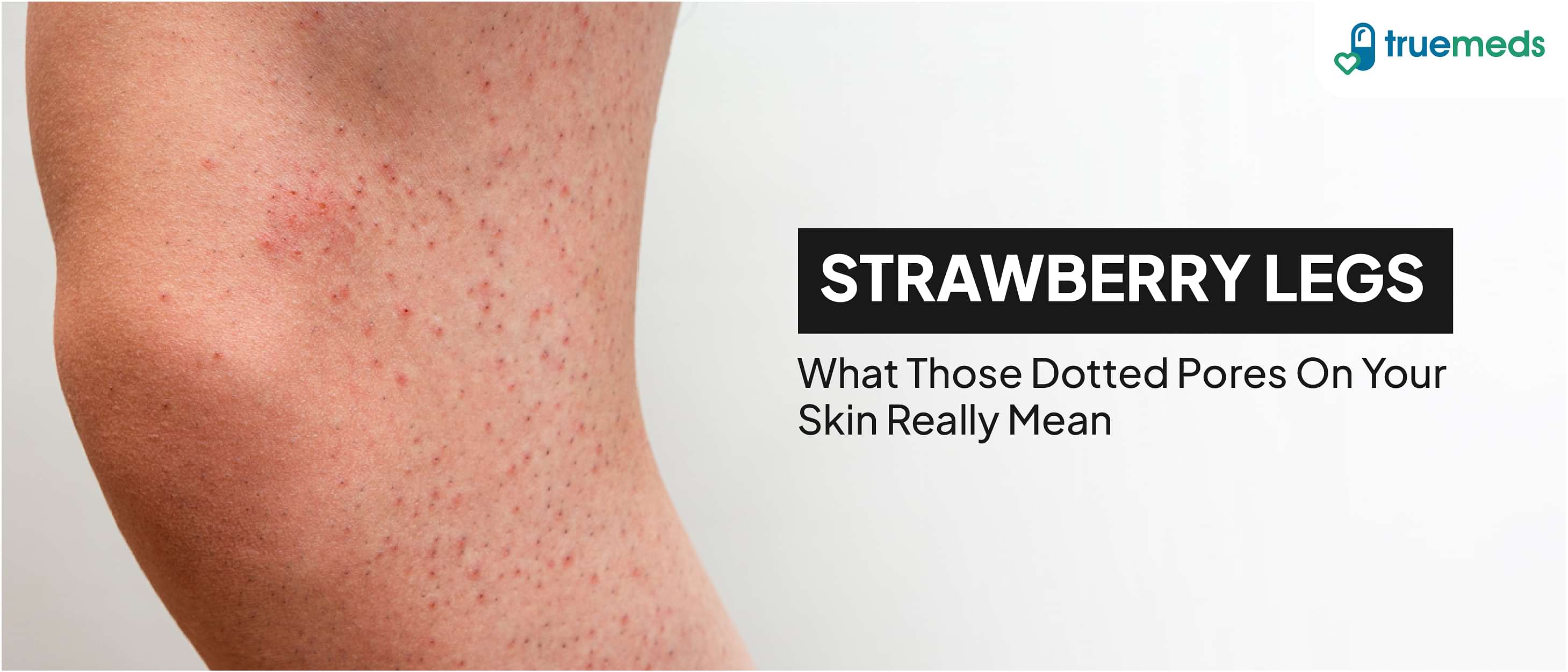
How to Get Rid of Strawberry Legs: Causes, Symptoms, Treatments, and Home Remedies
Last updated on : 01 Dec, 2025
Read time : 11 min
Do you find yourself feeling self-conscious about the appearance of small, dark spots on your legs that resemble the seeds of a strawberry? You’re not alone. If you’ve noticed small, dark spots on your legs that resemble the seeds of a strawberry, you might be dealing with a condition commonly referred to as “strawberry legs” or more formally, comedones (clogged pores) or folliculitis that cause this appearance. While the condition is typically harmless, these marks can be a source of aesthetic concern for many. It is a common occurrence, especially after shaving [1]. Fortunately, understanding what causes strawberry legs and adopting an appropriate skincare routine can help improve their appearance and prevent recurrence.
What are Strawberry Legs?
“Strawberry legs” is a colloquial term used to describe the appearance of small, dark spots on the legs, typically resembling the seeds on a strawberry’s surface. These spots are usually noticeable after shaving or other hair removal methods and are generally harmless. The dark spots are caused by hair follicles or pores that have become clogged. These pores contain a mixture of oil, bacteria, and dead skin cells, which when exposed to air, may oxidise. This oxidation causes the trapped material to darken, creating the characteristic dark dot appearance of strawberry legs [1]. While this condition is not a serious health concern, it can be aesthetically bothersome for many people.
What Causes the Appearance of Dark Dots?
Several factors related to skincare and hair removal can contribute to the development of dark dots on the legs. Let’s take a closer look at the key causes:
1. Improper Shaving Technique
Improper shaving is a common cause of this appearance. Using a dull razor or shaving without proper lubrication can lead to razor burn, ingrown hairs, and micro-cuts that irritate the skin. This irritation and micro-damage can trigger inflammation, which may then clog pores and cause the dark spots [1]. Always use a sharp razor and a moisturising shaving cream or gel to reduce the risk of irritation.
2. Clogged Pores (Open Comedones)
Clogged pores, caused by oil, bacteria, and dead skin cells, can lead to the development of dark spots. The oil inside the follicle oxidises, creating the characteristic darkened appearance. Regular gentle exfoliation and moisturisation can help prevent clogged pores.
3. Folliculitis
Folliculitis is an inflammation or infection of the hair follicles [2]. It can cause tiny red bumps that darken over time, contributing to the “strawberry” appearance. It often results from shaving, waxing, or excessive sweating [2]. Consult a doctor if you suspect folliculitis for proper treatment, as this may require prescription topical or oral antibiotics.
4. Keratosis Pilaris (KP)
Keratosis pilaris (KP) is characterised by small, rough bumps from dead skin cell plugs (keratin) accumulating in the hair follicle opening [3]. While KP on its own typically appears as skin-colored or red bumps, the resulting roughness and irritation can make the dark spots from clogged pores or ingrown hairs (the “strawberry legs” appearance) more noticeable. Regular exfoliation and moisturisation focused on chemical exfoliants like Lactic or Glycolic acid can help manage this condition and reduce the appearance of both KP and dark spots [4].
5. Overly Dry Skin
Dry skin exacerbates the symptoms of strawberry legs. Shaving dry skin can lead to razor burns and micro-cuts, making dark spots more visible. Keep your skin hydrated with a post-shave moisturising lotion or cream to reduce the appearance of dark spots.
Note on DIY Strawberry Mask: While the natural acids in strawberries (alpha-hydroxy acids) and yoghurt, along with honey’s humectant properties, may offer some gentle exfoliation and moisture, this remedy lacks primary source evidence and consistency for efficacy against true medical conditions like Folliculitis or Keratosis Pilaris. We recommend focusing on clinically proven treatments.
Symptoms of Strawberry Legs
The key symptoms of this common skin presentation include:
- Dark Spots: Small, darkened dots resembling strawberry seeds, caused by clogged and oxidised hair follicles or pores.
- Ingrown Hairs: Red, itchy, or sometimes painful bumps resulting from hair curling back and growing into the skin after shaving or waxing.
- Folliculitis: Tiny red bumps that may become pustules (pus-filled), often itchy or irritated, indicating an inflamed or infected follicle [2].
- Rough, Bumpy Texture: This is often associated with Keratosis Pilaris (KP), especially on the thighs, resembling goosebumps.
- Post-Shave Irritation: Dryness, razor burn, and persistent irritation that worsens the appearance of dark spots.
Symptoms may overlap with other skin conditions, such as eczema or keratosis pilaris. Thus, it is advised to consult with your dermatologist if you have persistent skin concerns.
Risks and Treatment Approaches
Although dark spots on the legs are generally not a serious condition, they can pose certain risks if left untreated or if the underlying cause is an infection. The primary concern is the potential for secondary skin infections, mainly if the condition is caused by folliculitis or ingrown hairs [2]. These infections can spread and worsen if the affected area is scratched or picked at. Moreover, repeated irritation from hair removal methods, such as shaving, can lead to more pronounced and persistent dark spots on the skin. Fortunately, several treatment options are available to effectively manage this common aesthetic concern.
Treatment Strategies
Improving the appearance of dark spots can be managed effectively with a combination of home care and professional treatments. Here are some strategies that may help you achieve smoother, clearer skin.
1. Home and Over-the-Counter Care
- Chemical Exfoliation: Products with Alpha Hydroxy Acids (AHAs) like glycolic or lactic acid, or Beta Hydroxy Acids (BHAs) like salicylic acid, are highly effective. AHAs remove dead skin cells and improve skin texture [4], while salicylic acid is oil-soluble, allowing it to penetrate and clear pores more deeply [5].
- Moisturisation: Moisturising is crucial. Use rich creams containing ceramides, jojoba oil, glycerin, or shea butter to lock in moisture and keep skin soft and smooth. Apply after exfoliating or showering for better absorption.
- Warm Compress: A warm compress reduces inflammation from ingrown hairs.
- Aloe Vera: Aloe vera soothes irritation and redness.
- Physical Exfoliation: Gentle exfoliating with a scrub or washcloth may help remove surface dead skin but should be used sparingly to avoid irritating the skin, which can worsen inflammation and dark spots.
2. Professional and Medical Treatments
If home remedies don’t work, consult a dermatologist. They can prescribe targeted treatments:
- Prescription Treatments: For conditions like moderate-to-severe folliculitis or infected ingrown hairs, a dermatologist can prescribe topical antibiotics or antifungal treatments [2].
- In-Office Chemical Peels: Higher concentration chemical peels can be used to treat severe hyperpigmentation (dark spots) and roughness caused by conditions like Keratosis Pilaris [4].
- Laser Hair Removal: This is considered the most effective long-term solution for eliminating the ‘strawberry legs’ appearance caused by ingrown hairs and folliculitis [1]. By destroying the hair follicle, it prevents the source of the clog or infection. Multiple sessions are required, and the treatment is not universally effective for all hair and skin types. Risks include temporary redness, swelling, or changes in pigmentation [1].
- Electrolysis: This is another permanent hair removal method that destroys the hair root with an electric current and can also reduce the incidence of ingrown hairs and folliculitis.
Prevention of Dark Spots
Preventing the appearance of dark spots is all about maintaining a proper skincare routine and adopting the right hair removal techniques.
Here are some key pointers that may help you keep your legs looking smooth and healthy:
- Shaving Prep: Use a new, sharp razor blade for every 1-2 shaves and apply a thick shaving cream or gel to reduce friction and minimise irritation and ingrown hairs. Shave in the direction of hair growth or only gently against it to reduce follicle irritation.
- Consider Alternatives: Consider professional waxing or IPL/Laser to remove hair by the root, which can decrease the chance of ingrown hairs. However, be cautious of potential follicle damage or irritation from waxing, and ensure proper pre- and post-care.
- Exfoliate Regularly: Use a chemical exfoliant (containing AHAs/BHAs) 2-3 times per week to unclog pores and remove dead skin.
- Dry Brushing: Try dry brushing with a soft-bristle brush prior to showering to gently remove dead skin cells before shaving.
- Hydrate: Keep your skin hydrated with moisturisers containing ingredients like urea, lactic acid, salicylic acid, or hyaluronic acid, as these address both dryness and cell turnover.
- Clothing: Avoid tight clothing, especially during workouts, to reduce friction and the risk of folliculitis.
- Cleansing: Use antibacterial cleansers regularly if you are prone to folliculitis to limit bacteria and prevent infections.
When to See a Doctor
If home remedies for dark spots on the legs aren’t working, consult a dermatologist, especially if you suspect an infection like folliculitis [2]. A dermatologist can perform a physical examination and prescribe stronger treatments, such as oral or topical antibiotics or antifungal treatments. Regular skin checkups are also recommended to maintain skin health and catch potential issues early. Don’t hesitate to seek professional help if you’re concerned about your skin’s appearance or health.
Conclusion
“Strawberry legs” are common and typically benign, but they can affect self-confidence. The key to reducing their appearance lies in a consistent and targeted skincare regimen, such as gentle chemical exfoliation, proper shaving techniques, and regular moisturising [1]. For more persistent or bothersome cases, professional dermatological treatment like prescription topical agents or laser hair removal may be necessary. With the right approach, you can achieve clearer, smoother legs and prevent future flare-ups.
Frequently Asked Questions (FAQs)
How do I get rid of my strawberry legs?
Regular chemical exfoliation (with AHAs/BHAs), using salicylic acid products, proper shaving techniques, and consistent moisturising are key.
What triggers strawberry legs?
The primary triggers are clogged pores from dirt, dead skin, oil, and bacteria, as well as improper shaving or underlying skin conditions like Keratosis Pilaris and Folliculitis.
Are strawberry legs healthy?
The appearance itself is usually harmless, but it can indicate irritation or an infection (like folliculitis) in some cases.
Does vitamin C get rid of strawberry legs?
Vitamin C helps nourish skin and may reduce hyperpigmentation over time but does not directly eliminate the clogging or inflammation that causes the “strawberry” appearance.
Why do my legs still look hairy after I shave?
Legs may look hairy due to ingrown hairs, razor burn, the darkening of hair roots beneath the skin’s surface, or skin texture issues like Keratosis Pilaris.
Can waxing remove strawberry legs?
Waxing removes hair from the root, which can help prevent the dark dot appearance from clogged follicles. However, if not done correctly, it can also cause inflammation and increase the risk of folliculitis or ingrown hairs, potentially worsening the appearance temporarily.
Does shaving cause strawberry legs?
Shaving is a common contributing factor, as it can cause micro-cuts, ingrown hairs, razor burn, or folliculitis, all of which worsen the condition.
Is strawberry skin genetic?
While Keratosis Pilaris (which mimics the appearance) has a strong genetic component, the general “strawberry legs” appearance from clogged pores and shaving is primarily caused by environmental factors and skincare habits.
Is coconut oil good for strawberry legs?
Coconut oil is highly comedogenic (pore-clogging) and may not be ideal for strawberry legs, as it could worsen the underlying clogged pore issue. Other moisturisers like shea butter, jojoba oil, or glycerin-based lotions are more effective.
What lotion is best for strawberry legs?
Lotions with chemical exfoliants (like lactic or salicylic acid), humectants (glycerin), and emollients (jojoba oil or shea butter) are best for treating and preventing the appearance.
References
[1] Gholam, A., Alajaji, I., & Alajaji, A. (2022). Laser Hair Removal and its Effect on Common Dermatologic Conditions. International Journal of Case Reports and Images (IJCRI), 13(7). http://www.ijcasereportsandimages.com/archive/fulltext/2022/001/IJCRI-007.pdf
[2] Levin, E. J., & Routhouska, S. B. (2021). Folliculitis: Recognition and Management. The Journal of Family Practice, 70(7), 302–306. https://www.mdedge.com/familymedicine/article/243775/dermatology/folliculitis-recognition-and-management
[3] Pennycook, K. B., & McCready, T. A. (2024). Keratosis Pilaris. StatPearls Publishing. https://www.ncbi.nlm.nih.gov/books/NBK546708/
[4] Maghfour, J., Ly, S., Haidari, W., Taylor, S. L., & Feldman, S. R. (2020). Treatment of keratosis pilaris and its variants: a systematic review. Journal of Dermatological Treatment, 33(3), 1–12. https://doi.org/10.1080/09546634.2020.1818678
[5] Lu, J., Cong, T., Wen, X., Li, X., Du, D., & Jiang, X. (2023). Salicylic acid as a peeling agent: a comprehensive review. Clinical, Cosmetic and Investigational Dermatology, 16, 1537–1552. https://doi.org/10.2147/CCID.S414512














Disclaimer
Our healthcare experts have carefully reviewed and compiled the information presented here to ensure accuracy and trustworthiness. It is important to note that this information serves as a general overview of the topic and is for informational purposes only. It is not intended to diagnose, prevent, or cure any health problem. This page does not establish a doctor-patient relationship, nor does it replace the advice or consultation of a registered medical practitioner. We recommend seeking guidance from your registered medical practitioner for any questions or concerns regarding your medical condition.
Popular Articles


Recommended Articles


Recent Articles









Company
About UsHealth ArticleHealth StoriesHealth LibraryDiseases & Health ConditionsAyurvedaAll MedicinesAll BrandsNeed HelpFAQSecuritySubscribe
Registered Office Address
Grievance Officer
Download Truemeds


Contact Us
Our customer representative team is available 7 days a week from 9 am - 9 pm.
v4.9.0

2025 - Truemeds | All rights reserved. Our content is for informational purposes only. See additional information.

Our Payment Partners




