

- Medicines
- Personal Care
- Skin Cream
- Sunscreen
- Face Wash
- Skin and Body Soap
- Acne Care
- Body Lotions
- Moisturising Lotion
- Moisturising Cream
- Mosquito Repellent
- Moisturising Gel
- Body Wash
- Hair Oils
- Hair Shampoo
- Hair Conditioners
- Hair Supplements
- Hair Colour
- Hair Serum
- Hair Mask
- Hair Solutions
- Baby Diapers and Wipes
- Baby Lotion and Moisturising Cream
- Baby Bath Essentials
- Baby Skin Care
- Baby and Infant Food
- Baby Healthcare
- Women Multivitamins
- Ovulation Test Kit and Women Intimate Care
- Sanitary Pads
- Nutritional Drinks
- Condoms
- Lubricants
- Massage Gels
- Personal Body Massagers
- Men Performance Booster
- Sexual Health Supplements
- Massage Oils
- Ayurveda
- Tooth Paste
- Mouth Ulcer Gel
- Mouthwash
- Toothache and Gum Pain
- Tooth Brush
- Gargle Solution
- Orthopaedic Supports
- Adult Diapers
- Footwear
- Mobility and Support Accessories
- Urinary Support and Care
- Health Conditions
- Bone and Joint Care
- Digestive Care
- Eye Care
- Pain Relief
- Smoking Cessation
- Liver Care
- Stomach Care
- Cold and Cough
- Heart Care
- Kidney Care
- Piles, Fissures & Fistula
- Respiratory Care
- Mental Wellness
- Derma Care
- Pre and Probiotics
- Acidity
- Gas
- Constipation
- Loose Motion/Diarrhoea
- Digestive Fibres
- Digestive Enzymes
- Eye Lubricant Drops
- Lens Solution
- Safety Eye Wear
- Eye Cream
- Eye Vitamins and Supplements
- Eye Drops
- Eye Ointment and Gel
- Nicotine Patch
- Nicotine Gum
- Nicotine Lozenges
- Cough Syrups
- Chest Rubs and Balms
- Nasal Spray
- Lozenges
- Inhalant Capsules
- Cold and Cough Tablets
- Vitamins & Supplements
- Diabetes Care
- Healthcare Devices
- Homeopathic Medicine
- Health Guide
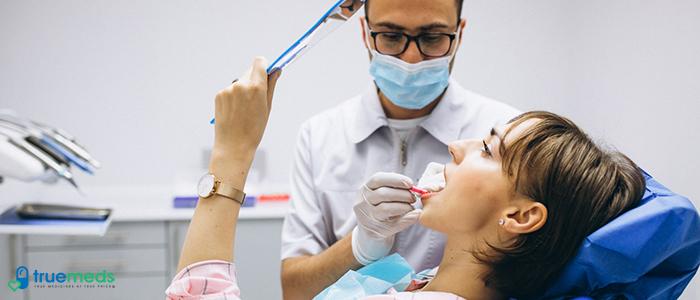
Essential Dental Care Tips from Dentists
Last updated on : 13 Nov, 2025
Read time : 9 min
What does dental care mean?
Good oral hygiene, often referred to as dental care, involves the cleaning and maintenance of your teeth, gums, and tongue to prevent issues like tooth decay and gum disease [1]. It primarily includes regular brushing, flossing, and professional dental check-ups. While the term oral care sometimes includes broader concerns like speech or swallowing, for the general population, dental care is the foundation of a healthy mouth.
Overview of the Importance of Dental Care
Maintaining good oral and dental health is vital for your entire body [2]. When you experience dental issues like cavities or gum disease, it can cause pain, bad breath, and difficulty eating or speaking.
What many people may not realize is that poor oral health is linked to systemic conditions outside the mouth, such as heart disease and diabetes [3].
- Heart Health: Research suggests that the bacteria causing gum disease (periodontitis) can enter the bloodstream, potentially contributing to inflammation that affects the heart and blood vessels, which may increase the risk of heart disease, clogged arteries, and stroke [4].
- Diabetes: Diabetes can lower the body’s ability to fight off infections, making the gums more susceptible to inflammation and infection [5]. Conversely, gum disease can make it harder to control blood sugar levels, creating a two-way relationship [5].
- Pregnancy: Infections of the gums, such as periodontitis, have been associated with an increased risk of preterm birth and low birth weight in pregnant women [3].
Good dental hygiene is therefore crucial for preventing oral diseases, and prevention must be the primary objective.
Effective Dental Care Tips for Maintaining Oral Health
A) Brushing Your Teeth Twice a Day
It is essential to brush your teeth twice a day—once in the morning and once before bed. Brushing twice daily has numerous advantages:
- It Eliminates Plaque and Bacteria: Your mouth is constantly producing a sticky film of bacteria called plaque. Brushing twice a day, especially before bedtime, helps to physically remove this plaque [1]. If plaque is not removed, germs can produce acids that damage tooth enamel, leading to cavities, and contribute to halitosis (bad breath) [6].
- It Protects Your Gums: Plaque, bacteria, and hardened plaque (tartar) are detrimental to gum health, leading to gingivitis and more severe gum infections [6]. Consistent brushing helps keep your gums firm and healthy.
- It Supports Overall Health: As noted, maintaining excellent oral hygiene, including brushing twice a day, is an important part of your overall preventative health strategy, given the links between oral infections and systemic conditions like heart disease and diabetes [3].
B) Flossing Daily
The American Dental Association (ADA) recommends using an interdental cleaner, such as floss, to clean between your teeth at least once a day [7].
- Flossing Removes Hidden Plaque: Cleaning between your teeth helps remove plaque from surfaces a toothbrush can’t reach, preventing the buildup that causes cavities and gum disease [6].
- Prevents Tartar Buildup: If you don’t remove plaque, it can harden into tartar, a rough substance that builds up along your gum line [7]. Once tartar forms, only your dentist or dental hygienist can remove it through professional cleaning [7].
Using an interdental cleaner (such as floss) is an essential part of caring for your teeth and gums. The U.S. Department of Health and Human Services has also affirmed that flossing is an important oral hygiene practice [7].
If you consume sugary drinks or snacks, rinse your mouth with water immediately after to flush out any remaining sugar. It’s also a good idea to use fluoride-containing toothpaste, as fluoride helps strengthen tooth enamel and may prevent cavities [1]. Your dentist can also apply concentrated fluoride directly to your teeth as a preventive measure.
C) Use of Fluoride Toothpaste
One of the most effective ways to prevent cavities is to brush your teeth thoroughly with fluoride toothpaste [1]. Fluoride is a naturally occurring mineral that protects teeth from acid damage caused by plaque bacteria and sugars [1].
Key Recommendations for Fluoride Toothpaste Use [8]:
|
Age Group |
Frequency | Amount of Toothpaste |
Fluoride Concentration (ppm) |
| Children under 3 | Twice a day | Smear (size of a grain of rice) | At least 1,000 ppm |
| Children 3–6 years | Twice a day | Pea-sized amount | More than 1,000 ppm |
| Adults and Children over 7 | At least twice daily | Pea-sized amount | 1,350-1,500 ppm |
After brushing, adults and children should spit out the toothpaste rather than rinse their mouth vigorously with water. This allows a small amount of fluoride to remain on the teeth for maximum benefit [8].
Do not brush your teeth immediately after using a fluoride mouthwash. Doing so can wash away the concentrated fluoride from the toothpaste; use them at different times of the day [8].
D) Using Mouthwash
When you browse the oral care aisle, the variety of mouthwashes can be overwhelming, with labels promising to fight cavities, freshen breath, or kill germs.
Consulting with your dentist is the best first step if you are considering adding mouthwash to your routine, especially if you have a specific condition like gum disease, dry mouth, or persistent bad breath. They may recommend a non-prescription rinse or a prescription mouthwash with stronger antimicrobial qualities.
- Antimicrobial Ingredients: Ingredients like chlorhexidine and triclosan (though less common now) are widely used in mouthwashes to combat plaque and bacteria [9]. Chlorhexidine, for example, is a broad-spectrum antiseptic often used as an adjunct to professional periodontal therapy [10]. It’s important to note that chlorhexidine can cause side effects, including temporary tooth staining and taste alteration, so it is typically reserved for short-term or specific therapeutic use under a dentist’s direction [11].
- Purpose: The Indian Dental Association (IDA) emphasizes that mouthwash can help remove bacteria or food particles from areas where a toothbrush and floss can’t easily reach, and many people use it to help freshen breath [9]. Some over-the-counter mouthwashes contain fluoride to help prevent cavities.
Key Point: Mouthwash is not a substitute for brushing and flossing [9]. Always ensure you brush your teeth twice a day and floss once a day. Follow the specific directions provided by your dentist or the instructions on the bottle.
The Indian Dental Association advises looking for the IDA Seal of Approval on oral care products, including toothpaste, as this indicates the product meets their standards for safety and efficacy [12].
E) Visit the Dentist Regularly
It is vital to schedule regular appointments with your dentist for preventive check-ups and professional cleanings, not just when you have a problem [1].
- Early Detection is Key: Prevention is always better than treatment. Regular visits allow your dentist to identify any issues, such as early signs of cavities or gum disease, when they are easiest and least costly to treat [2].
- Personalized, Expert Advice: Your dentist has spent years training to be qualified in the field and can offer reliable, personalized advice based on a professional examination of your oral health needs. They should be your primary point of contact for concerns about your teeth and mouth [2].
The general recommendation is to see a dentist every six months [1]. However, your dentist will recommend a schedule tailored to your specific oral health status and risk factors.
Key Takeaways
- Maintaining excellent oral hygiene—brushing twice daily with fluoride toothpaste and flossing once daily—and visiting your dentist regularly can help you significantly reduce the risk of cavities and most periodontal diseases [1].
- While most people use a toothbrush and floss, interdental brushes, wooden sticks, and water flossers can be helpful alternatives for individuals with specific needs or dexterity issues [1].
- Chewing sugar-free gum stimulates saliva flow, which can help neutralize acids and is an excellent way to help prevent cavities [1].
- Approaches to oral health should be tailored to the lifestyles and needs of children, adults, and the elderly.
- The connection between oral health and overall health, especially for conditions like diabetes and heart disease, underscores why preventive dental care is a critical part of your overall well-being.
Disclaimer
This article is for informational purposes only and is not a substitute for professional medical advice, diagnosis, or treatment. Please consult a healthcare provider, such as a dentist or physician, before beginning any new wellness practice or making changes to your current routine, especially if you have an existing medical condition or are on medication.
References
[1] National Institute of Dental and Craniofacial Research. (2020, October). Oral hygiene. U.S. Department of Health and Human Services. https://www.nidcr.nih.gov/health-info/oral-hygiene
[2] National Institute on Aging. (2024, August 8). Taking care of your teeth and mouth. U.S. Department of Health and Human Services. https://www.nia.nih.gov/health/teeth-and-mouth/taking-care-your-teeth-and-mouth
[3] Mayo Clinic Staff. (2024, March 14). Oral health: A window to your overall health. Mayo Clinic. https://www.mayoclinic.org/healthy-lifestyle/adult-health/in-depth/dental/art-20047475
[4] Leng, Y., Hu, Q., Ling, Q., Yao, X., Liu, M., Chen, J., Yan, Z., & Dai, Q. (2023). Periodontal disease is associated with the risk of cardiovascular disease independent of sex: A meta-analysis. Frontiers in Cardiovascular Medicine, 10. https://doi.org/10.3389/fcvm.2023.1114927
[5] Centers for Disease Control and Prevention. (2024, May 15). Oral health and diabetes. U.S. Department of Health and Human Services. https://www.cdc.gov/diabetes/diabetes-complications/diabetes-and-oral-health.html
[6] American Dental Association. (n.d.). Brushing. https://www.mouthhealthy.org/en/brushing-flossing-and-rinsing/brushing
[7] American Dental Association. (2021, September 21). Dental Floss / Interdental Cleaners. https://www.ada.org/resources/ada-library/oral-health-topics/floss
[8] Oral Health Foundation. (2023). Toothbrushing. https://www.dentalhealth.org/toothbrushing
[9] Indian Dental Association. (n.d.). Mouthwashes. https://www.ida.org.in/Public/Health-Tips/Mouthwashes
[10] Poppolo Deus, F., & Ouanounou, A. (2022). Chlorhexidine in Dentistry: Pharmacology, Uses, and Adverse Effects. International Dental Journal, 72(3), 269-277. https://doi.org/10.1016/j.identj.2022.01.005
[11] Pizzo, G., Licata, M. E., Pizzo, I., & D’Angelo, M. (2008). Chlorhexidine: An Antiseptic for Today and Tomorrow. Journal of Applied Oral Science, 16(1), 1-15. https://www.ncbi.nlm.nih.gov/pmc/articles/PMC4327311/
[12] Indian Dental Association. (2021). IDA Seal. https://idaseal.ida.org.in/













Disclaimer
Our healthcare experts have carefully reviewed and compiled the information presented here to ensure accuracy and trustworthiness. It is important to note that this information serves as a general overview of the topic and is for informational purposes only. It is not intended to diagnose, prevent, or cure any health problem. This page does not establish a doctor-patient relationship, nor does it replace the advice or consultation of a registered medical practitioner. We recommend seeking guidance from your registered medical practitioner for any questions or concerns regarding your medical condition.
Popular Articles


Recommended Articles



Recent Articles










Company
About UsHealth ArticleHealth StoriesHealth LibraryDiseases & Health ConditionsAyurvedaUnderstanding Generic MedicinesAll MedicinesAll BrandsNeed HelpFAQSecuritySubscribe
Registered Office Address
Grievance Officer
Download Truemeds


Contact Us
Our customer representative team is available 7 days a week from 9 am - 9 pm.
v4.10.0

2025 - Truemeds | All rights reserved. Our content is for informational purposes only. See additional information.

Our Payment Partners




