

- Medicines
- Personal Care
- Skin Cream
- Sunscreen
- Face Wash
- Skin and Body Soap
- Acne Care
- Body Lotions
- Moisturising Lotion
- Moisturising Cream
- Mosquito Repellent
- Moisturising Gel
- Body Wash
- Hair Oils
- Hair Shampoo
- Hair Conditioners
- Hair Supplements
- Hair Colour
- Hair Serum
- Hair Mask
- Hair Solutions
- Baby Diapers and Wipes
- Baby Lotion and Moisturising Cream
- Baby Bath Essentials
- Baby Skin Care
- Baby and Infant Food
- Baby Healthcare
- Women Multivitamins
- Ovulation Test Kit and Women Intimate Care
- Sanitary Pads
- Nutritional Drinks
- Condoms
- Lubricants
- Massage Gels
- Personal Body Massagers
- Men Performance Booster
- Sexual Health Supplements
- Massage Oils
- Ayurveda
- Tooth Paste
- Mouth Ulcer Gel
- Mouthwash
- Toothache and Gum Pain
- Tooth Brush
- Gargle Solution
- Orthopaedic Supports
- Adult Diapers
- Footwear
- Mobility and Support Accessories
- Urinary Support and Care
- Health Conditions
- Bone and Joint Care
- Digestive Care
- Eye Care
- Pain Relief
- Smoking Cessation
- Liver Care
- Stomach Care
- Cold and Cough
- Heart Care
- Kidney Care
- Piles, Fissures & Fistula
- Respiratory Care
- Mental Wellness
- Derma Care
- Pre and Probiotics
- Acidity
- Gas
- Constipation
- Loose Motion/Diarrhoea
- Digestive Fibres
- Digestive Enzymes
- Eye Lubricant Drops
- Lens Solution
- Safety Eye Wear
- Eye Cream
- Eye Vitamins and Supplements
- Eye Drops
- Eye Ointment and Gel
- Nicotine Patch
- Nicotine Gum
- Nicotine Lozenges
- Cough Syrups
- Chest Rubs and Balms
- Nasal Spray
- Lozenges
- Inhalant Capsules
- Cold and Cough Tablets
- Vitamins & Supplements
- Diabetes Care
- Healthcare Devices
- Homeopathic Medicine
- Health Guide
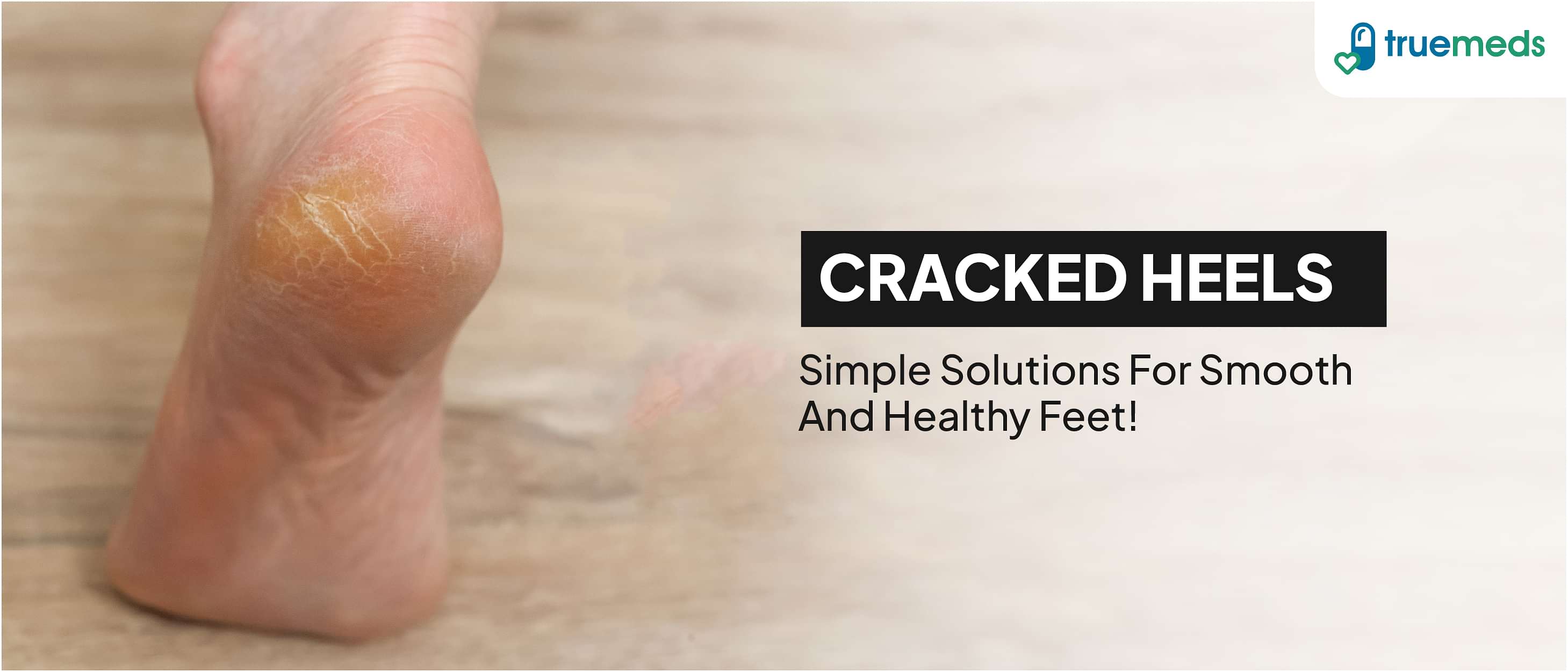
How to Treat Cracked Heels: Natural Remedies and Expert Tips
Last updated on : 01 Dec, 2025
Read time : 7 min
What are Cracked Heels?
Cracked heels, also known as heel fissures, occur when the skin on the heels becomes excessively dry, thickened, and begins to split. This condition is caused by factors like inadequate foot care, prolonged standing, or wearing open-back shoes. Cracked heels can be painful and unsightly, potentially leading to infections if left untreated. Regular moisturisation and appropriate footwear are crucial for prevention and management.
While often just a cosmetic concern, in severe cases, heel fissures can cause pain, bleeding, or even lead to localized infection.
If you notice signs of infection (such as persistent redness, swelling, increased warmth, pus, or throbbing pain), consult a healthcare provider promptly.
What Causes Cracked Heels?
Cracked heels are primarily caused by dry, thickened skin that loses elasticity and splits under pressure. Several factors contribute:
Leading Lifestyle and Environmental Factors
- Environmental exposure: Cold weather, low humidity, or hot showers strip the skin of moisture.
- Prolonged standing or walking barefoot on hard surfaces.
- Inadequate foot care, such as not moisturising or exfoliating regularly.
- Wearing open-back or ill-fitting shoes that increase pressure on the heels.
- Exposure to harsh soaps and very hot water can further dry out and damage the skin on the heels.
- Aging: As the skin ages, it naturally loses elasticity and moisture, making it more prone to cracks [1].
Contributing Health Factors
- Underlying Medical Conditions: Conditions like diabetes, hypothyroidism, eczema, psoriasis, and obesity can significantly increase the risk of developing heel fissures [1].
- Nutritional Deficiencies: Low intake of vitamins A, E, C, zinc, or omega-3 fatty acids may impair skin healing and elasticity.
- Obesity: Additional weight causes increased pressure on the heels, leading to the splitting of dry or inflexible skin.
Summary Table: Common Causes
|
Cause |
How It Leads to Cracked Heels |
| Dry skin/lack of moisture | Skin loses elasticity and splits under pressure |
| Prolonged standing | Increases pressure on heels, causing cracks |
| Open footwear/barefoot | Exposes heels, allowing the fat pad to expand sideways |
| Harsh soaps & hot water | Strip natural oils, worsen dryness |
| Aging | Skin becomes less elastic and more prone to fissures |
| Obesity | Additional weight increases heel pressure |
| Medical conditions | Affects the skin’s ability to stay hydrated, increasing the risk |
| Nutrient deficiencies | Impair skin health and increase dryness |
A combination of dry skin, external pressure, poor footwear, underlying medical issues, and nutritional deficiencies commonly causes cracked heels. Addressing the underlying cause, along with routine foot care, is essential to promote healing and prevent recurrence.
Symptoms of Cracked Heels
Common signs and symptoms of cracked heels may include:
- Dry, rough, or flaky skin on the heels
- Visible cracks or fissures, sometimes deep
- Pain, especially when standing or walking
- Redness, bleeding, or itching
- Thickened calluses (hyperkeratosis)
- In severe cases, swelling, local infection, or discharge
Top Natural Remedies for Cracked Heels
The following natural remedies focus on intense moisturising, gentle exfoliation, and protecting the skin to promote healing and prevent further damage. Consistent application is key to achieving significant improvement.
1. Honey
Renowned for its humectant (moisturising), antibacterial, and wound-healing properties, honey is a superb remedy for cracked skin [2]. Apply raw honey directly to the affected areas, leave it on for 20-30 minutes, then rinse off with warm water. This natural substance helps lock in moisture, potentially supporting the healing process and preventing minor secondary infections.
2. Shea Butter
Rich in vitamin E, A, and fatty acids, shea butter is an excellent emollient that nourishes and repairs dry, cracked skin [3]. Massage a generous amount of shea butter onto clean, dry feet before bedtime, allowing it to absorb overnight. Its deep hydration and softening effect can significantly reduce fissures and discomfort.
3. Coconut Oil
As a well-known natural emollient, coconut oil is a moisturiser with demonstrated antimicrobial properties [4]. Apply warm coconut oil after bathing and before going to bed. One study compared coconut oil to petroleum jelly for heel fissures and noted its effectiveness in improving skin hydration [5].
4. Olive Oil
Olive oil, rich in antioxidants and vitamins, can help repair and soften the skin. Before bedtime, gently scrub your heels with a pumice stone to remove dead skin cells. Follow up by applying olive oil liberally and wearing clean cotton socks overnight.
5. Washing Feet Regularly
Proper hygiene is paramount in managing cracked feet. Wash your feet daily with a gentle cleanser and lukewarm water, ensuring thorough drying, especially between the toes. This prevents the buildup of debris, bacteria, and sweat, reducing the risk of infection and exacerbating cracks.
Other Natural Remedies Worth Trying
- Cocoa Butter: Effective for hydrating dry or inflamed skin, cocoa butter also provides mild antibacterial and anti-inflammatory benefits.
- Castor Oil: A potent emollient, it penetrates deeply and softens hardened skin. Use at night with cotton socks for best results.
- Oatmeal and Sea Salt Scrub: Scrubs dead skin and improves circulation. Mix with water or oil to create a paste and use 2–3 times a week.
- Lemon and Sugar Scrub: The lemon acts as a mild alpha-hydroxy acid (AHA) and the sugar as a physical exfoliant. Rub a lemon half dipped in sugar over heels for 3–5 minutes daily to remove rough patches.
- Home Pedicure: Soaking your feet in warm water mixed with milk and essential oils (such as lavender or peppermint) can help soften your skin. Follow with gentle scrubbing and moisturization for smooth heels.
Final Thoughts
Cracked heels are a common yet manageable condition with the right care. A consistent foot care routine involving gentle exfoliation, intense moisturisation, and the use of protective footwear can make a significant difference. Natural remedies like honey, coconut oil, and shea butter can support healing and hydration. However, persistent, deep, or painful cases should always be assessed by a healthcare provider, especially for individuals with chronic conditions like diabetes, where prompt medical intervention is essential to prevent complications.
Your feet carry you every day – take care of them like they deserve.
References
[1] Parker, J., Scharfbillig, R., & Jones, S. (2017). Moisturisers for the treatment of foot xerosis: A systematic review. Journal of Foot and Ankle Research, 10(1). https://doi.org/10.1186/s13047-017-0190-9
[2] Nipanikar, S. U., Mundhe, N. B., Gajare, K. V., & Deshmukh, P. J. (2023). Evaluation of efficacy and safety of Amarantha footcare cream in subjects suffering from cracked heels (xerosis of the feet): A randomised, open-label, multi-centric, comparative, interventional, prospective, clinical study. Journal of Indian System of Medicine, 11(1), 14–20. https://doi.org/10.4103/jism.jism_96_22
[3] Shirude, R. S., Shaikh, H. A., Ansari, S., & Sayyad, T. F. (2025). Formulation and Evaluation of Herbal Foot Crack Cream. International Journal of Research in Pharmaceutical Analysis and Science, 4(4), 1–4. https://doi.org/10.71431/ijrpas.2025.4407
[4] DebMandal, M., & Mandal, S. (2011). Coconut oil: a review of potential applications. Journal of Cosmetic Science, 3(2), 53–56. https://doi.org/10.1016/S1995-7645(11)60078-3
[5] Desai, P. R., Aji, A. S., & Thomas, A. T. (2023). A Comparative Study to Assess the Effectiveness of Application of Coconut Oil Versus Petroleum Jelly on Heel Fissures Among Young Women. International Journal of Science and Healthcare Research, 8(3), 314–319. https://doi.org/10.52403/ijshr.20230343















Disclaimer
Our healthcare experts have carefully reviewed and compiled the information presented here to ensure accuracy and trustworthiness. It is important to note that this information serves as a general overview of the topic and is for informational purposes only. It is not intended to diagnose, prevent, or cure any health problem. This page does not establish a doctor-patient relationship, nor does it replace the advice or consultation of a registered medical practitioner. We recommend seeking guidance from your registered medical practitioner for any questions or concerns regarding your medical condition.
Popular Articles

Recommended Articles



Recent Articles









Company
About UsHealth ArticleHealth StoriesDiseases & Health ConditionsAyurvedaAll MedicinesAll BrandsNeed HelpFAQSecuritySubscribe
Registered Office Address
Grievance Officer
Download Truemeds


Contact Us
Our customer representative team is available 7 days a week from 9 am - 9 pm.
v4.6.2

2025 - Truemeds | All rights reserved. Our content is for informational purposes only. See additional information.

Our Payment Partners