

- Medicines
- Personal Care
- Skin Cream
- Sunscreen
- Face Wash
- Skin and Body Soap
- Acne Care
- Body Lotions
- Moisturising Lotion
- Moisturising Cream
- Mosquito Repellent
- Moisturising Gel
- Body Wash
- Hair Oils
- Hair Shampoo
- Hair Conditioners
- Hair Supplements
- Hair Colour
- Hair Serum
- Hair Mask
- Hair Solutions
- Baby Diapers and Wipes
- Baby Lotion and Moisturising Cream
- Baby Bath Essentials
- Baby Skin Care
- Baby and Infant Food
- Baby Healthcare
- Women Multivitamins
- Ovulation Test Kit and Women Intimate Care
- Sanitary Pads
- Nutritional Drinks
- Condoms
- Lubricants
- Massage Gels
- Personal Body Massagers
- Men Performance Booster
- Sexual Health Supplements
- Massage Oils
- Ayurveda
- Tooth Paste
- Mouth Ulcer Gel
- Mouthwash
- Toothache and Gum Pain
- Tooth Brush
- Gargle Solution
- Orthopaedic Supports
- Adult Diapers
- Footwear
- Mobility and Support Accessories
- Urinary Support and Care
- Health Conditions
- Bone and Joint Care
- Digestive Care
- Eye Care
- Pain Relief
- Smoking Cessation
- Liver Care
- Stomach Care
- Cold and Cough
- Heart Care
- Kidney Care
- Piles, Fissures & Fistula
- Respiratory Care
- Mental Wellness
- Derma Care
- Pre and Probiotics
- Acidity
- Gas
- Constipation
- Loose Motion/Diarrhoea
- Digestive Fibres
- Digestive Enzymes
- Eye Lubricant Drops
- Lens Solution
- Safety Eye Wear
- Eye Cream
- Eye Vitamins and Supplements
- Eye Drops
- Eye Ointment and Gel
- Nicotine Patch
- Nicotine Gum
- Nicotine Lozenges
- Cough Syrups
- Chest Rubs and Balms
- Nasal Spray
- Lozenges
- Inhalant Capsules
- Cold and Cough Tablets
- Vitamins & Supplements
- Diabetes Care
- Healthcare Devices
- Homeopathic Medicine
- Health Guide
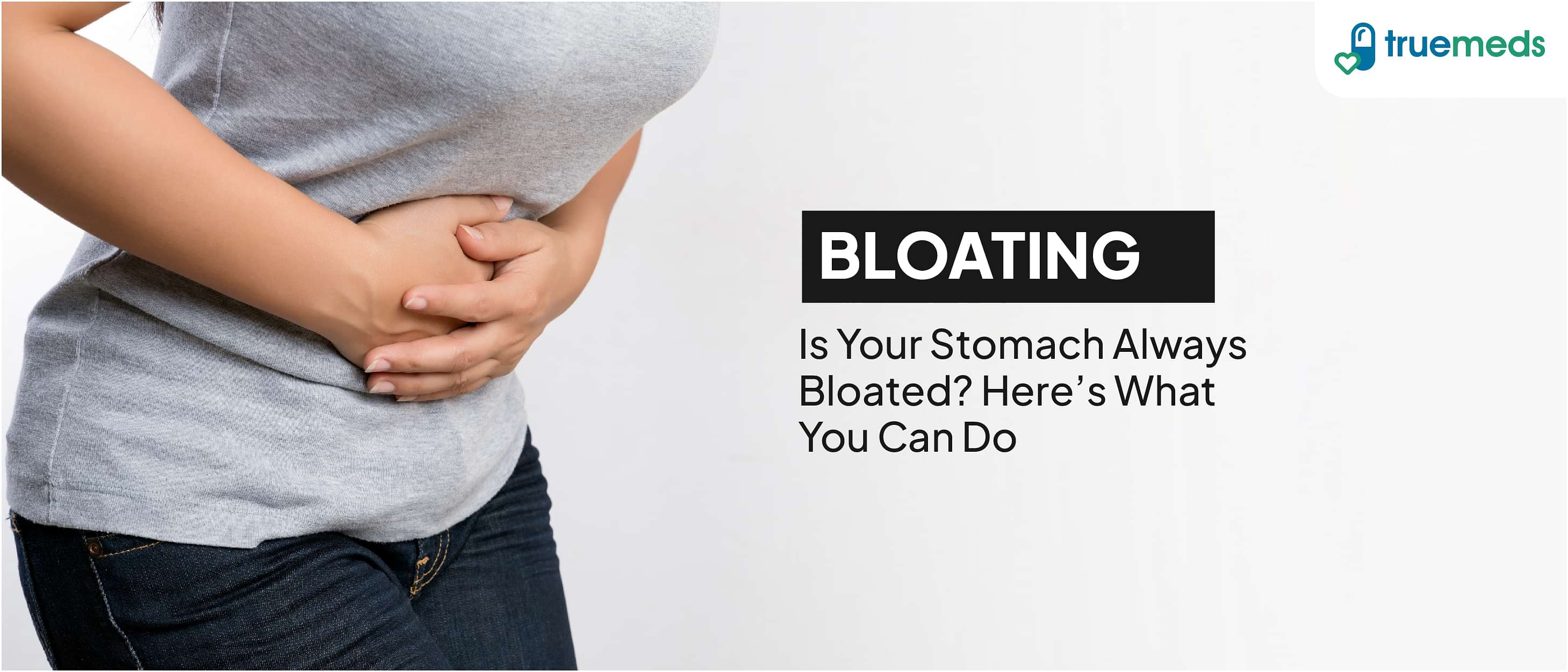
15 Best Home Remedies to Get Rid of Bloating
Last updated on : 01 Dec, 2025
Read time : 7 min
Bloating is a common and often uncomfortable condition, affecting up to 20% of the general population [1]. It is characterised by a sensation of abdominal fullness, pressure, or trapped gas, often accompanied by visible distension. While frequent in individuals with Irritable Bowel Syndrome (IBS) and chronic constipation, the underlying causes are diverse and still a subject of ongoing research [1].
This article will explore reliable home remedies, lifestyle adjustments, and when you should seek professional medical advice to manage and prevent this persistent discomfort.
Causes of Bloating
Bloating typically arises from an accumulation of gas or liquid in the gastrointestinal tract. Key contributors include:
- Gas accumulation in the intestines (e.g., from fermentation of undigested foods)
- Constipation and faecal retention
- Swallowed air (aerophagia), often from eating or drinking too quickly
- Fluid retention in the abdomen
- Weak abdominal or pelvic floor muscles
- Small intestinal bacterial overgrowth (SIBO)
- Food intolerances (e.g., lactose, fructose, gluten)
- Hormonal imbalances, especially in hypothyroidism
- Pancreatic insufficiency (reduced enzyme production)
- Abdominal or gastrointestinal malignancies (rarely)
- Psychological stress and psychiatric disorders
Effective Home Remedies and Digestive Aids to Relieve Bloating
These remedies are often used to help soothe the digestive tract, move gas along, or aid in the breakdown of food.
1. Sip Warm Water: Sipping plain, warm water throughout the day can help dissolve and move stomach contents, potentially reducing bloating caused by sluggish digestion and constipation.
2. Ginger (Zingiber officinale) Tea: Ginger contains gingerols and shogaols, compounds that have been shown to accelerate gastric emptying (the speed at which food leaves the stomach). This can help reduce feelings of fullness and pressure [2].
3. Peppermint (Mentha piperita) Tea: Peppermint has antispasmodic properties due to the presence of menthol, which helps relax the smooth muscles of the digestive tract. This relaxation can allow trapped gas to pass more easily, providing relief [3].
4. Fennel (Foeniculum vulgare) Seeds: Fennel has traditionally been used as a carminative, an agent that helps relieve flatulence. Chewing a small amount of the seeds (or drinking fennel tea) has been shown in some studies to help reduce gas and flatulence [4].
5. Probiotics: Consuming probiotic-rich foods (like yoghurt, kefir, and fermented vegetables) or supplements can help restore a balanced gut microbiota. Specific probiotic strains have demonstrated effectiveness in reducing the frequency and severity of bloating, particularly in individuals with IBS [5].
6. Warm Lemon Water: Drinking warm water with a squeeze of fresh lemon in the morning can gently stimulate the production of stomach acid and bile, supporting overall digestion and helping to prevent stagnation that contributes to gas.
7. Apple Cider Vinegar (ACV): Mix a teaspoon of ACV in a glass of water before meals to potentially aid digestion by increasing the acidity of the stomach, which is necessary for breaking down food. However, use it sparingly as excessive intake can erode tooth enamel [6].
8. Herbal Teas: Chamomile and aniseed teas are known for their soothing effects on the gut lining, which can help relax the digestive tract and relieve mild bloating and discomfort [3].
Physical Activity and Lifestyle Adjustments
Adjustments to daily habits can significantly impact the frequency and severity of bloating.
9. Physical Activity: Light exercises, such as a 15-30 minute walk after a meal, yoga, or gentle stretching, are highly effective. Movement stimulates the peristaltic action of the bowels, helping to move both food and trapped gas through the digestive system [7].
10. Massage Your Abdomen: Gently massaging the abdomen in a clockwise motion (following the path of the large intestine) can physically help dislodge and move trapped gas toward the colon for expulsion.
11. Avoid Carbonated Drinks: Beverages like soda, sparkling water, and beer contain dissolved carbon dioxide gas. When consumed, this gas is released in your stomach, directly contributing to distension and worsening the feeling of bloating.
12. Eat Slowly and Mindfully: Eating too quickly causes you to swallow excess air (aerophagia). Chewing food thoroughly (around 20-30 times per bite) and eating at a slower, relaxed pace is a simple yet effective preventative measure.
13. Avoid Chewing Gum and Hard Candies: Similar to eating fast, chewing gum or sucking on hard candies increases the frequency of swallowing air, which can lead to uncomfortable bloating and gas.
14. Manage High-Fibre Intake: While fibre is essential, a sudden or excessive intake of gas-producing foods (e.g., beans, lentils, broccoli, or cabbage) can overwhelm the digestive system. Temporarily limit these foods if bloating is severe and reintroduce them slowly [8].
15. Reduce Sodium Overload: High sodium (salt) intake causes the body to retain water to dilute the excess sodium. This water retention can manifest as bloating, particularly in the abdomen. Focus on reducing processed and packaged foods [9].
When to Seek Medical Advice
While most instances of bloating are benign, the presence of certain symptoms alongside chronic or severe bloating warrants a consultation with a specialist.
Risk Factors for Bloating: Bloating may be more common in individuals with a history of:
- Gastrointestinal surgery
- Irritable Bowel Syndrome (IBS) or Inflammatory Bowel Disease (IBD)
- Chronic constipation
- Autoimmune diseases like hypothyroidism or rheumatoid arthritis
“Alarm Symptoms” Requiring Medical Attention: If bloating is severe, recurrent, or associated with any of the following, consult a gastroenterologist immediately:
- Unexplained weight loss
- Anaemia (low blood count)
- Persistent vomiting
- Blood in the stool
- Difficulty swallowing
These symptoms could be signs of an underlying pathology, such as celiac disease, bowel obstruction, or, rarely, malignancy [1].
Diagnosis of Bloating
A healthcare professional may recommend diagnostic tests to pinpoint the cause of persistent bloating:
- Clinical History and Physical Examination: A thorough review of symptoms and a physical check are the first, most vital steps.
- Breath Tests: Non-invasive tests that measure gases in the breath to diagnose conditions like Lactose or Fructose malabsorption or Small Intestinal Bacterial Overgrowth (SIBO) [1].
- Celiac Serological Examination: Blood tests (e.g., anti-tissue transglutaminase) to screen for Celiac disease.
- Imaging: CT scans and MRI enterography are used for diagnosing conditions like bowel obstruction or Crohn’s disease.
- Anorectal Function Testing: Used for patients with severe constipation and bloating to assess pelvic floor dysfunction.
- Specialist to Visit: A Gastroenterologist is the specialist best equipped to diagnose and treat the underlying medical causes of chronic bloating.
Conclusion
Bloating is a highly common condition that, while uncomfortable, is often temporary and effectively manageable through simple home remedies and key lifestyle changes. For mild, infrequent cases, focusing on hydration, mindful eating, and incorporating carminative herbs like ginger and fennel can offer significant relief. However, it is essential to monitor your symptoms. If bloating is persistent, severe, or accompanied by any “alarm symptoms,” seeking professional medical guidance is crucial for proper diagnosis and care. With the right blend of informed self-care and medical advice, bloating can be effectively controlled and prevented.
References
[1] Serra, J. (2022). Management of bloating. Neurogastroenterology & Motility, 34(3), e14333. https://doi.org/10.1111/nmo.14333
[2] Wang, Z., Zhang, S., Gu, Y., Han, S., Cao, B., & Zhang, Y. (2022). Potential therapeutic effects of ginger in digestive diseases. Food Science and Human Wellness, 11(6), 1438–1446. https://doi.org/10.1016/j.fshw.2022.06.004
[3] Hosen, M. S., & Madhu, B. (2023). Health benefits of herbal tea: A review. Daffodil International University, 10. https://www.researchgate.net/publication/371599733_Health_Benefits_of_Herbal_Tea_A_Review
[4] Jourshari, M. S., Rezasoltani, P., Nazari, M., Maroufizadeh, S., Aski, S. K., Qobadighadikolaei, R., & Yousefbeyk, F. (2024). A comparative study of fennel and dimethicone capsule effects on flatulence rate after cesarean section: A double-blind randomized controlled trial. Journal of Education and Health Promotion, 13(1). https://doi.org/10.4103/jehp.jehp_389_23
[5] Wang, L., Laursen, R. P., & Håkansson, Å. (2023). Probiotics in the management of irritable bowel syndrome: A narrative review. LWT – Food Science and Technology, 180, 114620. https://doi.org/10.1016/j.lwt.2023.114620
[6] Gazzali, A. M., Aris, T., Saidin, T. D., & Mohamad, S. A. (2023). The effect of apple cider vinegar on human health: A systematic review. International Journal of Environmental Research and Public Health, 20(4), 3122. https://doi.org/10.3390/ijerph20043122
[7] Sheth, A. A., & Kim, R. (2020). Management of abdominal bloating. Clinics in Colon and Rectal Surgery, 33(4), 211–217. https://doi.org/10.1055/s-0040-1713437
[8] Chey, W. D., & Chey, S. W. (2020). Dietary treatment of irritable bowel syndrome. Journal of Clinical Gastroenterology, 54(4), 305–311. https://doi.org/10.1097/MCG.0000000000001356
[9] Peng, A. W., Juraschek, S. P., Appel, L. J., Miller, E. R., & Mueller, N. T. (2019). Effects of the DASH diet and sodium intake on bloating: Results from the DASH–Sodium Trial. The American Journal of Gastroenterology, 114(7), 1109–1115. https://doi.org/10.14309/ajg.0000000000000283
















Disclaimer
Our healthcare experts have carefully reviewed and compiled the information presented here to ensure accuracy and trustworthiness. It is important to note that this information serves as a general overview of the topic and is for informational purposes only. It is not intended to diagnose, prevent, or cure any health problem. This page does not establish a doctor-patient relationship, nor does it replace the advice or consultation of a registered medical practitioner. We recommend seeking guidance from your registered medical practitioner for any questions or concerns regarding your medical condition.
Popular Articles


Recommended Articles




Recent Articles










Company
About UsHealth ArticleHealth StoriesHealth LibraryDiseases & Health ConditionsAyurvedaUnderstanding Generic MedicinesAll MedicinesAll BrandsNeed HelpFAQSecuritySubscribe
Registered Office Address
Grievance Officer
Download Truemeds


Contact Us
Our customer representative team is available 7 days a week from 9 am - 9 pm.
v4.10.3

2025 - Truemeds | All rights reserved. Our content is for informational purposes only. See additional information.
Our Payment Partners