

- Medicines
- Personal Care
- Skin Cream
- Sunscreen
- Face Wash
- Skin and Body Soap
- Acne Care
- Body Lotions
- Moisturising Lotion
- Moisturising Cream
- Mosquito Repellent
- Moisturising Gel
- Body Wash
- Hair Oils
- Hair Shampoo
- Hair Conditioners
- Hair Supplements
- Hair Colour
- Hair Serum
- Hair Mask
- Hair Solutions
- Baby Diapers and Wipes
- Baby Lotion and Moisturising Cream
- Baby Bath Essentials
- Baby Skin Care
- Baby and Infant Food
- Baby Healthcare
- Women Multivitamins
- Ovulation Test Kit and Women Intimate Care
- Sanitary Pads
- Nutritional Drinks
- Condoms
- Lubricants
- Massage Gels
- Personal Body Massagers
- Men Performance Booster
- Sexual Health Supplements
- Massage Oils
- Ayurveda
- Tooth Paste
- Mouth Ulcer Gel
- Mouthwash
- Toothache and Gum Pain
- Tooth Brush
- Gargle Solution
- Orthopaedic Supports
- Adult Diapers
- Footwear
- Mobility and Support Accessories
- Urinary Support and Care
- Health Conditions
- Bone and Joint Care
- Digestive Care
- Eye Care
- Pain Relief
- Smoking Cessation
- Liver Care
- Stomach Care
- Cold and Cough
- Heart Care
- Kidney Care
- Piles, Fissures & Fistula
- Respiratory Care
- Mental Wellness
- Derma Care
- Pre and Probiotics
- Acidity
- Gas
- Constipation
- Loose Motion/Diarrhoea
- Digestive Fibres
- Digestive Enzymes
- Eye Lubricant Drops
- Lens Solution
- Safety Eye Wear
- Eye Cream
- Eye Vitamins and Supplements
- Eye Drops
- Eye Ointment and Gel
- Nicotine Patch
- Nicotine Gum
- Nicotine Lozenges
- Cough Syrups
- Chest Rubs and Balms
- Nasal Spray
- Lozenges
- Inhalant Capsules
- Cold and Cough Tablets
- Vitamins & Supplements
- Diabetes Care
- Healthcare Devices
- Homeopathic Medicine
- Health Guide
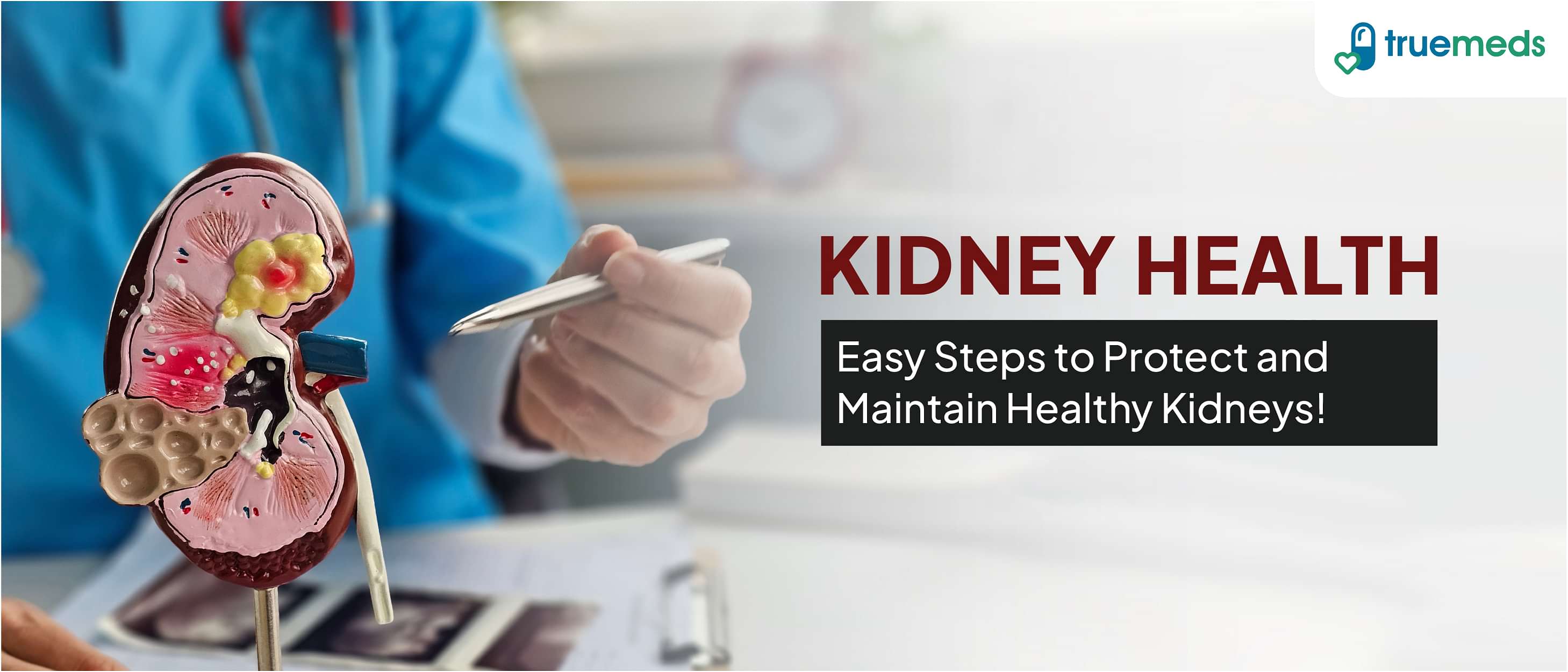
10 Ways to Maintain Your Kidney Health
Last updated on : 01 Dec, 2025
Read time : 8 min
Maintaining kidney health is crucial for overall well-being. Kidneys perform several life-sustaining functions, including filtering approximately 120 to 150 quarts of blood daily to remove waste and excess water, which is then excreted as urine [1]. They also play a vital role in maintaining a stable balance of electrolytes, regulating blood pressure, and stimulating red blood cell production [2]. Additionally, they activate Vitamin D, which is essential for calcium absorption and strong bones.
Failure to support optimal kidney function may increase the risk of various health complications, including heart disease and stroke, as the systems are interconnected [3]. Simple, consistent lifestyle modifications can significantly support long-term kidney health.
10 Effective Ways to Improve Kidney Health Naturally
The kidneys play a vital role in filtering waste, regulating body fluids, controlling blood pressure, and producing hormones that support the production of red blood cells. When kidney function is impaired, waste products can accumulate, which can lead to complications like fluid retention, high blood pressure (hypertension), and an increased burden on the heart [4]. Taking simple, consistent steps can go a long way in supporting kidney health and helping them function well.
1. Hydration
Drinking enough water is essential for kidney health. Adequate fluid intake helps the kidneys efficiently flush out sodium, urea, and other toxins, significantly reducing the risk of developing painful kidney stones and urinary tract infections [5]. While individual needs vary, aiming for 8–10 glasses (2–3 liters) of water daily is a general guideline for many adults [5].
2. Exercise and Fitness
Regular physical activity helps alleviate symptoms of chronic kidney disease by lowering blood pressure and improving cardiovascular health, both of which are critical factors in preventing kidney damage [6]. You don’t need to run marathons; activities such as walking, running, cycling, and dancing all support kidney health. However, it is important to stay properly hydrated during exercise, especially in hot weather, as severe dehydration from over-exertion can acutely strain the kidneys.
3. Blood Sugar Control
High or uncontrolled blood sugar levels, typical in individuals with diabetes, can force the kidneys to work harder to filter the blood. Over time, this excess strain damages the small blood vessels and filtering units (nephrons) in the kidneys, leading to diabetic kidney disease (nephropathy) [1]. Monitoring blood sugar and adhering to treatment plans, including diet and medication, is crucial for maintaining kidney health.
4. Blood Pressure Management
High blood pressure (Hypertension) is the second leading cause of kidney failure in the United States, often causing silent damage to the renal arteries over time [2]. Excessive sodium consumption increases the risk of high blood pressure and kidney disease. Maintaining a low salt intake, typically less than 2,300 mg per day for healthy adults, can help protect kidney health [7].
5. Healthy Diet
A kidney-friendly diet includes a variety of fresh vegetables, fruits, and whole grains, and limits highly processed foods which often contain excessive sodium, unhealthy fats, and phosphorus additives [2]. While there are general dietary guidelines for supporting kidney health, consulting a registered dietitian or healthcare professional for a personalised meal plan is essential, especially if you have existing health conditions.
6. Quitting Smoking
Smoking damages blood vessels, reducing blood flow to vital organs, including the kidneys [8]. It can also interfere with the effectiveness of blood pressure medications, significantly increasing the risk and progression of kidney disease. Quitting smoking immediately can slow the decline in kidney function and substantially improve overall cardiovascular and renal health [8].
7. Avoiding Medication Overuse
Frequent use of over-the-counter pain relievers, particularly Nonsteroidal Anti-Inflammatory Drugs (NSAIDs) like ibuprofen and naproxen, can potentially harm the kidneys, especially in individuals with existing kidney issues, high blood pressure, or heart failure [9]. If consistent pain management is necessary, always consult a doctor for a kidney-safe alternative, such as acetaminophen at the lowest effective dose.
8. Limiting Alcohol Consumption
Alcohol acts as a diuretic, potentially leading to dehydration, which impairs kidney function. Chronic heavy drinking can also contribute to high blood pressure, liver disease, and weight gain—all of which place additional, unnecessary strain on the kidneys [10]. To maintain optimal kidney health, it is recommended to either abstain from alcohol or limit consumption to no more than one drink per day for women and two drinks per day for men [10].
9. Prudent Use of Antibiotics
Antibiotics are powerful medications, and a few classes, such as certain cephalosporins or penicillins, have the potential to cause kidney injury (acute interstitial nephritis) in some individuals, particularly with prolonged or repeated use [11]. It is crucial to only take antibiotics when they are prescribed by a doctor for a confirmed bacterial infection and to complete the full course as directed to minimize resistance and potential adverse effects.
10. Regular Kidney Checkups
Routine medical checkups, including kidney function tests, can help detect issues early before they progress into severe conditions. Often, kidney disease does not present noticeable symptoms until it is advanced [2]. Blood tests (like estimated Glomerular Filtration Rate – eGFR) and urine tests (to check for protein or blood) are essential tools for measuring how well your kidneys are filtering waste and for enabling timely treatment and necessary lifestyle adjustments.
Conclusion
Caring for your kidneys is a crucial aspect of maintaining overall health. Healthy kidneys not only help eliminate waste and balance fluid levels but also support bone strength and regulate blood pressure through their hormonal functions. By adopting a proactive and preventative approach—including regular check-ups, staying active, eating a balanced diet, and avoiding harmful habits such as smoking or excessive use of certain medications—you can significantly protect your kidney function in the long term.
Disclaimer: Important Medical Information and Professional Advice
The information provided in this article is for educational purposes only and is not a substitute for professional medical advice, diagnosis, or treatment. It is essential to consult with a qualified healthcare provider or a Primary Care Physician (MD/DO) regarding any medical conditions, treatment, or before making any significant changes to your diet, exercise routine, or medication use. Never disregard professional medical advice or delay seeking it because of something you have read here. The effectiveness of any advice or supplement mentioned may vary among individuals.
Frequently Asked Questions (FAQs)
What are the best ways to maintain kidney health naturally?
Maintaining kidney health naturally involves staying hydrated, eating a balanced diet, exercising regularly, controlling blood sugar and blood pressure, reducing salt intake, avoiding smoking and excessive alcohol consumption, limiting the non-prescribed use of over-the-counter painkillers, and getting regular kidney check-ups. These preventative habits are the foundation of good renal health.
How much water should I drink daily for healthy kidneys?
While a general recommendation is 8–10 glasses (2–3 liters) of water daily, the precise amount depends heavily on your age, activity level, climate, and overall health status. Individuals with certain kidney or heart conditions may require fluid restrictions, so it is always best to discuss your specific fluid needs with your doctor.
What foods are best for kidney health?
Kidney-friendly foods include leafy greens, berries, apples, garlic, onions, fish (rich in Omega-3s), whole grains, and legumes. These foods are rich in antioxidants and fiber, which help reduce inflammation and stress on the kidneys. Limiting processed foods, excessive salt, sugar, and red meat can further support kidney function.
Can exercise help improve kidney function?
Yes, regular, moderate exercise significantly improves kidney health by reducing blood pressure, maintaining a healthy weight, and improving heart function. Activities such as walking, jogging, cycling, swimming, and yoga can enhance circulation and reduce the risk of kidney disease. However, always ensure proper hydration and avoid extreme over-exertion without preparation.
What are the early signs of kidney disease?
Early symptoms of kidney disease can be subtle and non-specific, which is why regular testing is vital. They may include fatigue, swelling in the legs and ankles (edema), more frequent urination (especially at night – nocturia), foamy or bloody urine, and persistent lower back pain. If you experience these signs, consult a doctor immediately for comprehensive kidney function tests.
References
[1] National Institute of Diabetes and Digestive and Kidney Diseases. (2019, September 4). Preventing Chronic Kidney Disease. U.S. Department of Health and Human Services. https://www.niddk.nih.gov/health-information/kidney-disease/chronic-kidney-disease-ckd/prevention
[2] National Kidney Foundation. (n.d.). 6-Step Guide to Protecting Kidney Health. https://www.kidney.org/kidney-topics/6-step-guide-to-protecting-kidney-health
[3] Li, P. K. T., Garcia-Garcia, G., Lui, S. F., Andreoli, S., Fung, W. W. S., Hradsky, A., Kumaraswami, L., Liakopoulos, V., Rakhimova, Z., Saadi, G., Strani, L., Ulasi, I., & Kalantar-Zadeh, K. (2020). Kidney health for everyone everywhere – from prevention to detection and equitable access to care. Indian Journal of Nephrology, 30(2), 63–66. https://doi.org/10.4103/ijn.IJN_50_20
[4] Sarnak, M. J., Levey, A. S., Schoolwerth, A. C., Coresh, J., Culleton, B., Hamm, L. L., McCullough, P. A., Parfrey, I., Prene, M., Remuzzi, G., Spinosa, M. G., Zhang, S., & Eknoyan, G. (2003). Kidney disease as a risk factor for development of cardiovascular disease: A statement from the American Heart Association Councils on Kidney in Cardiovascular Disease, High Blood Pressure Research, Clinical Cardiology, a1nd Epidemiology and Prevention. Circulation, 108(17), 2154–2169. https://doi.org/10.1161/01.CIR.0000095676.71185.09
[5] National Kidney Foundation. (n.d.). Water and your kidneys. https://www.kidney.org/atoz/content/water-and-your-kidneys
[6] National Kidney Foundation. (n.d.). Staying Active. https://www.kidney.org/atoz/content/staying-active
[7] American Heart Association. (2021). Sodium and Salt. https://www.heart.org/en/healthy-living/healthy-eating/eat-less-sodium
[8] Orth, S. R., & Hallan, S. I. (2008). Smoking and the kidney. Journal of the American Society of Nephrology, 19(12), 2269–2275. https://doi.org/10.1681/ASN.2008060662
[9] National Kidney Foundation. (n.d.). Over-the-Counter (OTC) Pain Medications. https://www.kidney.org/atoz/content/otcpain
[10] National Institute on Alcohol Abuse and Alcoholism. (n.d.). Rethinking Drinking: Alcohol and Your Health. from https://www.niaaa.nih.gov/health-topics/drinking-levels
[11] De Broe, M. E., & Elseviers, M. M. (1998). Analgesic nephropathy. New England Journal of Medicine, 338(7), 446–452. https://doi.org/10.1056/NEJM199802123380707












Disclaimer
Our healthcare experts have carefully reviewed and compiled the information presented here to ensure accuracy and trustworthiness. It is important to note that this information serves as a general overview of the topic and is for informational purposes only. It is not intended to diagnose, prevent, or cure any health problem. This page does not establish a doctor-patient relationship, nor does it replace the advice or consultation of a registered medical practitioner. We recommend seeking guidance from your registered medical practitioner for any questions or concerns regarding your medical condition.
Popular Articles



Recommended Articles




Recent Articles










Company
About UsHealth ArticleHealth StoriesHealth LibraryDiseases & Health ConditionsAyurvedaAll MedicinesAll BrandsNeed HelpFAQSecuritySubscribe
Registered Office Address
Grievance Officer
Download Truemeds


Contact Us
Our customer representative team is available 7 days a week from 9 am - 9 pm.
v4.9.0

2025 - Truemeds | All rights reserved. Our content is for informational purposes only. See additional information.

Our Payment Partners




