

- Medicines
- Personal Care
- Skin Cream
- Sunscreen
- Face Wash
- Skin and Body Soap
- Acne Care
- Body Lotions
- Moisturising Lotion
- Moisturising Cream
- Mosquito Repellent
- Moisturising Gel
- Body Wash
- Hair Oils
- Hair Shampoo
- Hair Conditioners
- Hair Supplements
- Hair Colour
- Hair Serum
- Hair Mask
- Hair Solutions
- Baby Diapers and Wipes
- Baby Lotion and Moisturising Cream
- Baby Bath Essentials
- Baby Skin Care
- Baby and Infant Food
- Baby Healthcare
- Women Multivitamins
- Ovulation Test Kit and Women Intimate Care
- Sanitary Pads
- Nutritional Drinks
- Condoms
- Lubricants
- Massage Gels
- Personal Body Massagers
- Men Performance Booster
- Sexual Health Supplements
- Massage Oils
- Ayurveda
- Tooth Paste
- Mouth Ulcer Gel
- Mouthwash
- Toothache and Gum Pain
- Tooth Brush
- Gargle Solution
- Orthopaedic Supports
- Adult Diapers
- Footwear
- Mobility and Support Accessories
- Urinary Support and Care
- Health Conditions
- Bone and Joint Care
- Digestive Care
- Eye Care
- Pain Relief
- Smoking Cessation
- Liver Care
- Stomach Care
- Cold and Cough
- Heart Care
- Kidney Care
- Piles, Fissures & Fistula
- Respiratory Care
- Mental Wellness
- Derma Care
- Pre and Probiotics
- Acidity
- Gas
- Constipation
- Loose Motion/Diarrhoea
- Digestive Fibres
- Digestive Enzymes
- Eye Lubricant Drops
- Lens Solution
- Safety Eye Wear
- Eye Cream
- Eye Vitamins and Supplements
- Eye Drops
- Eye Ointment and Gel
- Nicotine Patch
- Nicotine Gum
- Nicotine Lozenges
- Cough Syrups
- Chest Rubs and Balms
- Nasal Spray
- Lozenges
- Inhalant Capsules
- Cold and Cough Tablets
- Vitamins & Supplements
- Diabetes Care
- Healthcare Devices
- Homeopathic Medicine
- Health Guide
Lung Cancer
Lung cancer is a type of cancer that originates in the cells of the lungs, causing uncontrolled cell growth and tumour formation. It is a leading cause of cancer-related deaths globally and can affect both smokers and non-smokers, although smoking significantly increases the risk. Lung cancer is classified into two main types: small cell lung cancer (SCLC) and non-small cell lung cancer (NSCLC), each with its own characteristics and treatment options.
 50
50Last updated on : 05 May, 2026
Read time : 16 mins
Overview of Disease
Lung cancer is a serious and life-threatening condition that develops when cells in the lungs grow abnormally and form tumours. It is one of the most common types of cancer and a leading cause of cancer deaths worldwide.
While smoking is a major risk factor for lung cancer, it can also occur in non-smokers. Understanding the types, symptoms, and treatment options for lung cancer is crucial for early detection and effective management of the disease.
What is Lung Cancer?
Lung cancer, also known as pulmonary carcinoma, is a type of cancer that originates in the lungs. It occurs when cells in the lung tissue grow and divide uncontrollably, leading to tumour formation.
These tumours can interfere with the normal functioning of the lungs, including breathing. Without proper treatment, the tumours can spread throughout the lungs, impairing their function and eventually metastasising to other parts of the body.
The severity and prognosis of lung cancer depend on various factors, including the type and stage of the disease.
Key Factors about Lung Cancer
| Category | Details |
| Also Referred to as | Bronchogenic carcinoma, oat cell carcinoma |
| Commonly Occurs In | Adults, especially smokers and individuals exposed to environmental or occupational risk factors |
| Affected Organ | Lungs |
| Type | Adenocarcinoma, Squamous cell carcinoma, Large cell carcinoma, Small cell carcinoma, Combined small cell carcinoma |
| Common Signs | Coughing, Hoarseness, Weight loss, Weakness |
| Consulting Specialist | Pulmonologist, oncologist |
| Treatment Procedures | Surgery, Chemotherapy, Radiation, Immunotherapy, Targeted medications |
| Managed By | Multidisciplinary team including oncologists, pulmonologists, and thoracic surgeons |
| Mimicking Condition | Pneumonia, bronchitis |
Types of Lung Cancer
Lung cancer is primarily categorised into two types based on the size and appearance of the malignant cells under a microscope (What Is Lung Cancer? | Types of Lung Cancer, n.d.). These include:
- Small cell lung cancer (SCLC): SCLC is characterised by its rapid growth and spread. It typically originates near the centre of the lungs, in the major airways, and quickly metastasises to other parts of the body. Small cell carcinoma is strongly associated with smoking and tends to respond well to chemotherapy and radiation therapy.
- Non-small cell lung cancer (NSCLC): NSCLC is the most common type of lung cancer. It grows more slowly than SCLC and is further classified into subtypes such as:
- Adenocarcinoma: This subtype develops in the epithelial cells that line the airways and produce mucus. It is often found in the outer regions of the lungs.
- Squamous cell carcinoma: Originating in the flat cells that cover the airway surface, it is frequently linked to smoking and typically develops near the centre of the lungs.
- Large cell carcinoma: This subtype can appear in any part of the lung and is known for its rapid growth and spread compared to adenocarcinoma and squamous cell carcinoma.
Early Signs of Disease
Some of the early symptoms of lung cancer include:
- Persistent cough
- Shortness of breath or wheezing
- Chest pain or discomfort
- Changes in your voice, such as hoarseness
- Frequent lung infections, such as bronchitis or pneumonia
- Unexplained weight loss and changes in appetite
Symptoms of Lung Cancer
In its early stages, lung cancer often does not present with noticeable symptoms. However, as the disease progresses, various symptoms may develop, including:
- Persistent cough: Lung cancer often begins with a cough that doesn’t go away. This cough can become more severe over time, potentially indicating the presence of a tumour or irritation in the lungs.
- Coughing up blood: Haemoptysis, or coughing up blood, can range from small specks to larger amounts and should be evaluated by a doctor without delay.
- Shortness of breath: Many individuals with lung cancer experience shortness of breath, which can occur even during light physical activity. This symptom may develop as tumours obstruct airways or affect lung function.
- Chest pain: Patients may describe it as sharp or dull, and it may worsen with deep breaths or coughing, often signalling involvement of surrounding tissues.
- Unexplained weight loss: This symptom can result from a combination of reduced appetite and the increased energy demands placed on the body by the disease itself.
- Fatigue: Patients may describe fatigue as an overwhelming tiredness that is not relieved by rest, significantly affecting their daily activities and overall quality of life.
- Recurrent respiratory infections: Individuals with lung cancer may experience frequent respiratory infections, such as bronchitis or pneumonia, due to airway blockages or compromised lung function.
- Hoarseness or voice changes: Some patients may experience hoarseness due to cancer affecting nearby structures, which can signal disease progression.
Stages of Lung Cancer
Lung cancer stages are determined based on the size and spread of the tumour. The two main types of lung cancer, small cell lung cancer (SCLC) and non-small cell lung cancer (NSCLC), have different staging systems.
The stages of small cell lung cancer include: (Cancer Research UK, n.d.)
- Limited stage: The cancer is confined to one lung and possibly to the lymph nodes on the same side of the chest. It can be treated with a single radiation field.
- Extensive stage: The cancer has spread beyond one lung, involving other parts of the body, and cannot be treated with a single radiation field.
The non-small cell lung cancer stages include:
- Stage 0: The cancer is found only in a few layers of cells and has not grown deeper into the lung tissue or spread to lymph nodes or distant sites.
- Stage I: The cancer is small and has not spread to the lymph nodes or distant sites. It can be divided into:
- Stage IA: The tumour is 3 centimetres or smaller.
- Stage IB: The tumour is larger than 3 centimetres but still confined to the lung.
- Stage II: The cancer is larger or has spread to nearby tissues or lymph nodes but not to distant sites. It can be divided into:
- Stage IIA: The tumour is larger than 3 centimetres but less than 5 centimetres, or it has spread to several nearby lymph nodes.
- Stage IIB: The tumour is larger than 5 centimetres or has spread to more nearby lymph nodes.
- Stage III: The cancer has spread to the lymph nodes on the same side of the chest or to nearby tissues but not to distant sites. It can be divided into:
- Stage IIIA: The cancer has spread to nearby lymph nodes but remains localised to one side of the chest.
- Stage IIIB: The cancer has spread more extensively to nearby structures or lymph nodes, which may include the mediastinum (the area between the lungs) or the chest wall.
- Stage IV: The cancer has spread to both lungs, the area around the lungs, or distant organs such as the brain, bones, or liver.
Causes of Lung Cancer
Lung cancer develops when cells in the lungs grow uncontrollably, forming tumours that can interfere with normal lung function. The leading causes for lung cancer include:
- Smoking: Cigarette smoking is the primary cause of lung cancer. The risk increases with the number of cigarettes smoked and the duration of smoking.
- Secondhand smoke: Non-smokers exposed to secondhand smoke (environmental tobacco smoke) have an increased risk of developing lung cancer.
- Radon exposure: Radon, a radioactive gas that can accumulate in buildings, is the second leading cause of lung cancer, especially among non-smokers.
- Carcinogen exposure: Exposure to asbestos, arsenic, chromium, nickel, and other carcinogenic substances, particularly in occupational settings, can increase the risk of lung cancer.
- Air pollution: Exposure to outdoor air pollution, such as particulate matter and diesel exhaust, has been linked to an increased risk of lung cancer.
- Family history and genetic factors: Having a family history of lung cancer or certain genetic mutations may increase an individual's risk of developing the disease.
Risk Factors
Several factors can increase the risk of developing lung cancer, including:
- Smoking
- Secondhand smoke exposure
- Radon exposure
- Exposure to certain workplace substances, such as asbestos, arsenic, chromium, nickel, and diesel exhaust
- Previous radiation therapy
- Family history
- Air pollution
- High levels of arsenic in drinking water
Complications
Lung cancer can lead to various complications that significantly affect a patient’s health and quality of life. These include:
- Metastases: Metastases occur when lung cancer spreads to other organs like the brain, liver, or bones, leading to new symptoms and requiring additional treatments such as chemotherapy or targeted therapies.
- Respiratory issues: Lung cancer can cause persistent cough, shortness of breath, and increased pneumonia risk due to airway obstruction or compromised lung function, often necessitating treatments like supplemental oxygen.
- Pleural effusion: It involves fluid buildup in the pleural space, causing discomfort and breathing difficulties. It may require medical intervention to drain the fluid and alleviate symptoms.
- Superior vena cava syndrome: This syndrome arises when a tumour compresses the superior vena cava, causing facial and neck swelling, shortness of breath, and dizziness.
- Chronic pain: Chronic pain may develop from lung cancer or its treatments. Effective management is essential for quality of life and may involve medications, physical therapy, and palliative care.
- Psychological effects: The emotional impact of lung cancer can lead to anxiety and depression. Support from mental health professionals, counselling, or support groups is important for coping with these challenges.
Prevention of Lung Cancer
While not all cases of lung cancer can be prevented, there are several steps individuals can take to reduce their risk. These include:
- Avoiding tobacco use: The most effective prevention method is avoiding all forms of tobacco. Quitting smoking significantly reduces lung cancer risk.
- Reducing exposure to secondhand smoke: Limiting exposure to secondhand smoke is essential. Avoiding environments where smoking occurs helps decrease risk, particularly for non-smokers and children.
- Healthy lifestyle choices: A balanced diet rich in fruits and vegetables, regular physical activity, and effective weight management strengthen the immune system and lower cancer risk.
- Environmental awareness: Reducing exposure to environmental toxins, such as radon and asbestos, is crucial. Testing homes for radon and ensuring proper ventilation can mitigate these risks.
- Regular health screenings: High-risk individuals, such as long-term smokers, should consider regular screenings, such as low-dose CT scans, to detect disease early and improve treatment outcomes.
Diagnosis & Tests
If a person experiences symptoms suggestive of lung cancer, their doctor may recommend several tests to diagnose the condition. These include:
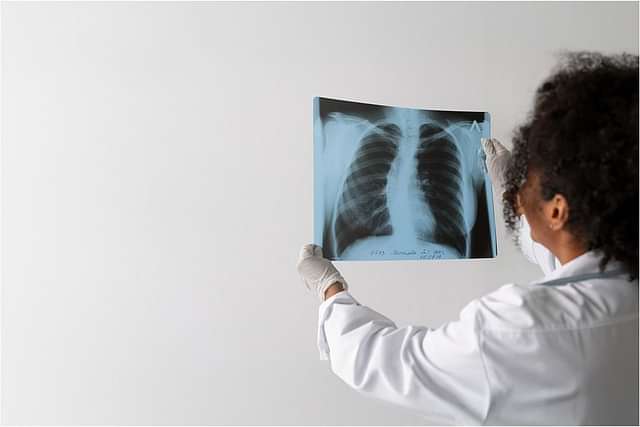
- Chest X-ray: A chest X-ray is often the initial test, revealing abnormal masses or nodules that may indicate the presence of cancer.
- Computed tomography scan: A computed tomography (CT) scan provides more detailed images, helping determine the size and location of tumours and whether they have spread to nearby lymph nodes.
- Sputum cytology: In some cases, a sample of mucus (sputum) may be examined under a microscope to check for cancer cells. This test is particularly effective for detecting tumours located within the airways.
- Biopsy: A biopsy is crucial for confirming a lung cancer diagnosis. Methods include a needle biopsy, where a thin needle collects tissue through the skin, and bronchoscopy, which uses a thin tube with a camera to obtain samples from the lungs. In more complex cases, a surgical biopsy may be needed to secure a larger tissue sample.
- Molecular testing: Once cancer is diagnosed, molecular testing may be conducted on the biopsy sample to identify specific genetic mutations. This information can guide targeted therapy options tailored to the patient’s cancer profile.
- Positron emission tomography scan: A positron emission tomography (PET) scan is an imaging test that helps stage lung cancer by identifying metastases. It provides detailed images of metabolic activity, revealing areas where cancer cells may be active, thereby aiding treatment planning.
- Mediastinoscopy: A minimally invasive procedure used to examine the mediastinum, the area between the lungs. It assesses lymph node involvement and allows for tissue sampling, which is crucial for staging lung cancer and guiding treatment decisions.
Treatment & Management
The treatment of lung cancer includes targeted therapies, chemotherapy, immunotherapy, and surgery to manage symptoms, slow disease progression, and improve survival outcomes. Here are the treatment options:
1. Epidermal Growth Factor Receptor (EGFR) Inhibitors
These medicines block specific signals that help cancer cells grow, especially in patients with EGFR gene mutations.
- Erlotinib: It helps slow tumour growth in EGFR-mutated lung cancers.
- Gefitinib and Osimertinib: These medications are used in targeted therapy for non-small cell lung cancer with confirmed EGFR changes.
These treatments are often given as oral tablets and are selected based on genetic testing of the tumour.
2. Taxanes
Taxanes work by interfering with how cancer cells divide, effectively slowing or stopping tumour progression.
- Paclitaxel: It is widely used in chemotherapy combinations for lung cancer.
- Docetaxel: It is often used after initial treatments, especially in advanced stages.
They are typically part of systemic chemotherapy and help improve response rates in non-small cell lung cancer.
3. Kinase Inhibitors
These medicines target specific proteins involved in abnormal cell growth pathways, particularly in genetically altered cancers.
- Afatinib: It irreversibly blocks EGFR and other ErbB family receptors to suppress tumour growth; used in non-small cell lung cancer (NSCLC) with EGFR mutations.
- Alectinib: It inhibits ALK (anaplastic lymphoma kinase), preventing tumour cell growth; prescribed for ALK-positive advanced NSCLC.
- Brigatinib: It blocks ALK and other kinases involved in cancer progression; given to patients with ALK-positive NSCLC, especially post-crizotinib failure.
- Repotrectinib: It targets ROS1, NTRK, and ALK gene fusions; prescribed in tumours with specific gene rearrangements after failure of prior TKIs.
4. Antimetabolites – Folate Antagonists
These interfere with how cancer cells use nutrients needed for growth and DNA formation.
- Pemetrexed: It is often used in non-squamous non-small cell lung cancer, either alone or with platinum-based medications.
It is usually part of the first-line or maintenance therapy in advanced cases.
5. Monoclonal Antibody Medications
These medicines enhance the immune response or block the tumour's blood supply.
- Bevacizumab: It inhibits blood vessel formation that supports tumour growth.
- Atezolizumab: It blocks the PD-L1 protein to help the immune system detect and attack lung cancer cells. This medication is used in non-small cell lung cancer (NSCLC), especially after chemotherapy or when tumours express PD-L1.
- Durvalumab: It stops cancer cells from hiding by blocking PD-L1, boosting the immune response. This medication is often given after chemoradiotherapy in stage III NSCLC to prevent tumour regrowth.
- Cemiplimab: It blocks PD-1 on immune cells to enhance their ability to destroy cancer. This medication is given to patients with NSCLC and high PD-L1 expression who are not suitable for surgery or chemoradiation.
- Tremelimumab: It targets CTLA-4, a protein that slows down immune cells, helping them attack tumours better. This medication is used in combination with durvalumab in certain types of NSCLC, particularly in advanced stages.
- Necitumumab: It targets specific cell surface proteins in squamous cell lung cancer.
These medications may be used alone or in combination with chemotherapy, depending on the cancer type and stage.
6. Anthracyclines
These are potent chemotherapy agents that damage the DNA of cancer cells, stopping their ability to multiply.
- Doxorubicin: It is occasionally used in aggressive or recurrent lung cancer cases, typically in combination with other medications.
7. Pyrimidine Antagonists
These medications interfere with DNA replication, hindering the cancer cell cycle.
- Gemcitabine: It is commonly used in both early and advanced lung cancer chemotherapy regimens, often paired with cisplatin or carboplatin. It is suitable for a broad range of lung cancer types and stages.
8. Surgery
- Surgical removal of the tumour is often the first-line option in early-stage lung cancer. Depending on the tumour size and location, procedures may involve a lobectomy, where a lung lobe is removed, or a pneumonectomy, where the entire lung is taken out to achieve the best chance of survival.
Living with Disease
Living with lung cancer presents numerous challenges, but with the right strategies and support, individuals can manage their condition and maintain a better quality of life. Here are a few points to consider:
- Quitting smoking is highly recommended before starting treatment for lung cancer, as it can improve treatment outcomes and reduce side effects such as breathlessness.
- Managing symptoms like shortness of breath, pain, and fatigue is essential.
- Treatments such as supplemental oxygen, medications, and palliative care can help improve quality of life.
- Maintaining a healthy diet and engaging in regular physical activity, as tolerated, can help improve overall well-being and reduce fatigue.
- Seeking emotional support from family, friends, or support groups can help cope with the challenges of living with lung cancer.
- Regularly communicating with the doctor about any new or worsening symptoms is crucial for timely intervention and management.
When to See a Doctor?
If you experience any symptoms that may indicate lung cancer, such as a persistent cough, chest pain, shortness of breath, unexplained weight loss, or coughing up blood, it is crucial to consult a doctor promptly. Additionally, if you are undergoing treatment for lung cancer and experience any new or worsening symptoms, such as severe pain, difficulty breathing, or sudden changes in your health status, it is essential to contact your doctor immediately.
Key Takeaways
- Lung cancer treatment depends on factors such as the type and stage of the cancer and the patient's overall health.
- Treatment options for lung cancer include surgery, radiation therapy, chemotherapy, targeted therapy, and immunotherapy.
- Living with lung cancer involves making lifestyle changes, such as quitting smoking and managing symptoms, to improve quality of life.
- Seeking emotional support and maintaining open communication with the doctor are essential for coping with lung cancer.
- Early detection and prompt medical attention for concerning symptoms can significantly improve treatment outcomes and survival rates for lung cancer.
FAQs
Can a person survive lung cancer?
Survival rates for lung cancer vary depending on the stage at diagnosis, cancer type, and overall health, with early detection significantly improving outcomes.
What is stage 4 lung cancer?
Stage 4 lung cancer is the most advanced stage, characterised by the spread of cancer to distant parts of the body, such as the brain or bones.
What are the first signs of lung cancer?
Early lung cancer may not cause noticeable symptoms. When present, symptoms can include persistent cough, coughing up blood, chest pain, hoarseness, weight loss, and fatigue.
How does lung cancer start?
Lung cancer typically starts when abnormal cells in the lungs grow uncontrollably, often triggered by genetic mutations caused by smoking, carcinogen exposure, or genetic predisposition.
What are the symptoms of stage 1 lung cancer?
Stage 1 lung cancer is often asymptomatic or presents with mild symptoms like persistent cough, coughing up blood, chest pain, or hoarseness.
How quickly does lung cancer spread?
Lung cancer growth rate varies by individual and cancer type, with small cell lung cancer generally spreading more rapidly than non-small cell lung cancer.
Is lung cancer painful?
Lung cancer can cause pain, particularly in later stages, often felt in the chest, back, or shoulders, and worsening with coughing or deep breathing.
What is the last stage of cancer for patients?
The final stage of cancer, known as stage 4 or advanced cancer, is when the cancer has spread to distant parts of the body.
Can you live 10 years with lung cancer?
Long-term survival with lung cancer depends on factors like the stage at diagnosis and the effectiveness of treatment. Early-stage lung cancer has better survival rates.
What causes lung cancer in non-smokers?
Non-smokers may develop lung cancer due to factors such as exposure to secondhand smoke, radon, asbestos, air pollution, or genetic predisposition.
How does lung cancer affect your life?
Lung cancer can affect a person's life in many ways, including physical symptoms, emotional distress, financial burden, and changes in daily activities and relationships.
References
- American Cancer Society. (2024). Lung cancer. https://www.cancer.org/cancer/lung-cancer.html
- Centers for Disease Control and Prevention. (2024). Lung cancer. https://www.cdc.gov/cancer/lung/
- National Cancer Institute. (2025). Non-small cell lung cancer treatment (PDQ®)–Patient version. https://www.cancer.gov/types/lung/patient/non-small-cell-lung-treatment-pdq
- National Comprehensive Cancer Network. (2025). NCCN clinical practice guidelines in oncology: Non-small cell lung cancer. https://www.nccn.org
- U.S. Preventive Services Task Force. (2021). Screening for lung cancer: Recommendation statement. JAMA, 325(10), 962–970. https://doi.org/10.1001/jama.2021.1117
- Cancer Research UK. (2024). Stages of lung cancer. https://www.cancerresearchuk.org/about-cancer/lung-cancer/stages-types/stages
Check Related Salts
Latest health articles

Top Health Essentials
























Disclaimer
Top-Selling Medicines:
...View more
Top-OTC medicines:
...View more
Company
About UsHealth ArticleHealth StoriesHealth LibraryDiseases & Health ConditionsAyurvedaUnderstanding Generic MedicinesAll MedicinesAll BrandsNeed HelpFAQSecuritySavings CalculatorAdvertise with UsSubscribe
Registered Office Address
Grievance Officer
Download Truemeds


Contact Us
Our customer representative team is available 7 days a week from 9 am - 9 pm.
v4.28.13

2026 - Truemeds | All rights reserved. Our content is for informational purposes only. See additional information.
Our Payment Partners