
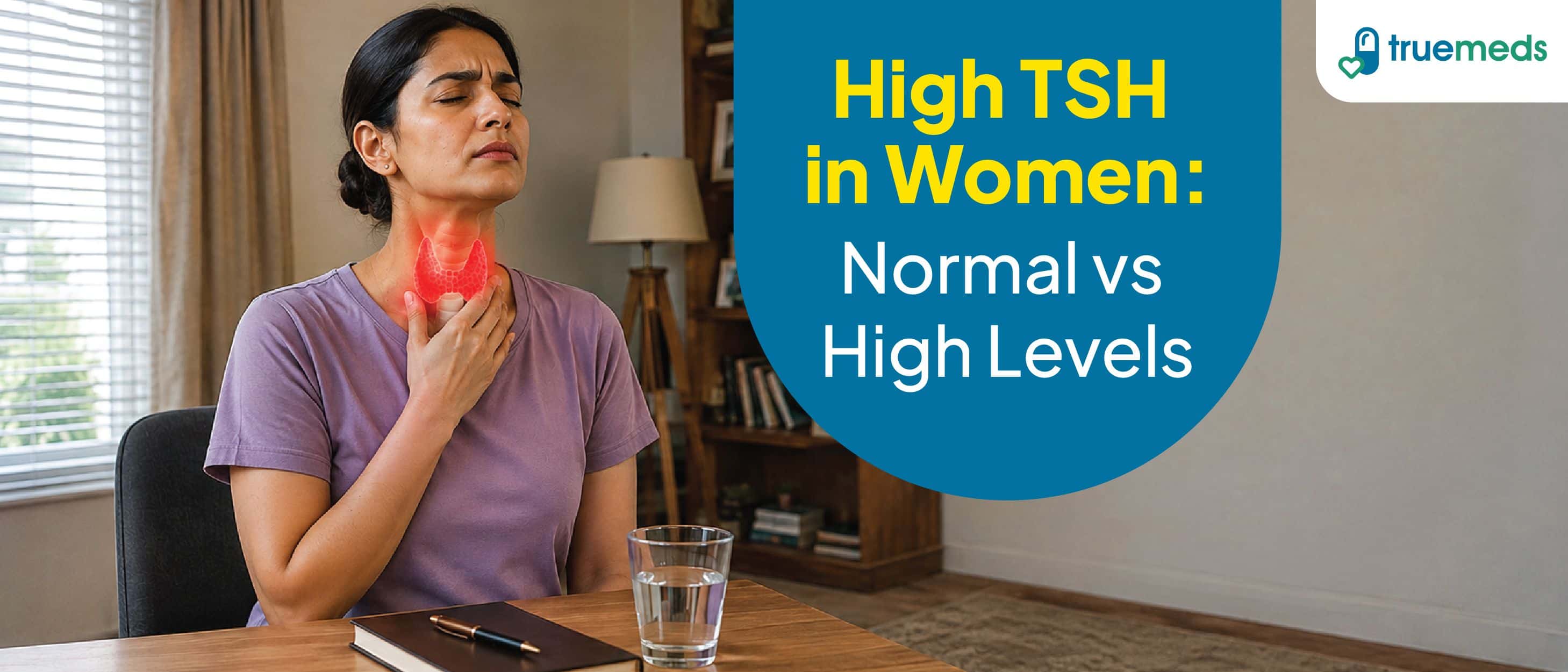
Understanding the normal TSH range for females is essential when evaluating thyroid function. TSH (thyroid-stimulating hormone) plays a crucial role in regulating your thyroid gland, and elevated levels often signal that something may need attention[1]. Hypothyroidism affects up to 5% of people globally, with women being significantly more prone to the condition[2]. This guide explains what TSH is, normal ranges for women, causes of high TSH, warning signs, and when to seek medical care.
Key Takeaways
- TSH is a hormone that signals your thyroid to produce essential hormones regulating metabolism and energy.
- The normal TSH range for women typically falls between 0.4 and 4.8 µU/mL, though this can vary with age.
- High TSH most commonly indicates hypothyroidism, with Hashimoto's thyroiditis being the leading cause in women.
- Symptoms of high TSH may include fatigue, weight gain, cold intolerance, depression, and menstrual changes.
- TSH levels above 10 mIU/L are considered significantly elevated and may require treatment depending on individual factors.
- Levothyroxine is the standard treatment, with most patients feeling better once levels normalise.
- Regular monitoring and consistent medication use are essential for managing thyroid conditions.
What is TSH?
TSH, or thyroid-stimulating hormone, is released by the pituitary gland, a small structure at the base of your brain. Its primary function is to signal the thyroid gland to produce thyroxine (T4). T4 is the major thyroid hormone secreted by the thyroid gland and is converted to triiodothyronine (T3) in the body. These thyroid hormones are essential for regulating metabolism, body temperature, and energy levels throughout your body[1].
When thyroid hormone levels drop, your pituitary gland releases more TSH to stimulate the thyroid. Conversely, when thyroid hormone levels rise, TSH production decreases. A high TSH level typically indicates that your thyroid may not be producing enough hormones, prompting your pituitary to work harder[1].
What is the normal TSH range for females?
TSH levels are measured in milliunits per litre (mIU/L). While reference ranges can vary slightly between laboratories, understanding what is normal helps you interpret test results.
TSH normal range for adult women
For most adult women, a normal TSH level typically falls between 0.4 and 4.8 µU/L, though exact ranges may vary slightly between laboratories[3]. Values above this range may suggest hypothyroidism, while values below may indicate hyperthyroidism.
This makes regular thyroid screening particularly important for women, especially those experiencing unexplained symptoms.
How TSH levels may vary by age and life stage
TSH values can shift naturally throughout different life stages. The upper limit of normal increases with age, which is why age-specific reference ranges are increasingly recommended for accurate diagnosis[3].
During pregnancy, TSH targets are often lower, with many specialists recommending levels below 2.5 mIU/L in the first trimester to reduce the risk of adverse pregnancy outcomes[4].
What causes high TSH in women?
Several factors can contribute to elevated TSH levels in women. Understanding the underlying cause is essential for appropriate treatment.
Thyroid conditions linked to high TSH
Hashimoto’s disease is the most common cause of hypothyroidism. It is an autoimmune disorder in which the immune system mistakenly attacks the thyroid gland, reducing its ability to produce thyroid hormones. Other causes of hypothyroidism include thyroiditis, congenital thyroid problems, surgical removal of part or all of the thyroid, and radiation treatment[5].
Hormonal and lifestyle factors
Iodine deficiency can impair thyroid hormone production, triggering the pituitary to release more TSH to stimulate the gland[1]. While iodine deficiency is less common in regions with iodised salt, it remains a concern in certain areas. Pregnancy and postpartum periods can also affect TSH levels, as the thyroid adapts to support both mother and baby[4].
Other medical conditions and medications
Certain medications, including lithium and amiodarone, can interfere with thyroid function and lead to elevated TSH[6]. Pituitary disorders, although rare, can also affect TSH regulation[1].
What are the common symptoms of high TSH?
When TSH levels rise due to an underactive thyroid, various symptoms may develop gradually. Recognising these signs can help prompt timely evaluation.
Physical and metabolic symptoms
High TSH associated with hypothyroidism can cause several physical changes [6, 7]:
- Unexplained weight gain
- Cold intolerance
- Dry skin
- Constipation
- Muscle cramps
- Brittle hair and nails
These symptoms occur because thyroid hormones influence metabolism throughout the body.
Changes in mood, energy, and mental well-being
Hypothyroidism can affect mental and emotional health. Common changes may include [6, 7]:
- Depression
- Slow thinking
- Fatigue and lethargy
- Weakness
The tiredness associated with hypothyroidism can be particularly frustrating, as it may persist despite adequate sleep.
Menstrual and reproductive changes
High TSH can disrupt the menstrual cycle in women, potentially causing heavier or irregular periods, fertility difficulties, and increased risk of miscarriage. Women with TSH levels between 4.5 and 10 mIU/L may have approximately 1.8 times increased miscarriage risk, while those with TSH above 10 mIU/L may face nearly four times the risk compared to women with optimal levels[4].
If you are planning pregnancy or experiencing fertility issues, consult your doctor about thyroid testing.
Heart and overall health effects
Over time, untreated high TSH can affect cardiovascular health, potentially contributing to elevated cholesterol levels[5]. Severe hypothyroidism may also cause facial puffiness, hoarse voice, and slow heart rate[6].
What is considered a dangerously high TSH level?
While mildly elevated TSH may require monitoring rather than immediate treatment, significantly high levels can indicate more serious thyroid dysfunction.
When high TSH becomes a concern
TSH levels above 10 mIU/L are generally considered significantly elevated and may warrant treatment depending on individual factors. Research shows that among people with subclinical hypothyroidism (elevated TSH with normal thyroid hormone levels)[8]:
- 2% of those with TSH 5–10 mIU/L progress to overt hypothyroidism annually
- 20% of those with TSH 10–15 mIU/L progress each year
- 73% of those with TSH above 15 mIU/L develop symptomatic hypothyroidism
Dangers of high TSH levels if left untreated
Prolonged, severely elevated TSH can lead to complications, including goitre (enlarged thyroid gland), high cholesterol with increased cardiovascular risk, and impaired fertility.
In rare cases, severe untreated hypothyroidism can progress to myxoedema, a life-threatening condition requiring emergency medical care[6].
Always make treatment decisions in consultation with a healthcare provider.
Signs that require prompt medical attention
Seek immediate medical help if you experience extreme fatigue with difficulty staying awake, severe cold intolerance, confusion or altered mental state, swelling of the face or hands, or a very slow heart rate[7]. These symptoms may indicate severe hypothyroidism requiring urgent evaluation.
How are high TSH levels diagnosed?
Diagnosing the cause of high TSH involves blood tests and sometimes additional investigations.
Understanding TSH test results
A simple blood test measures TSH levels. When TSH is elevated alongside low free T4 (thyroxine), primary hypothyroidism due to thyroid gland dysfunction is typically indicated[1].
The following table provides general guidance for interpreting TSH values [3, 8]:
TSH Level (µU/mL) | Possible Interpretation |
|---|---|
0.4–4.8 | Generally normal range |
5.0–10.0 | Slightly high |
10.0-15.0 | Moderately high |
Above 15.0 | Very high |
Interpretation should consider individual factors and laboratory-specific reference ranges.
Additional tests your doctor may recommend
To identify the underlying cause, your doctor may order the following additional tests [1, 6]:
- Free T4 (thyroxine): Measures the active thyroid hormone available to tissues
- Free T3 (triiodothyronine): Another active thyroid hormone
- Anti-thyroid peroxidase (TPO) antibodies: Positive results help diagnose Hashimoto's thyroiditis
- Thyroid ultrasound: Assesses thyroid structure if nodules or enlargement is suspected
How are high TSH levels treated?
Treatment for high TSH depends on the underlying cause and severity of thyroid dysfunction.
Treatment based on the underlying cause
Synthetic levothyroxine (LT4) is the standard treatment for hypothyroidism. This medication replaces the thyroid hormone your body is not producing adequately, with doses carefully adjusted to bring TSH levels within the target range[9].
The majority of patients with hypothyroidism feel better once levothyroxine treatment restores their TSH to normal levels[10].
Your healthcare provider must determine your dosage. Do not self-medicate.
Monitoring TSH levels over time
After starting treatment, TSH levels are typically rechecked every 6–8 weeks until stable. Once stabilised, annual monitoring is usually sufficient. Pregnant women and those planning pregnancy may require more frequent testing[5].
Read about - What is the Ideal TSH Level for Pregnancy Planning?
Lifestyle changes that may support thyroid health
While medication is usually necessary for treating high TSH, certain lifestyle factors may support overall thyroid health[11]:
- Exercise regularly to support metabolism and overall fitness
- Practise yoga and relaxation techniques to reduce stress and fatigue
- Maintain adequate sleep and good sleep hygiene
- Maintain a healthy body weight through healthy lifestyle habits
- Avoid smoking and limit excessive alcohol consumption
- Reduce exposure to environmental toxins and endocrine-disrupting chemicals
- Take prescribed thyroid medication consistently and attend regular follow-up
FAQs
What does a high TSH mean?
A high TSH typically indicates your thyroid is not producing enough hormones. Your pituitary gland releases more TSH to stimulate the underactive thyroid, a condition commonly known as hypothyroidism.
What is considered a dangerously high TSH level?
TSH above 10 mIU/L is generally considered significantly elevated and may require treatment depending on individual factors. Levels above 15 mIU/L substantially increase the risk of progressing to symptomatic hypothyroidism.
How to control TSH levels?
High TSH is primarily managed with levothyroxine, a synthetic thyroid hormone. Take medication consistently as prescribed and maintain regular follow-up appointments. Never adjust your medication without consulting your doctor.
Can high TSH affect fertility?
Yes, elevated TSH can disrupt the menstrual cycle and fertility and increase miscarriage risk. Fertility specialists often recommend maintaining TSH below 2.5 mIU/L when trying to conceive. Discuss thyroid testing with your doctor if planning pregnancy.
Can stress increase TSH levels?
Chronic stress may affect thyroid function, though the relationship is complex. Stress management through exercise, adequate sleep, and relaxation techniques can support overall health alongside medical treatment.
Is high TSH always a sign of hypothyroidism?
Usually, yes. Elevated TSH most commonly indicates an underactive thyroid. However, temporary increases can occur after illness or due to certain medications. Your doctor will interpret results alongside symptoms.
How long does it take to lower high TSH levels?
High TSH levels are typically rechecked about 6 to 8 weeks after starting thyroid medication (for example, levothyroxine), but complete normalisation may take several months.
Can high TSH return after treatment?
TSH levels can fluctuate if medication doses are incorrect or taken inconsistently. Most people with hypothyroidism require lifelong treatment with regular monitoring to ensure levels remain stable.
When should I worry about my TSH level?
Consult your doctor if TSH is consistently above 4.8 mIU/L, especially with symptoms like fatigue or weight gain. Seek urgent care for severe symptoms such as extreme fatigue, confusion, or a very slow heart rate.
Medical Disclaimer
This article is for informational purposes only and does not constitute medical advice. The information provided should not be used for diagnosing or treating health conditions. Always consult a qualified healthcare provider for diagnosis, treatment, and personalised medical advice. Do not disregard professional medical advice or delay seeking it because of information found in this article. If you have a medical emergency, contact your doctor or emergency services immediately.
References
American Thyroid Association. (n.d.). Thyroid function tests. American Thyroid Association. https://www.thyroid.org/thyroid-function-tests/
Davis, M. G., & Phillippi, J. C. (2022). Hypothyroidism: Diagnosis and evidence-based treatment. Journal of Midwifery & Women’s Health, 67(3), 394–397. https://pubmed.ncbi.nlm.nih.gov/35384263/
MedlinePlus. (n.d.). TSH test. MedlinePlus. https://medlineplus.gov/ency/article/003684.htm
American Thyroid Association. (n.d.). TSH levels and risk of miscarriage in women on long-term levothyroxine. American Thyroid Association. https://www.thyroid.org/patient-thyroid-information/ct-for-patients/volume-7-issue-12/vol-7-issue-12-p-3/