
Thyroid-stimulating hormone (TSH) plays a critical role in pregnancy planning, as it directly affects the health of both the mother and the developing foetus. Additionally, proper thyroid function supports fertility and contributes to a healthy pregnancy[1]. Abnormal TSH levels in pregnancy have been linked to increased risks of miscarriage, preterm birth, and other complications[2].
Therefore, monitoring and managing TSH levels is essential during the preconception and early pregnancy periods. Maintaining ideal TSH levels helps ensure hormonal balance, supports embryo implantation, and promotes normal foetal development[2]. Understanding the best TSH level for pregnancy is vital to optimising reproductive health and achieving successful outcomes.
What is TSH, and Why is it Important for Pregnancy?
TSH is a hormone produced by the pituitary gland. This hormone controls the production of thyroid hormones [Thyroxine (T4) and Triiodothyronine (T3)], which are essential for metabolism, growth, and development[3]. During pregnancy, especially in the first trimester, the foetus depends largely on the mother's thyroid hormones for healthy brain and organ development[1]. Even mild thyroid imbalances can impact fertility, increase the risk of miscarriage, or lead to complications such as preterm birth[2].
Monitoring TSH levels before and during pregnancy helps detect thyroid dysfunction early, allowing for timely treatment. Maintaining optimal TSH levels in pregnancy is crucial for maternal well-being and ensuring a healthy start for the baby[3].
Ideal TSH Level for Pregnancy Planning
Maintaining an appropriate thyroid range during pregnancy is crucial for optimal fertility and pregnancy outcomes[4]. The recommended TSH level for pregnancy planning is generally below 2.5 mIU/L, which is stricter than the upper limit of around 4.12 mIU/L for non-pregnant individuals (Note: Levels can vary from lab to lab.) [5]. This stringent threshold helps minimise the risks associated with thyroid dysfunction during pregnancy, including preterm delivery and impaired foetal development[2].
Here is a table outlining the best TSH levels to get pregnant:
For women with thyroid conditions like Hashimoto's, TSH levels may need to be even lower before pregnancy to ensure optimal thyroid function during early pregnancy[6].
Always consult a qualified healthcare professional for an accurate diagnosis and personalised treatment plan.
TSH Levels During Pregnancy by Trimester
As your body undergoes significant hormonal changes during pregnancy, your thyroid-stimulating hormone (TSH) levels may fluctuate[1]. To ensure optimal thyroid range in pregnancy, it's essential to monitor your TSH levels according to trimester-specific reference ranges[5]. Here is a chart highlighting the recommended TSH levels during each pregnancy trimester:
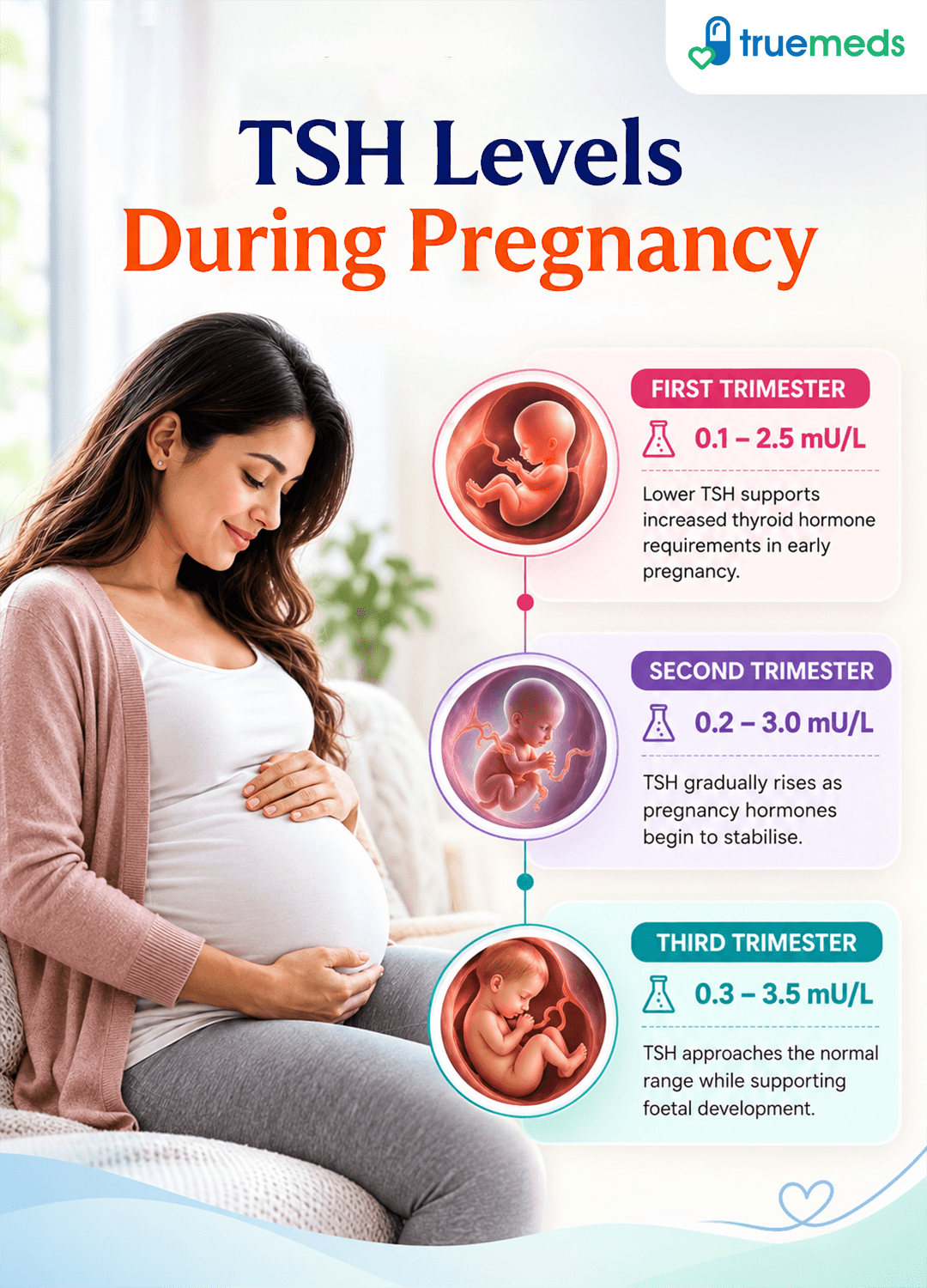
Note: The upper limit for the first trimester may differ depending on the laboratory and your ethnicity[5].
For women with autoimmune thyroid disease such as Hashimoto’s thyroiditis, doctors may aim to keep TSH levels in the lower part of the recommended range before and during pregnancy (often around 1–2 mIU/L), depending on individual health factors and treatment response[6].
While these ranges serve as general guidelines, it's crucial to discuss your individual thyroid hormone range during pregnancy with your doctor, as they may vary based on your specific needs and medical history[4].
Thyroid monitoring and management should be guided by a qualified healthcare professional.
Hyperthyroidism in Pregnancy
Hyperthyroidism, a condition characterised by low TSH levels and elevated thyroid hormones, affects approximately 0.1%–0.4% of pregnancies[7]. If left untreated, hyperthyroidism during pregnancy can lead to several complications, including:
- Miscarriage or preterm birth due to hormonal imbalances[2].
- Gestational hypertension or foetal growth restriction caused by increased maternal metabolism[7].
- Severe thyrotoxicosis, which can lead to cardiac complications and is associated with an increased risk of preeclampsia (a pregnancy complication characterised by high blood pressure and high protein levels in urine)[7].
To manage hyperthyroidism in pregnancy, your doctor may prescribe medications such as propylthiouracil (PTU) or methimazole. PTU is typically preferred during the first trimester, while methimazole is often used later in pregnancy to reduce the risk of medication-related birth defects[1].
However, these treatments must be carefully monitored to prevent any potential harm to the developing foetus. Close supervision by your healthcare team is essential, as untreated hyperthyroidism can trigger a life-threatening complication called thyroid storm[3].
Do not self-medicate. The appropriate treatment plan must be determined by a healthcare provider.
If you have a history of hyperthyroidism or suspect that you may have the condition, it's crucial to consult with your doctor before conceiving and throughout your pregnancy. They will work with you to develop a personalised treatment plan that prioritises the health and well-being of both you and your baby.
What is the Danger of High or Low TSH Levels During Pregnancy?
Abnormal TSH levels in pregnancy can pose significant risks to both the mother and the developing baby[2][4].
- High TSH levels, often a sign of an underactive thyroid (hypothyroidism), may be linked to an increased likelihood of miscarriage and preterm birth.
- Elevated TSH may interfere with the proper functioning of the placenta (a temporary organ that nourishes and protects the foetus) and the development of the foetus, potentially leading to developmental delays in the baby.
- Low TSH levels, typically seen in an overactive thyroid (hyperthyroidism), may also present risks, including potential complications for the mother's health and the baby's development.
- Maintaining TSH within the recommended ranges is crucial to ensure a healthy pregnancy and minimise risks.
Diagnosis and treatment from a healthcare professional is essential for managing thyroid conditions.
How to Maintain Healthy TSH Levels for Conception?
Here are some tips for maintaining healthy TSH levels to get pregnant:
- Dietary Changes: Consider consuming foods rich in iodine, such as seafood and dairy products, as they can support thyroid function[1]. Adequate iodine intake is important, but supplementation should only be undertaken under medical guidance, especially in women with autoimmune thyroid disease.
- Lifestyle Adjustments: Engage in regular physical activity and stress management techniques, which may help support stable thyroid hormone levels[4].
- Medication: For those with diagnosed thyroid conditions, working closely with a doctor to adjust thyroid hormone medication as needed can help maintain optimal TSH levels.
- Regular Monitoring: Frequent thyroid function tests before and during pregnancy are essential to quickly identify and address any deviations from the desired range[5].
Specific dietary and lifestyle recommendations should be tailored based on individual health needs. Consult your healthcare provider for personalised guidance.
When to Test Your TSH Levels During Pregnancy Planning?
Testing your TSH levels is a crucial step when planning for pregnancy. Ideally, you should have your TSH levels checked as part of your preconception care, preferably before conception, to identify and manage any thyroid issues early on[4]. This allows for the adjustment of thyroid hormone levels to the recommended range of ≤2.5 mIU/L, which is beneficial for both fertility and early pregnancy[5].
If you have a history of thyroid issues or if your initial test results indicate elevated levels, it is advisable to consult with your doctor. Regular monitoring during pregnancy can also help maintain appropriate thyroid function and prevent complications. By understanding the importance of regular testing and TSH levels for pregnancy, you can take proactive steps towards a healthy pregnancy.
Why Thyroid Testing Before Pregnancy Is Important in India
Thyroid disorders, particularly hypothyroidism, are relatively common among women of reproductive age in India. Because thyroid imbalance may not always cause noticeable symptoms, many women remain undiagnosed until they experience difficulty conceiving or develop pregnancy-related complications. Early identification of thyroid dysfunction is important, as untreated hypothyroidism has been associated with reduced fertility, miscarriage, preterm birth, and other adverse pregnancy outcomes.
Preconception thyroid testing allows healthcare providers to detect thyroid problems before pregnancy and initiate appropriate treatment if needed. Achieving optimal TSH levels before conception helps support fertility, promotes healthy foetal development, and reduces the risk of pregnancy-related complications. Women with a personal or family history of thyroid disease, autoimmune disorders, infertility, or recurrent pregnancy loss should discuss preconception thyroid screening with their healthcare provider.
Conclusion
Maintaining optimal TSH levels is vital when planning for pregnancy. The recommended TSH range during early pregnancy is between 0.2 and 2.5 mIU/L, with a general preconception goal of ≤2.5 mIU/L. Proper thyroid function supports fertility, helps reduce the risk of miscarriage, and ensures healthy foetal development.
Consulting your doctor for personalised advice is essential, especially if you have thyroid conditions such as hyperthyroidism. By understanding and managing your TSH levels effectively, you can enhance your chances of a successful pregnancy and a healthy baby.
FAQs
What is the normal TSH level for pregnancy?
The ideal TSH level for pregnancy is generally between 0.1 and 2.5 mIU/L in the first trimester. Maintaining TSH within this range supports proper fetal development and reduces the risk of pregnancy complications.
How does high TSH affect pregnancy?
High TSH levels indicate hypothyroidism, which may increase the risk of miscarriage, preeclampsia, low birth weight, and developmental issues. If not properly managed, it may affect fertility and increase the risk of complications during pregnancy.
Can I get pregnant with high TSH levels?
Yes, it's possible to get pregnant with high TSH levels, but it may be more difficult. Elevated TSH can disrupt ovulation and hormone balance, so treatment is often needed to improve fertility and support a healthy pregnancy.
What is the best TSH level for conception?
The optimal TSH level for conception is generally considered to be ≤2.5 mIU/L. This range supports normal ovulatory cycles and increases the chances of successful implantation and early pregnancy development.
Is it possible to get pregnant with low TSH?
Yes, but very low TSH levels, indicating hyperthyroidism, may cause irregular periods or miscarriage. Uncontrolled low TSH can also affect foetal growth, so it's important to monitor and manage levels with a doctor.
How do I manage my TSH levels before pregnancy?
To manage TSH levels before pregnancy, have regular thyroid function tests, follow your doctor's treatment plan, take prescribed medication such as levothyroxine if needed, maintain a healthy diet, and manage stress to support hormonal balance.
Medical Disclaimer
This article is for informational purposes only and does not constitute medical advice. The information provided should not be used for diagnosing or treating health conditions. Always consult a qualified healthcare provider for diagnosis, treatment, and personalised medical advice. Do not disregard professional medical advice or delay seeking it because of information found in this article. If you have a medical emergency, contact your doctor or emergency services immediately.
References
National Institute of Diabetes and Digestive and Kidney Diseases. (2021, September). Pregnancy and thyroid disease. NIDDK. https://www.niddk.nih.gov/health-information/endocrine-diseases/pregnancy-thyroid-disease
Marx, H., Amin, P., & Lazarus, J. H. (2008). Hyperthyroidism and pregnancy. BMJ (Clinical research ed.), 336(7645), 663–667. https://doi.org/10.1136/bmj.39462.709005.AE
TSH (thyroid-stimulating hormone) levels: Symptoms. (2023, September 10). Cleveland Clinic. https://my.clevelandclinic.org/health/articles/23524-thyroid-stimulating-hormone-tsh-levels
Johns Hopkins Medicine. (n.d.). Hypothyroidism and pregnancy. Johns Hopkins Medicine. https://www.hopkinsmedicine.org/health/conditions-and-diseases/staying-healthy-during-pregnancy/hypothyroidism-and-pregnancy