

- Medicines
- Personal Care
- Skin Cream
- Sunscreen
- Face Wash
- Skin and Body Soap
- Acne Care
- Body Lotions
- Moisturising Lotion
- Moisturising Cream
- Mosquito Repellent
- Moisturising Gel
- Body Wash
- Hair Oils
- Hair Shampoo
- Hair Conditioners
- Hair Supplements
- Hair Colour
- Hair Serum
- Hair Mask
- Hair Solutions
- Baby Diapers and Wipes
- Baby Lotion and Moisturising Cream
- Baby Bath Essentials
- Baby Skin Care
- Baby and Infant Food
- Baby Healthcare
- Women Multivitamins
- Ovulation Test Kit and Women Intimate Care
- Sanitary Pads
- Nutritional Drinks
- Condoms
- Lubricants
- Massage Gels
- Personal Body Massagers
- Men Performance Booster
- Sexual Health Supplements
- Massage Oils
- Ayurveda
- Tooth Paste
- Mouth Ulcer Gel
- Mouthwash
- Toothache and Gum Pain
- Tooth Brush
- Gargle Solution
- Orthopaedic Supports
- Adult Diapers
- Footwear
- Mobility and Support Accessories
- Urinary Support and Care
- Health Conditions
- Bone and Joint Care
- Digestive Care
- Eye Care
- Pain Relief
- Smoking Cessation
- Liver Care
- Stomach Care
- Cold and Cough
- Heart Care
- Kidney Care
- Piles, Fissures & Fistula
- Respiratory Care
- Mental Wellness
- Derma Care
- Pre and Probiotics
- Acidity
- Gas
- Constipation
- Loose Motion/Diarrhoea
- Digestive Fibres
- Digestive Enzymes
- Eye Lubricant Drops
- Lens Solution
- Safety Eye Wear
- Eye Cream
- Eye Vitamins and Supplements
- Eye Drops
- Eye Ointment and Gel
- Nicotine Patch
- Nicotine Gum
- Nicotine Lozenges
- Cough Syrups
- Chest Rubs and Balms
- Nasal Spray
- Lozenges
- Inhalant Capsules
- Cold and Cough Tablets
- Vitamins & Supplements
- Diabetes Care
- Healthcare Devices
- Homeopathic Medicine
- Health Guide
Malaria
Malaria is a severe, potentially life-threatening disease caused by a parasite transmitted through the bites of infected Anopheles mosquitoes. It is a significant public health issue in tropical and subtropical regions worldwide, with symptoms ranging from fever and chills to more severe complications such as organ failure and cerebral malaria. Prompt medical attention is crucial for timely diagnosis and effective treatment.
 50
50Last updated on : 05 May, 2026
Read time : 14 mins
Overview of Disease
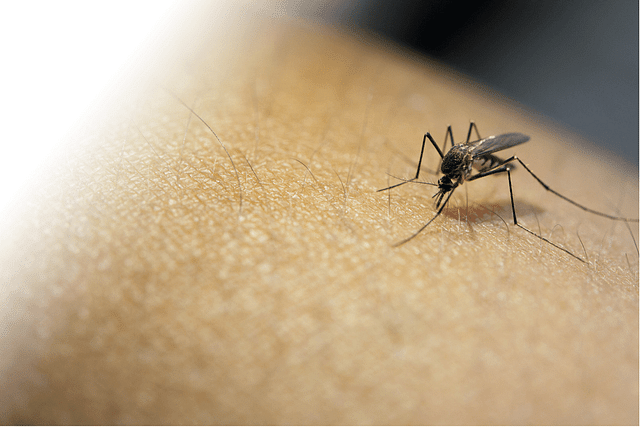
Malaria is a serious, sometimes fatal, disease that affects millions of people worldwide, particularly in tropical and subtropical regions. This mosquito-borne illness is caused by a parasite transmitted to humans through bites from infected female Anopheles mosquitoes. Understanding the causes, symptoms, and stages of malaria is essential for early detection and proper management of the disease.
What is Malaria?
Malaria is a serious and potentially life-threatening infectious disease caused by a single-celled parasite called Plasmodium. Five species of Plasmodium can infect humans: P. falciparum, P. vivax, P. ovale, P. malariae, and P. knowlesi. Among these, P. falciparum is the most dangerous and accounts for the majority of malaria-related deaths.
The parasite is transmitted to humans through the bites of infected female Anopheles mosquitoes, which serve as vectors for the disease. Once inside the human body, the parasite undergoes a complex life cycle, invading and multiplying within red blood cells, leading to various symptoms.
Key Factors about Malaria
| Category | Details |
| Also Referred to as | Falciparum malaria, Vivax malaria, Malignant malaria, Cerebral malaria |
| Commonly Occurs In | Tropical areas, particularly Africa, South Asia, Southeast Asia, the Eastern Mediterranean, and Central and South America |
| Affected Organ | Liver, brain, kidneys, and other organs in severe cases |
| Type | Caused by five species of Plasmodium parasites: P. falciparum, P. vivax, P. ovale, P. malariae, and P. knowlesi |
| Common Signs | Fever, headache, chills, severe anaemia, respiratory distress, cerebral malaria |
| Consulting Specialist | Infectious Disease Specialist or General Physician |
| Treatment Procedures | Artemisinin-based Combination Therapy (ACT) |
| Managed By | Chloroquine, Quinine, Primaquine, Mefloquine, Lumefantrine |
| Mimicking Condition | Influenza, typhoid fever, other acute febrile illnesses |
Types of Malaria
More than 200 species of Plasmodium parasites exist, but only five are known to infect humans and cause malaria (Gozalo et al., 2024). Here’s an overview of the five primary malaria-causing parasites:
- Plasmodium falciparum: Plasmodium falciparum is the most common and deadly type of malaria, leading to severe complications like cerebral malaria and organ failure. Primarily found in sub-Saharan Africa, it poses significant challenges due to medication resistance.
- Plasmodium vivax: Plasmodium vivax can cause relapses, remaining dormant in the liver as hypnozoites. While symptoms are generally milder, the potential for recurrent infections makes it a major concern in South Asia, Latin America, and parts of Africa.
- Plasmodium malariae: Plasmodium malariae typically causes milder symptoms and can persist in the bloodstream for years without detection. It has a global distribution and can lead to long-term complications if untreated.
- Plasmodium ovale: Plasmodium ovale is similar to P. vivax, capable of causing relapses and generally presenting with mild symptoms. It is mainly found in West Africa and Southeast Asia, complicating eradication efforts.
- Plasmodium knowlesi: Plasmodium knowlesi, primarily a monkey parasite, can infect humans and is associated with severe malaria cases. It is found in Southeast Asia, where increased monitoring is essential due to its rapid symptom onset.
Early Signs of Disease
The early signs of malaria include the following:
- Fever
- Headache
- Chills
- Flu-like symptoms
- Fatigue
- Dizziness
- Abdominal pain
- Vomiting
- Seizures (in severe cases, particularly with P. falciparum)
If you experience any of these symptoms, especially if you have recently travelled to a malaria-endemic area, it is essential to seek medical attention promptly.
Symptoms of Malaria
Malaria can cause a range of symptoms that vary in severity. Here are some of the most common signs to watch for:
- Fever and sweating
- Chills (Can be intense enough to shake your entire body)
- Headache and muscle aches
- Fatigue and general discomfort
- Nausea and vomiting
- Diarrhoea and abdominal pain
- Chest pain and difficulty breathing
- Cough and rapid breathing
- Rapid heart rate
- Seizures (in severe cases)
Certain individuals with malaria may go through repeated episodes, often referred to as malaria "attacks." These attacks typically begin with shivering and chills, progress to a high fever, and end with sweating and a return to a normal body temperature.
Malaria symptoms typically appear 7–30 days after infection (depending on species), though some species (e.g., P. vivax, P. ovale) may cause delayed onset due to liver dormancy. Some malaria parasites can remain inactive in the body for as long as a year before causing symptoms.
Stages of Malaria
Malaria progresses through three distinct stages, each with its own set of symptoms. These include:(Bria et al., 2020)
- Cold stage: This initial stage is marked by shivering, chills, headache, nausea, and vomiting. The body temperature drops, causing the person to feel cold and uncomfortable.
- Hot stage: As the disease progresses, the body temperature rises, leading to high fever, headache, fatigue, and muscle or joint pain. This stage coincides with the destruction of red blood cells by the malaria parasites.
- Sweating stage: In the final stage, the fever subsides, and the person experiences profuse sweating, which can lead to dehydration if not properly managed.
Understanding these stages can help recognise the symptoms and seek timely medical intervention.
Causes of Malaria
Malaria is caused by a single-celled parasite belonging to the Plasmodium genus. This parasite is primarily transmitted to humans by the bite of an infected female Anopheles mosquito, which is the primary carrier of the disease.
The Plasmodium parasite spreads through the bite of an infected mosquito. Here’s how the transmission cycle works:
- Uninfected mosquito: When a mosquito bites an already infected person with malaria, it ingests the Plasmodium parasite and becomes a carrier of the infection.
- Transmission to Humans: If this infected mosquito bites a healthy person in the future, it injects the parasite into the person's bloodstream, initiating the infection.
- Parasite Travels to the Liver: Once inside the human body, the parasite moves to the liver, where some Plasmodium species can remain dormant for weeks, months, or even up to a year.
- Infection Spreads in the Blood: When the parasite matures, it leaves the liver and invades red blood cells, multiplying rapidly. This is the stage when malaria symptoms such as fever, chills, and fatigue begin to appear.
- On to the next person: If another uninfected mosquito bites the infected person at this stage, it picks up the parasite and can spread malaria to other individuals, continuing the transmission cycle.
Risk Factors
While anyone can get malaria, some people are at higher risk, including:
- Living in or travelling to areas where malaria is common
- Not using preventive measures such as insecticide-treated mosquito nets and insect repellents
- Being pregnant or under 5 years of age
- Having a weakened immune system, such as those with HIV/AIDS
- Being a non-immune migrant or traveller to malaria-endemic regions
Your risk of contracting malaria is higher if you live in or travel to areas where the disease is widespread, particularly in regions with warm, humid climates that support mosquito populations.
High-Risk Regions
Malaria is most commonly found in tropical and subtropical areas, including:
- Sub-Saharan Africa: The region with the highest malaria burden, accounting for the majority of global cases and deaths.
- South and Southeast Asia: Countries like India, Myanmar, Thailand, and Indonesia have endemic malaria regions.
- Pacific Islands: Certain islands in Oceania, including Papua New Guinea and the Solomon Islands, experience malaria outbreaks.
- Central America & Northern South America: Countries like Brazil, Colombia, and Honduras have areas where malaria is prevalent.
Factors That Influence Your Risk
Your level of risk depends on several factors, including:
- Local Malaria Control Efforts: Countries with strong malaria prevention programs may have lower infection rates.
- Seasonal Changes: Malaria transmission often increases during or after the rainy season when mosquitoes thrive.
- Personal Preventive Measures: Using insect repellent, sleeping under insecticide-treated nets, and taking antimalarial medications can reduce your risk of malaria.
Challenges in High-Risk Countries
Many malaria-endemic regions face challenges such as limited access to healthcare, prevention tools, and reliable information, making it harder to control the spread of the disease.
Immunity and Malaria Exposure
People who live in high-malaria areas may develop partial immunity over time due to repeated exposure to the parasite. This can help reduce symptom severity. However, this immunity weakens if they move away from malaria-prone areas and are no longer regularly exposed to the parasite.
Taking proper precautions when travelling to malaria-endemic regions and seeking prompt medical care if symptoms arise are crucial steps in preventing serious complications.
Complications
Malaria is a life-threatening disease, with the highest fatality rates occurring in Africa, where the most severe Plasmodium species are prevalent.
According to the World Health Organization (WHO), a staggering 95% of all malaria-related deaths happen in Africa, with young children under the age of 5 being the most vulnerable. (World Health Organization [WHO], 2025).
Their developing immune systems make them more susceptible to severe complications, such as organ failure, cerebral malaria, and anaemia.
Malaria can lead to a range of severe and potentially life-threatening complications, especially if left untreated or if treatment is delayed. Some of the key complications associated with malaria include:
- Severe anaemia: This occurs due to the destruction of red blood cells by the malaria parasites, resulting in low haemoglobin levels.
- Respiratory failure: Malaria caused by Plasmodium falciparum can lead to respiratory failure, including acute respiratory distress syndrome (ARDS) or pulmonary oedema.
- Impaired consciousness and seizures: Malaria can cause impaired consciousness, seizures, and coma, which are signs of severe cerebral involvement.
- Acidosis: Metabolic acidosis can develop due to the high metabolic activity of the parasites and the release of toxic byproducts.
- Acute kidney injury: Malaria can cause acute kidney injury by blocking the renal microvasculature with sequestered red blood cells.
- Disseminated intravascular coagulation (DIC): This is a condition characterised by widespread clotting in the small blood vessels, which can result in organ failure.
- Jaundice: Liver dysfunction can lead to jaundice, indicated by elevated serum bilirubin levels.
- Thrombocytopenia: A decrease in platelet count can increase the risk of bleeding.
These complications highlight the importance of prompt and accurate diagnosis and treatment of malaria to prevent severe outcomes.
Malaria May Recur
Not all malaria cases are acute and immediately life-threatening. Some malaria parasite strains, particularly Plasmodium vivax and Plasmodium ovale, can remain dormant in the liver for years before reactivating and causing relapses. These recurring infections, though often milder, can weaken immunity over time and lead to long-term health issues.
Prevention of Malaria
If you live in or are travelling to a malaria-endemic region, taking proactive steps is essential. Stay indoors between dusk and dawn, when malaria-carrying mosquitoes are most active. Preventing mosquito bites is the best way to avoid malaria transmission. Here are some key strategies for malaria prevention:
- Use insect repellents containing DEET, picaridin, or IR3535 on exposed skin to deter mosquito bites.
- Wear long-sleeved shirts and long trousers, especially during peak mosquito biting hours (dusk to dawn).
- Sleep under insecticide-treated bed nets to prevent mosquito bites.
- Stay in well-screened or air-conditioned rooms to minimise exposure to mosquitoes.
- Eliminate standing water and other potential mosquito breeding sites around your living area.
- Consider indoor residual spraying (IRS) with insecticides to control mosquito populations in endemic areas.
- Take preventive medications (chemoprophylaxis) as prescribed by your doctor when travelling to malaria-endemic regions. Standard options include atovaquone-proguanil, doxycycline, and mefloquine.
- Seek medical attention promptly if you develop fever, chills, or flu-like symptoms after visiting a malaria-endemic area.
Diagnosis & Tests
Diagnosing malaria involves a combination of clinical evaluation and laboratory tests. The following are the key methods used for diagnosing malaria:
- Clinical evaluation: The diagnosis should be considered in any person who has travelled to a malaria-endemic area in the preceding weeks to months. Symptoms are generally non-specific and include fever, headache, malaise, weakness, gastrointestinal distress, and neurologic complaints.
- Blood smear microscopy: The most common and reliable method for detecting malaria involves examining thick and thin blood smears under a microscope. Thick smears are more sensitive for identifying parasites, while thin smears help determine the species and quantify parasitemia.
- Rapid diagnostic tests (RDTs): These tests detect parasite antigens in a small amount of blood. They are simple to use and provide results quickly, making them useful in settings where microscopy is not available. However, RDTs may not detect all species or low levels of parasitaemia.
- Molecular tests: Polymerase chain reaction (PCR) tests are highly sensitive and specific for detecting malaria parasites. They are particularly useful for confirming the species of malaria parasite and detecting mixed infections.
Treatment & Management
1. Antimalarial Medications
The primary treatment for malaria involves antimalarial medications, selected based on the Plasmodium species, drug resistance, and the patient's condition.
- Artemisinin-based combination therapies (ACTs), such as Artemether and Artemether-Lumefantrine are the first-line treatment for uncomplicated Plasmodium falciparum malaria.
- 4-Aminoquinolines, including Chloroquine, Piperaquine, and Amodiaquine, are used in regions where resistance is not prevalent.
- Quinoline-methanol derivatives, such as Mefloquine, are alternative options for resistant strains.
- Cinchona alkaloids, like Quinine, remain effective in severe cases.
- 8-Aminoquinolines, including Primaquine and Tafenoquine, are crucial for eliminating Plasmodium vivax and Plasmodium ovale liver-stage parasites to prevent relapse.
- Biguanides such as Proguanil and Diaminopyrimidines like Pyrimethamine are used in combination therapies.
- Sulfonamides and sulfones, including Sulfadoxine, Sulfamethopyrazine, and Dapsone, are often combined with other antimalarials.
- Antibiotics, including Tetracycline, Doxycycline, and Clindamycin, are sometimes prescribed as adjunct therapies, especially in medicine-resistant malaria.
2. Supportive Care
- Hydration and electrolyte replacement help prevent dehydration.
- Blood transfusions may be necessary for patients with severe malaria-induced anaemia.
3. Severe Malaria Management
- Patients with severe malaria require hospital-based treatment.
- Intravenous (IV) Artesunate, Quinine, or Quinidine are commonly administered.
- Intensive care support may be needed for complications such as cerebral malaria, renal failure, or multi-organ dysfunction.
Malaria treatment should always be guided by medical professionals, considering resistance patterns to medications and patient-specific factors.
Living with Disease
Living in or travelling to malaria-endemic areas requires adopting preventive measures to reduce the risk of infection. These include:
- Using insecticide-treated bed nets (ITNs) to prevent mosquito bites during sleep.
- Applying indoor residual spraying (IRS) to control the mosquito population inside homes.
- Employing personal protective measures such as insect repellents, wearing long-sleeved clothing, and using mosquito coils or vaporisers.
- Considering chemoprophylaxis (preventive medication) for travellers visiting high-risk areas, based on a specific risk assessment and local resistance patterns.
- Individuals who have been treated for malaria should follow up with their doctor to ensure complete parasite clearance and recovery.
- It is essential to complete the full course of prescribed antimalarial medication, even if symptoms improve, to prevent recurrence and reduce the risk of developing medication resistance.
When to See a Doctor?
If you experience symptoms suggestive of malaria, such as high fever, chills, headache, muscle aches, and fatigue, especially if you have recently travelled to or live in a malaria-endemic area, it is essential to seek medical attention promptly. Early diagnosis and treatment are crucial for preventing severe complications and improving outcomes. Your doctor will perform the necessary diagnostic tests, such as microscopy or rapid diagnostic tests, to confirm the diagnosis and initiate appropriate treatment based on the type and severity of malaria.
Key Takeaways
- Malaria is a serious, potentially life-threatening parasitic disease transmitted by infected Anopheles mosquitoes.
- The main types of malaria parasites infecting humans are Plasmodium falciparum, P. vivax, P. ovale, P. malariae, and P. knowlesi.
- Symptoms typically include high fever, chills, headache, muscle aches, and fatigue, which may develop 10 days to 4 weeks after infection.
- Diagnosis is confirmed through laboratory tests, such as microscopy or rapid diagnostic tests (RDTs).
- Treatment depends on the type and severity of malaria, with artemisinin -based combination therapies (ACTs) being the recommended treatment for uncomplicated falciparum malaria.
- Prevention measures include using insecticide-treated bed nets, wearing protective clothing, applying insect repellents, and taking preventive medications (chemoprophylaxis) when travelling to or living in endemic areas.
- Early diagnosis and prompt treatment are essential for preventing severe complications and improving outcomes.
FAQs
How can I cure malaria fast?
The fastest way to cure malaria is by seeking prompt medical attention and strictly following the prescribed antimalarial medication regimen.
Can malaria be cured completely?
Yes, malaria can be completely cured with appropriate and timely treatment, although some parasite strains may remain dormant and cause recurrent episodes.
What happens if you get malaria?
Contracting malaria can lead to initial symptoms like fever, chills, and headaches, and severe complications such as cerebral malaria, organ failure, and respiratory distress.
How to test for malaria?
What to eat in malaria?
During malaria recovery, consume a balanced diet rich in fruits, vegetables, and lean proteins. Stay hydrated with fluids like water and juices.
Can malaria recover by itself?
No, malaria cannot resolve on its own without proper treatment. Delaying or avoiding treatment can lead to severe complications and even death.
How long does malaria last?
The duration of malaria depends on factors like the parasite species, immune response, and treatment. With proper care, symptoms usually improve within a few days.
How risky is malaria?
Malaria can cause serious complications if left untreated, such as cerebral malaria, severe anaemia, kidney failure, and potentially death.
Can a person survive malaria?
Yes, with prompt diagnosis, appropriate treatment, and good supportive care, most people can survive malaria. However, untreated or severe cases can be fatal.
How to recover faster from malaria?
To recover faster from malaria, follow the prescribed treatment plan, get ample rest, stay hydrated, and maintain a nutritious diet. Seek medical advice if symptoms persist or worsen.
References
- Centers for Disease Control and Prevention. (2022, April 18). About malaria. https://www.cdc.gov/malaria/about/index.html
- Cowman, A. F., Healer, J., Marapana, D., & Marsh, K. (2016). Malaria: Biology and disease. Cell, 167(3), 610-624. https://doi.org/10.1016/j.cell.2016.07.055
- World Health Organization: WHO & World Health Organization: WHO. (2025e, December 4). Malaria. https://www.who.int/news-room/fact-sheets/detail/malaria
- Gozalo, A. S., Robinson, C. K., Holdridge, J., Mahecha, O. L. F., & Elkins, W. R. (2024). Overview of Plasmodium spp. and Animal Models in Malaria Research. Comparative Medicine, 74(4), 205–230. https://doi.org/10.30802/aalas-cm-24-000019
- Bria, Y. P., Yeh, C., & Bedingfield, S. (2020). Significant symptoms and nonsymptom-related factors for malaria diagnosis in endemic regions of Indonesia. International Journal of Infectious Diseases, 103, 194–200. https://doi.org/10.1016/j.ijid.2020.11.177

Check Related Salts
Browse Other Conditions
Latest health articles
Top Health Essentials



















Disclaimer
Top-Selling Medicines:
...View more
Top-OTC medicines:
...View more
Company
About UsHealth ArticleHealth StoriesHealth LibraryDiseases & Health ConditionsAyurvedaUnderstanding Generic MedicinesAll MedicinesAll BrandsNeed HelpFAQSecuritySavings CalculatorAdvertise with UsSubscribe
Registered Office Address
Grievance Officer
Download Truemeds


Contact Us
Our customer representative team is available 7 days a week from 9 am - 9 pm.
v4.28.14

2026 - Truemeds | All rights reserved. Our content is for informational purposes only. See additional information.

Our Payment Partners




