

Quinine
Uses of Quinine
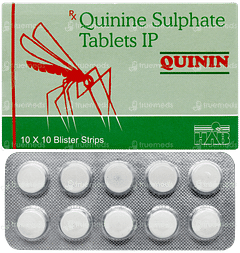
Quinine is an antimalarial medicine used to treat certain forms of malaria.
It is commonly used for:
• Malaria: Treats infection caused by susceptible Plasmodium falciparum parasites.
• Drug-resistant malaria: May be used where quinine is appropriate based on parasite susceptibility and current treatment recommendations.
Side effects of Quinine
Headache
Nausea and vomiting
Tinnitus and hearing loss
Visual disturbances
Dizziness
How Quinine works
Quinine works by interfering with the malaria parasite's ability to break down and use haemoglobin within red blood cells.
This build-up of toxic by-products within the parasite disrupts its normal functioning and eventually kills it.
By clearing the parasite from the bloodstream, quinine helps treat malaria infection. Its exact mechanism in reducing muscle cramps is less well understood but is thought to relate to its effects on muscle excitability.
Certified content
Written By

BDS, MDS
Reviewed By

Bachelor of Dental Surgery
Expert Advice
Dosage Forms Available
Quinine is available for oral ingestion (capsules and tablets).
Age and Dose Restrictions
Quinine is typically recommended for adults and children above the age of 16 years.
Contraindications
Quinine is contraindicated in patients with known hypersensitivity to quinine, quinidine, or mefloquine.
It should not be used by individuals with glucose-6-phosphate dehydrogenase (G6PD) deficiency, myasthenia gravis, optic neuritis or QT interval prolongation on ECG.
Other Medications to Avoid
Quinine can interact with antiarrhythmics (such as amiodarone and sotalol), antiepileptics (such as phenytoin and carbamazepine), anticoagulants (such as warfarin), CYP3A4 inhibitors (such as ketoconazole, erythromycin), and CYP3A4 inducers (such as rifampin).
Overdose and Missed Dose
Overdose of Quinine could lead to potentially severe symptoms like vision impairment, hearing loss, dizziness, nausea, vomiting and hypoglycaemia. If you observe any such symptoms, consult your doctor immediately.
In case you miss a dose, take it as soon as you remember. However, if it's almost time for your next dose, skip the forgotten one and continue with your regular medication schedule. Do not double the dose to catch up.
Management of Side Effects
Most side effects are temporary and generally harmless and resolve when discontinuing this medicine. However, if you experience any severe side effects or worsening of any of the symptoms, please consult your doctor.
For nausea or vomiting, try taking your medicine with or after meals.
Drinking plenty of water can help manage headaches and dizziness.
In case of diarrhoea, ensure to stay hydrated by taking more fluids.
Use in Driving and Operating Machinery
Quinine has side effects such as dizziness and blurred vision, which may affect your ability to drive or operate heavy machinery. Avoid such activities if you experience these symptoms after taking Quinine.
Use in Pregnancy and Lactation
Quinine should only be used in pregnancy and during lactation when clearly needed, under the direct supervision of a doctor.
Caution in Other Conditions
Patients with hepatic impairment or renal failure should exercise caution when taking Quinine as these conditions can significantly increase quinine exposure.
Special Dietary and Lifestyle Recommendations
Ensuring good personal hygiene can help prevent the spread of malaria.
Use insect repellents and sleep under mosquito nets to avoid mosquito bites, especially in malaria-endemic areas.
Maintain regular contact with your doctor for timely monitoring and assessment.
Frequently asked questions
Can Quinine cause hearing loss?
Yes, Quinine can cause reversible hearing loss and tinnitus, which is a ringing or buzzing noise in one or both ears that may be constant or come and go. However, you should notify your doctor right away.
Is Quinine derived from a natural source?
Yes, Quinine is derived from a natural source. It comes from the bark of the cinchona tree. This medication has been used for centuries to manage malaria.
Is Quinine a steroid?
No, Quinine is not a steroid. It is an antimalarial medicine derived from the bark of the cinchona tree.
Does Quinine affect mood or hormones?
Some people taking Quinine might experience side effects such as dizziness or visual disturbances that could indirectly affect their mood.
Can I use Quinine for other conditions apart from malaria?
Quinine is primarily used to manage uncomplicated malaria caused by Plasmodium falciparum. Off-label, it has been used to manage leg cramps, but this usage is warned against due to the risk of severe adverse effects.
Can I become addicted to Quinine?
No, there is no evidence to suggest that Quinine causes addiction or dependency. It should, however, be taken strictly as prescribed by your doctor.
Does the consumption of Quinine lead to weight gain?
Quinine does not typically cause weight gain. However, each individual may have different reactions to a medication. If you notice any significant changes in weight while taking this medicine, consult your doctor.
List of medicines for Quinine




Company
About UsHealth ArticleHealth StoriesHealth LibraryDiseases & Health ConditionsAyurvedaUnderstanding Generic MedicinesAll MedicinesAll BrandsNeed HelpFAQSecuritySavings CalculatorAdvertise with UsSubscribe
Registered Office Address
Grievance Officer
Download Truemeds


Contact Us
Our customer representative team is available 7 days a week from 9 am - 9 pm.
v4.28.20

2026 - Truemeds | All rights reserved. Our content is for informational purposes only. See additional information.

Our Payment Partners




