

- Medicines
- Personal Care
- Skin Cream
- Sunscreen
- Face Wash
- Skin and Body Soap
- Acne Care
- Body Lotions
- Moisturising Lotion
- Moisturising Cream
- Mosquito Repellent
- Moisturising Gel
- Body Wash
- Hair Oils
- Hair Shampoo
- Hair Conditioners
- Hair Supplements
- Hair Colour
- Hair Serum
- Hair Mask
- Hair Solutions
- Baby Diapers and Wipes
- Baby Lotion and Moisturising Cream
- Baby Bath Essentials
- Baby Skin Care
- Baby and Infant Food
- Baby Healthcare
- Women Multivitamins
- Ovulation Test Kit and Women Intimate Care
- Sanitary Pads
- Nutritional Drinks
- Condoms
- Lubricants
- Massage Gels
- Personal Body Massagers
- Men Performance Booster
- Sexual Health Supplements
- Massage Oils
- Ayurveda
- Tooth Paste
- Mouth Ulcer Gel
- Mouthwash
- Toothache and Gum Pain
- Tooth Brush
- Gargle Solution
- Orthopaedic Supports
- Adult Diapers
- Footwear
- Mobility and Support Accessories
- Urinary Support and Care
- Health Conditions
- Bone and Joint Care
- Digestive Care
- Eye Care
- Pain Relief
- Smoking Cessation
- Liver Care
- Stomach Care
- Cold and Cough
- Heart Care
- Kidney Care
- Piles, Fissures & Fistula
- Respiratory Care
- Mental Wellness
- Derma Care
- Pre and Probiotics
- Acidity
- Gas
- Constipation
- Loose Motion/Diarrhoea
- Digestive Fibres
- Digestive Enzymes
- Eye Lubricant Drops
- Lens Solution
- Safety Eye Wear
- Eye Cream
- Eye Vitamins and Supplements
- Eye Drops
- Eye Ointment and Gel
- Nicotine Patch
- Nicotine Gum
- Nicotine Lozenges
- Cough Syrups
- Chest Rubs and Balms
- Nasal Spray
- Lozenges
- Inhalant Capsules
- Cold and Cough Tablets
- Vitamins & Supplements
- Diabetes Care
- Healthcare Devices
- Homeopathic Medicine
- Health Guide
High Blood Cholesterol
High blood cholesterol, or hypercholesterolaemia, is a condition characterised by elevated levels of cholesterol in the blood. It can lead to the formation of plaque in the arteries, increasing the risk of heart attacks, strokes, and other cardiovascular complications. Understanding the causes, symptoms, and management of high blood cholesterol is crucial for preventing and treating this condition..
 50
50Last updated on : 12 Apr, 2026
Read time : 13 mins
Overview of Disease
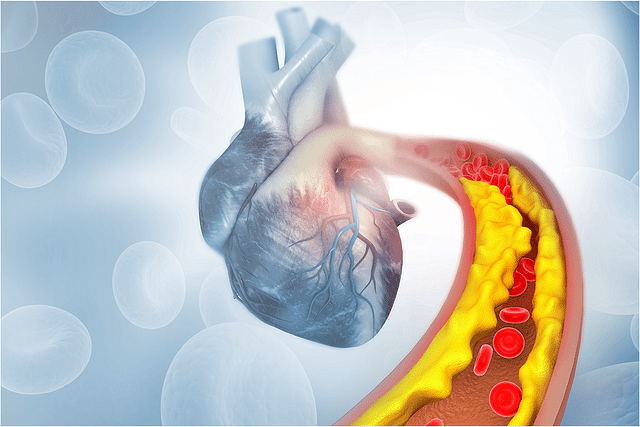
High blood cholesterol is a condition that significantly increases the risk of cardiovascular disease. High blood cholesterol, also known as hypercholesterolaemia, is characterised by elevated levels of cholesterol in the blood. This condition can lead to the formation of plaque in the arteries, resulting in atherosclerosis and potentially causing heart attacks, strokes, and other cardiovascular complications. Understanding the causes, symptoms, and management of high blood cholesterol is essential for preventing and treating this condition. In this article, we will delve into the details of high blood cholesterol, its symptoms, and the importance of early detection and treatment.
What is High Blood Cholesterol?
High blood cholesterol is a condition characterised by an excessive amount of cholesterol in the blood. Cholesterol is a waxy, fat-like substance that is essential for various bodily functions, such as building cell membranes, producing hormones, and synthesising vitamin D.
However, when cholesterol levels become too high, it can combine with other substances in the blood to form plaque, which sticks to the walls of the arteries and leads to atherosclerosis.
According to the CDC (2024), there are two main types of cholesterol:
- Low-density lipoprotein (LDL or "bad" cholesterol)
- High-density lipoprotein (HDL or "good" cholesterol)
Additionally, very-low-density lipoprotein (VLDL) is a type of lipoprotein produced by the liver that primarily transports triglycerides, a form of fat, in the bloodstream. It is classified as one of the "bad" forms of cholesterol, along with LDL. LDL cholesterol transports cholesterol particles throughout the body and can contribute to the formation of plaque, whereas HDL cholesterol picks up excess cholesterol and returns it to the liver for removal. Maintaining optimal LDL cholesterol levels is crucial to reducing the risk of high blood cholesterol and its associated complications.
Key Factors about High Blood Cholesterol
| Category | Details |
| Also Referred as |
|
| Commonly Occurs In |
|
| Affected Organ |
|
| Type |
|
| Common Signs |
|
| Consulting Specialist |
|
| Treatment Procedures |
|
| Managed By |
|
| Mimicking Condition |
|
Symptoms of High Blood Cholesterol
High blood cholesterol often does not exhibit noticeable symptoms until it has caused significant damage to the cardiovascular system.
However, it is essential to be aware of the potential complications associated with high blood cholesterol:
- Chest pain: If the arteries that supply the heart with blood become narrowed or blocked, it can cause chest pain (angina) and other symptoms of coronary artery disease.
- Shortness of breath: High blood cholesterol can lead to heart failure, which can cause shortness of breath and fatigue.
- Leg pain: Peripheral artery disease, a condition caused by high blood cholesterol, can cause leg pain and cramping.
- Stroke: High blood cholesterol can increase the risk of stroke, which can cause sudden weakness, numbness, or paralysis.
Although the symptoms of hypercholesterolaemia may not be apparent, regular blood tests can help detect high LDL cholesterol levels and guide appropriate treatment strategies.
According to NHLBI (2024), people with high blood cholesterol also show the following signs:
- Fatty bumps or xanthomas on the skin
- Greyish-white rings that appear around the cornea in the eye (corneal arcus)
How Does High Blood Cholesterol Affect Your Body?
High blood cholesterol can have a significant impact on the body, primarily by increasing the risk of heart disease. When excessive cholesterol accumulates in the blood, it can form deposits called plaque on the walls of arteries, leading to a condition known as atherosclerosis.
Over time, these plaques can narrow or block the arteries, thereby reducing blood flow to vital organs, such as the heart and brain. This can result in various health issues, including chest pain (angina), heart attack, or stroke. Additionally, high cholesterol can lead to peripheral artery disease, which affects blood flow to the limbs. The buildup of plaque in the arteries supplying the heart can cause coronary artery disease, which may lead to heart failure in advanced cases.
Recognising the effects of high blood cholesterol on the body emphasises the importance of maintaining healthy cholesterol levels and seeking appropriate treatment for hypercholesterolaemia when necessary.
Causes of High Blood Cholesterol
Several factors can contribute to the development of high LDL cholesterol:
- Dietary factors: Consuming a diet high in saturated fats and trans fats, found in fatty meats, full-fat dairy products, and processed snacks, can significantly raise cholesterol levels.
- Genetic disorders: Familial hypercholesterolaemia is an inherited condition that causes very high LDL cholesterol levels from a young age.
- Lifestyle choices: Lack of physical activity, smoking, and excessive alcohol consumption can increase the risk of developing high blood cholesterol.
- Medical conditions: Certain health issues, such as diabetes, high blood pressure, obesity, and hypothyroidism, can lead to unhealthy cholesterol levels.
- Medications: Certain medications, including those used for cardiovascular conditions, antipsychotics, and steroids, can have a negative impact on cholesterol levels.
Risk Factors
Several risk factors can contribute to the development of high blood cholesterol, and understanding these factors is crucial for managing and preventing this condition. Risk factors can be classified as either controllable or uncontrollable:
Controllable Risk Factors:
- Poor diet: Consuming high amounts of saturated and trans fats can significantly increase cholesterol levels.
- Obesity: Being overweight or obese raises the risk of developing high blood cholesterol.
- Lack of physical activity: A sedentary lifestyle can lead to weight gain and higher LDL levels.
- Smoking: Cigarette smoking damages blood vessels and lowers HDL (good) cholesterol levels.
Uncontrollable Risk Factors:
- Age: As people age, their risk of developing high cholesterol increases.
- Family history: Genetics play a role in cholesterol levels, and having a family history of high cholesterol or heart disease can increase an individual's risk.
- Gender: Men tend to have higher LDL levels than women, especially before menopause.
Complications
High blood cholesterol can lead to various serious health complications, primarily affecting the cardiovascular system and other vital organs:
Cardiovascular Disease
- Atherosclerotic cardiovascular disease, characterised by plaque buildup in the arteries
- Narrowed arteries and restricted blood flow to the heart, brain, and other organs
Coronary Heart Disease
- Plaque accumulation in the arteries supplying blood to the heart, causing angina or a heart attack
- Plaque rupture and clot formation can block blood flow to the heart
Stroke
- Plaque buildup in the arteries leading to the brain can potentially cause a stroke if blood flow is blocked.
- Strokes can result in brain damage, memory loss, loss of motor function, and difficulty with speech or other cognitive functions.
Peripheral Vascular Disease
- Plaque buildup in arteries outside the heart and brain, leading to peripheral vascular disease
- Narrowed arteries and reduced blood flow to other body parts, causing cramps and pain during physical activity.
High blood cholesterol can also contribute to high blood pressure, diabetes, and erectile dysfunction. By understanding these potential complications, individuals can take proactive steps to manage their cholesterol levels and reduce their risk of developing serious health issues.
Prevention of High Blood Cholesterol
Preventing high blood cholesterol involves a multifaceted approach that combines lifestyle modifications and, when necessary, medical interventions.
- Adopting a heart-healthy diet is crucial, focusing on consuming more fruits, vegetables, whole grains, lean proteins, and healthy fats while limiting saturated and trans fats, cholesterol, and added sugars.
- Regular physical activity, aiming for at least 150 minutes of moderate-intensity exercise per week, can help raise HDL cholesterol levels and improve overall cardiovascular health.
- Maintaining a healthy weight is also essential, as excess body fat can contribute to higher levels of LDL cholesterol.
- Quitting smoking and limiting alcohol consumption are additional lifestyle changes that can positively impact cholesterol levels.
- Adults are recommended to have their cholesterol checked every 4 to 6 years. Those with risk factors, such as a family history of high cholesterol, should be tested more frequently.
Diagnosis & Tests
Diagnosing high blood cholesterol typically involves a combination of physical examination, review of medical history, and blood tests:
Physical Examination
- Assessment of weight, height, and body mass index
- Measurement of blood pressure
- Examination of skin and eyes for signs of high cholesterol, such as xanthomas or corneal arcus
Medical History
- Review of family history of high cholesterol or cardiovascular disease
- Discussion of lifestyle factors, such as diet, physical activity, and smoking habits
- Assessment of other risk factors, such as diabetes or hypertension
Blood Tests
- Lipid profile measures total cholesterol, LDL cholesterol, HDL cholesterol, and triglycerides.
- Additional tests, such as lipoprotein(a) or apolipoprotein B, may be ordered in some cases.
Based on the results of these diagnostic tests, doctors can determine if an individual has high blood cholesterol and develop an appropriate treatment plan to manage the condition and reduce the risk of complications.
Treatment & Management
The treatment of high blood cholesterol includes lifestyle modifications, medications and dietary interventions to reduce low-density lipoprotein (LDL) cholesterol, increase high-density lipoprotein (HDL) cholesterol, and prevent cardiovascular complications. Here are the treatment options:
1. Statins (HMG-CoA Reductase Inhibitors)
Statins are the most widely prescribed medications for managing high LDL cholesterol levels.
- Rosuvastatin: It powerfully reduces LDL and has modest effects on raising HDL, making it suitable for high-risk patients.
- Atorvastatin: A commonly used statin that lowers LDL and triglycerides while improving overall lipid balance.
- Lovastatin: It helps reduce LDL cholesterol levels and is often used along with dietary measures.
- Simvastatin: Effective in long-term cardiovascular risk reduction through LDL-lowering effects.
2. Fibrates (Lipoprotein Lipase Activators)
These agents are beneficial in cases of high triglycerides and low HDL cholesterol.
- Fenofibrate: It lowers triglyceride levels and raises HDL cholesterol, especially in metabolic syndrome.
- Bezafibrate: Offers balanced lipid-modifying effects, used for the treatment of mixed dyslipidaemia.
- Gemfibrozil: It is effective for triglyceride control and is often prescribed when statins are contraindicated.
- Clofibrate: Though rarely used today due to safety concerns, it may be considered in select cases of hypertriglyceridaemia.
3. Bile Acid Sequestrants
These agents lower cholesterol by interfering with bile acid reabsorption in the intestine.
- Cholestyramine: It binds bile acids, promoting cholesterol elimination from the body.
- Colestipol: An alternative sequestrant that enhances LDL clearance from the bloodstream.
4. Sterol Absorption Inhibitor
This class works by reducing intestinal cholesterol absorption.
- Ezetimibe: It lowers LDL cholesterol and is often combined with statins for an additive benefit in cases of inadequate response to statins alone.
5. Lipolysis and Triglyceride Synthesis Inhibitor
Used in specific cases requiring comprehensive lipid control.
- Nicotinic Acid (niacin): It raises HDL, reduces LDL, and lowers triglycerides, though its use is limited due to side effects and lack of routine recommendation in current guidelines.
6. Dietary Management
Eating a heart-healthy diet rich in fruits, vegetables, whole grains, and lean proteins can help manage cholesterol levels. Reducing the intake of saturated fats, trans fats, and dietary cholesterol is essential for naturally improving lipid profiles.
Living with High Blood Cholesterol
Adapting to a life with high blood cholesterol may seem challenging at first, but with the right mindset and support, you can successfully manage your condition and maintain a high quality of life.
- Educate yourself: Learn as much as you can about high blood cholesterol, its causes, and the steps you can take to control it. Stay informed about the latest research and treatment options to make informed decisions about your health.
- Develop a support system: Surround yourself with supportive family members, friends, and healthcare professionals who can provide encouragement and guidance as you navigate your journey to improved cardiovascular health.
- Monitor your progress: Regularly track your cholesterol levels through blood tests and work with your healthcare team to adjust your treatment plan as needed. Celebrate your successes and learn from any setbacks that arise.
- Manage stress: Chronic stress may contribute to unhealthy lifestyle behaviours that affect cholesterol levels. Engage in stress-reducing activities, such as meditation, yoga, or deep breathing exercises, to maintain emotional well-being and support your overall health.
Remember, living with high blood cholesterol is an ongoing process that requires patience, perseverance, and a proactive approach to self-care. By committing to a healthy lifestyle and adhering to your treatment plan, you can effectively manage your condition and reduce your risk of serious complications.
When to See a Doctor?
If you have a family history of high blood cholesterol or are experiencing possible complications such as chest pain, shortness of breath, or numbness in the extremities, it is essential to consult your doctor.
Your doctor can perform a simple blood test called a lipid profile to measure your total cholesterol, LDL cholesterol, HDL cholesterol, and triglyceride levels. Based on the results and your overall risk factors, your doctor can determine whether you have high blood cholesterol and develop an appropriate treatment plan.
Even if you are not experiencing symptoms, it is recommended that adults undergo a cholesterol check as part of a regular health check-up. Younger adults should undergo a test every 4 to 6 years, while men aged 45 to 65 and women aged 55 to 65 should undergo testing every 1 to 2 years.
If you are diagnosed with high blood cholesterol, your doctor will work with you to establish a monitoring schedule and adjust your treatment as needed to help you reach and maintain healthy cholesterol levels.
By partnering with your healthcare team and taking an active role in your care, you can effectively manage high blood cholesterol and reduce your risk of developing serious cardiovascular complications.
Key Takeaways
- High blood cholesterol often has no noticeable symptoms, so regular screening is crucial for early detection and effective management.
- Risk factors for high cholesterol include a family history of the condition, obesity, diabetes, smoking, and a diet high in saturated and trans fats.
- Diagnosing high blood cholesterol involves a combination of physical examinations, a review of medical history, and blood tests.
- Lifestyle modifications, such as adopting a heart-healthy diet, engaging in regular physical activity, and maintaining a healthy body weight, are essential for managing high blood cholesterol levels.
- When lifestyle changes alone are insufficient, cholesterol-lowering medications, such as statins, may be prescribed.
- Regular monitoring of cholesterol levels and adherence to treatment plans are crucial for effectively managing high blood cholesterol and reducing the risk of cardiovascular disease.
FAQs
What other terms are used to describe high cholesterol levels?
High cholesterol is also referred to as hyperlipidaemia, hypercholesterolaemia, or dyslipidaemia. These medical terms all describe elevated levels of cholesterol in the blood.
Are there any alternative names for cholesterol?
Cholesterol can be called a lipid or a fat. High cholesterol may also be termed a lipid disorder or hyperlipoproteinaemia.
What is the common name for 'bad' cholesterol?
Low-density lipoprotein (LDL) cholesterol is commonly known as the 'bad' cholesterol, as high levels can contribute to heart disease.
Are there different categories or types of cholesterol?
Yes, cholesterol can be categorised into LDL (bad cholesterol), HDL cholesterol (good cholesterol), and triglycerides. Total cholesterol is the sum of all types.
Which type of cholesterol is considered the most beneficial?
HDL cholesterol is often called the 'best' or 'good' cholesterol, as higher levels are protective against heart disease.
What other substances are similar to cholesterol in terms of health impact?
Triglycerides and other lipids can have similar impacts on health as cholesterol. However, cholesterol is a unique lipid essential for various bodily functions.
Does high cholesterol always cause noticeable symptoms?
High cholesterol often does not present with immediate symptoms. However, over time, it can contribute to the development of atherosclerosis and increase the risk of heart disease.
References
- CDC. (2024). LDL and HDL cholesterol and triglycerides. Centers for Disease Control and Prevention. https://www.cdc.gov/cholesterol/about/ldl-and-hdl-cholesterol-and-triglycerides.html?CDC_AAref_Val=https://www.cdc.gov/cholesterol/ldl_hdl.htm
- National Heart, Lung, and Blood Institute (NHLBI). (2024). Blood cholesterol. https://www.nhlbi.nih.gov/health/blood-cholesterol
- Soliman, G. (2018). Dietary cholesterol and the lack of evidence in cardiovascular disease. Nutrients, 10(6), 780. https://doi.org/10.3390/nu10060780
- National Library of Medicine. (n.d.). Cholesterol. MedlinePlus. https://medlineplus.gov/cholesterol.html
- National Library of Medicine. (n.d.-b). LDL: the “Bad” cholesterol. https://medlineplus.gov/ldlthebadcholesterol.html
Latest health articles

Top Health Essentials












Disclaimer
Top-Selling Medicines:
...View more
Top-OTC medicines:
...View more
Company
About UsHealth ArticleHealth StoriesHealth LibraryDiseases & Health ConditionsAyurvedaUnderstanding Generic MedicinesAll MedicinesAll BrandsNeed HelpFAQSecuritySavings CalculatorAdvertise with UsSubscribe
Registered Office Address
Grievance Officer
Download Truemeds


Contact Us
Our customer representative team is available 7 days a week from 9 am - 9 pm.
v4.28.20

2026 - Truemeds | All rights reserved. Our content is for informational purposes only. See additional information.

Our Payment Partners




