

- Medicines
- Personal Care
- Skin Cream
- Sunscreen
- Face Wash
- Skin and Body Soap
- Acne Care
- Body Lotions
- Moisturising Lotion
- Moisturising Cream
- Mosquito Repellent
- Moisturising Gel
- Body Wash
- Hair Oils
- Hair Shampoo
- Hair Conditioners
- Hair Supplements
- Hair Colour
- Hair Serum
- Hair Mask
- Hair Solutions
- Baby Diapers and Wipes
- Baby Lotion and Moisturising Cream
- Baby Bath Essentials
- Baby Skin Care
- Baby and Infant Food
- Baby Healthcare
- Women Multivitamins
- Ovulation Test Kit and Women Intimate Care
- Sanitary Pads
- Nutritional Drinks
- Condoms
- Lubricants
- Massage Gels
- Personal Body Massagers
- Men Performance Booster
- Sexual Health Supplements
- Massage Oils
- Ayurveda
- Tooth Paste
- Mouth Ulcer Gel
- Mouthwash
- Toothache and Gum Pain
- Tooth Brush
- Gargle Solution
- Orthopaedic Supports
- Adult Diapers
- Footwear
- Mobility and Support Accessories
- Urinary Support and Care
- Health Conditions
- Bone and Joint Care
- Digestive Care
- Eye Care
- Pain Relief
- Smoking Cessation
- Liver Care
- Stomach Care
- Cold and Cough
- Heart Care
- Kidney Care
- Piles, Fissures & Fistula
- Respiratory Care
- Mental Wellness
- Derma Care
- Pre and Probiotics
- Acidity
- Gas
- Constipation
- Loose Motion/Diarrhoea
- Digestive Fibres
- Digestive Enzymes
- Eye Lubricant Drops
- Lens Solution
- Safety Eye Wear
- Eye Cream
- Eye Vitamins and Supplements
- Eye Drops
- Eye Ointment and Gel
- Nicotine Patch
- Nicotine Gum
- Nicotine Lozenges
- Cough Syrups
- Chest Rubs and Balms
- Nasal Spray
- Lozenges
- Inhalant Capsules
- Cold and Cough Tablets
- Vitamins & Supplements
- Diabetes Care
- Healthcare Devices
- Homeopathic Medicine
- Health Guide
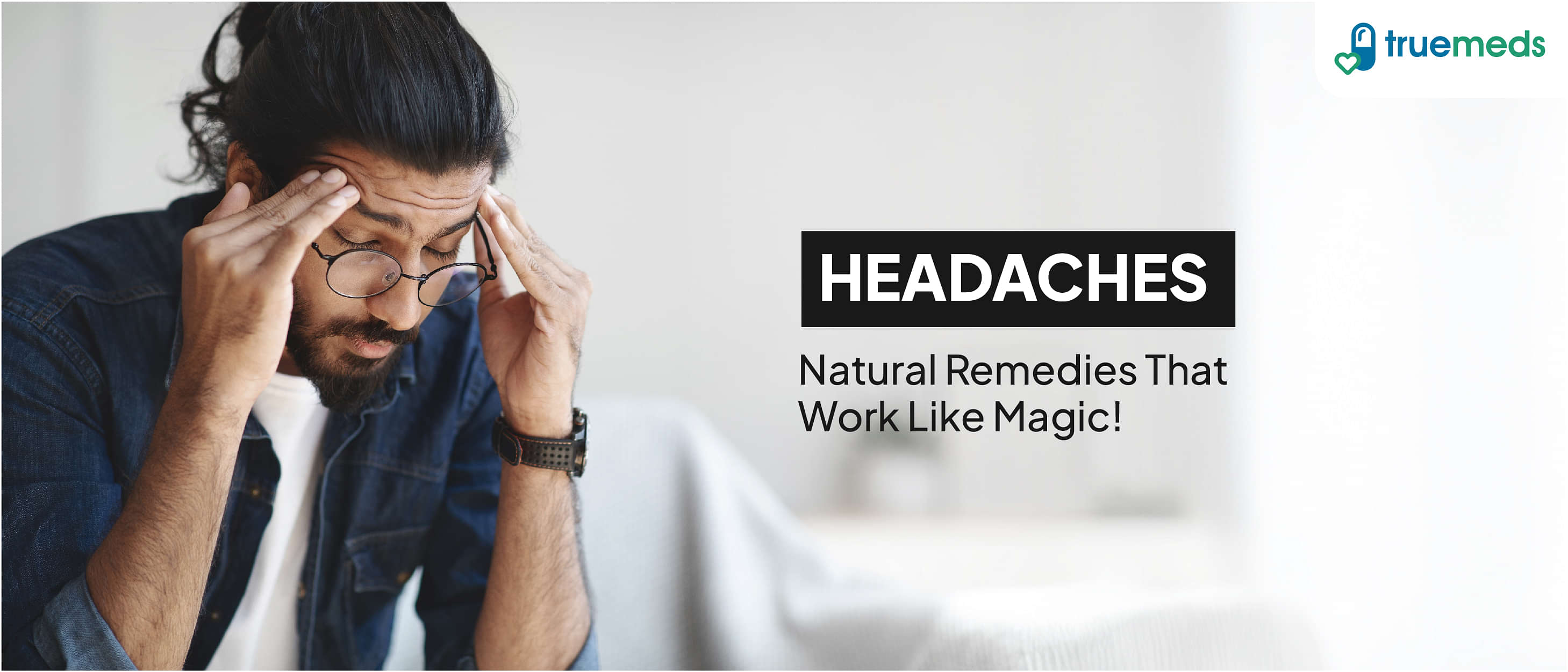
Top 10 Home Remedies for Headaches
Last updated on : 01 Dec, 2025
Read time : 9 min
Headaches are among the most common health complaints, affecting people of all ages. Whether it’s due to stress, poor posture, dehydration, or an underlying condition like migraine or sinusitis, the pain can interrupt your day. Fortunately, many home remedies for headaches offer quick, temporary relief without the immediate need for medication.
In this blog, we’ll share 10 effective home remedies to relieve headaches naturally and prevent them from recurring.
10 Effective Home Remedies for Headache Relief
Here are some home remedies for headaches you can try:
1. Consider a cold pack
If you are suffering from a migraine, place a cold compress on your forehead. You can also use ice cubes wrapped in a towel, a bag of frozen vegetables, or a cold shower. Keep the cold compress on your head for at least 15 minutes, then take a 15-minute break. Cold therapy may help by constricting blood vessels and numbing the area, providing relief from pain [1], [2].
2. Try a heat pack or a hot compress
If you are experiencing a tension headache, apply a hot compress to the back of your neck or the back of your head. Heat therapy can help relax tight muscles that contribute to tension headaches. If a sinus headache is troubling you, try applying a warm cloth to the area that hurts the most. A warm shower may also be helpful in this situation.
3. Relieve pressure from your head
Wearing your ponytail too tightly or too high can trigger what’s known as an external compression headache. This type of headache can also result from wearing tight hats, headbands, helmets, or even swimming goggles for extended periods. Loosening or removing the offending item should lead to immediate relief.
4. Dimming the lights can help
Bright or glistening lights in the room or from any screen can trigger migraine headaches. If you experience them frequently, consider covering your room’s windows with dark or blackout curtains during the day. You may also use anti-glare screens on your laptops and computers, and consider using warmer, daylight-spectrum bulbs at your location to reduce eye strain [3].
5. Keep yourself hydrated
Drink plenty of water, as dehydration can cause or exacerbate a headache [4]. Several studies have shown that inadequate hydration is a common factor in headaches. Try to sip water slowly and consistently throughout the day.
6. Have some caffeine
Sipping beverages like hot tea or coffee, which contain caffeine, may provide relief from a headache. Caffeine is known to improve mood, alertness, and constrict blood vessels, which can help alleviate certain types of headaches [5]. Some studies have shown that caffeine may also increase the effectiveness of common pain relievers, such as aspirin or paracetamol, when taken for a headache.
7. Practice relaxation regularly
If you experience neck muscle spasms, consider discussing physical therapy options with your doctor. You can also try gentle stretches, yoga, meditation, or progressive muscle relaxation techniques to help alleviate stress. Learning how to relax your body, especially during a headache, can help reduce both the intensity and duration of the headache.
8. Try a massage
It is a solution that you can do on your own. Massaging your forehead, neck, and temples can help relieve tension headaches, which may be caused by stress or muscle tightness. Applying gentle, rotating pressure to the painful or tense area can often provide relief.
9. Have some ginger
Ginger is a traditional remedy known for its anti-inflammatory properties and has been studied for its potential role in headache relief. According to a meta-analysis of randomised controlled trials, consuming ginger alongside regular pain medicines can help with headaches and nausea due to migraines [6], [7]. You can try ginger as a supplement or brew some tea along with it.
10. Use over-the-counter medications
Over-the-counter pain relievers are available for many types of headaches. To maximise benefits, always read and follow the directions on the label carefully and consider these general guidelines.
- Consult a doctor or pharmacist about whether to choose liquid or pill formulations, as absorption times can vary.
- Aspirin should not be given to children or teenagers due to the risk of Reye’s syndrome. Use appropriate alternatives like paracetamol (acetaminophen) and consult a doctor if the pain persists.
- Take painkillers as soon as the pain starts for the best effect.
- Limit the use of over-the-counter pain medications to no more than two or three days a week. Overusing acute headache medications can ironically lead to a condition called medication-overuse headache (MOH) or rebound headache.
Lifestyle Tips to Prevent Headaches
If the above-mentioned natural remedies for headaches are not working for you, or if you are looking to reduce the frequency of headaches, consider these preventive lifestyle changes:
- Regular Exercise: Engaging in regular physical activity can improve circulation and reduce the frequency and intensity of headaches. Exercise helps release endorphins, the body’s natural painkillers. Consistent aerobic exercise, for example, has been found to be an effective preventative strategy for migraine headaches [8].
- Consistent Eating and Sleeping Schedule: Maintaining a routine for meals and sleep can prevent headaches. Irregular eating patterns can cause blood sugar levels to fluctuate, triggering headaches, while poor sleep can lead to fatigue and an increase in headache frequency.
- Limit Screen Time: Overexposure to screens from smartphones, TVs, and computers can strain your eyes and mind, leading to headaches. Incorporating regular 20-20-20 screen-free breaks into your daily schedule (look 20 feet away for 20 seconds every 20 minutes) can alleviate this strain and provide your mind with a much-needed rest.
- Get your Eyesight Checked: Strained eyesight can be a significant cause of headaches. If you wear glasses, ensuring your prescription is up to date can help alleviate this strain and reduce the frequency of headaches.
- Stop Smoking: Smoking can trigger headaches due to nicotine’s effect on blood vessels in the brain. Quitting smoking is a vital step to a noticeable reduction in headache frequency and severity.
- Reduce Alcohol Consumption: Alcohol can cause dehydration and dilate blood vessels, leading to headaches. Cutting back, or avoiding known trigger beverages, can help prevent these headaches.
- Listen to Calming Sounds: Calming music or recorded nature sounds can promote relaxation and ease body tension. This can help slow your breathing and alleviate headache symptoms, making you feel more relaxed and comfortable.
When to See a Doctor for Headaches
Seek immediate medical attention when you experience:
- A headache that follows a head injury.
- A headache that comes along with dizziness, speech problems, or any other neurological symptoms.
- A sudden, severe, or “thunderclap” headache, as this may indicate a serious condition.
- A headache that does not heal and gets worse even after the intake of medicines.
- A persistent headache that is new or different from previous headaches, especially if accompanied by fever or a stiff neck.
Takeaway
Headaches can disrupt your routine, but with the right home remedies and preventive steps, you can often manage them naturally. From staying hydrated to practising relaxation techniques, simple changes can provide effective relief.
However, always consult a doctor if the pain persists, is severe, or is accompanied by unusual symptoms. Stay informed, listen to your body, and prioritise self-care for long-term headache relief.
Expert Quote
“Most headaches are not dangerous and can be relieved through simple home remedies like hydration, rest, and lifestyle changes. However, recurring or severe headaches require medical evaluation by a doctor, who can rule out secondary causes and create a tailored treatment plan.”
-Dr. Kavya Rejikumar
Frequently Asked Questions (FAQs)
How do you relieve a headache fast?
To relieve a headache quickly, drink plenty of water to stay hydrated and rest in a dark, quiet room to calm your senses. You can also apply a cold or warm compress to your forehead or neck to ease tension and provide fast, temporary relief.
Which drink helps with headaches?
For headache relief at home, try drinking plain water to combat dehydration, or herbal teas like peppermint or ginger tea, which have traditionally been used to calm symptoms.
Which pressure point relieves headaches?
For headache relief at home, you can use the pressure point known as LI-4 or Hegu, located on the back of the hand between the thumb and index finger. Applying firm pressure to this point for several minutes is a common technique used to help alleviate headache pain.
How can I relieve a headache myself?
For headache relief at home, try massaging your temples and neck, applying a cold or warm compress, and drinking plenty of water to stay hydrated. Practicing relaxation techniques like deep breathing or meditation can also help ease tension.
What foods help relieve headaches?
Foods rich in magnesium, such as spinach and almonds, may help relieve headaches by relaxing blood vessels. Foods high in omega-3 fatty acids, such as salmon and flaxseeds, have anti-inflammatory properties. Additionally, ginger can reduce migraine severity due to its anti-inflammatory and pain-relieving effects.
Is coffee good for headaches?
Coffee (caffeine) can help relieve some headaches by constricting blood vessels and improving the effect of some pain medications. However, regular or excessive consumption can also be a trigger for headaches or lead to medication-overuse headaches, so it should be consumed in moderation.
How to sleep with a headache?
To sleep with a headache, create a comfortable and relaxing environment by dimming the lights and keeping the room quiet. Using a supportive pillow, practising deep breathing, and applying a cool compress to your forehead can help you fall asleep more easily despite the discomfort.
References
[1] Jensen, O., Nielsen, F., & Vosmar, L. (1990). An open study comparing manual therapy with the use of cold packs in the treatment of post-traumatic headache. Cephalalgia, 10(5), 241–250. https://doi.org/10.1046/j.1468-2982.1990.1005241.x
[2] Motta, P., Barone, A., Censi, M., & Manzoni, G. C. (2018). The effect of cold therapy in primary headache: a narrative review. Neurological Sciences, 39(Suppl 1), 69–72. https://doi.org/10.1007/s10072-018-3486-1
[3] Shao, Y., Ma, C., Liu, C., & Zhang, Y. (2020). Effects of light-emitting diode light on visual fatigue and discomfort. Chinese Medical Journal, 133(11), 1332–1339. https://doi.org/10.4103/0366-6999.288219
[4] Arca, K. N., & Singh, R. B. H. (2021). Dehydration and headache. Current Pain and Headache Reports, 25(8), 1-8. https://doi.org/10.1007/s11916-021-00966-z
[5] Lipton, R. B., Diener, H., Robbins, M. S., Garas, S. Y., & Patel, K. (2017). Caffeine in the management of patients with headache. The Journal of Headache and Pain, 18(1), 1-13. https://doi.org/10.1186/s10194-017-0806-2
[6] Chen, L., & Cai, Z. (2020). The efficacy of ginger for the treatment of migraine: A meta-analysis of randomized controlled studies. The American Journal of Emergency Medicine, 46, 567–571. https://doi.org/10.1016/j.ajem.2020.11.030
[7] Andrade, C. (2021). Ginger for migraine. The Journal of Clinical Psychiatry, 82(6), 1-3. https://doi.org/10.4088/jcp.21f14325
[8] Barber, M., & Pace, A. (2020). Exercise and migraine prevention: a review of the literature. Current Pain and Headache Reports, 24(8), 1-7. https://doi.org/10.1007/s11916-020-00868-6
[9] American Headache Society. (2021). Medication Overuse Headache. Retrieved from https://americanheadachesociety.org/news/medication-overuse-headache/













Disclaimer
Our healthcare experts have carefully reviewed and compiled the information presented here to ensure accuracy and trustworthiness. It is important to note that this information serves as a general overview of the topic and is for informational purposes only. It is not intended to diagnose, prevent, or cure any health problem. This page does not establish a doctor-patient relationship, nor does it replace the advice or consultation of a registered medical practitioner. We recommend seeking guidance from your registered medical practitioner for any questions or concerns regarding your medical condition.
Popular Articles

Recommended Articles

Recent Articles







Company
About UsHealth ArticleHealth StoriesHealth LibraryDiseases & Health ConditionsAyurvedaAll MedicinesAll BrandsNeed HelpFAQSecuritySubscribe
Registered Office Address
Grievance Officer
Download Truemeds


Contact Us
Our customer representative team is available 7 days a week from 9 am - 9 pm.
v4.8.2

2025 - Truemeds | All rights reserved. Our content is for informational purposes only. See additional information.

Our Payment Partners




