

- Medicines
- Personal Care
- Skin Cream
- Sunscreen
- Face Wash
- Skin and Body Soap
- Acne Care
- Body Lotions
- Moisturising Lotion
- Moisturising Cream
- Mosquito Repellent
- Moisturising Gel
- Body Wash
- Hair Oils
- Hair Shampoo
- Hair Conditioners
- Hair Supplements
- Hair Colour
- Hair Serum
- Hair Mask
- Hair Solutions
- Baby Diapers and Wipes
- Baby Lotion and Moisturising Cream
- Baby Bath Essentials
- Baby Skin Care
- Baby and Infant Food
- Baby Healthcare
- Women Multivitamins
- Ovulation Test Kit and Women Intimate Care
- Sanitary Pads
- Nutritional Drinks
- Condoms
- Lubricants
- Massage Gels
- Personal Body Massagers
- Men Performance Booster
- Sexual Health Supplements
- Massage Oils
- Ayurveda
- Tooth Paste
- Mouth Ulcer Gel
- Mouthwash
- Toothache and Gum Pain
- Tooth Brush
- Gargle Solution
- Orthopaedic Supports
- Adult Diapers
- Footwear
- Mobility and Support Accessories
- Urinary Support and Care
- Health Conditions
- Bone and Joint Care
- Digestive Care
- Eye Care
- Pain Relief
- Smoking Cessation
- Liver Care
- Stomach Care
- Cold and Cough
- Heart Care
- Kidney Care
- Piles, Fissures & Fistula
- Respiratory Care
- Mental Wellness
- Derma Care
- Pre and Probiotics
- Acidity
- Gas
- Constipation
- Loose Motion/Diarrhoea
- Digestive Fibres
- Digestive Enzymes
- Eye Lubricant Drops
- Lens Solution
- Safety Eye Wear
- Eye Cream
- Eye Vitamins and Supplements
- Eye Drops
- Eye Ointment and Gel
- Nicotine Patch
- Nicotine Gum
- Nicotine Lozenges
- Cough Syrups
- Chest Rubs and Balms
- Nasal Spray
- Lozenges
- Inhalant Capsules
- Cold and Cough Tablets
- Vitamins & Supplements
- Diabetes Care
- Healthcare Devices
- Homeopathic Medicine
- Health Guide
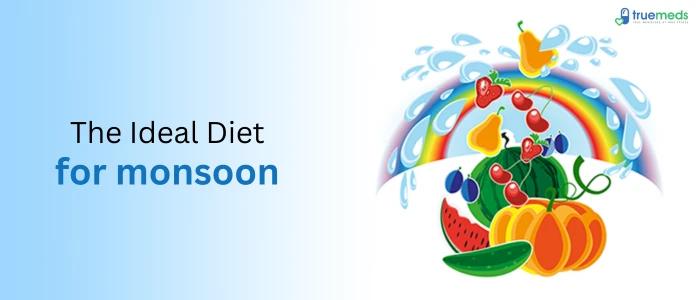
The Monsoon Diet: Enhancing Immunity and Digestive Health
Last updated on : 15 Dec, 2025
Read time : 12 min
When the monsoon season arrives, it’s not just a relief from the intense summer heat; it also necessitates some modifications in our daily routine and eating habits. The shift in weather, particularly increased humidity, can affect digestive processes and elevate the risk of waterborne and vector-borne infections [1]. By making minor changes to your food habits, you can maintain a balanced lifestyle even during the rainy season.
With reduced opportunity for outdoor physical activity, paying attention to the kind of food we consume becomes essential.
This blog will explore why modifying our diet during the monsoon is beneficial, provide food items that support our health during this season, discuss nutrition strategies to combat the monsoon, and highlight foods to avoid.
Summer Diet Vs. Monsoon Diet: Know the Difference
Staying healthy during the rains is just as essential as staying healthy during the summer. Let’s look at why we prefer different types of food in the summer and monsoon seasons, focusing on foods that support easier digestion and higher immunity during a season prone to illness [2].
|
Category |
Summers |
Monsoons |
| Fruits | Mangoes, watermelons, muskmelons, lychees, pineapples, grapes, papayas | Jamun, pomegranates, apples, pears, plums, litchis, cherries |
| Vegetables | Cucumber, bottle gourd, bitter gourd, pumpkin, green beans, ridge gourd, ladyfinger, fresh leafy greens (must be thoroughly washed) | Gourds (e.g., bottle gourd, ridge gourd), bitter gourd, indian squash (tinda), colocasia (arbi), well-cooked spinach, well-cooked fenugreek leaves (methi), pumpkin |
| Warm Beverages | Buttermilk, lemonade, coconut water, aam panna, mint cooler | Masala tea, ginger tea, herbal teas (tulsi, chamomile, lemongrass), turmeric milk, hot soups (tomato, lentil) |
| Grains and Cereals | Rice, wheat, barley, bajra, jowar | Rice, oats, quinoa, barley, millet |
| Proteins | Lentils (moong, masoor), chickpeas, paneer, fish (light, white fish), chicken, yoghurt | Lentils (tur, chana, especially moong dal due to ease of digestion), black gram, kidney beans, Paneer, eggs (boiled or poached), chicken |
| Spices | Cumin, coriander, fennel, cardamom, mint, aniseed | Turmeric, ginger, garlic, black pepper, cloves, hing, mustard seeds |
| Dairy Products | Curd, buttermilk, paneer, fresh cream | Milk (preferably boiled), ghee, paneer, yoghurt (in moderation and made with pasteurised milk) |
| Oils and Fats | Coconut oil, olive oil, mustard oil (in moderation) | Ghee, mustard oil, sesame oil |
Why You Need To Change Your Diet For Monsoon
High humidity during the monsoon can slow down digestion and increase the chances of minor stomach issues. While the digestive system does not structurally weaken, the high moisture content in the air and food, coupled with changes in gut flora, can make the process less efficient, potentially leading to symptoms like indigestion and bloating [3]. Further, stagnant water due to the rains attracts mosquitoes, which increases the potential risk of spreading diseases like dengue and malaria.
Specific dietary adjustments are necessary to maintain immunity and ensure proper digestion during the season. The digestive system needs to be kept healthy by consuming light foods, such as soups, steamed vegetables, and boiled grains, which are easily digestible. Foods that may boost immunity, such as citrus fruits, ginger, garlic, and turmeric, should definitely be part of your diet to help keep your body infection-free by providing essential micronutrients and anti-inflammatory compounds [4]. You can reduce the risk of infections by maintaining good hydration with clean, boiled, filtered water and avoiding street food or raw foods that are potentially contaminated.
How to Manage Health and Weight in Monsoon
Here are the monsoon health tips to maintain your health and manage weight during the monsoon season, when rains keep you indoors:
- Indoor Exercises: Weight management during the monsoon can be quite a task. If you can’t step out to jog or walk, do yoga, pilates, or body exercises from home, such as jumping jacks, squatting, and pushups, to keep you active.
- Diet to Choose: A healthy monsoon diet is crucial for enjoying the monsoons throughout. Focus on high-fibre, low-calorie options like fruits, green vegetables, and whole grains and limit fried foods and oily dishes that are high in saturated fats and difficult to digest [3].
- Keep Hydrated: Drink enough water to keep yourself hydrated, which helps the body flush out all of the toxins. Water intake should primarily be via clean, boiled, or filtered sources.
- Eat Regular Meals: Eat regularly. Have your breakfast, lunch and dinner on time so that you avoid bingeing on food items.
- Healthy Snacking: Opt for light yet healthful snacks like fruits, nuts, and yoghurt (made from pasteurised milk) to keep you energised without adding too many extra calories.
- Limit Sugary Drinks: Avoid soft drinks as much as possible and go for herbal tea or water.
- Portion control: Remember portion sizes and track calories consumed.
- Stay Active Indoors: Do cleaning, practise other domestic chores, or even organise your wardrobe or room.
Foods to Consume This Monsoon
During the monsoon season, it’s essential to include foods that are nutritious, easily digestible, and boost immunity. Here are the rainy season fruits and vegetables in India to incorporate into your diet:
- Rainy season fruits: Including seasonal fruits in your diet can provide essential vitamins and minerals to help keep you healthy during the monsoons. Fruits to eat in the rainy season include seasonal fruits like jamun, lychee, cherry, pomegranate, pear, and papaya. These are high in fibre and antioxidants, which help maintain a healthy gut and bolster the body’s defence mechanisms [5].
- Seasonal Monsoon Vegetables: Seasonal vegetables are fresh and nutritious, helping you stay healthy during the rainy season. You must include seasonal vegetables like lauki (bottle gourd), karela (bitter gourd), tinda (Indian squash), pumpkin, and turai (ridge gourd). These vegetables are light and easy to digest during the monsoon season due to their high water and fibre content, which aids bowel regularity [6].
- Warm Beverages: Warm beverages can be soothing and help fight infections during the monsoon season. Try having a cup of ginger tea, tulsi tea, masala chai, turmeric milk (golden milk), or lemongrass tea once or twice a day. Ginger and turmeric, in particular, contain anti-inflammatory and antioxidant compounds that may support the immune response [4].
- Easily Digestible Grains: Include grains that are easy to digest, can prevent digestive issues, and keep you feeling light during the rainy season. You can eat rice, oats, quinoa, barley, and millet as alternatives to whole wheat roti.
- Proteins: Include easily digestible proteins like Moong Dal (Green Gram), Masoor Dal (Red Lentil), Paneer (Cottage Cheese) and Tofu. If you are a non-vegetarian, have Chicken (Boiled or grilled). Curd or yoghurt can support gut health when consumed in moderation and if prepared hygienically [3].
Incorporating these seasonal fruits, vegetables, warm beverages, and easily digestible grains and proteins into your diet can help you stay healthy and strong during the monsoon season.
Foods to Avoid This Monsoon
During monsoons, it’s essential to avoid certain foods that can cause digestion problems and lead to infection due to increased moisture and contamination. Here are some key considerations:
- Avoid Street Food: Street food is mainly prepared in less hygienic conditions. Increased humidity during the monsoon makes it easier for bacteria to grow on food, increasing the risk of stomach infections and food poisoning like cholera and typhoid [1].
- Limit Oily and Fried Foods: Since they can be heavy on the stomach and difficult to digest, it’s best to limit oily and fried foods during the monsoon, as they may contribute to indigestion and stomach upsets. The amount of humidity can already affect digestion.
- Avoid Raw Foods (Salads, Sprouts): Raw foods, such as salads and uncooked vegetables, can carry bacteria and other pathogens, especially if washed with contaminated water or improperly stored. It’s safer to stick with foods that are cooked adequately during the monsoon season to reduce the risk of infections. If consuming salads, ensure all vegetables are thoroughly washed with potable water and disinfected [7].
- Avoid Seafood: Seafood such as prawns, crabs, and shellfish should also be kept out of the menu during monsoons. This is often the breeding season for fish, and the monsoon runoff can increase contamination of the water, making consumption riskier. Other proteins, such as lentils, paneer, or chicken, are much safer to opt for.
- Prefer freshly cooked and hot food during the rainy season. This has a low level of contamination since the hot foods would have killed most of the germs, so it will be safer to eat during the rainy season.
Tips for Maintaining a Healthy Lifestyle During Monsoon
To enjoy monsoons, take care of your health by indulging in a healthy diet. Your diet should include seasonal fruits and vegetables. Apart from diet, here are some monsoon health tips to consider.
- Wash your hands as frequently as possible, especially before eating and upon entering your home.
- Don’t allow water to stagnate around your house. This is a sure way for mosquitoes to increase in population, which may lead to diseases like dengue and malaria.
- Keep yourself dry after being in the rain to reduce the risk of skin infections. Apply some repellent or tie mosquito nets around beds.
- Include ginger, garlic, turmeric, and citrus fruits in your diet to boost your immune system.
- Keep yourself warm and dry to avoid catching the flu or a cold.
- Avoid heavy afternoon naps immediately after a large meal, as this can delay the digestive process.
By following these tips, one can have a healthy lifestyle that will boost immunity to infection and ensure well-being in this monsoon season.
Conclusion
During the monsoon season, outdoor activities can be limited due to the weather. However, our health and weight management goals can be improved by changing the diet for monsoons. By adopting a diet specific to the monsoon season, you can enjoy the monsoon season while keeping your health on track.
FAQs
What changes are brought about in the diet in the monsoon?
During the monsoon, include easily digestible foods and avoid roadside food, oily, and fried items to prevent digestive issues and infections.
Why do I feel bloated in the rainy season?
Bloating may occur because the high humidity can slow down the overall digestive process. Eating lighter meals and avoiding heavy, greasy foods can help reduce bloating.
What are some common health concerns during the monsoon, and how can diet help mitigate them?
Common health concerns include colds, flu, diarrhoea, and stomach infections. A diet rich in fruits and vegetables that are abundant during the rainy season, along with warm beverages, can help prevent these issues by supporting hydration and immune function.
How can I ensure I stay hydrated during the rainy season?
Drink plenty of boiled or filtered water, and include hydrating foods like soups and seasonal fruits in your diet.
What role do spices and herbs play in a monsoon diet?
Spices and herbs like turmeric, ginger, and basil may boost immunity and improve digestion, helping maintain health during the monsoon due to their bioactive compounds [4].
How can I maintain digestive health during the monsoon?
Eat light, easily digestible foods like rice, oats, quinoa, barley, and millet instead of excessive whole wheat, and avoid heavy, greasy meals to keep your digestive system healthy during the monsoon.
How does the cooking method affect the nutritional value of foods in the monsoon?
Washing vegetables with clean, potable water, and using cooking methods like steaming and boiling, helps retain nutrients in monsoon vegetables and seasonal fruits, while significantly reducing the risk of waterborne pathogens [7].
Disclaimer
This article is for informational purposes only and is not a substitute for professional medical advice. Please consult a healthcare provider before beginning any new wellness practice, especially if you have an existing medical condition or are on medication.
References
[1] World Health Organization (WHO). (2023). Water sanitation and hygiene for reducing the risk of waterborne diseases. https://www.who.int/publications/i/item/9789240062492
[2] Food Safety and Standards Authority of India (FSSAI). (2020). Eat Right during the Monsoon. https://fssai.gov.in/upload/uploadfiles/files/Booklet_Monsoon_16_07_2020.pdf
[3] Garg, S., & Garg, M. (2018). The effect of season on the digestive system and dietary considerations. Journal of Clinical and Diagnostic Research, 12(10), BE01-BE04. https://doi.org/10.7860/JCDR/2018/35817.12151
[4] Hewlings, S. J., & Kalman, D. S. (2017). Curcumin: A review of its effects on human health. Foods, 6(10), 92. https://doi.org/10.3390/foods6100092
[5] Rauf, A., Imran, M., Khan, I. A., Bashir, M., Khan, M., Khan, F., Sajid, M., Hassan, F. U., & Muhammad, N. (2018). The health benefits of dietary fibre in seasonal fruits and vegetables. Food Science and Technology International, 24(5), 405–412. https://doi.org/10.1177/1082013217751919
[6] Kaur, P., & Sharma, M. (2020). Dietary fibre: Role in nutrition and health. Indian Journal of Clinical Biochemistry, 35(2), 154–160. https://doi.org/10.1007/s12291-019-00854-w
[7] Centers for Disease Control and Prevention (CDC). (2022). Food Safety for Travelers. https://wwwnc.cdc.gov/travel/page/food-safety
















Disclaimer
Our healthcare experts have carefully reviewed and compiled the information presented here to ensure accuracy and trustworthiness. It is important to note that this information serves as a general overview of the topic and is for informational purposes only. It is not intended to diagnose, prevent, or cure any health problem. This page does not establish a doctor-patient relationship, nor does it replace the advice or consultation of a registered medical practitioner. We recommend seeking guidance from your registered medical practitioner for any questions or concerns regarding your medical condition.
Popular Articles


Recommended Articles




Recent Articles









Company
About UsHealth ArticleHealth StoriesHealth LibraryDiseases & Health ConditionsAyurvedaAll MedicinesAll BrandsNeed HelpFAQSecuritySubscribe
Registered Office Address
Grievance Officer
Download Truemeds


Contact Us
Our customer representative team is available 7 days a week from 9 am - 9 pm.
v4.8.2

2025 - Truemeds | All rights reserved. Our content is for informational purposes only. See additional information.

Our Payment Partners