

- Medicines
- Personal Care
- Skin Cream
- Sunscreen
- Face Wash
- Skin and Body Soap
- Acne Care
- Body Lotions
- Moisturising Lotion
- Moisturising Cream
- Mosquito Repellent
- Moisturising Gel
- Body Wash
- Hair Oils
- Hair Shampoo
- Hair Conditioners
- Hair Supplements
- Hair Colour
- Hair Serum
- Hair Mask
- Hair Solutions
- Baby Diapers and Wipes
- Baby Lotion and Moisturising Cream
- Baby Bath Essentials
- Baby Skin Care
- Baby and Infant Food
- Baby Healthcare
- Women Multivitamins
- Ovulation Test Kit and Women Intimate Care
- Sanitary Pads
- Nutritional Drinks
- Condoms
- Lubricants
- Massage Gels
- Personal Body Massagers
- Men Performance Booster
- Sexual Health Supplements
- Massage Oils
- Ayurveda
- Tooth Paste
- Mouth Ulcer Gel
- Mouthwash
- Toothache and Gum Pain
- Tooth Brush
- Gargle Solution
- Orthopaedic Supports
- Adult Diapers
- Footwear
- Mobility and Support Accessories
- Urinary Support and Care
- Health Conditions
- Bone and Joint Care
- Digestive Care
- Eye Care
- Pain Relief
- Smoking Cessation
- Liver Care
- Stomach Care
- Cold and Cough
- Heart Care
- Kidney Care
- Piles, Fissures & Fistula
- Respiratory Care
- Mental Wellness
- Derma Care
- Pre and Probiotics
- Acidity
- Gas
- Constipation
- Loose Motion/Diarrhoea
- Digestive Fibres
- Digestive Enzymes
- Eye Lubricant Drops
- Lens Solution
- Safety Eye Wear
- Eye Cream
- Eye Vitamins and Supplements
- Eye Drops
- Eye Ointment and Gel
- Nicotine Patch
- Nicotine Gum
- Nicotine Lozenges
- Cough Syrups
- Chest Rubs and Balms
- Nasal Spray
- Lozenges
- Inhalant Capsules
- Cold and Cough Tablets
- Vitamins & Supplements
- Diabetes Care
- Healthcare Devices
- Homeopathic Medicine
- Health Guide
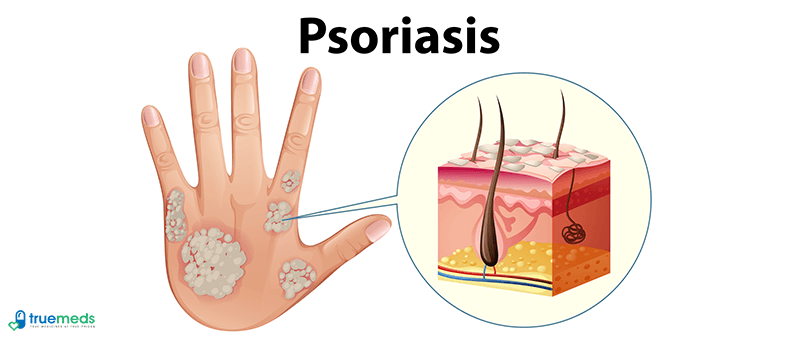
Psoriasis: 7 Common Triggers and How to Avoid Them
Last updated on : 20 Nov, 2025
Read time : 8 min
Psoriasis is a chronic inflammatory condition that primarily affects the skin, and its development is often influenced by a combination of genetics and environmental factors [1]. In this condition, an overactive immune system mistakenly signals skin cells to grow too quickly. This rapid turnover leads to the characteristic signs of psoriasis.
Psoriasis symptoms typically include elevated, thickened plaques with a flaky, silvery-white surface. These patches most commonly appear on the scalp, elbows, knees, lower back, and in body folds. The affected skin can sometimes feel dry, cracked, or bleed. While rare, psoriasis may also manifest on the oral mucosa or tongue as distinct red patches. Diagnosis is typically made through a physical examination and medical history, though a skin biopsy may be used to confirm the diagnosis in some cases [2].
Understanding the Common Triggers for Psoriasis Flares
Apart from medical management, identifying and avoiding your personal triggers is a crucial part of living well with psoriasis. Here are seven common factors that can lead to a flare-up:
1) Stress
Significant emotional or physical stress is one of the most frequently reported triggers for psoriasis flares. Research indicates that stress is reported as a trigger in a wide range of cases, often between 31% and 88% of people with psoriasis [3]. Stress can be the outcome of various life events, such as financial difficulties, the loss of a loved one, relationship issues, illness, or major occupational changes.
2) Infections
Infections, particularly those caused by bacteria or viruses, can trigger a type of psoriasis known as guttate psoriasis. Common examples include streptococcal throat infections (strep throat), upper respiratory infections, or even skin infections. The body’s immune response to the infection can inadvertently trigger a psoriatic flare-up.
3) Cold and Dry Weather
Dry and cold weather, especially during winter, can exacerbate psoriasis. Low humidity and colder temperatures can reduce the natural moisture content of your skin, making it more susceptible to dryness, itching, and the development of dry patches. Similarly, taking long, very hot baths or showers can strip the skin of its protective oils, worsening dryness.
4) Certain Medications
While essential for treating other conditions, some medications have been reported to trigger or worsen psoriasis in some individuals. These include lithium (used for bipolar disorder), beta-blockers (used for high blood pressure and heart conditions), antimalarials, and rapid withdrawal of oral or systemic corticosteroids [2]. Always discuss your full medication list with your dermatologist.
5) Smoking and Alcohol Use
Smoking is closely linked to an increased risk of developing psoriasis, and it can also increase the severity of existing disease [4]. Nicotine, a primary component of tobacco, is thought to promote inflammation, contributing to the development of psoriasis. Similarly, heavy alcohol consumption is an independent risk factor for skin flare-ups and may interfere with the effectiveness of psoriasis treatments. Excessive alcohol can generate pro-inflammatory reactions in the body.
6) Skin Injury (The Koebner Phenomenon)
Physical trauma to the skin can cause new psoriatic lesions to appear at the site of the injury. This is known as the Koebner phenomenon. Examples of such injuries include cuts, scrapes, surgical incisions, severe sunburn, or even intense rubbing [2].
7) Obesity and Diet
Obesity is associated with an increased risk and severity of psoriasis flares. This link is thought to be multi-factorial, involving shared genetic factors, lifestyle choices, and the pro-inflammatory chemicals produced by excess adipose (fat) tissue. While scientific evidence is still evolving, some people report that certain foods, such as gluten-rich foods, red meat, high-sugar foods, and nightshade vegetables, may trigger their individual flares.
Potential Complications Associated with Psoriasis
If your condition is not effectively managed, you may be at a higher risk for associated health issues. Psoriasis is a systemic inflammatory disease and has been linked to several comorbidities, including:
- Psoriatic Arthritis (a form of arthritis that affects the joints)
- Inflammatory Bowel Disease (IBD)
- Cardiovascular Problems
- Type 2 Diabetes
- Metabolic Syndrome
- Depression and Anxiety
Lifestyle Strategies to Manage Psoriasis Triggers
Making simple, scientifically-supported adjustments to your daily routine can significantly reduce the frequency and severity of psoriasis flare-ups:
a) Prioritize Skin Moisturization
Especially during cold or dry weather, keeping your skin well-hydrated is crucial to minimizing redness and itching.
- Use a gentle, fragrance-free moisturizing soap and a thick, hydrating lotion or ointment immediately after bathing to lock in moisture.
- Reduce the duration of your showers and use warm water instead of hot water, as excessive heat can remove natural skin oils.
- Opt for soft, breathable fabrics like cotton for inner layers over rough materials like wool or denim.
- Adding bath oil, Epsom salts, or colloidal oatmeal to a warm bath may help soothe irritated skin.
b) Manage Stress Effectively
Since stress is a major trigger, incorporating regular stress-management techniques is essential:
- Practice mindfulness, deep breathing exercises, or meditation in your daily routine.
- Engage in regular physical activity or yoga.
- Prioritize sufficient sleep to support overall immune function.
- Socialize and pursue hobbies to maintain a healthy emotional balance.
c) Maintain a Healthy Weight and Balanced Diet
- Maintain a healthy body mass index (BMI) through a balanced diet and regular physical activity, as this may help reduce the severity of psoriatic flares.
- Hydration is vital: Drink sufficient water (e.g., 2–3 litres) daily to support skin health and overall wellness.
- Focus your diet on foods rich in anti-inflammatory properties, such as:
- Vegetables and fruits
- Lean proteins and fish (especially those high in omega-3 fatty acids)
- Whole grains
- Healthy fats (e.g., olive oil)
- Work with a registered dietitian or nutritionist to explore structured dietary approaches that might benefit you, such as a Mediterranean diet or a supervised elimination diet, to help identify potential food triggers.
d) Limit Alcohol and Quit Smoking
Limiting or completely quitting alcohol is a favourable strategy for avoiding flare-ups and reducing the risk of complications. If you are struggling with alcohol dependency, seek professional support from your doctor.
Quitting smoking can reduce the clinical severity of psoriasis and provides immense benefits for overall health.
e) Safe Sun Exposure and Injury Prevention
- While a small amount of controlled sun exposure (phototherapy) can be a treatment strategy, avoid prolonged or excessive sun exposure, which can lead to sunburn and trigger a flare. Always use sun protection on unaffected skin.
- Take care to prevent skin injuries, cuts, or sunburn (Koebner phenomenon), as these can initiate new psoriatic lesions.
f) Supplements and Medication Adherence
- Consult your doctor about any nutritional gaps that might be addressed with supplements, such as Vitamin D, as they can play a role in immune health.
- Always take your prescribed psoriasis medications exactly as directed by your healthcare provider.
Conclusion
Psoriasis is a chronic inflammatory skin disease often influenced by multiple factors, including stress, infections, weather, and lifestyle habits like smoking and alcohol use. While there is no permanent cure for psoriasis, all treatment plans aim to reduce the severity of symptoms and improve quality of life. By proactively identifying and managing your individual triggers through medication and lifestyle adjustments, you can effectively mitigate the severity of the disease. The best approach is to seek personalised guidance from your dermatologist to develop an optimal, long-term treatment and management plan.
Frequently Asked Questions (FAQs)
Which is the best diet for psoriasis?
A: There is no single “best” diet, but an anti-inflammatory diet, such as the Mediterranean diet, rich in whole grains, vegetables, lean proteins, and omega-3 fatty acids, is often recommended. It’s important to consult a healthcare professional or registered dietitian to find a plan that works for you.
Are psoriasis and eczema the same?
A: No, psoriasis and eczema are different conditions. Psoriasis is typically characterized by well-defined, silvery-white plaques and can be mildly itchy, whereas eczema is usually characterized by intensely itchy, red, and inflamed skin that may weep or crust.
Is psoriasis contagious?
A: No, psoriasis is not contagious, nor is it fungal or viral. You cannot contract psoriasis from another person through touch.
Is psoriasis a hereditary disease?
A: Psoriasis has a genetic component. While not everyone with a family history will develop it, having a close relative with psoriasis does increase your risk.
Whom should I consult for my psoriasis treatment?
A: A dermatologist or skin specialist is best equipped to guide you in creating a personalised psoriasis treatment plan.
Can I cure my psoriasis permanently?
A: There is currently no permanent cure for psoriasis. Treatment plans focus on managing the symptoms, reducing the frequency of flares, and improving the health of the skin and joints.
References
[1] Kim, W. B., Jerome, D., & Yeung, J. (2017). Diagnosis and management of psoriasis. Canadian Family Physician, 63(4), 278–285. https://www.ncbi.nlm.nih.gov/pmc/articles/PMC5389757/
[2] National Psoriasis Foundation. (n.d.). Psoriasis Triggers. Retrieved November 2, 2025, from https://www.psoriasis.org/about-psoriasis/triggers/
[3] Rousset, L., & Halioua, B. (2018). Stress and psoriasis. International Journal of Dermatology, 57(10), 1165–1172. https://pubmed.ncbi.nlm.nih.gov/29729012/
[4] Naldi, L. (2016). Psoriasis and smoking: links and risks. Psoriasis (Auckland, N.Z.), 6, 65–71. https://www.ncbi.nlm.nih.gov/pmc/articles/PMC5683129/















Disclaimer
Our healthcare experts have carefully reviewed and compiled the information presented here to ensure accuracy and trustworthiness. It is important to note that this information serves as a general overview of the topic and is for informational purposes only. It is not intended to diagnose, prevent, or cure any health problem. This page does not establish a doctor-patient relationship, nor does it replace the advice or consultation of a registered medical practitioner. We recommend seeking guidance from your registered medical practitioner for any questions or concerns regarding your medical condition.
Popular Articles

Recommended Articles


Recent Articles









Company
About UsHealth ArticleHealth StoriesDiseases & Health ConditionsAyurvedaAll MedicinesAll BrandsNeed HelpFAQSecuritySubscribe
Registered Office Address
Grievance Officer
Download Truemeds


Contact Us
Our customer representative team is available 7 days a week from 9 am - 9 pm.
v4.8.0

2025 - Truemeds | All rights reserved. Our content is for informational purposes only. See additional information.

Our Payment Partners




