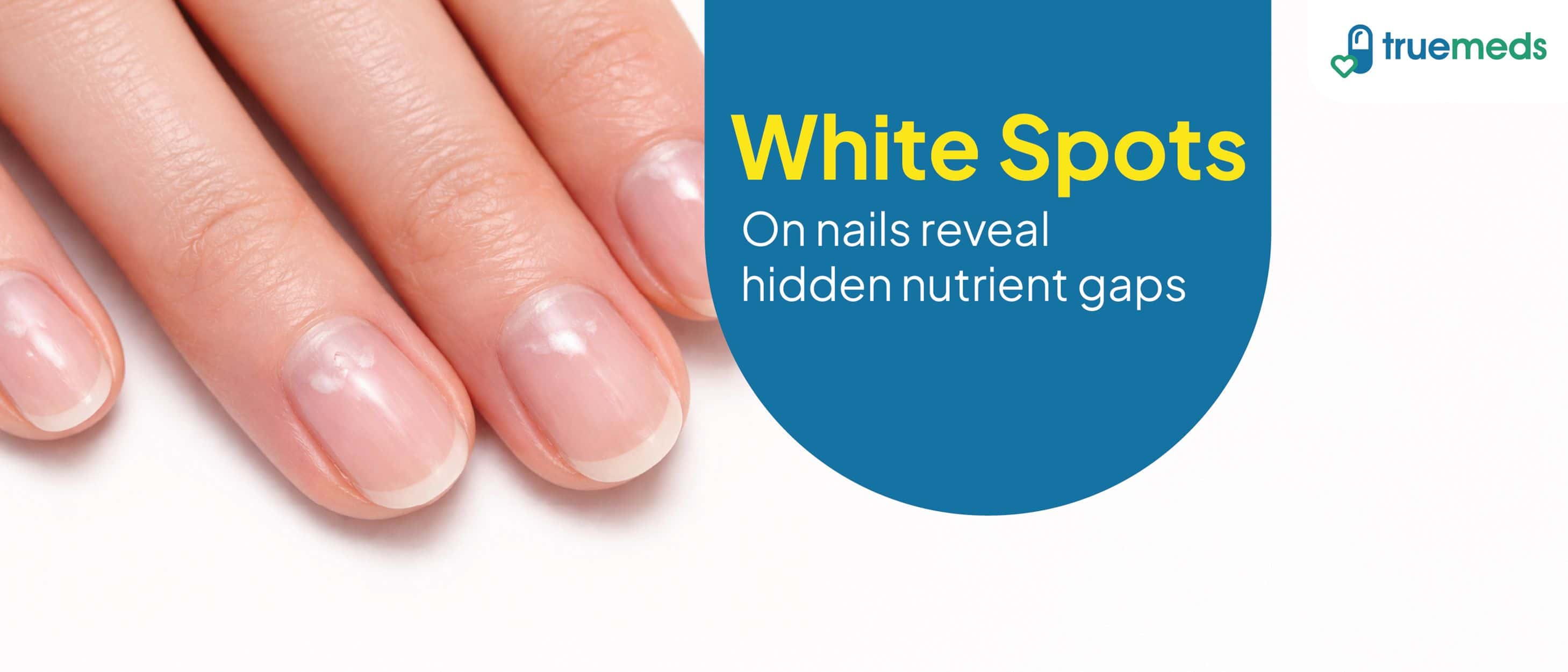
White spots on nails, also known as leukonychia, are a common occurrence that affects individuals of all ages. While these small, discoloured patches are often harmless, they can sometimes indicate underlying health issues ranging from minor injuries to nutritional deficiencies (an inadequate supply or deficiency of essential nutrients in the diet)[1].
It is essential to understand the causes of white spots on nails to distinguish between benign cases and those that may require medical attention. By understanding the factors contributing to leukonychia, you can ensure proper care and timely treatment when needed, promoting overall nail health and well-being.
What Does It Mean When Your Nails Have White Spots?
When you notice white spots on your nails, it typically signifies a disruption in the normal keratinisation process within the nail plate. These spots usually do not cause any physical discomfort. However, they may indicate various factors such as nail matrix injuries, fungal infections, or systemic conditions (affecting the entire body, rather than a single organ or body part)[1].
The disruption in keratin synthesis can occur due to trauma, chemical interference, or systemic health issues, resulting in nail cells that scatter light differently and produce the white appearance[2]. In most cases, white spots on nails resolve independently as the nails grow out, typically within several weeks to months.
However, if the spots persist or become more prominent, it is advisable to seek evaluation from a doctor to rule out any underlying chronic illnesses or environmental exposures, such as heavy metal toxicity. Understanding the implications of white spots on nails can help you take appropriate measures to address the underlying causes and maintain healthy nails.
Types of White Spots on Nails
Common Causes of White Spots on Nails
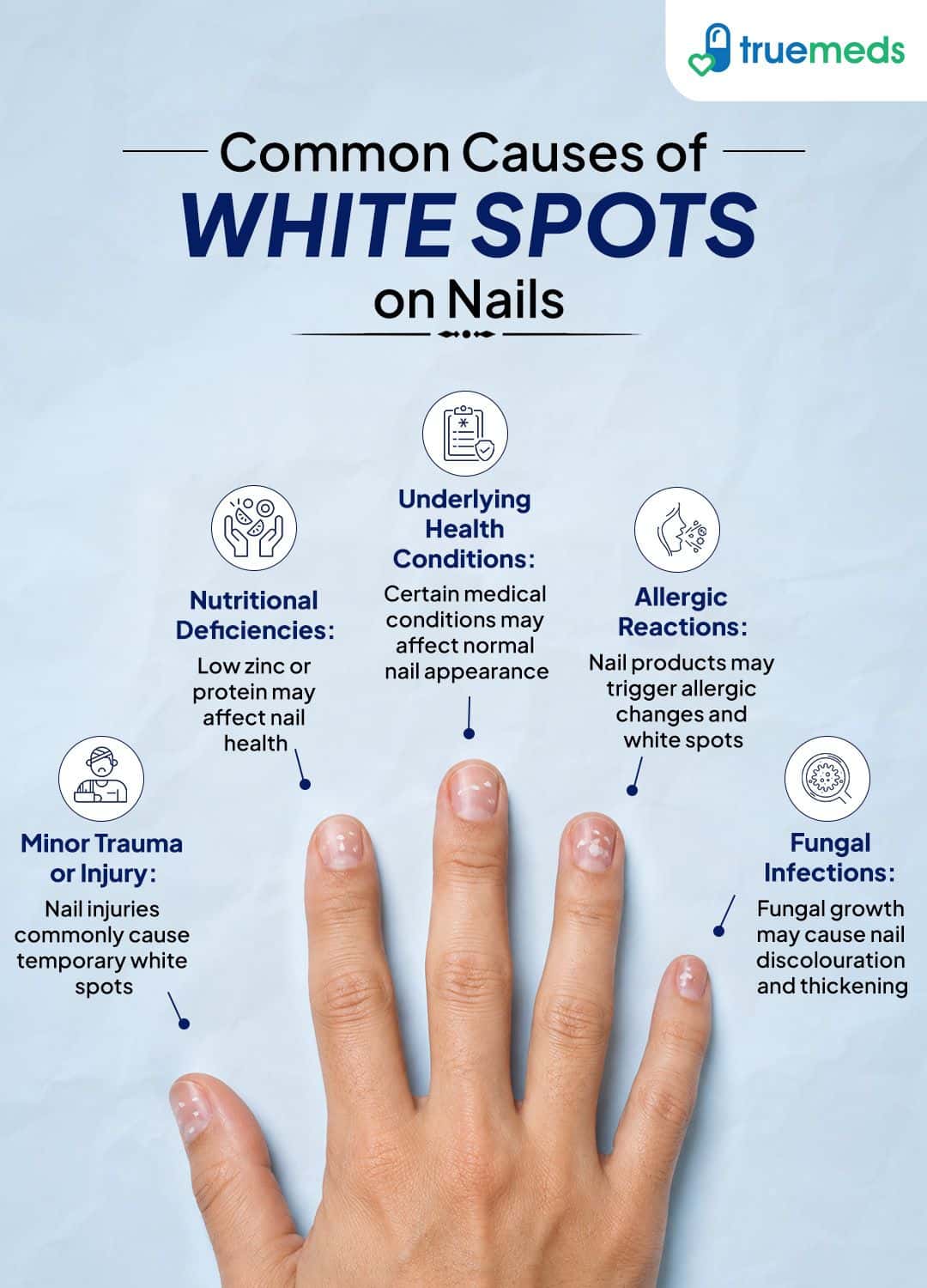
Several factors can contribute to the development of white spots on nails. Here are some of the causes of white spots on nails:
1. Minor Trauma or Injury
One of the most common causes of white spots on the nails is minor trauma or injury to the nail matrix, the tissue that produces nail cells [1]. Accidental impacts, such as closing your fingers in a door, aggressive manicures, or habitual nail-biting, can damage the nail matrix, leading to the formation of air pockets between the layers of the nail plate [3]. As the nail grows, these air pockets appear as white spots on the surface of the nail. Since nails grow slowly, the spots may not become visible until several weeks after the initial injury, making it challenging to identify the specific cause.
Fortunately, these white spots caused by minor trauma do not require any specific treatment and will disappear naturally as the nail grows out, typically within a few months.
2. Nutritional Deficiencies
White spots on the nails can be associated with deficiencies in essential nutrients like zinc, selenium, or calcium [1].
- Zinc supports protein synthesis and cell division needed for healthy nail growth. Evidence suggests that zinc deficiency can cause leukonychia, whereas zinc supplementation may help reverse the condition and improve nail health [4].
- Selenium and calcium deficiencies may cause transverse leukonychia, a condition in which white bands or striae run horizontally across the nail plate, or white nails [5].
However, it is important to note that healthcare providers and medical researchers are not certain whether nutritional deficiencies directly cause white spots, as there is limited research to make definitive conclusions. Ensuring a balanced diet rich in these minerals can help prevent potential deficiencies that may affect nail health.
3. Fungal Infections
Fungal infections, such as onychomycosis, can cause white discolouration of the nails, along with other symptoms like thickening or crumbling [6]. While fungal infections more commonly cause yellowing of the nails, early stages may present as white spots [1].
Prompt treatment with antifungal medications can help prevent the progression of the infection and restore the nail's healthy appearance.
Antifungal treatment must be determined by a healthcare provider. Do not self-medicate.
4. Allergic Reactions
Nail products like nail polish, artificial nails, and frequent use of polish removers can trigger allergic reactions and result in white spots on the nails [1]. These activities damage the outer layers of the nail, drying out the nail keratin and leading to small, scaly white spots known as keratin granulation.
Symptoms of an allergic reaction may include redness, itching, or swelling around the affected nail. Switching to hypoallergenic nail products may often resolve the issue and prevent future occurrences of white spots on nails.
5. Underlying Health Conditions
Certain underlying health conditions, such as psoriasis (a skin disease that causes a rash with itchy, scaly patches) and eczema (a common skin condition where the skin becomes dry, itchy, and easily irritated), can disrupt the normal turnover of nail cells, leading to the appearance of white spots or pitting on the nails. Systemic illnesses, including kidney disease and hepatitis, may also alter the appearance of nails due to metabolic changes in the body [1].
In rare cases, leukonychia can be a sign of liver cirrhosis (a permanent scarring that damages the liver and interferes with its functioning) or protein deficiency [7]. If you notice persistent or recurring white spots on nails, it is essential to consult a doctor to determine the underlying cause and receive appropriate treatment.
Treatment and Remedies for White Spots on Nails
If you have noticed white spots, marks, or patches on your nails, there are several treatment options and remedies available, depending on the underlying cause. While minor trauma-induced white spots on nails often resolve on their own, persistent or widespread discolouration may require targeted interventions. Here are some of the key remedies for managing white patches on nails:
Protect Your Nails from Injury
Maintaining good nail hygiene is crucial to preventing white spots on nails. Avoid excessive nail filing or using harsh chemicals during manicures, as these can cause trauma to the nail matrix and lead to the development of white spots. Keep your nails moisturised and avoid biting or picking at them, as this can also cause damage [3].
Regularly cleaning under the nails and keeping them dry after washing can help prevent fungal infections, which are another potential cause of white spots in nails.
Maintain a Balanced Diet
Making dietary adjustments can be an effective way to address nutritional deficiencies that may be contributing to white spots on your nails. Ensure that you are getting an adequate intake of selenium and zinc, as deficiencies in these minerals have been associated with the development of white nail spots.
Eating a balanced diet that is rich in essential vitamins and minerals may help prevent deficiencies that may be causing white marks on nails. If you suspect that a nutritional deficiency may be the cause of your white spots, it's important to consult with a doctor for proper diagnosis and treatment.
Treat Fungal Nail Infections
For cases where white spots on nails are caused by fungal infections, antifungal treatments like antimycotic therapy are often prescribed [1]. These may include topical creams or oral medications like fluconazole, which are designed to combat infections such as onychomycosis [6]. It's important to consult with a doctor for proper diagnosis and treatment, as over-the-counter remedies may not be effective for all types of fungal infections.
Your doctor can determine the best course of treatment based on the specific type of fungal infection causing your white spots and the severity of your condition.
Treatment must be prescribed by a qualified healthcare provider.
Avoid Products That Irritate the Nails
To minimise the risk of developing white spots on nails, it's crucial to identify and avoid potential allergens in nail care products. When selecting nail polishes, removers, glues, or artificial nails, carefully read the labels and be mindful of any ingredients that may cause irritation or allergic reactions.
If you notice any sensitivity or adverse effects after using a particular product, discontinue its use immediately. Opting for hypoallergenic nail care products may help reduce the likelihood of allergic reactions and the appearance of white marks on nails. If you're unsure about the suitability of a product, it's best to consult with a doctor.
Medical Consultation
If you experience persistent or severe white patches on your nails, it's essential to seek medical advice. A doctor can help determine the underlying cause of the white spots and recommend appropriate treatment options. In some cases, the presence of white spots on nails may indicate an underlying health condition, such as a fungal infection or a nutritional deficiency [1].
By consulting with a medical professional, you can receive an accurate diagnosis and guidance on managing the issue effectively. Early intervention can prevent the worsening of symptoms and ensure proper management of any underlying conditions.
Common Myths About White Spots on Nails
White spots on nails are a common finding, but they are often surrounded by misconceptions. While most cases are harmless, understanding the facts can help you avoid unnecessary worry and seek medical advice when needed.
Myth 1: White spots always mean you have a calcium deficiency
Many people believe that white spots on nails are a sign of low calcium levels. However, this is not always true. In most cases, they are caused by minor injuries to the nail. Although certain nutrient deficiencies, such as zinc or selenium deficiency, may be associated with changes in the nails, there is limited evidence that calcium deficiency is a direct cause of white spots.
Myth 2: White spots are always caused by a fungal infection
Fungal nail infections can sometimes cause white patches or discolouration, but they are not the most common reason for white spots. Minor trauma, allergic reactions to nail products, and other underlying conditions are also possible causes. A doctor can help determine the exact cause if the spots persist or spread.
Myth 3: White spots can be scraped or washed off
White spots develop within the nail plate, so they cannot be removed by washing, scrubbing, or polishing the nail surface. They gradually move towards the tip of the nail as it grows and usually disappear over time if they are caused by a minor injury.
Myth 4: Every white spot is a sign of a serious illness
Most white spots on nails are harmless and resolve without treatment. However, if they affect multiple nails, keep recurring, or are accompanied by other nail changes or symptoms, they may indicate an underlying health condition that should be evaluated by a doctor.
Myth 5: White spots disappear immediately after treatment
The appearance of white spots improves only as healthy nail tissue grows. Even when the underlying cause, such as a fungal infection or nutritional deficiency, has been addressed, the existing white spots usually remain visible until the affected part of the nail grows out naturally.
When to See a Doctor?
It's important to seek medical attention if you notice that the white spots on your nails are severe, persistent, or accompanied by other concerning symptoms, such as nail brittleness or discolouration. These signs may indicate an underlying health issue that requires professional evaluation and treatment. A doctor can assess your nail health and determine the most appropriate course of action.
Conclusion
White spots on nails, also known as leukonychia, are often the result of minor injuries or allergic reactions to nail care products. While these white spots are generally not a cause for concern, they may occasionally signify an underlying health issue. To minimise the occurrence of white spots on nails, it's important to identify and avoid potential allergens in nail care products.
If the white spots persist or are accompanied by other symptoms, it's crucial to consult with a doctor for proper evaluation and treatment. By monitoring your nail health regularly and seeking medical advice when necessary, you can ensure timely diagnosis and management of any underlying conditions that may be causing the white spots on your nails.
FAQs
Are white spots on nails a sign of a serious health condition?
White spots on nails are usually harmless and most often caused by minor nail injuries, even ones you may not remember. In some cases, they can be linked to factors like nutritional deficiencies or allergies. Only rarely do they point to an underlying health condition. If the spots are persistent, widespread, or accompanied by other symptoms, it’s best to consult a healthcare professional for evaluation.
Can white spots on nails be prevented?
Yes, white spots on nails can be prevented by avoiding nail injuries, using moisturisers to prevent dryness, and limiting exposure to irritating chemicals.
How long do white spots on nails last?
White spots on nails typically last until the affected nail grows out completely, which can take several weeks or months.
Can white spots on nails be treated at home?
There’s usually no need for specific treatment, as white spots on nails often fade naturally as the nail grows. In the meantime, keeping nails clean, well-trimmed, and moisturised can support healthy nail growth. If the spots persist or change, seeking medical advice may be helpful.
When should I consult a dermatologist about white spots on my nails?
Visit your dermatologist if the white spots persist, spread, or change in appearance. They can rule out any underlying conditions.
Can nail polish or gel nails cause white spots on nails?
Yes, frequent use of nail polish, gel nails, or harsh polish removers can contribute to white spots on nails. These products may damage the nail surface or trigger allergic reactions, leading to white patches that usually improve as the affected nail grows out.
Can white spots return after they disappear?
Yes, white spots can return if the underlying cause, such as repeated nail injury, fungal infection, or exposure to irritating nail products, persists. Preventing nail trauma, maintaining good nail care, and addressing any underlying condition can help reduce recurrence.
Can medicines cause white spots on nails?
Yes, certain medicines may contribute to white lines or spots on the nails as a side effect, although this is uncommon. If white spots appear after starting a new medicine or are accompanied by other symptoms, consult your doctor for evaluation.
Medical Disclaimer
This article is for informational purposes only and does not constitute medical advice. The information provided should not be used for diagnosing or treating health conditions. Always consult a qualified healthcare provider for diagnosis, treatment, and personalised medical advice. Do not disregard professional medical advice or delay seeking it because of information found in this article. If you have a medical emergency, contact your doctor or emergency services immediately.
References
Iorizzo, M., Starace, M., & Pasch, M. C. (2022, February 2). Leukonychia: What Can White Nails Tell Us? American Journal of Clinical Dermatology. https://pmc.ncbi.nlm.nih.gov/articles/PMC8809498/
Nail disorders. (2023, 12). Primary Care Dermatology Society. https://www.pcds.org.uk/clinical-guidance/nails
DermNet. (2024, May 23). White nail - Leukonychia: An overview. DermNet New Zealand. https://dermnetnz.org/topics/white-nail
Ahmadi, A., et al. (2016, November). Acquired Bilateral Longitudinal True Leukonychia in a 35-year-old Woman. PMC. https://pmc.ncbi.nlm.nih.gov/articles/PMC5093880/