Key Takeaways
- Curd may help soothe stomach discomfort due to its probiotic content, but the relationship with acidity is nuanced
- Full-fat curd can potentially worsen acid reflux symptoms in some people
- Probiotics in curd may support healthy digestion and improve certain gastrointestinal symptoms
- Curd cannot replace medical treatment for diagnosed GERD or chronic acid reflux
- Low-fat curd consumed in moderate amounts may be better tolerated by those with acidity issues
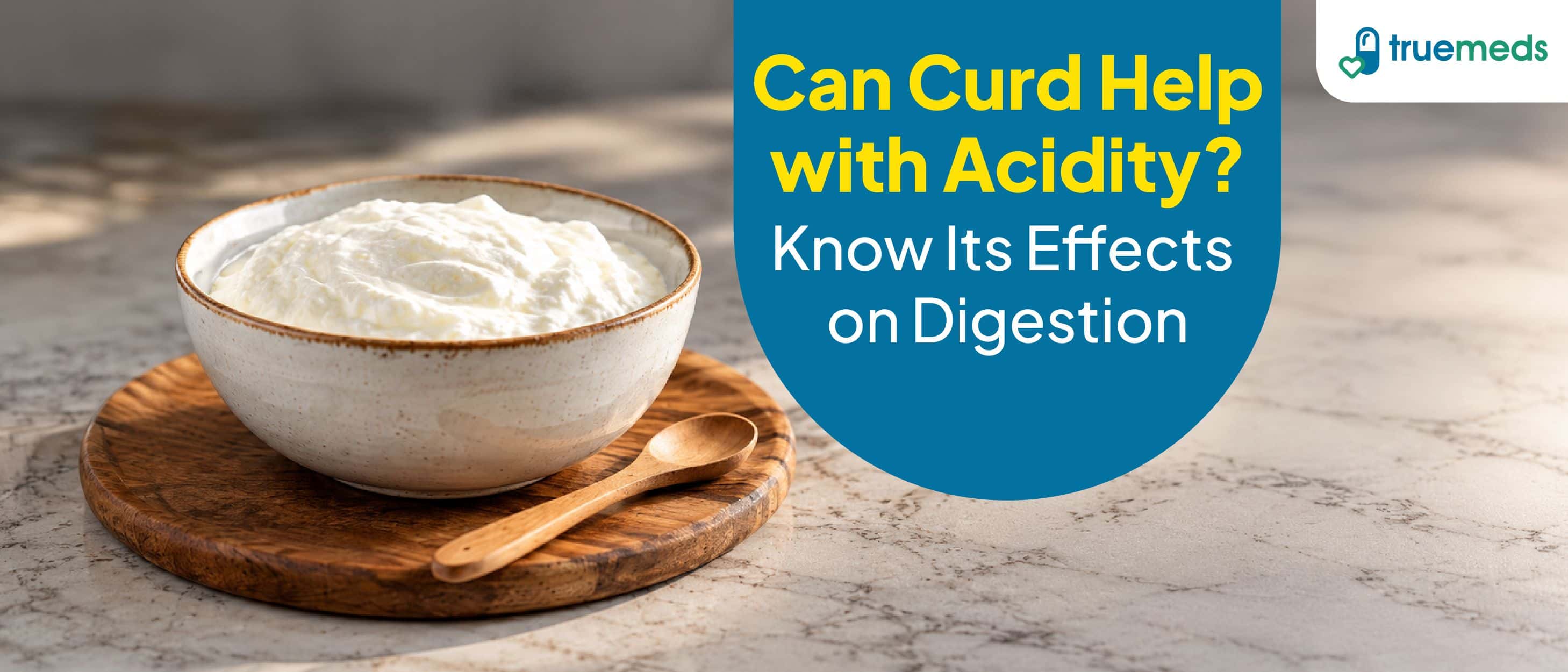
If you have ever wondered whether curd is good for acidity, you are not alone. Many Indians consider curd a "cooling food" that naturally soothes digestive discomfort. Yoghurt and curd, when not excessively sour, can provide protein and may help soothe stomach discomfort through their probiotic content[1]. However, study results regarding the effects of dairy fat content on reflux symptoms remain conflicting[2].
This article explores what research actually says about curd for acidity, when it may help, and when it could make things worse. This is general nutrition education and should not replace medical advice for diagnosed acid reflux or GERD.
Is curd good for acidity? What the research actually shows
Research suggests that curd's potential benefits for acidity come primarily from its probiotic content rather than any inherent "cooling" property. Functional foods that support healthy digestion can indirectly help manage GERD symptoms. Probiotics found in yoghurt and fermented foods may promote a healthy balance of gut bacteria, thereby supporting a healthier gut environment and aiding digestion[1].
A systematic review examining fermented bovine dairy consumption found improvements in gastrointestinal symptoms across multiple studies. Specifically, gut comfort and defecation frequency improved in 14 human studies, suggesting fermented dairy like curd may positively affect digestive health[3].
However, it is important to understand that these benefits relate to overall digestive function rather than directly neutralising stomach acid. Curd does not work like an antacid. Instead, its probiotics may support the digestive process, which could indirectly help manage certain symptoms associated with acid reflux.
Can curd make acidity worse? The fat content question
While curd offers potential digestive benefits, its fat content may worsen acidity in some individuals. Research indicates that consumption of high-fat meals can increase acid exposure time in patients compared to low-fat meals. High-fat foods may also reduce lower oesophageal sphincter (LES) pressure, accelerating the development of GERD[2].
Fatty and fried foods tend to linger longer in the stomach. This extended gastric residence time makes it more likely that stomach acid leaks back into the oesophagus, causing uncomfortable GERD symptoms such as heartburn and regurgitation[4].
This means that full-fat curd, while nutritious, may not be the best choice for those struggling with acid reflux. If you experience acidity symptoms after consuming curd, the fat content could be the culprit rather than the curd itself.
How curd's probiotics may help digestion
The live cultures in curd can offer digestive benefits beyond acidity management. Research examining fermented dairy consumption found that gastrointestinal symptoms improved across multiple studies, including improvements in gut comfort and bowel regularity[3].
A comprehensive review found that fermented dairy intake was associated with improvements in various GI symptoms. These included[5]:
- Reductions in abdominal pain or discomfort
- Decreased flatulence
- Improvements in constipation
- Reduced IBS severity in some studies
- Reductions in intestinal inflammatory markers
These findings suggest that regular consumption of probiotic-rich foods like curd may support overall digestive wellness, even if they do not directly treat acidity.
Read about - 20 Probiotic Foods That Are Super Healthy
Curd is not a substitute for acid reflux treatment
If you have been diagnosed with GERD or experience frequent acid reflux, curd should not replace proper medical treatment. Clinical guidelines recommend an 8-week trial of proton pump inhibitors (PPIs) once daily before a meal for patients with classic GERD symptoms like heartburn and regurgitation who have no alarm symptoms[6].
The American Society for Gastrointestinal Endoscopy recommends medical management, including PPIs at the lowest effective dose for the shortest duration possible. Lifestyle modifications are also recommended, including[7]:
- Weight loss if overweight
- Smoking cessation
- Elevating the head of the bed
- Avoiding meals within 3 hours of bedtime
Do not stop or modify any prescribed medication without consulting your doctor.
Practical tips for using curd if you have acidity
If you want to include curd in your diet while managing acidity symptoms, consider these evidence-based approaches:
- Choose low-fat varieties: Since high-fat foods may worsen reflux symptoms[2], opting for low-fat or skimmed curd may reduce the risk of triggering acidity.
- Consume moderate portions: ICMR-National Institute of Nutrition Dietary Guidelines for Indians recommend 300 ml of milk or curd daily as part of a balanced diet[8]. This is general dietary guidance, not a specific portion recommendation for managing acidity.
- Avoid eating late at night: If curd is part of your dinner, ensure you finish eating at least 3 hours before bedtime[7].
- Monitor your response: Everyone reacts differently. Keep track of whether curd improves or worsens your symptoms to make informed dietary choices.
FAQs
Is curd acidic itself, and does that make heartburn worse?
Yes, curd is mildly acidic with a pH below 4.6 due to lactic acid production during fermentation. However, when not excessively sour, curd may actually help normalise bowel function through its probiotic content. The acidity of curd does not necessarily worsen heartburn.
Does full-fat curd affect acidity differently than low-fat curd?
Yes, full-fat curd may potentially worsen acid reflux symptoms. High-fat foods can reduce lower oesophageal sphincter pressure and increase acid exposure time. Low-fat options may be preferable if you experience acidity issues.
Can curd help with bloating or gas separately from acidity?
Research suggests that probiotics found in fermented dairy like curd may help improve gas-related symptoms, including bloating and flatulence. These benefits appear separate from any effects on acid reflux.
Is it better to eat curd at a specific time of day for acidity?
There is no specific best time, but avoiding curd close to bedtime may help. Guidelines recommend avoiding meals within 3 hours of sleep to reduce nighttime reflux symptoms.
Can curd replace antacids or prescribed acidity medication?
No, curd cannot replace medical treatment. Clinical guidelines specifically recommend medications like PPIs for GERD management. Curd may complement but should never substitute prescribed treatment for acid reflux.
Does buttermilk (chaas) have the same effect on acidity as curd?
Buttermilk is also probiotic-rich and contains live cultures that may support gut health. It is typically lower in fat than curd, which may make it better tolerated by those with acid reflux. However, individual responses vary.
Medical Disclaimer
This article is for informational purposes only and does not constitute medical advice. The information provided should not be used for diagnosing or treating health conditions. Always consult a qualified healthcare provider for diagnosis, treatment, and personalised medical advice. Do not disregard professional medical advice or delay seeking it because of information found in this article. If you have a medical emergency, contact your doctor or emergency services immediately.
References
PMC. (2023). Functional food in relation to gastroesophageal reflux disease (GERD). Nutrients. https://pmc.ncbi.nlm.nih.gov/articles/PMC10458865/
ScienceDirect. (2023). The relationship of gastroesophageal reflux with nutritional habits and mental disorders. ScienceDirect. https://www.sciencedirect.com/science/article/pii/S2666149723000208
PMC. (2024). The effects of dairy on the gut microbiome and symptoms in gastrointestinal disease cohorts: a systematic review. PMC. https://pmc.ncbi.nlm.nih.gov/articles/PMC11406376
Harvard Health Publishing. (2026). GERD diet: Foods to avoid to reduce acid reflux. Harvard Health. https://www.health.harvard.edu/diseases-and-conditions/gerd-diet-foods-to-avoid-to-reduce-acid-reflux