Key Takeaways
- Fish oil is rich in omega-3 fatty acids, mainly EPA and DHA, which support heart, brain, joint, eye, and skin health.
- Evidence-backed benefits include lowering triglycerides and supporting cardiovascular health; effects on blood pressure, inflammation, and cognitive function may vary depending on the individual and dose.
- For general health, many guidelines recommend 250–500 mg of combined EPA and DHA daily; higher doses for conditions such as high triglycerides should be used under medical supervision.
- Take fish oil with a meal to help reduce digestive side effects such as fishy aftertaste, nausea, or indigestion.
- Speak to your doctor before use if you take blood thinners (such as warfarin, aspirin, or clopidogrel), have surgery planned, are pregnant or breastfeeding, or have a fish allergy.
- Choose a fish oil supplement by checking the EPA and DHA content per serving, as the amount can vary between products.
- Fish oil is not a replacement for prescribed medication, a balanced diet, or medical advice. Individual needs and appropriate doses vary.
Fish oil, a dietary supplement derived from fatty fish, has gained considerable attention owing to its numerous health benefits. The importance of fish oil lies in its rich content of omega-3 fatty acids, which play a crucial role in supporting overall health [1]. These essential fatty acids are known for their potential anti-inflammatory properties [2], ability to improve heart health [3], and contribution to brain and eye development [4].
Including fish oil as part of a balanced diet has been associated with potential benefits for heart health, mental well-being, and eye health, although effects can vary and depend on overall diet and lifestyle. As research continues to uncover the far-reaching fish oil benefits, its significance in promoting optimal well-being becomes increasingly evident.
What Is Fish Oil and Why Is It Important?
Fish oil is a concentrated source of omega-3 fatty acids, obtained by pressing cooked fatty fish, such as salmon, mackerel, and herring [5]. These long-chain fatty acids, particularly eicosapentaenoic acid (EPA) and docosahexaenoic acid (DHA), are conditionally essential fatty acids that the body produces only in very small amounts from ALA, making dietary intake important. Therefore, it is necessary to obtain them through dietary sources or supplements [2]. EPA is known for its role in supporting cardiovascular health and possessing anti-inflammatory properties [2]. DHA is vital for maintaining brain structure and eye health [4]. Fish oil can be sourced from various fatty fish, with cod liver oil being a popular option that also contains vitamins A and D [5]. It is available in various forms, including liquid, capsules, and tablets, to cater to individual preferences and needs.
Nutritional profile of Fish Oil
The nutritional composition of fish oil can vary depending on the source and quality of the supplement [5]. However, a typical serving of fish oil (1 teaspoon or 5 ml) generally provides the following nutrients [6]:
Nutrient | Amount per Serving (1 tsp or 5ml) |
Calories | 40 |
Total Fat | 4.5 g |
Omega-3 EPA | 900 mg |
Omega-3 DHA | 700 mg |
Saturated Fat | 1 g |
Cholesterol | 10 mg |
Vitamin D (in fortified oils) | 400 IU |
Fish Oil Benefits for Men and Women
Fish Oil Benefits for Men
Being rich in the omega-3 fatty acids EPA and DHA, fish oil potentially supports heart health by reducing triglyceride levels, lowering blood pressure, and preventing arterial plaque buildup [3] . Additionally, consuming fish oil supplements may help enhance brain function, mood, and cognitive performance, potentially reducing the risk of depression and age-related decline [7]. In populations such as overweight/obese older adults, it may help reduce mild OA pain and burden [8]. Omega-3s in fish oil may support sperm quality and overall reproductive health, though evidence for direct effects on testosterone levels is limited [1].
Additional potential benefits for men include:
- May support sperm count and fertility: Omega-3 fatty acids may help improve sperm quality, motility, and overall male fertility by reducing oxidative stress and supporting reproductive function.
- May help support erectile function: Some evidence suggests that omega-3 fatty acids may support healthy blood circulation, which is important for normal erectile function. However, current evidence is limited, and fish oil should not be considered a treatment for erectile dysfunction.
- May support reproductive health: Adequate omega-3 intake may contribute to healthy reproductive function by supporting hormone regulation and overall sperm health.
Regular fish oil use in the form of supplementation, combined with a healthy lifestyle, may significantly boost overall well-being in men. Consult your doctor before starting supplementation.
Fish Oil Benefits for Women
In women, fish oil may support heart health by lowering triglycerides and reducing the risk of cardiovascular disease [3]. Additionally, omega-3s may promote brain function and emotional well-being, helping to ease symptoms of anxiety, depression, and menstrual cramps [7]. For women of reproductive age, fish oil may improve fertility and support a healthy pregnancy by aiding foetal brain and eye development [9]. The essential omega-3 fatty acids found in fish oil, particularly DHA and EPA, are vital for the visual and cognitive development of the growing baby [10]. The World Health Organisation recommends that pregnant women consume adequate omega-3 fatty acids during pregnancy [13].
While fish oil benefits are numerous during pregnancy, it is essential to consult your healthcare provider before starting supplementation. Do not self-medicate without medical supervision.
Additional potential benefits for women include:
- May support bone health: Some studies suggest that omega-3 fatty acids may help maintain bone mineral density, particularly after menopause. However, further research is needed to confirm their long-term role in preventing osteoporosis.
- May reduce risk of certain cancers: Some observational studies have explored an association between higher omega-3 intake and a lower risk of certain cancers, including breast cancer. However, the current evidence is not sufficient to recommend fish oil supplements for cancer prevention.
- Supports menstrual health: Omega-3 fatty acids may help reduce menstrual discomfort in some women because of their anti-inflammatory properties. However, individual responses vary, and further research is needed to establish their long-term effectiveness.
While fish oil may support overall health, its use should be guided by a qualified healthcare professional to ensure appropriate dosage, safety, and individual suitability.
Other Health Benefits of Fish Oil
1. Enhances Skin Health
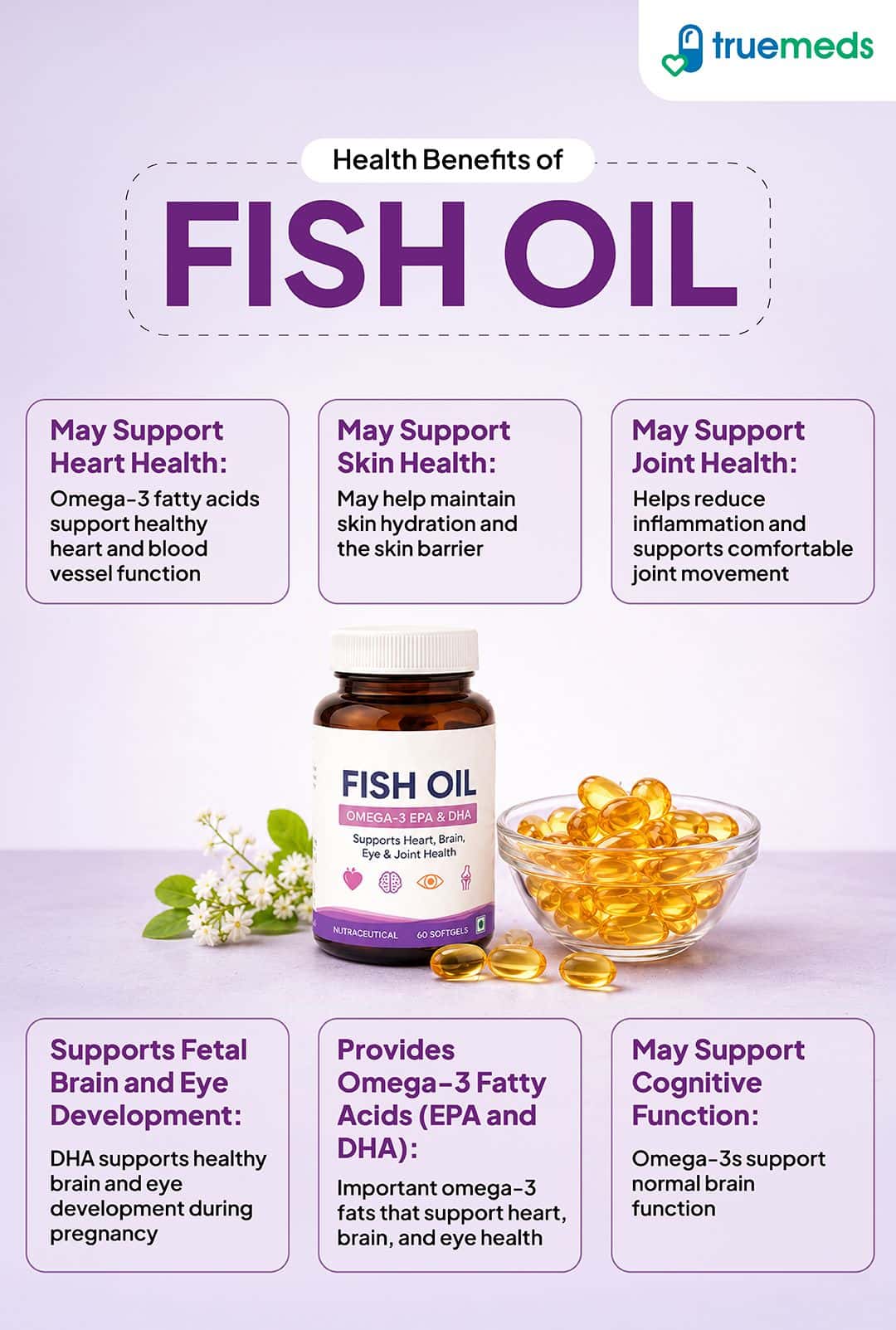
Fish oil is rich in omega-3 fatty acids, particularly EPA and DHA, which help support the skin's natural barrier and maintain hydration. These fatty acids may improve skin elasticity and help reduce dryness, irritation, and inflammation associated with certain skin conditions, such as eczema or dermatitis. Some studies also suggest that omega-3s may help reduce UV-induced skin damage, but they should not replace sunscreen or other sun protection measures [10].
2. Supports Cognitive Function
DHA is an important structural component of the brain and plays a key role in maintaining healthy brain cells and normal cognitive function [11]. Regular omega-3 intake may support memory, concentration, and learning while contributing to overall brain health. Some evidence also suggests that fish oil may help slow age-related cognitive decline, although further research is needed to confirm these effects [7].
3. Supports Joint Health
The anti-inflammatory properties of EPA and DHA may help reduce joint pain, stiffness, and swelling, particularly in people with inflammatory joint conditions such as rheumatoid arthritis [12]. Fish oil may also improve joint mobility and physical function when used alongside standard treatment [2]. However, it should not be considered a replacement for prescribed medicines or other medical therapies.
4. Protects Heart Health
Fish oil is well known for its cardiovascular benefits. Omega-3 fatty acids may help lower triglyceride levels, support healthy blood pressure, and improve overall vascular function. Regular intake may also help reduce inflammation associated with cardiovascular disease and support normal heart rhythm. For the greatest benefit, fish oil supplementation should be combined with a balanced diet and healthy lifestyle.
5. Supports Eye Health
DHA is a major structural component of the retina and plays an important role in maintaining normal vision. Adequate omega-3 intake may help support eye health and reduce inflammation associated with dry eye disease. Some research also suggests a potential role in supporting retinal health during ageing, although further studies are needed to establish long-term benefits.
6. Improves Depression Symptoms
Omega-3 fatty acids may contribute to emotional well-being by supporting normal brain function and neurotransmitter activity. Some studies suggest that higher fish consumption and omega-3 intake are associated with a lower risk of depressive symptoms, while supplementation may provide modest benefits in certain individuals [7]. However, fish oil should not replace prescribed treatment for depression or other mental health conditions.
7. Strengthens Hair and Reduces Hair Fall
Omega-3 fatty acids provide nutrients that help support a healthy scalp and hair follicles. By helping reduce inflammation and supporting scalp health, fish oil may contribute to stronger, healthier-looking hair and may reduce hair shedding related to nutritional deficiencies. However, evidence for fish oil in treating hair loss remains limited, and more research is needed to confirm its effectiveness.
Who Should Avoid Fish Oil (Safety & Precautions)
Although fish oil is generally considered safe for most people when taken as recommended, it may not be suitable for everyone. Consult your doctor before taking fish oil supplements if you:
- Have a fish or shellfish allergy, as some supplements may trigger allergic reactions.
- Take blood-thinning medicines, such as warfarin or aspirin, or have a bleeding disorder, as fish oil may increase the risk of bleeding.
- Are scheduled for surgery or a dental procedure, as your doctor may advise temporarily stopping supplementation.
- Are pregnant, breastfeeding, have liver disease, low blood pressure, or any chronic medical condition, as the appropriate type and dosage of fish oil should be determined by a healthcare professional.
Potential Side Effects of Fish Oil
Although fish oil supplements are generally safe, some people may experience certain side effects [12]. Here are a few common side effects of fish oil:
- Fishy aftertaste and bad breath: Some people may notice a lingering fishy taste or unpleasant breath after taking fish oil, especially if taken in liquid form or on an empty stomach.
- Digestive issues: Fish oil can sometimes cause nausea, bloating, indigestion, or loose stools. Taking it with meals or switching to enteric-coated capsules may help reduce these symptoms.
- Increased risk of bleeding: High doses of fish oil may thin the blood, increasing the risk of bleeding or bruising, particularly in individuals taking anticoagulant medications like warfarin [14].
- Interactions with medications: Fish oil may interact with blood thinners and other medications, making it crucial to consult your doctor before starting supplementation [14].
If you experience any persistent or severe side effects, it is important to discuss them with your doctor. Do not disregard professional medical advice.
Recommended Dosage of Fish Oil
There is no single recommended fish oil dosage that is suitable for everyone, as individual requirements vary depending on age, diet, overall health, and the reason for supplementation. For general health, many international guidelines recommend an intake of 250–500 mg of combined EPA and DHA per day for healthy adults, which can be obtained from fatty fish or supplements. Higher doses may be recommended for certain medical conditions, such as high triglyceride levels, but these should only be taken under medical supervision. Always follow the dosage instructions provided on the product label and consult your doctor before starting fish oil supplements, especially if you are pregnant, breastfeeding, taking blood-thinning medicines, or have an underlying medical condition.
Final Thoughts
Fish oil is a good source of EPA and DHA, but the right dose depends on your health goals, diet, and medicines. Take it with food and consult your doctor, especially if you are taking blood thinners or have surgery planned.
FAQs
What are the main health benefits of fish oil?
Fish oil may support heart health and pregnancy, reduce inflammation, improve erectile dysfunction, help manage arthritis symptoms, and aid in maintaining healthy skin, joints, and mental well-being.
How does fish oil help with skin conditions like acne and eczema?
Fish oil may help acne and eczema by reducing skin inflammation and supporting barrier function, but the benefits are modest, variable, and should be considered supportive rather than therapeutic.
Is fish oil good for cognitive health?
Fish oil supports brain health by providing omega-3 fatty acids, especially DHA and EPA, which are important for normal brain function. It may offer modest benefits for mood and long-term cognitive health, but it is not a treatment for mental health or cognitive disorders.
What is the recommended dosage of fish oil?
The recommended dosage varies, but typical recommendations are 250 to 500 mg of combined eicosapentaenoic acid (EPA) and docosahexaenoic acid (DHA) per day. Consult your doctor for personalised advice.
Are there any side effects of fish oil?
Common side effects of fish oil include fishy aftertaste, nausea, and potential interactions with anticoagulant medications. Consult your doctor if you experience any adverse effects.
How do I choose the best fish oil supplement?
When choosing a fish oil supplement, look for products with a high concentration of EPA and DHA that are low in contaminants and have third-party certification.
Medical Disclaimer
This article is for informational purposes only and does not constitute medical advice. The information provided should not be used for diagnosing or treating health conditions. Always consult a qualified healthcare provider for diagnosis, treatment, and personalised medical advice. Do not disregard professional medical advice or delay seeking it because of information found in this article. If you have a medical emergency, contact your doctor or emergency services immediately.
References
Swanson, D., Block, R., & Mousa, S. A. (2012). Omega-3 fatty acids EPA and DHA: Health benefits throughout life. Advances in Nutrition, 3(1), 1-7. https://pubmed.ncbi.nlm.nih.gov/22332096/
Calder, P. C. (2017). Omega-3 fatty acids and inflammatory processes: From molecules to man. Biochemical Society Transactions, 45(5), 1105-1115. https://pubmed.ncbi.nlm.nih.gov/28900017/
Li, J., Guasch-Ferré, M., Li, Y., & Hu, F. B. (2022). The effects of fish oil on cardiovascular diseases: Systematical evaluation and recent advance. Frontiers in Cardiovascular Medicine, 8, 802306. https://pmc.ncbi.nlm.nih.gov/articles/PMC8767101/
DiNicolantonio, J. J., & O’Keefe, J. H. (2020). The importance of marine omega-3s for brain development and the prevention and treatment of behavior, mood, and other brain disorders. Nutrients, 12(8), 2333. https://doi.org/10.3390/nu12082333