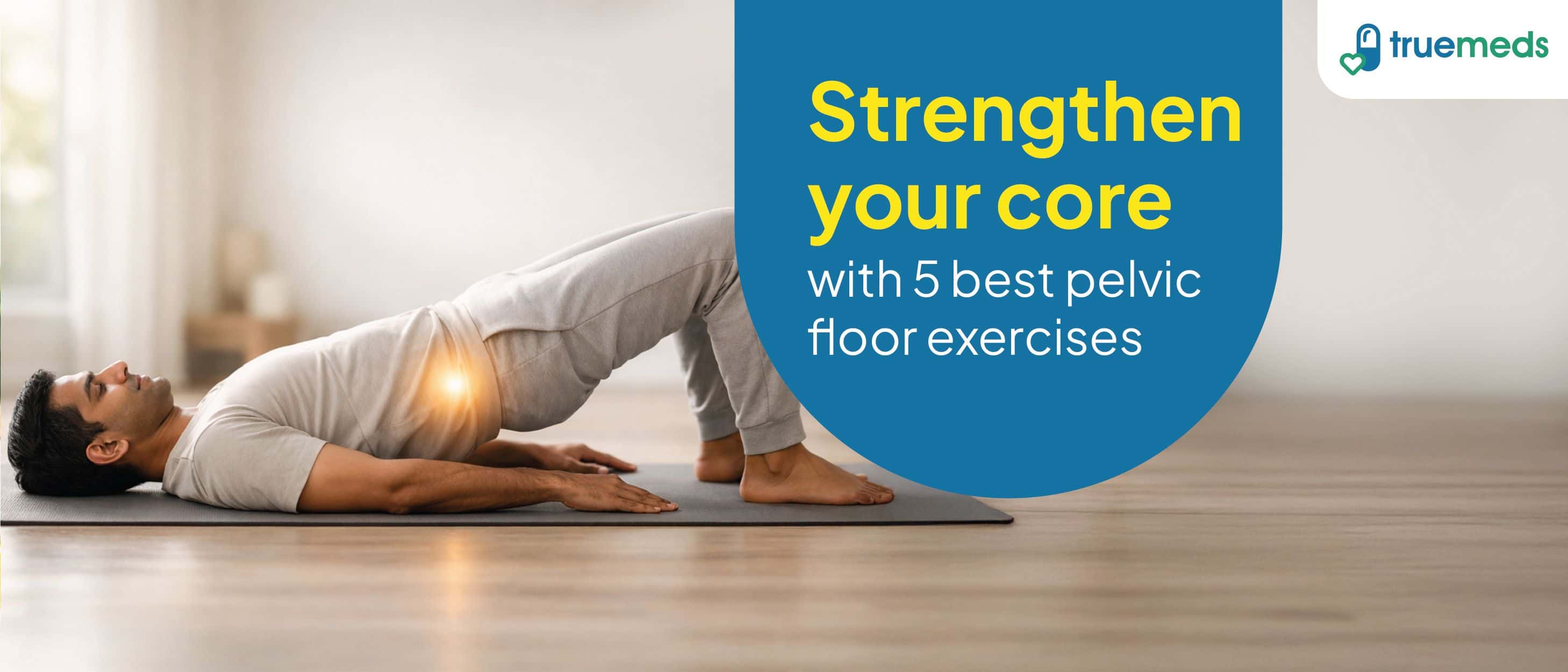
The pelvic floor is a group of muscles stretching from the pubic bone to the tailbone, supporting the pelvic organs. Pelvic floor exercises, commonly known as Kegel exercises, play an important role in maintaining overall health and well-being. They are designed to strengthen the muscles that support key organs such as the bladder, uterus, and rectum, helping improve pelvic stability and function[1].
Engaging in pelvic floor exercises can benefit individuals of all ages and genders, as they may help prevent issues like urinary incontinence (being unable to control urination), enhance sexual function, and may improve posture by reducing the risk of pelvic organ prolapse (when one or more pelvic organs drop from their position making a bulge in the vagina, called a prolapse)[2].
By incorporating these exercises into your daily routine, you can significantly improve your quality of life through increased physical stability and comfort.
What are pelvic floor exercises?
Pelvic floor exercises, including Kegels, are specifically designed to target and strengthen the muscles that form the foundation of the pelvic region[1].
- These muscles play a crucial role in supporting essential organs such as the bladder, uterus, and rectum[3].
- The primary objective of these exercises is to enhance pelvic health by improving muscle control and endurance[2].
- By regularly practising pelvic floor exercises for women and men, you may experience benefits such as better bladder control, reduced instances of urinary incontinence, improved pelvic floor control, possibly improved function of the pelvic organs[2].
- These improvements can contribute to a healthier lifestyle and minimise the risk of developing pelvic floor disorders.
Moreover, maintaining the strength of these muscles helps maintain optimal body alignment and may alleviate symptoms associated with weak pelvic muscles, such as back pain and prolapse.
Who may benefit from Kegel exercises?
Kegel exercises may be helpful for people whose pelvic floor muscles have become weak or need additional support. Certain life stages, health conditions, and daily activities can place extra strain on these muscles. You may benefit from Kegel exercises if you [12]:
- Are pregnant or have recently given birth, as pregnancy and childbirth can weaken the pelvic floor muscles.
- Have urinary incontinence or experience urine leakage while coughing, sneezing, laughing, or exercising.
- Are recovering from certain pelvic or prostate surgeries and your doctor recommends pelvic floor rehabilitation.
- Have pelvic organ prolapse or have been advised by your healthcare provider to strengthen your pelvic floor muscles.
- Are getting older, as pelvic floor muscles can naturally lose strength with age.
- Have chronic constipation or frequently strain during bowel movements, which can put repeated pressure on the pelvic floor.
- Have a chronic cough or regularly lift heavy objects, as these activities can increase stress on the pelvic floor muscles.
- Want to improve pelvic floor strength to support bladder and bowel control or overall pelvic health.
Note: Kegel exercises are not suitable for everyone. If you have pelvic pain, an overactive pelvic floor, or are unsure whether these exercises are right for you, consult your doctor or a pelvic health physiotherapist before starting.
5 best pelvic floor exercises
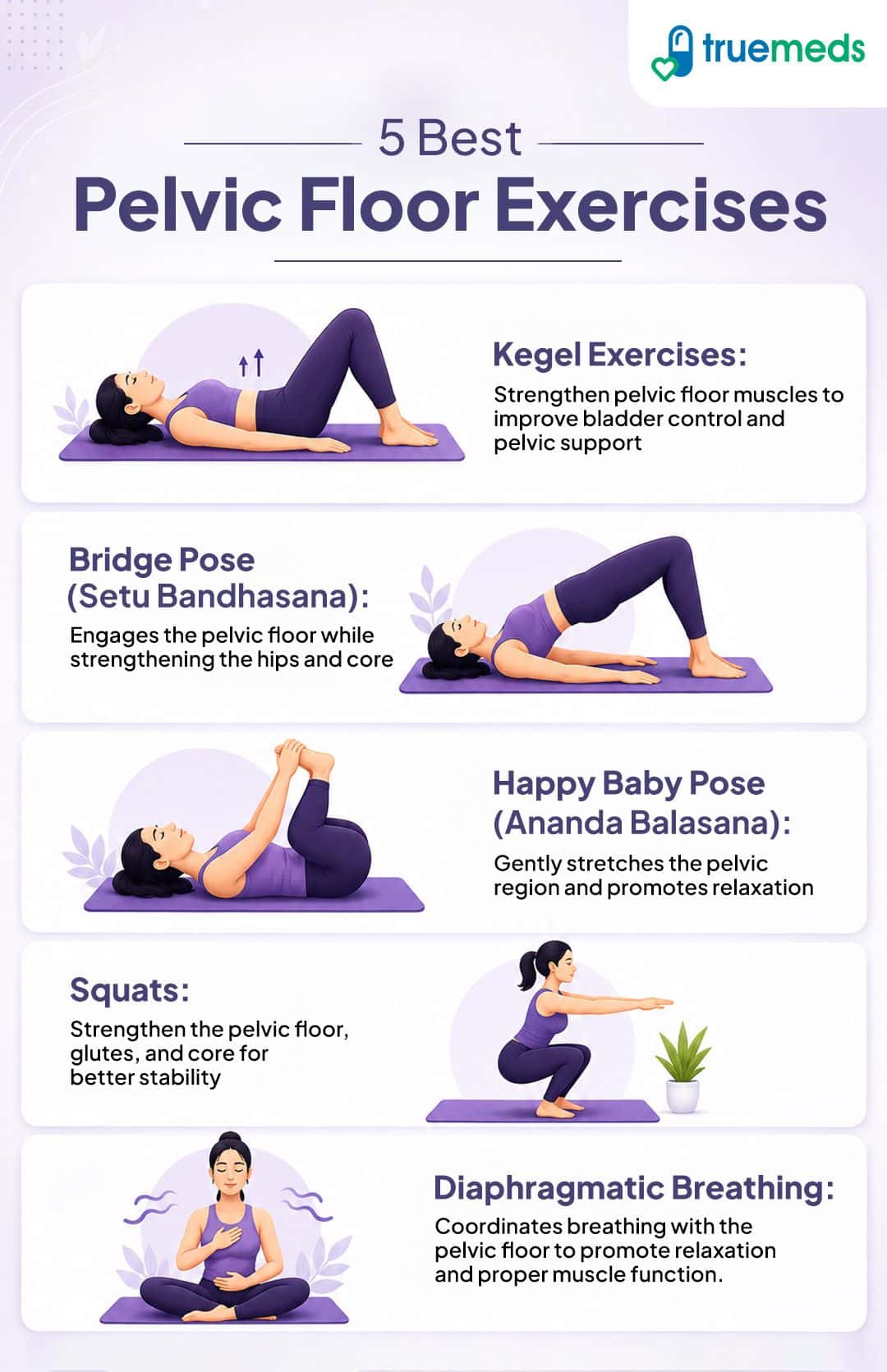
Pelvic floor exercises are essential for maintaining optimal pelvic health, preventing leaks, and improving overall core stability[3]. Here are five of the best exercises to strengthen your pelvic floor muscles:
1. Kegel Exercises
Kegel exercises are the foundation of pelvic floor strengthening. These exercises target the muscles that support your bladder, uterus, and bowels, helping to prevent leaks and improve muscle control during activities like coughing or sneezing[4]. To perform Kegel exercises effectively[5]:
- Start by focusing on the muscles that you would engage to stop the flow of urine or prevent passing gas. These are the pelvic floor muscles you'll target during the exercise.
- Lie on your back, exhale, and pull your navel towards your spine. Contract your pelvic floor muscles for 3-5 second holds for strength (gradually increase to 8-10 seconds as strength improves) and then release.
- Perform 10 contractions, rest for 10 seconds, and repeat for 2-3 sets.
- As the exercise becomes easier, progress to performing Kegels while sitting or standing.
Incorporating Kegel exercises into your daily routine can lead to significant improvements in pelvic floor strength and function[4].
Consult your doctor before starting any new exercise programme.
2. Bridge Pose (Setu Bandhasana)
The bridge pose may support pelvic floor engagement indirectly[6]. Here's how to perform the bridge pose for pelvic floor health:
- Lie on your back with your knees bent and feet flat on the floor, hip-width apart.
- Slowly lift your hips towards the ceiling until your shoulders, hips, and knees form a straight line.
- Hold this position for a few seconds before gently lowering your hips back down to the starting position.
3. Happy Baby Pose (Ananda Balasana)
The happy baby pose is more of a gentle relaxation exercise and not for strengthening the pelvic floor muscles. These exercises are useful for those with pelvic floor tightness or overactivity, and during pregnancy. This pose helps stretch and relax the pelvic floor muscles, reducing tension and improving flexibility[7]. Pregnant individuals should consult their doctor or a pelvic health physiotherapist before starting this or any new exercise. Here's how to perform the happy baby pose:
- Lie on your back and bring your knees into your chest.
- Hold the outsides of your feet with your hands, keeping your elbows relaxed and pointing towards your knees.
- Gently pull your knees towards your armpits, allowing your tailbone to rest on the floor.
- Rock gently from side to side to deepen the stretch in your pelvic floor muscles.
- Continue breathing deeply to enhance relaxation and flexibility[7].
4. Squats
Squats are an excellent exercise for strengthening the lower body and indirectly supporting the pelvic floor muscles[6]. While they primarily target the quadriceps (the large muscle at the front of the thigh), hamstrings, and glutes, squats also help improve overall core stability, which is crucial for maintaining healthy pelvic floor function[6]. To perform squats effectively, follow these steps:
- Stand with your feet shoulder-width apart, toes pointing slightly outward.
- Slowly lower your body, as if you are sitting back into a chair, keeping your back straight and your knees behind your toes.
- Pause for a moment at the bottom of the squat, then push back up to the starting position, engaging your glutes and core.
- Repeat for 10-15 repetitions, focusing on maintaining proper form throughout the movement.
- Proper pelvic floor engagement and breathing are essential.
Incorporating squats into your exercise routine can help build a strong foundation for your pelvic floor health.
5. Diaphragmatic Breathing
Diaphragmatic (belly) breathing plays a vital role in improving pelvic floor health by promoting relaxation and reducing tension in the pelvic floor muscles[8]. To practise diaphragmatic breathing, follow these steps:
- Find a comfortable position, either sitting with your back straight or lying on your back with your knees bent.
- Place one hand on your belly, just below your ribcage, and the other hand on your chest.
- Inhale slowly and deeply through your nose, allowing your belly to expand and rise whilst keeping your chest relatively still.
- Exhale slowly through pursed lips, allowing your belly to fall naturally as you release the breath.
- Repeat this breathing pattern for 5-10 minutes, focusing on the sensation of your belly rising and falling with each breath.
By incorporating diaphragmatic breathing into your daily routine, you can help promote relaxation, reduce stress, and support the health of your pelvic floor muscles.
Also Read: Best Breathing Exercises
Additional tips for pelvic floor health
In addition to the exercises mentioned above, there are several other ways to maintain optimal pelvic floor health:
- Follow a balanced diet rich in fibre to prevent constipation, which can strain the pelvic muscles[9].
- Stay well-hydrated to maintain bladder control and overall pelvic floor function[10].
- Maintain a healthy weight to reduce pressure on the pelvic floor muscles, helping prevent incontinence and other issues[3].
- Practise good bowel habits and avoid straining during bowel movements to prevent damage to the pelvic muscles[9].
- Avoid smoking and limit caffeine intake, as both can irritate the bladder and exacerbate incontinence[11].
Lifestyle modifications should be discussed with your healthcare provider.
Incorporating these tips into your daily routine, along with regular pelvic floor exercises, can lead to significant improvements in pelvic floor health and overall well-being[2].
Important: Pelvic floor strengthening is not appropriate for everyone; some conditions require relaxation rather than strengthening.
When to get medical advice for pelvic floor exercises
1. Pain and Discomfort
Pelvic floor exercises should not cause pain. Stop exercising and consult your doctor or a pelvic health physiotherapist if you experience persistent pelvic pain, lower back pain, pain during urination, or discomfort that worsens during or after the exercises.
2. Physical Symptoms and Structural Issues
Seek medical advice if you have persistent urinary or bowel incontinence, difficulty emptying your bladder, a noticeable bulge or heaviness in the pelvic area, or symptoms of pelvic organ prolapse. A healthcare professional can assess your condition and recommend the most appropriate treatment or exercise programme.
3. Lack of Progress or Worsening Symptoms
If your symptoms do not improve after practising pelvic floor exercises consistently for several weeks, or if they worsen over time, consult your doctor or a pelvic health physiotherapist. They can evaluate whether you are performing the exercises correctly or if another underlying condition requires treatment.
Conclusion
Pelvic floor exercises are essential for maintaining bladder control, enhancing sexual health, and improving overall pelvic floor muscle strength. By incorporating these exercises and tips into daily routines, individuals may experience significant benefits over several weeks to a few months, depending on factors such as the underlying condition, exercise consistency, and individual response. This could differ from person to person based on other physical conditions and the frequency of exercise. Pelvic floor exercises may lead to improved quality of life and reduced risks of incontinence and other pelvic-related issues.
Regular practice can result in noticeable improvements after a few weeks, with substantial benefits within a few months. Prioritising pelvic floor health through these exercises and lifestyle changes can have a lasting positive impact on one's overall well-being.
FAQs
What are pelvic floor exercises, and why are they important?
Pelvic floor exercises target the muscles that support the bladder, bowel, and reproductive organs, preventing incontinence and improving core stability. They are important for maintaining pelvic health and function.
How often should pelvic floor exercises be done?
Pelvic floor exercises should be performed daily for optimal results. Aim for 10 long and short squeezes, repeated in 3 sets per day.
Can pelvic floor exercises help with incontinence?
Yes, pelvic floor exercises are an effective way to manage incontinence by strengthening the muscles that control urinary function.
Are pelvic floor exercises beneficial for both men and women?
Yes, both genders benefit from pelvic floor exercises. Pelvic floor exercises for men can address prostate-related issues, although these exercises do not treat prostate disease itself. In women, these exercises can prevent pregnancy-related and ageing-related pelvic floor dysfunction.
What is the best pelvic floor exercise for beginners?
The best beginner pelvic floor exercise is slow squeezes while lying down. Hold each squeeze for 3-5 seconds, focusing on isolating the pelvic muscles without engaging the abs or thighs.
How long does it take to see results from pelvic floor exercises?
Results from pelvic floor exercises typically appear within weeks of consistent practice, though individual timelines may vary.
Can I do pelvic floor exercises during pregnancy?
Yes, pelvic floor exercises are generally safe during pregnancy and may help strengthen the pelvic muscles, improve bladder control, and prepare your body for childbirth. However, consult your doctor before starting any new exercise routine, especially if you have a high-risk pregnancy.
Is it safe to do pelvic floor exercises after childbirth?
Yes, pelvic floor exercises are often recommended after childbirth to help strengthen weakened pelvic muscles and improve bladder control. However, speak to your doctor or physiotherapist before starting, particularly if you had a complicated delivery or a caesarean section.
When should I see a doctor or pelvic health physiotherapist?
Consult your doctor or a pelvic health physiotherapist if you experience persistent pelvic pain, worsening urinary or bowel symptoms, difficulty performing the exercises correctly, or no improvement after practising them consistently for several weeks.
Can pelvic floor exercises help with urinary incontinence?
Yes, pelvic floor exercises may help improve bladder control and reduce urine leakage by strengthening the muscles that support the bladder and urethra. Regular practice, along with proper technique, is important to achieve the best results.
Should I breathe normally while doing pelvic floor exercises?
Yes, breathe normally throughout each exercise. Avoid holding your breath, as this can increase pressure inside your abdomen and reduce the effectiveness of the exercise. Focus on slow, controlled breathing while gently contracting and relaxing your pelvic floor muscles.
Should I do pelvic floor exercises while sitting, standing or lying down?
You can perform pelvic floor exercises while lying down, sitting, or standing. Beginners often find lying down easier, while practising in different positions can help strengthen the muscles for everyday activities. Choose the position that feels most comfortable for you.
Medical Disclaimer
This article is for informational purposes only and does not constitute medical advice. The information provided should not be used for diagnosing or treating health conditions. Always consult a qualified healthcare provider for diagnosis, treatment, and personalised medical advice. Do not disregard professional medical advice or delay seeking it because of information found in this article. If you have a medical emergency, contact your doctor or emergency services immediately.
References
National Center for Biotechnology Information. (2021, December 27). Pelvic floor muscle exercise and training for coping with urinary incontinence. PMC. https://pmc.ncbi.nlm.nih.gov/articles/PMC8743604/
National Center for Biotechnology Information. (2023, June 26). Pelvic Floor Dysfunction. StatPearls - NCBI Bookshelf. https://www.ncbi.nlm.nih.gov/books/NBK559246/
Cleveland Clinic. (2022, April 18). Pelvic Floor Muscles: Anatomy, Function & Conditions. Cleveland Clinic. https://my.clevelandclinic.org/health/body/22729-pelvic-floor-muscles
National Center for Biotechnology Information. (2023, May 1). Kegel Exercises. StatPearls - NCBI Bookshelf. https://www.ncbi.nlm.nih.gov/books/NBK555898/