

Dienogest
Uses of Dienogest
- Dienogest is mainly used to treat endometriosis, a condition in which tissue similar to the lining of the uterus grows outside the uterus.
- It is also used in lower abdominal pain and painful periods associated with endometriosis.
Side effects of Dienogest
- Headache or migraine
- Breast pain or discomfort
- Depressed mood, irritability or difficulty sleeping
- Nausea, abdominal pain or bloating
- Acne or hair loss
- Weight gain
- Changes in menstrual bleeding
How Dienogest works
- Dienogest is a progestin hormone medicine.
- It reduces the production and effects of oestrogen. This suppresses the growth of endometriosis tissue outside the uterus and may reduce the associated pain.
Certified content
Written By

Doctor of Medicine
Reviewed By

BAMS, FMC, MD Resident
Expert Advice
Dosage Forms Available
- Dienogest is available as an oral tablet.
Age and Dose Restrictions
- Take Dienogest continuously at approximately the same time each day.
- Dienogest may be taken with or without food.
- It should not be used before the first menstrual period.
- In adolescents, it should be used under specialist supervision because it may affect bone strength.
Contraindications
Do not take Dienogest if:
- You are allergic to dienogest or any other ingredient in the medicine.
- You currently have a blood clot in the veins of the legs or lungs.
- You currently have or previously had a heart attack, stroke or a serious condition affecting the blood supply to the heart.
- You have diabetes that has damaged the blood vessels.
- You have severe liver disease and your liver function has not returned to normal.
- You have or previously had a cancerous or non-cancerous liver tumour.
- You have or may have a hormone-sensitive cancer of the breast or reproductive organs.
- You have unexplained vaginal bleeding.
Other Medications to Avoid
- Medicines used to control seizures, such as phenytoin, carbamazepine, oxcarbazepine, topiramate and felbamate, may reduce the effect of Dienogest.
- Rifampicin, griseofulvin and St John’s wort may also reduce its effect.
- Ketoconazole and erythromycin may increase the amount of Dienogest in the body.
- Certain medicines used to treat HIV or hepatitis C may alter the effect of Dienogest.
- Do not use hormonal contraceptive pills, contraceptive patches or hormone-releasing intrauterine devices while taking Dienogest.
- Inform your doctor about all medicines, herbal products and supplements you use.
Overdose and Missed Dose
- Contact your doctor or the nearest medical facility if you take more tablets than prescribed.
- If you miss one or more doses, take only one tablet as soon as you remember.
- Take the next tablet at the usual time on the following day.
- Do not take two tablets together to make up for a missed dose.
- If vomiting or severe diarrhoea occurs within 3–4 hours after taking the tablet, take another tablet as soon as possible.
Management of Side Effects
Most side effects of Dienogest are temporary and generally harmless, resolving upon discontinuation of the medication. However, if severe side effects occur or symptoms worsen, consult your doctor.
- Rest and drink sufficient water if you develop a headache. Consult your doctor if the headache is severe or occurs repeatedly.
- Ask your doctor whether the tablet may be taken with food if it causes nausea or stomach discomfort.
- Wearing a well-supporting bra may help reduce breast discomfort.
- Contact your doctor if menstrual bleeding is heavy or continues for a long time, as prolonged bleeding may cause anaemia.
Use in Driving and Operating Machinery
- Dienogest does not usually affect the ability to drive or operate machinery.
- Avoid driving or operating machinery if you experience dizziness, a severe headache or difficulty concentrating.
Use in Pregnancy and Lactation
- Dienogest should not be used during pregnancy.
- Its use is also not recommended during breastfeeding.
- Contact your doctor immediately if pregnancy is confirmed.
- Dienogest is not a contraceptive. Use a non-hormonal contraceptive method, such as condoms, if pregnancy prevention is required.
Caution in Other Conditions
- Inform your doctor if you have a history of mental health issues.
- Tell your doctor if you have high blood pressure, diabetes, a previous pregnancy outside the uterus or a disorder affecting the fallopian tubes.
- Heavy bleeding may occur in women with adenomyosis, where tissue similar to the uterine lining grows into the muscle of the uterus, or with non-cancerous growths in the uterus.
- If you are at risk of weak bones, your doctor will assess the benefits and risks of treatment.
- Dienogest should not be used in severe liver disease.
- Inform your doctor if you have kidney disease before starting treatment.
- The risk of blood clots may increase during prolonged bed rest, after major surgery or following a serious injury. Inform your doctor in advance in these situations.
Special Dietary and Lifestyle Recommendations
- Avoid grapefruit juice because it may increase the amount of Dienogest in the body.
- Include sufficient calcium and vitamin D in your diet to support bone health.
- Take calcium or vitamin D supplements only on your doctor’s advice.
- Avoid smoking, particularly if you have other risk factors for blood clots.
- Follow a balanced diet and engage in regular, light physical activity.
Frequently asked questions
Does Dienogest affect sleep?
Yes. Dienogest may cause difficulty sleeping in some women. Consult your doctor if the problem continues.
Are there any specific dietary restrictions while taking Dienogest?
No specific diet is required. However, avoid grapefruit juice because it may increase the amount of Dienogest in the body.
How long does Dienogest take to work?
Dienogest works gradually. A noticeable reduction in endometriosis-related pain may occur after approximately 3 months of regular use.
What is the best time to take Dienogest?
Take Dienogest at approximately the same time every day. It may be taken with or without food.
Is continuous use of Dienogest safe for the long-term treatment of endometriosis?
Yes. Dienogest may be used for an extended period under medical supervision. Your doctor may periodically assess menstrual bleeding, mood and factors affecting bone strength.
Does Dienogest increase the risk of blood clots?
Blood clots are not a common side effect of Dienogest. However, the risk may be higher in people with existing risk factors, such as a previous blood clot, obesity, smoking, older age, major surgery or prolonged bed rest.
Can Dienogest cause acne?
Yes. Acne is a common side effect of Dienogest.
What is Dienogest used for?
Dienogest is used to treat endometriosis and the associated lower abdominal pain.
Dienogest in other salts
List of medicines for Dienogest
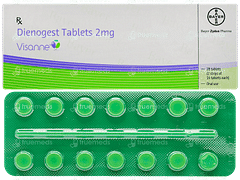
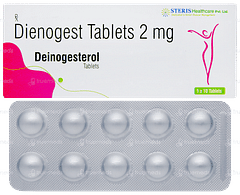
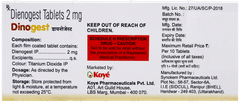
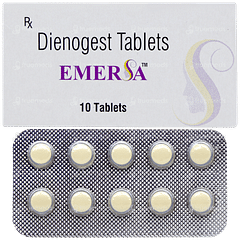
Company
About UsHealth ArticleHealth StoriesHealth LibraryDiseases & Health ConditionsAyurvedaUnderstanding Generic MedicinesAll MedicinesAll BrandsNeed HelpFAQSecuritySavings CalculatorAdvertise with UsSubscribe
Registered Office Address
Grievance Officer
Download Truemeds


Contact Us
Our customer representative team is available 7 days a week from 9 am - 9 pm.
v4.28.13

2026 - Truemeds | All rights reserved. Our content is for informational purposes only. See additional information.

Our Payment Partners




