

- Medicines
- Personal Care
- Skin Cream
- Sunscreen
- Face Wash
- Skin and Body Soap
- Acne Care
- Body Lotions
- Moisturising Lotion
- Moisturising Cream
- Mosquito Repellent
- Moisturising Gel
- Body Wash
- Hair Oils
- Hair Shampoo
- Hair Conditioners
- Hair Supplements
- Hair Colour
- Hair Serum
- Hair Mask
- Hair Solutions
- Baby Diapers and Wipes
- Baby Lotion and Moisturising Cream
- Baby Bath Essentials
- Baby Skin Care
- Baby and Infant Food
- Baby Healthcare
- Women Multivitamins
- Ovulation Test Kit and Women Intimate Care
- Sanitary Pads
- Nutritional Drinks
- Condoms
- Lubricants
- Massage Gels
- Personal Body Massagers
- Men Performance Booster
- Sexual Health Supplements
- Massage Oils
- Ayurveda
- Tooth Paste
- Mouth Ulcer Gel
- Mouthwash
- Toothache and Gum Pain
- Tooth Brush
- Gargle Solution
- Orthopaedic Supports
- Adult Diapers
- Footwear
- Mobility and Support Accessories
- Urinary Support and Care
- Health Conditions
- Bone and Joint Care
- Digestive Care
- Eye Care
- Pain Relief
- Smoking Cessation
- Liver Care
- Stomach Care
- Cold and Cough
- Heart Care
- Kidney Care
- Piles, Fissures & Fistula
- Respiratory Care
- Mental Wellness
- Derma Care
- Pre and Probiotics
- Acidity
- Gas
- Constipation
- Loose Motion/Diarrhoea
- Digestive Fibres
- Digestive Enzymes
- Eye Lubricant Drops
- Lens Solution
- Safety Eye Wear
- Eye Cream
- Eye Vitamins and Supplements
- Eye Drops
- Eye Ointment and Gel
- Nicotine Patch
- Nicotine Gum
- Nicotine Lozenges
- Cough Syrups
- Chest Rubs and Balms
- Nasal Spray
- Lozenges
- Inhalant Capsules
- Cold and Cough Tablets
- Vitamins & Supplements
- Diabetes Care
- Healthcare Devices
- Homeopathic Medicine
- Health Guide
Hepatic Encephalopathy
Hepatic encephalopathy, also known as portosystemic encephalopathy, occurs when the liver is unable to effectively remove toxins from the blood. As these toxins accumulate, they affect brain function, leading to confusion, disorientation, and other neurological changes. While hepatic encephalopathy can improve with appropriate treatment, it can become life-threatening if left untreated EASL, 2022.
 50
50Last updated on : 04 May, 2026
Read time : 12 mins
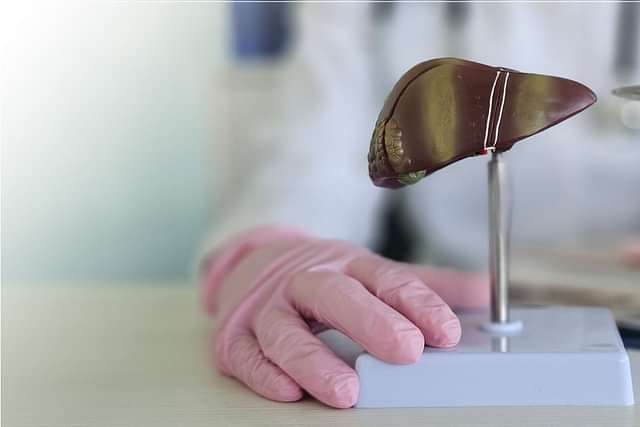
Overview of Disease
Hepatic encephalopathy (HE) is a serious complication of acute or chronic liver insufficiency, where the liver fails to remove toxic substances from the bloodstream. These toxins can then reach the brain, causing significant alterations in brain function. This condition is characterised by changes in personality, consciousness, cognition, and motor function. Understanding the causes, stages, and types of hepatic encephalopathy is crucial for early diagnosis and effective management of the condition.
What is Hepatic Encephalopathy?
Hepatic encephalopathy is a neurological disorder that occurs as a consequence of severe liver disease. In this condition, the liver is unable to efficiently remove toxins from the blood, leading to a buildup of these harmful substances in the bloodstream. As a result, the toxins can cross the blood-brain barrier and cause damage to the brain, leading to a decline in brain function. The severity of hepatic encephalopathy can vary, depending on the extent of liver damage and the accumulation of toxins. Early recognition and prompt treatment are essential to prevent the progression of the condition and improve the patient's quality of life.
Key Factors about Hepatic Encephalopathy
| Category | Details |
| Also Referred as | Portosystemic Encephalopathy, Liver Encephalopathy, Hepatic Coma |
| Commonly Occurs In | Patients with cirrhosis, chronic liver failure, and portosystemic shunts |
| Affected Organ | Liver, Brain |
| Type | Acute, Chronic |
| Common Signs | Cognitive impairments, personality changes, intellectual impairment, depressed level of consciousness, asterixis, fetor hepaticus |
| Consulting Specialist | Gastroenterologist, Hepatologist |
| Treatment Procedures | Elimination of triggers, lactulose, antibiotics, liver transplantation |
| Managed By | Lactulose, antibiotics (rifaximin), branched-chain amino acids, and supportive care as needed |
| Mimicking Condition | Dementia, delirium, other acute and chronic causes of altered mental status |
Types of Hepatic Encephalopathy
Hepatic encephalopathy can be categorised into different types based on the underlying causes and duration:
- Acute hepatic encephalopathy: This type develops suddenly and is often a result of severe liver diseases such as acute fulminant viral hepatitis, toxic hepatitis, or Reye's syndrome. With prompt treatment, this type of hepatic encephalopathy can be reversed.
- Chronic hepatic encephalopathy: This type is characterised by permanent or recurrent episodes of encephalopathy. It is commonly seen in patients with severe cirrhosis or liver failure and requires continuous treatment to manage symptoms.
- Minimal hepatic encephalopathy: This type involves subtle cognitive changes that are not apparent without neuropsychological or neurophysiological testing. It is frequently observed in individuals with cirrhosis, and treatment is generally not required unless there is a risk of progression to overt hepatic encephalopathy (AASLD, 2023).
- Overt hepatic encephalopathy: This presents with clinically apparent symptoms, ranging from confusion to coma. It is more severe than minimal hepatic encephalopathy. Recognising the different types of hepatic encephalopathy is essential for tailoring management strategies to individual patient needs.
Symptoms of Hepatic Encephalopathy
Hepatic encephalopathy can present in various ways, and symptoms may differ from person to person. Common effects include:
- Mood and personality changes: increased irritability, depression, or emotional instability.
- Behavioral and impulse control issues: unusual aggression, apathy, or inappropriate social behaviour.
- Cognitive impairment: difficulty with memory, concentration, and problem-solving.
- Altered consciousness and sleep disturbances: confusion, drowsiness, or unusual sleep patterns.
- Motor function problems: tremors, poor coordination, and difficulty with fine motor skills.
- Loss of independence: decreased ability to perform daily tasks and self-care.
Symptoms may appear suddenly or develop gradually, and they can fluctuate in severity. Some individuals experience episodic symptoms, while others may have persistent cognitive and motor impairments. Healthcare providers often categorise symptoms by severity to determine the stage of the condition.
Stages of Hepatic Encephalopathy
Hepatic encephalopathy is classified into different stages based on the severity of symptoms:
- Stage 0 (minimal hepatic encephalopathy): In this stage, patients do not exhibit obvious symptoms, and diagnosis requires neuropsychological or neurophysiological testing. Routine treatment is not recommended unless there is a high risk of progression (EASL, 2022).
- Stage 1 (mild hepatic encephalopathy): Patients in this stage experience mild confusion, disorientation, and difficulty with concentration and memory. They may also display personality changes, mood disturbances, and disruptions in their sleep-wake cycle. Stage 1 hepatic encephalopathy is sometimes misdiagnosed as depression or anxiety.
- Stage 2 (moderate hepatic encephalopathy): In stage 2, patients exhibit more pronounced confusion, disorientation, and lethargy. They may have difficulties with speech and coordination, as well as emotional instability and irritability. The risk of accidents and falls increases in this stage.
- Stage 3 (severe hepatic encephalopathy): Patients in stage 3 experience deep confusion, disorientation, and agitation. They have significant cognitive impairment and may develop tremors, muscle weakness, and an inability to walk. If left untreated, there is a high risk of coma and death.
- Stage 4 (coma): In the most severe stage, patients become unresponsive and enter a deep coma. This stage is often fatal if not promptly treated.
Causes of Hepatic Encephalopathy
Hepatic encephalopathy develops when the liver fails to filter neurotoxins from the blood as it normally would. This may occur due to temporary or permanent liver dysfunction (liver failure) or because blood bypasses the liver instead of passing through it for detoxification (portosystemic shunting). In some cases, both factors contribute to the condition.
The liver receives blood directly from the digestive system through the portal vein (portal circulation). This blood contains waste products from digestion, including ammonia and other toxins. Under normal conditions, the liver filters these substances before the blood re-enters systemic circulation. When liver function is impaired, toxins accumulate in the bloodstream and eventually affect brain function.
This condition can be acute or chronic, depending on the underlying cause and the severity of liver damage. Some of the major causes of hepatic encephalopathy include:
- Acute fulminant viral hepatitis: A severe and rapid onset of viral hepatitis can trigger HE, as the liver's ability to detoxify the blood is severely compromised.
- Toxic hepatitis: Exposure to toxins such as alcohol, chemicals, or certain medications can cause significant liver damage and subsequently lead to the development of HE.
- Reye's syndrome: Although rare, this condition primarily affects children and is characterised by sudden liver and brain inflammation. Reye's syndrome can cause acute hepatic encephalopathy, requiring immediate medical attention.
- Chronic liver disease: Advanced liver disease, particularly cirrhosis, is a common cause of chronic hepatic encephalopathy. In such cases, patients may require continuous treatment to manage the condition and prevent further neurological deterioration.
By understanding the underlying causes of hepatic encephalopathy, doctors can develop targeted treatment strategies and provide appropriate care for patients.
Risk Factors
Several factors can increase an individual's susceptibility to developing hepatic encephalopathy, including:
- Preexisting liver diseases, such as cirrhosis and chronic hepatitis
- History of viral hepatitis, autoimmune hepatitis, or bile duct disorders
- Long-term alcohol abuse and other substance abuse
- Family history of liver disease, such as Wilson's disease or alpha-1 antitrypsin deficiency
- Exposure to hepatotoxins, including organic solvents and phosphorus-containing substances
- Age, as older adults are more susceptible to HE
- Kidney disease that can further compromise overall metabolic function and worsen HE
Who's at Risk?
Several factors can increase the risk of developing hepatic encephalopathy, including:
- Cirrhosis and other severe liver diseases
- Older age, particularly in individuals with cirrhosis
- Previous episodes of HE
- Portal hypertension
- Alcohol abuse
- Hepatitis
It is important to note that people with cirrhosis are at a particularly high risk of developing some form of HE. Additionally, those who have experienced a previous episode of HE are more likely to have recurring episodes. Maintaining liver health through proper medical care and lifestyle changes can help reduce the risk of developing HE.
Complications
Several liver diseases and conditions can lead to complications of hepatic encephalopathy, including:
Cirrhosis: Advanced liver disease resulting in impaired liver function.
Portal hypertension: Elevated blood pressure in the portal vein due to liver cirrhosis.
Gastrointestinal bleeding: Digestive tract bleeding can raise ammonia levels and worsen hepatic encephalopathy.
Liver failure: Sudden loss of liver function (acute liver failure) can precipitate hepatic encephalopathy.
Autoimmune liver disease: Conditions like autoimmune hepatitis can damage the liver and increase hepatic encephalopathy risk.
Acetaminophen poisoning: Overdosing or poisoning with acetaminophen can induce acute liver failure and hepatic encephalopathy.
Prevention of Hepatic Encephalopathy
Preventing the development and progression of hepatic encephalopathy is crucial for maintaining the well-being of patients with liver disease. Some key strategies for preventing HE include:
- Proper liver function: Maintaining optimal liver function helps prevent the buildup of neurotoxins in the blood, which can contribute to the development of HE.
- Avoiding triggers: Identifying and avoiding triggers such as infections, GI bleeding, constipation, electrolyte problems, and certain medications can help prevent HE episodes.
- Medication use: Careful use of medications that can contribute to HE is essential to minimise the risk of developing the condition.
By implementing these preventive measures, patients with liver disease can reduce their risk of developing hepatic encephalopathy and its associated complications.
Diagnosis & Tests
Diagnosing hepatic encephalopathy involves a combination of clinical assessment, laboratory tests, and imaging studies. The following steps are typically involved in the diagnostic process:
- Clinical evaluation: The doctor will assess the patient's symptoms, medical history, and risk factors for HE. They will also perform a physical examination to look for signs of liver disease and neurological abnormalities.
- Blood tests: Blood tests can help evaluate liver function and other contributing factors, but serum ammonia levels alone should not be used as a diagnostic tool or to monitor response to treatment (Mandiga et al., 2025). These tests may include liver function tests, complete blood count, and electrolyte levels.
- Imaging studies: Brain imaging techniques such as computed tomography (CT) scans or magnetic resonance imaging (MRI) may be used to rule out other causes of neurological symptoms and assess for complications like cerebral oedema.
- Electroencephalogram (EEG): Recording brain wave patterns to detect abnormalities associated with hepatic encephalopathy.
- Psychometric tests: Evaluating cognitive function, memory, and attention through standardised assessments.
- Lumbar puncture: Analysing cerebrospinal fluid to exclude infections or other neurological disorders.
Prompt and accurate diagnosis of hepatic encephalopathy is essential for initiating appropriate treatment and managing the condition effectively.
Treatment & Management
Several medications are used to manage hepatic encephalopathy (HE) by targeting ammonia production, absorption, and neurotoxin buildup in the blood.
1. Reducing Ammonia Levels
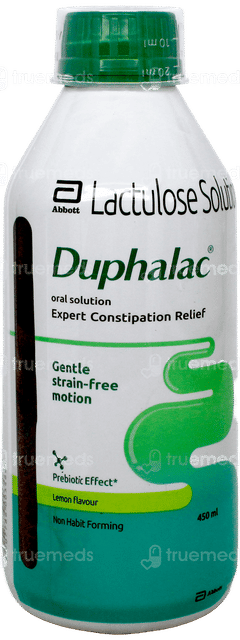
- Non-Absorbable Disaccharides: Lactulose and lactitol act as osmotic laxatives and prebiotics, promoting the excretion of ammonia and reducing its absorption in the gut.
- L-Ornithine L-Aspartate (LOLA): This compound enhances the urea cycle, aiding in ammonia detoxification and supporting liver function.
2. Reducing Neurotoxin Levels in the Blood
Since many neurotoxins originate in the gut due to bacterial activity, treatment focuses on lowering their production and absorption:
- Antibiotics: Rifaximin is the primary choice for reducing gut nitrogen loads and toxin-producing bacteria. In cases where rifaximin is unavailable or ineffective, neomycin may be considered an alternative.
- Osmotic Laxatives: Lactulose helps accelerate waste elimination and limit ammonia absorption.
- Lactulose is recommended as initial therapy for acute overt hepatic encephalopathy. Rifaximin may be added for patients who do not respond adequately to lactulose or for the prevention of recurrent episodes (AASLD, 2023).
3. Additional Supportive Therapies
- Branched-Chain Amino Acids (BCAAs): These help in muscle metabolism and assist in ammonia clearance, especially in patients with HE exacerbations.
- Probiotics: Probiotics may help promote beneficial gut bacteria and reduce the presence of toxin-producing bacteria, supporting overall gut health.
4. Hemodialysis for Acute Liver Failure
In severe cases of Type A hepatic encephalopathy due to acute liver failure, hemodialysis or renal replacement therapy may be required to rapidly filter toxins from the blood when the liver is unable to perform its detoxification functions effectively.
When to See a Doctor?
If you experience any signs or symptoms of hepatic encephalopathy, it is essential to seek medical attention promptly. Early signs of HE may include mild confusion, forgetfulness, difficulty concentrating, or changes in sleep patterns. As the condition progresses, more severe symptoms such as disorientation, bizarre behaviour, slurred speech, or even coma can occur. The doctor will assess the situation and provide appropriate treatment to manage the condition and prevent further complications.
Key Takeaways
- Hepatic encephalopathy is a serious neurological complication of liver disease.
- Symptoms can range from mild confusion to coma and may include changes in sleep patterns, personality, and behaviour.
- Management involves supportive care, ammonia-lowering therapy (lactulose), antibiotic therapy (rifaximin), and addressing precipitating factors. Routine treatment is not recommended for minimal hepatic encephalopathy unless there is a risk of progression.
- Medications like lactulose, lactitol, and rifaximin are used to reduce gut-derived ammonia and nitrogenous products.
- Seek prompt medical attention if you or a loved one experiences symptoms suggestive of hepatic encephalopathy.
- Early diagnosis and treatment are crucial for improving outcomes and quality of life for patients with hepatic encephalopathy.
FAQs
Which antibiotic is best for hepatic encephalopathy?
Rifaximin is considered the best antibiotic for hepatic encephalopathy due to its safety, minimal systemic absorption, and efficacy in reducing ammonia levels and improving symptoms..
What is the best diet for hepatic encephalopathy?
A moderate-protein, balanced diet (rather than strict protein restriction) is generally recommended for patients with hepatic encephalopathy, as severe protein restriction can worsen malnutrition..
What is the recovery time for hepatic encephalopathy?
The recovery time for hepatic encephalopathy depends on the severity, ranging from 2-3 days for mild cases to longer durations for severe episodes.
Why is rifaximin used for hepatic encephalopathy?
Rifaximin is effective for hepatic encephalopathy because it reduces gut-derived neurotoxins like ammonia, has minimal systemic absorption, and safely manages both acute and chronic episodes.
What syrup is used for hepatic encephalopathy?
Lactulose syrup is frequently used in hepatic encephalopathy treatment to decrease ammonia levels and promote excretion through the bowels, often in combination with antibiotics like rifaximin.
References
- Mandiga P, Kommu S, Bollu PC. Hepatic Encephalopathy. [Updated 2025 Jan 20]. In: StatPearls [Internet]. Treasure Island (FL): StatPearls Publishing; 2025 Jan-. Available from: https://www.ncbi.nlm.nih.gov/books/NBK430869/
- European Association for the Study of the Liver (EASL). (2022). EASL clinical practice guidelines on the management of hepatic encephalopathy. Journal of Hepatology, 77(3), 807–824. https://doi.org/10.1016/j.jhep.2022.05.002
- American Association for the Study of Liver Diseases (AASLD). (2023). AASLD practice guidance on the clinical assessment and management of hepatic encephalopathy. Retrieved from https://www.aasld.org/practice-guidelines
- Reau, N. (2025). A practical approach to the diagnosis and management of hepatic encephalopathy. American Journal of Medicine, 138(1), 45–52. https://doi.org/10.1016/j.amjmed.2025.05.001
- Jhajharia, A., et al. (2024). Intravenous versus oral 'l-ornithine-l-aspartate' in overt hepatic encephalopathy: A randomised controlled trial. Scientific Reports, 14, 62293. https://doi.org/10.1038/s41598-024-62293-8
Check Related Salts
Browse Other Conditions
Latest health articles

Top Health Essentials























Disclaimer
Top-Selling Medicines:
...View more
Top-OTC medicines:
...View more
Company
About UsHealth ArticleHealth StoriesHealth LibraryDiseases & Health ConditionsAyurvedaUnderstanding Generic MedicinesAll MedicinesAll BrandsNeed HelpFAQSecuritySavings CalculatorAdvertise with UsSubscribe
Registered Office Address
Grievance Officer
Download Truemeds


Contact Us
Our customer representative team is available 7 days a week from 9 am - 9 pm.
v4.28.14

2026 - Truemeds | All rights reserved. Our content is for informational purposes only. See additional information.

Our Payment Partners




