

- Medicines
- Personal Care
- Skin Cream
- Sunscreen
- Face Wash
- Skin and Body Soap
- Acne Care
- Body Lotions
- Moisturising Lotion
- Moisturising Cream
- Mosquito Repellent
- Moisturising Gel
- Body Wash
- Hair Oils
- Hair Shampoo
- Hair Conditioners
- Hair Supplements
- Hair Colour
- Hair Serum
- Hair Mask
- Hair Solutions
- Baby Diapers and Wipes
- Baby Lotion and Moisturising Cream
- Baby Bath Essentials
- Baby Skin Care
- Baby and Infant Food
- Baby Healthcare
- Women Multivitamins
- Ovulation Test Kit and Women Intimate Care
- Sanitary Pads
- Nutritional Drinks
- Condoms
- Lubricants
- Massage Gels
- Personal Body Massagers
- Men Performance Booster
- Sexual Health Supplements
- Massage Oils
- Ayurveda
- Tooth Paste
- Mouth Ulcer Gel
- Mouthwash
- Toothache and Gum Pain
- Tooth Brush
- Gargle Solution
- Orthopaedic Supports
- Adult Diapers
- Footwear
- Mobility and Support Accessories
- Urinary Support and Care
- Health Conditions
- Bone and Joint Care
- Digestive Care
- Eye Care
- Pain Relief
- Smoking Cessation
- Liver Care
- Stomach Care
- Cold and Cough
- Heart Care
- Kidney Care
- Piles, Fissures & Fistula
- Respiratory Care
- Mental Wellness
- Derma Care
- Pre and Probiotics
- Acidity
- Gas
- Constipation
- Loose Motion/Diarrhoea
- Digestive Fibres
- Digestive Enzymes
- Eye Lubricant Drops
- Lens Solution
- Safety Eye Wear
- Eye Cream
- Eye Vitamins and Supplements
- Eye Drops
- Eye Ointment and Gel
- Nicotine Patch
- Nicotine Gum
- Nicotine Lozenges
- Cough Syrups
- Chest Rubs and Balms
- Nasal Spray
- Lozenges
- Inhalant Capsules
- Cold and Cough Tablets
- Vitamins & Supplements
- Diabetes Care
- Healthcare Devices
- Homeopathic Medicine
- Health Guide
Hepatitis B
Hepatitis B is a liver infection caused by the hepatitis B virus (HBV), which is transmitted through body fluids such as blood, semen, and vaginal secretions. While most immunocompetent adults can clear the infection spontaneously, HBV can cause both acute and chronic diseases, ranging from asymptomatic carrier states to cirrhosis and hepatocellular carcinoma (WHO (2024)). The clinical manifestations and management of HBV infection vary depending on the stage of the disease.
 50
50Last updated on : 29 Apr, 2026
Read time : 13 mins

Overview of Disease
Hepatitis B is a global health concern, affecting millions of people worldwide. The infection is caused by the hepatitis B virus (HBV), which primarily targets the liver cells, leading to inflammation and potential damage. HBV is highly contagious and can be transmitted through various routes, including blood, semen, and vaginal secretions. While some people may experience acute symptoms, others may develop chronic hepatitis B, which can have severe long-term consequences. Understanding the stages of hepatitis B is crucial for effective management and treatment of the infection.
What is Hepatitis B?
Hepatitis B is a viral infection that specifically affects the liver. It is caused by the hepatitis B virus, which belongs to the Hepadnaviridae family. Upon entering the body, the virus targets the liver cells, known as hepatocytes, and begins to replicate. The presence of the virus triggers an immune response, leading to inflammation and potential damage to the liver tissue. Hepatitis B can manifest as an acute infection, which may resolve on its own, or it can progress to a chronic condition that persists for an extended period. Chronic hepatitis B significantly increases the risk of developing serious complications such as liver cirrhosis and liver cancer.
Key Factors about Hepatitis B
| Category | Details |
| Also Referred to as | Serum Hepatitis |
| Commonly Occurs In | Africa, the Western Pacific region, and communities with high infection rates (such as people with multiple sexual partners, people who inject drugs, or those born to infected mothers) |
| Affected Organ | Liver |
| Type | Viral infection |
| Common Signs | Fatigue, Loss of appetite, Weakness, Fever, Nausea, Vomiting, Jaundice, Abdominal pain, Joint pain |
| Consulting Specialist | Gastroenterologist, Hepatologist |
| Treatment Procedures | Antiviral medication, Liver transplantation (for severe cases) |
| Managed By | Tenofovir, Entecavir |
| Mimicking Condition | Other viral infections (e.g., hepatitis A, C, D, E), and Autoimmune hepatitis |
Types of Hepatitis B
Hepatitis B can be classified into two main types. These include:
- Acute hepatitis B: This is a short-term illness that lasts less than six months. In most cases, adults with acute hepatitis B recover completely and develop immunity against the virus. However, a small proportion may progress to chronic infection, particularly if infected at a young age WHO (2024). However, in severe cases, hospitalisation may be necessary.
- Chronic hepatitis B: This is a long-term condition that persists for more than six months. If left untreated, chronic hepatitis B can lead to serious liver diseases, such as cirrhosis and liver cancer. Treatment for chronic hepatitis B focuses on managing symptoms and preventing complications.
Early Signs of Disease
Early signs of hepatitis B can be subtle and may include:
- Loss of appetite
- Fatigue
- Muscle or joint pain
- Mild fever
- Nausea and vomiting
- Yellowing of skin and eyes (jaundice)
- Dark urine
- Pale stools
These symptoms may appear 60-150 days after infection and can be easily overlooked or mistaken for other illnesses. If you experience any of these symptoms, it is essential to consult a doctor for proper diagnosis and treatment.
Symptoms of Hepatitis B
The symptoms depend on the type of hepatitis B. These include:
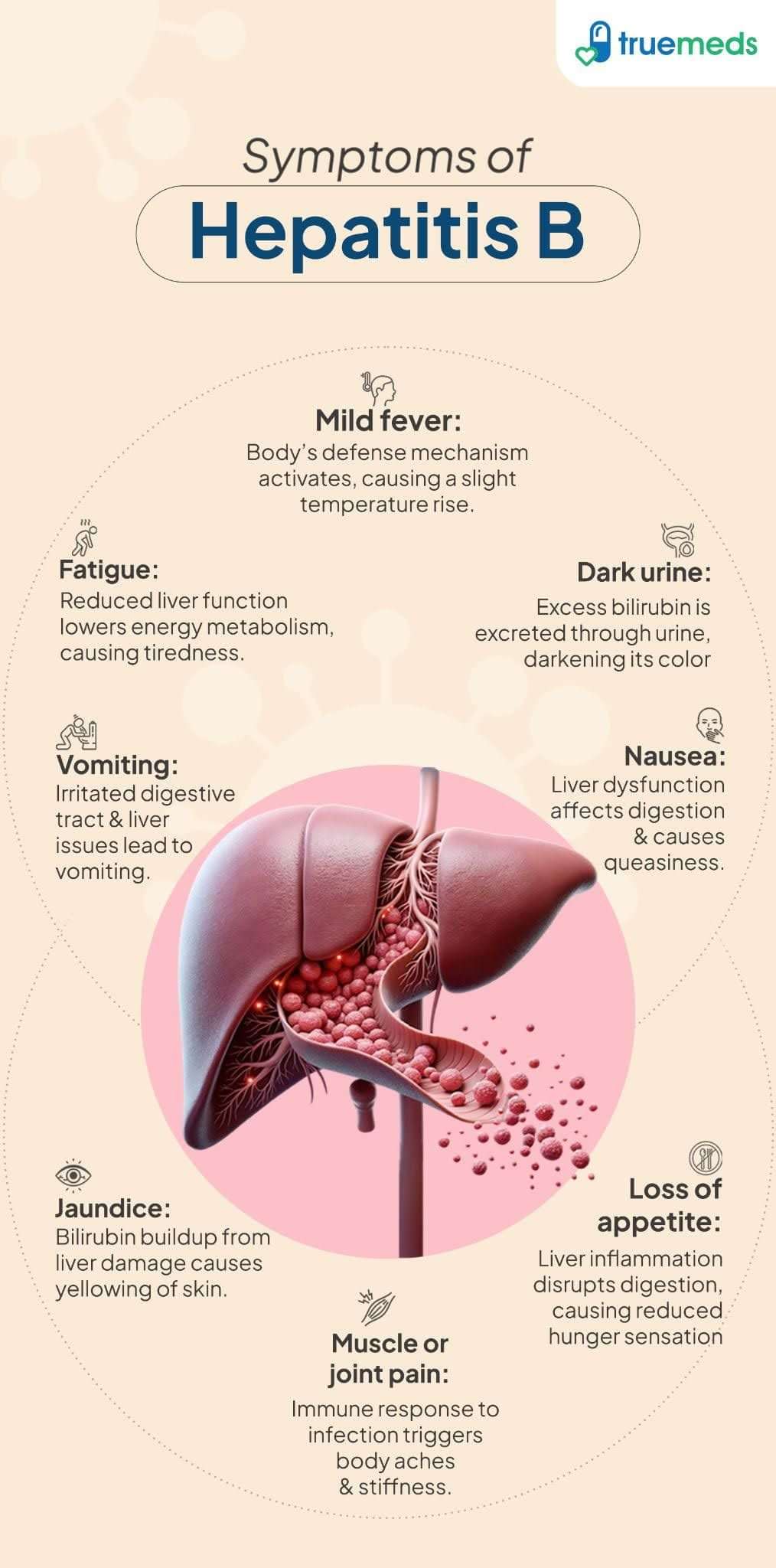
- Acute Hepatitis B symptoms: Acute hepatitis B is characterised by mild symptoms that last less than six months. These symptoms may include loss of appetite, muscle or joint pain, mild fever, nausea, vomiting, jaundice, dark urine, and pale stools. Symptoms typically appear 60-150 days after infection.
- Chronic Hepatitis B symptoms: Chronic hepatitis B may present with mild symptoms or no symptoms at all. Common symptoms include fatigue, mild pain on the right side of the abdomen, jaundice, dark urine, and pale stools. In some cases, symptoms may not appear until complications develop, which can take decades.
Stages of Hepatitis B
The progression of hepatitis B can be divided into four distinct stages, each characterised by specific patterns of viral replication, liver damage, and immune response. These stages are:
- Immune-tolerant phase: In the immune-tolerant phase, the virus replicates actively in the liver cells, causing high levels of the virus in the blood. The immune system does not mount a significant response, and the individual usually has no symptoms or abnormal liver enzymes (EASL, 2025). Liver enzyme levels typically remain normal, and liver biopsies often show minimal liver damage.
- Immune-active phase: As the infection progresses, the immune system starts to react to the hepatitis B virus. During the immune-active phase, the body's immune cells target and attack the infected liver cells, causing inflammation and liver damage. Patients may experience symptoms like fatigue, abdominal discomfort, and jaundice. Liver enzyme levels rise, reflecting ongoing liver injury, and liver biopsies usually show chronic hepatitis with varying levels of inflammation and fibrosis.
- Immune-control phase: In some cases, the immune system effectively controls the hepatitis B virus during the immune-control phase. This reduces viral replication and lowers the amount of virus in the blood, leading to less liver inflammation and damage. Liver enzyme levels often return to normal, indicating reduced liver injury. However, the virus is not eliminated, and low levels of HBV DNA may still be present.
- Immune clearance phase: The immune clearance phase is the final stage of hepatitis B infection. During this phase, the immune system successfully eliminates the virus from the body, and HBV DNA becomes undetectable, indicating no active viral replication. This phase marks recovery from chronic hepatitis B. However, it is important to continue monitoring liver function and be cautious of potential viral reactivation, especially if the immune system is weakened.
Causes of Hepatitis B
Several key factors contribute to the spread of this virus, including:
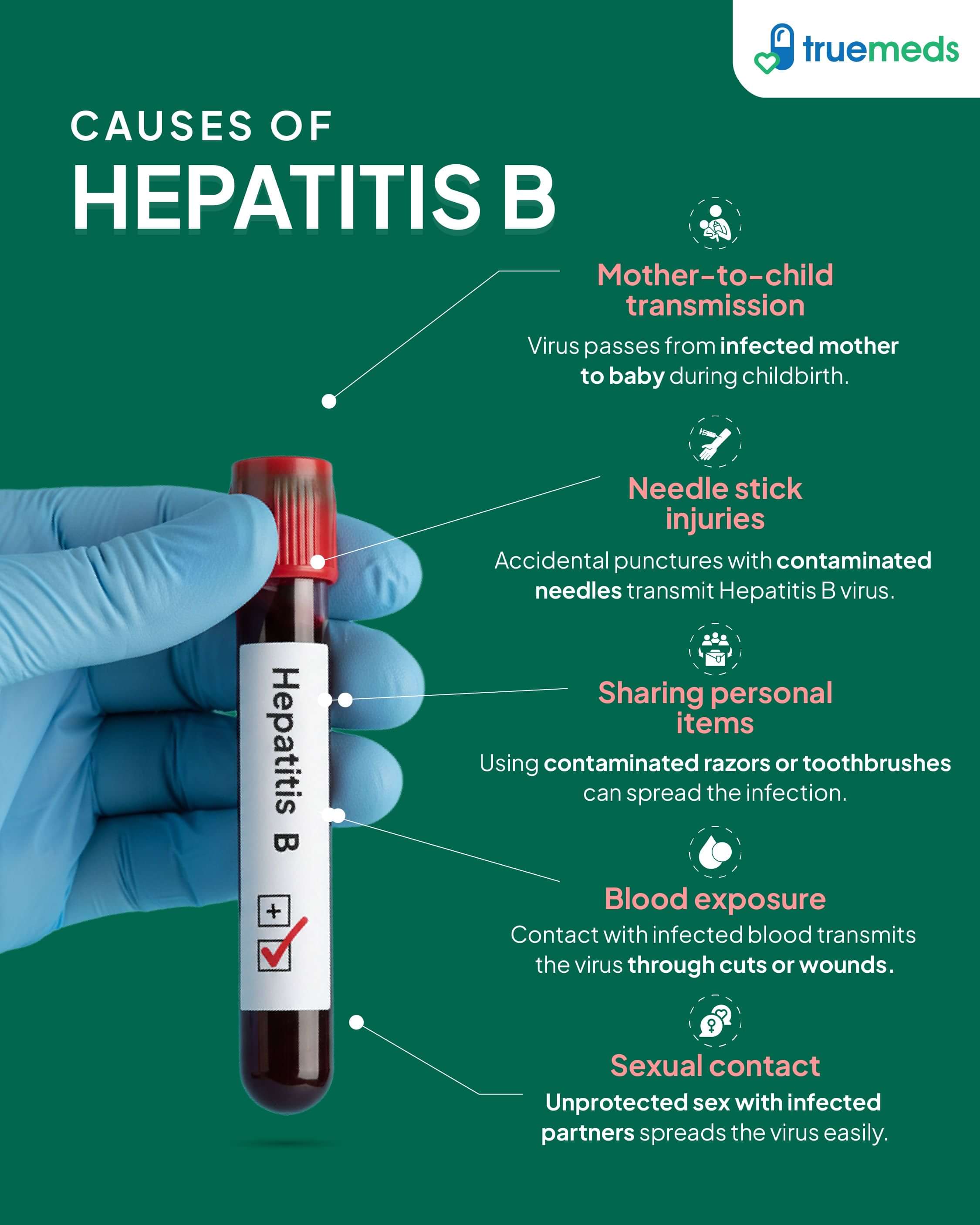
- Blood exposure: Hepatitis B can be transmitted through direct contact with contaminated blood, such as from sharing needles or receiving blood transfusions from unscreened sources.
- Sexual contact: The virus is also spread through unprotected sexual contact with an infected person, as it can be present in bodily fluids.
- Mother-to-child transmission: An infected mother can pass the virus to her baby during childbirth, making perinatal transmission a significant route of infection.
- Needle stick injuries: Healthcare workers and others who come into contact with contaminated needles or sharp instruments are at risk of acquiring hepatitis B through needle stick injuries.
- Sharing personal items: Items such as razors or toothbrushes that may have come into contact with infected blood can also pose a risk if shared.
Understanding these transmission routes helps in implementing preventive measures to reduce the risk of hepatitis B infection.
Risk Factors
The risk factors of hepatitis B include:
- Infants born to mothers with hepatitis B
- People who inject medicines or share needles and syringes
- Sex partners of individuals with hepatitis B, especially those not using latex or polyurethane condoms
- Men who have sex with men
- People living with someone who has hepatitis B and sharing personal items
- Healthcare and public safety workers exposed to blood on the job
- Haemodialysis patients
- Those with diabetes, hepatitis C, or HIV
- Travellers to areas where hepatitis B is common
Who all are at risk?
Certain populations are at a higher risk of contracting hepatitis B due to various factors, including:
- Newborns of mothers with hepatitis B infection
- Individuals who engage in unprotected sexual activity with multiple partners or with someone who has hepatitis B
- People who share needles, syringes, or other injection equipment
- Healthcare workers and public safety personnel who may be exposed to infected blood or bodily fluids
- Patients undergoing hemodialysis for kidney failure
- Individuals with chronic conditions such as diabetes, hepatitis C, or HIV
- Travellers to regions with high rates of hepatitis B, such as parts of Asia, Africa, and South America
Complications
Hepatitis B can lead to several serious complications if not managed properly. These include:
- Chronic liver disease
- Cirrhosis (scarring of the liver)
- Liver cancer
- Liver failure
- Fatigue and weakness
- Joint pain
Prevention of Hepatitis B
Preventing hepatitis B involves several key strategies to reduce the risk of infection. These include:
- Vaccination: The most effective method of preventing hepatitis B is through vaccination. The CDC and WHO recommend hepatitis B vaccination for all infants, children, and adults up to age 59, and for adults 60 and over with risk factors. Universal infant vaccination is a key strategy to eliminate hepatitis B CDC (2025). The hepatitis B vaccine is typically administered in a series of shots and provides long-lasting protection against the virus.
- Safe sex practices: Using latex or polyurethane condoms during sexual activity can help prevent the transmission of hepatitis B through sexual contact. Engaging in safe sex practices is particularly important for individuals who are not vaccinated or whose partners have hepatitis B.
- Avoiding shared needles: To prevent the transmission of hepatitis B through shared equipment, it is crucial to avoid sharing needles, syringes, and other injection equipment. Using clean, sterile equipment for each use can significantly reduce the risk of infection.
- Proper hygiene: Avoiding direct contact with the blood and open sores of infected individuals is essential in preventing the spread of hepatitis B. Maintaining proper hygiene practices, such as not sharing personal items like toothbrushes or razors, can help minimise the risk of transmission.
- Screening: Testing high-risk individuals and pregnant women for hepatitis B is an important preventive measure. Identifying infected individuals allows for appropriate management and prevents further transmission to others, particularly from mother to child during childbirth.
Diagnosis & Tests
Diagnosing hepatitis B involves a series of tests to confirm the presence of the virus and assess liver function. These include:
- Medical history: When diagnosing hepatitis B, doctors will assess an individual's symptoms and risk factors. This involves gathering information about potential exposure to the virus, such as through sexual contact or travel to high-risk areas.
- Physical exam: A physical examination may be conducted to identify any physical signs of hepatitis B infection, such as jaundice (yellowing of the skin and eyes), abdominal pain, or an enlarged liver.
- Blood tests: Blood tests are the primary means of diagnosing hepatitis B. These tests can detect the presence of viral hepatitis markers and evaluate liver function. Specific tests may include hepatitis B surface antigen (HBsAg), hepatitis B surface antibody (anti-HBs), and hepatitis B core antibody (anti-HBc) tests.
- Liver biopsy: In some cases, a liver biopsy may be necessary to assess the extent of liver damage caused by chronic hepatitis B infection. During a biopsy, a small sample of liver tissue is removed and examined under a microscope to evaluate inflammation, scarring, and other signs of liver injury.
Treatment & Management
The treatment for hepatitis B depends on the stage of the disease and the individual’s overall health. These include:
- Antiviral medications: These medicines help to reduce the amount of hepatitis B virus in the body and manage chronic infections.
- Interferon therapy: This treatment uses synthetic proteins to boost the immune system's ability to fight the virus and is sometimes used for chronic hepatitis B.
- Liver monitoring: Regular monitoring of liver function and viral load is essential to assess the effectiveness of treatment and to adjust treatment as needed.
- Lifestyle changes: Avoiding alcohol and maintaining a healthy lifestyle can help manage the condition and prevent further liver damage.
- Hepatitis B vaccines: Vaccination is a key preventive measure, effective in protecting against hepatitis B by stimulating the immune system to recognise and fight the virus. It is especially important for those at high risk of infection, and is often given as a series of shots.
Medication for Hepatitis B
For chronic hepatitis B, first-line treatment includes tenofovir disoproxil fumarate, tenofovir alafenamide, or entecavir, which effectively suppresses viral replication and reduces the risk of liver complications (EASL, 2025).
- Tenofovir disoproxil fumarate: Suppresses HBV replication by inhibiting viral reverse transcriptase, lowering viral load, and preventing liver damage.
- Tenofovir alafenamide: A newer formulation that effectively inhibits HBV replication at lower doses with reduced impact on kidneys and bones.
- Entecavir: Helps reduce viral replication and prevent progression to liver cirrhosis.
These medications are highly effective at reducing HBV DNA levels in the blood and slowing disease progression.
Other antivirals are also available but are less commonly used due to higher resistance rates, which include:
- Lamivudine: Inhibits HBV reverse transcriptase, though long-term use is limited by resistance development.
- Adefovir dipivoxil: Inhibits HBV DNA polymerase and reduces viral replication, but it is less preferred due to nephrotoxicity and resistance risk.
- Telbivudine: Blocks HBV DNA synthesis but is rarely used now due to the rapid development of resistance.
In some cases, pegylated interferon alfa-2a may be prescribed, especially for younger patients with active immune responses, though it is less commonly used due to side effects. It stimulates the immune system to fight HBV infection and can lead to sustained viral suppression in selected patients.
Regular monitoring of liver function, HBV DNA levels, and treatment response is essential during therapy to ensure effectiveness and guide any necessary adjustments.
When to See a Doctor?
If you suspect that you have been exposed to the hepatitis B virus or are experiencing symptoms that may indicate an infection, it is essential to consult a doctor as soon as possible. Common symptoms of hepatitis B include fever, fatigue, loss of appetite, nausea, vomiting, abdominal pain, dark urine, and yellowing of the skin and eyes (jaundice). Early diagnosis and prompt treatment can significantly impact the outcome of the infection and help prevent the development of serious complications, such as cirrhosis and liver cancer. Your doctor will be able to assess your condition, order the necessary tests, and provide you with the appropriate guidance and treatment plan.
Key Takeaways
- Hepatitis B is a viral infection that primarily affects the liver and can cause both acute and chronic disease.
- Vaccination against hepatitis B is highly recommended, starting at birth and continuing throughout life, as it provides very high protection and is a key strategy for global elimination of hepatitis B.
- Treatment for chronic hepatitis B focuses on managing the infection with antiviral medications, such as tenofovir or entecavir, to slow the progression of cirrhosis, reduce the risk of liver cancer, and improve long-term survival.
- Early diagnosis and prompt treatment are crucial in managing hepatitis B and preventing serious complications.
FAQs
Is Hepatitis B curable?
Unfortunately, there is no cure for hepatitis B. However, approved treatments can effectively control the virus, reduce liver damage, and promote liver healing.
Does Hepatitis B causes liver failure?
Yes, if left untreated or improperly managed, chronic hepatitis B can lead to serious complications such as liver failure, cirrhosis, and liver cancer.
When is Hepatitis B vaccine necessary?
The hepatitis B vaccine is recommended for newborns, high-risk groups (e.g., healthcare workers), pregnant women, and people from high-prevalence areas.
Why Hepatitis B vaccine is given 3 times?
The three-dose series over 6 months ensures full immunity against the hepatitis B virus.
How long can a person with Hepatitis live?
How does Hepatitis B start?
Hepatitis B spreads through contact with infected blood or bodily fluids, such as during birth, sexual contact, or sharing needles.
What does a positive Hepatitis B test mean?
What are the home remedies for a disease?
Can the disease be cured by Ayurveda?
What are the guidelines for screening for Hepatitis B?
References
- World Health Organisation. (2024). Guidelines for the prevention, diagnosis, care, and treatment of chronic hepatitis B infection. Retrieved from https://www.who.int/publications/i/item/9789240090903
- European Association for the Study of the Liver. (2025). EASL Clinical Practice Guidelines on the management of hepatitis B virus infection. Retrieved from https://www.hepb.org/assets/Uploads/EASL-guidelines-May-2025.pdf
- Centers for Disease Control and Prevention. (2025). Clinical testing and diagnosis for hepatitis B. Retrieved from https://www.cdc.gov/hepatitis-b/hcp/diagnosis-testing/index.html
- Watson, A. G., Mulay, A. S., & Gill, U. S. (2025). Chronic hepatitis B in 2025: Diagnosis, treatment and future directions. Clinical Medicine. Advance online publication. https://doi.org/10.1016/j.clinme.2025.100527
- Kennedy, P. T. (2025). Scientific and medical evidence informing the expansion of hepatitis B treatment. The Lancet Gastroenterology & Hepatology, 10(5), 345–356. https://doi.org/10.1016/s2468-1253(25)00053-6
Browse Other Conditions
Latest health articles

Top Health Essentials

























Disclaimer
Top-Selling Medicines:
...View more
Top-OTC medicines:
...View more
Company
About UsHealth ArticleHealth StoriesHealth LibraryDiseases & Health ConditionsAyurvedaUnderstanding Generic MedicinesAll MedicinesAll BrandsNeed HelpFAQSecuritySavings CalculatorAdvertise with UsSubscribe
Registered Office Address
Grievance Officer
Download Truemeds


Contact Us
Our customer representative team is available 7 days a week from 9 am - 9 pm.
v4.28.13

2026 - Truemeds | All rights reserved. Our content is for informational purposes only. See additional information.

Our Payment Partners




