

Disodium Hydrogen Citrate
Urinary AlkaliserUses of Disodium Hydrogen Citrate
Disodium Hydrogen Citrate is a urinary alkaliniser used to reduce the acidity of urine and relieve symptoms caused by excess acid in the urinary tract.
It is commonly used for:
• Urinary tract infections (UTIs): Reduces burning and stinging during urination by decreasing urine acidity; it does not treat the infection itself.
• Kidney stones (uric acid stones): Raises urine pH to help prevent the formation of certain kidney stones and may assist in dissolving existing uric acid stones.
• Uric acid crystalluria: Helps reduce the formation of uric acid crystals in urine by increasing their solubility.
• Painful urination (dysuria): Relieves discomfort, burning, and pain during urination by alkalising the urine.
• Metabolic acidosis: Used in selected cases to help correct abnormal acid levels in the body under medical supervision.
Side effects of Disodium Hydrogen Citrate
The side effects of Disodium Hydrogen Citrate are:
- Mood changes
- Tiredness
- Muscle weakness
- Shortness of breath
- Nausea
- Vomiting
How Disodium Hydrogen Citrate works
Disodium Hydrogen Citrate works as a urinary alkaliniser, reducing the acidity of urine by raising its pH level.
Once taken orally, it is absorbed into the bloodstream and converted into bicarbonate by the body's normal metabolic processes. Bicarbonate is naturally alkaline, and as it is excreted through the kidneys, it raises the pH of the urine, making it less acidic.
A less acidic urine environment helps dissolve uric acid crystals, reduces irritation of the bladder and urethra lining, and makes conditions less favourable for certain types of kidney stone formation.
The alkalising effect is temporary, so Disodium Hydrogen Citrate must be taken regularly as prescribed to maintain the desired urine pH.
Certified content
Written By

MBBS
Reviewed By

MBBS, DNB (OBGY)
Expert Advice
Dosage Forms Available for Disodium Hydrogen Citrate
- Disodium hydrogen citrate is available for use via the oral route (syrup).
Age And Dosage Restrictions for Disodium Hydrogen Citrate
- This medicine is meant for adults and children above 6 years of age.
Contraindications of Disodium Hydrogen Citrate
- Disodium hydrogen citrate is contraindicated in patients with severe renal impairment accompanied by oliguria (reduced urinary output), azotemia (a condition of high nitrogen and waste products in the blood), anuria (lack of urine production), untreated Addison’s disease, acute dehydration, heat cramps, or severe damage to the heart following a heart attack. Additionally, sodium salts are not recommended for patients following a sodium-restricted diet.
Medications To Avoid With Disodium Hydrogen Citrate
- It is not advised to administer aluminium antacids and citrate salts concurrently, particularly in patients with renal insufficiency. Anti-diabetic medicines like chlorpropamide, medicines used for the management of bipolar disorder like lithium, anti-cancer medicines like methotrexate, antibiotics like tetracyclines and methenamine, pain-relieving medicines like salicylates should be used with caution along with disodium hydrogen citrate.
Overdose and Missed Dose
- Taking more than the prescribed dose of Disodium Hydrogen Citrate may cause symptoms such as nausea, vomiting, diarrhoea, abdominal discomfort, fluid retention, swelling, and in severe cases, abnormal breathing patterns (hyperventilation) or seizures. These symptoms require prompt medical attention. If you suspect an overdose, contact your doctor immediately.
- If you miss a dose of Disodium Hydrogen Citrate, take it as soon as you remember. If it is nearly time for your next dose, skip the missed dose and continue with your regular schedule. Do not take two doses at once to make up for the missed one.
Management of Side Effects
- Most side effects are temporary and generally harmless and resolve when discontinuing this medicine. However, if you experience any severe side effects or worsening of any of the symptoms, please consult your doctor.
Use In Driving And Operating Machinery
- This medication will not affect your driving or ability to handle heavy machinery.
Use in Pregnancy and Lactation
- The use of this medication during pregnancy or while breastfeeding should be done only if recommended by the doctor.
Caution In Other Conditions
- When using disodium hydrogen citrate, caution should be exercised in patients with conditions involving sodium retention, such as oedema, congestive heart failure, hypertension, pulmonary or peripheral oedema, or toxaemia of pregnancy. Monitoring serum electrolytes, especially serum bicarbonate levels, is recommended for patients with renal disease. Patients with low urinary output or reduced glomerular filtration rates should be treated cautiously. Additionally, caution is advised when administering blood products containing citrate to patients with acute liver failure.
Special Dietary & Lifestyle Recommendation
- Staying hydrated by consuming ample fluids, which aid in eliminating surplus minerals, is recommended to promote kidney health.
- Restricting salt intake is advisable, as excessive salt can increase the chances of kidney stones. Additionally, maintaining an average weight through regular exercise is beneficial.
- Avoiding foods high in oxalates, like spinach, nuts, okra, dates, avocado, hot chocolate, cocoa, baked potatoes, French fries, and certain cereals, is also advised, as they may elevate the risk of oxalate stone formation.
Frequently asked questions
How much time does Disodium Hydrogen Citrate take to work?
This medicine's onset of action may require a few weeks for full efficacy to be realised.
What warnings and precautions should I take while taking Disodium Hydrogen Citrate?
Patients with low urinary output or reduced glomerular filtration rates should be treated cautiously. Additionally, caution is advised when administering blood products containing citrate to patients with acute liver failure.
Can I stop taking Disodium Hydrogen Citrate if I feel healthy?
Please refrain from discontinuing disodium hydrogen citrate without consulting your doctor first. Abruptly stopping the medication may result in the return of symptoms.
Is it safe for patients with kidney or liver issues?
Disodium hydrogen citrate is not recommended in patients with kidney issues, while caution is advised for those with liver issues.
Will Disodium Hydrogen Citrate affect fertility?
It is unlikely that it would impact fertility in men or women. For the most accurate information, it is advisable to consult your doctor.
Can I take Disodium Hydrogen Citrate with corticosteroids?
Consult your doctor before taking corticosteroids with Disodium Hydrogen Citrate, as the combination may increase blood sodium levels.
I am on a sodium-restricted diet; can I take Disodium Hydrogen Citrate?
If you are on a sodium-restricted diet, you should consult your doctor before taking Disodium Hydrogen Citrate. This medication contains sodium, which might not be suitable for your diet and could affect your health condition.
Can Disodium Hydrogen Citrate cause diarrhoea?
Yes, Disodium Hydrogen Citrate can cause diarrhoea as a side effect. If you experience severe or persistent diarrhoea, it is important to contact your healthcare provider for advice.
What is Disodium Hydrogen Citrate Syrup used for?
Disodium Hydrogen Citrate Syrup is used to treat gout and kidney stones by helping to reduce excess acid in the urine. It also helps manage urinary tract infections (UTIs), painful urination, and urinary acidosis by balancing acid levels in the urine. Additionally, it can be used to prevent the formation of new kidney stones and relieve discomfort caused by conditions like cystitis and bladder inflammation. By promoting a healthier urinary environment, it helps reduce urinary irritation and discomfort associated with acidic urine.
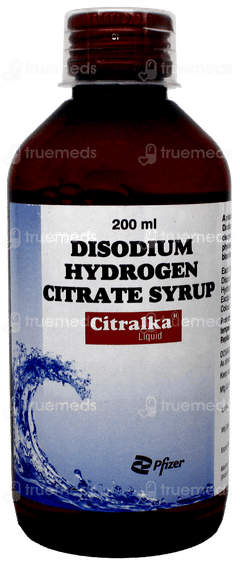
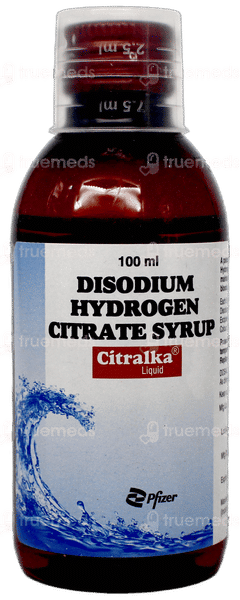
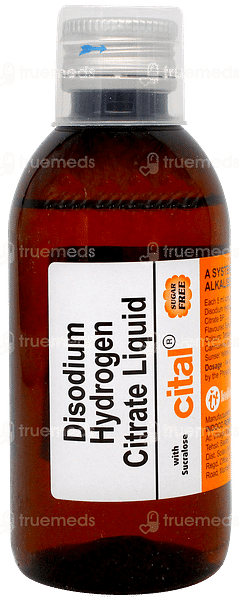
List of medicines for Disodium Hydrogen Citrate





Company
About UsHealth ArticleHealth StoriesHealth LibraryDiseases & Health ConditionsAyurvedaUnderstanding Generic MedicinesAll MedicinesAll BrandsNeed HelpFAQSecuritySavings CalculatorAdvertise with UsSubscribe
Registered Office Address
Grievance Officer
Download Truemeds


Contact Us
Our customer representative team is available 7 days a week from 9 am - 9 pm.
v4.28.20

2026 - Truemeds | All rights reserved. Our content is for informational purposes only. See additional information.

Our Payment Partners




