

- Medicines
- Personal Care
- Skin Cream
- Sunscreen
- Face Wash
- Skin and Body Soap
- Acne Care
- Body Lotions
- Moisturising Lotion
- Moisturising Cream
- Mosquito Repellent
- Moisturising Gel
- Body Wash
- Hair Oils
- Hair Shampoo
- Hair Conditioners
- Hair Supplements
- Hair Colour
- Hair Serum
- Hair Mask
- Hair Solutions
- Baby Diapers and Wipes
- Baby Lotion and Moisturising Cream
- Baby Bath Essentials
- Baby Skin Care
- Baby and Infant Food
- Baby Healthcare
- Women Multivitamins
- Ovulation Test Kit and Women Intimate Care
- Sanitary Pads
- Nutritional Drinks
- Condoms
- Lubricants
- Massage Gels
- Personal Body Massagers
- Men Performance Booster
- Sexual Health Supplements
- Massage Oils
- Ayurveda
- Tooth Paste
- Mouth Ulcer Gel
- Mouthwash
- Toothache and Gum Pain
- Tooth Brush
- Gargle Solution
- Orthopaedic Supports
- Adult Diapers
- Footwear
- Mobility and Support Accessories
- Urinary Support and Care
- Health Conditions
- Bone and Joint Care
- Digestive Care
- Eye Care
- Pain Relief
- Smoking Cessation
- Liver Care
- Stomach Care
- Cold and Cough
- Heart Care
- Kidney Care
- Piles, Fissures & Fistula
- Respiratory Care
- Mental Wellness
- Derma Care
- Pre and Probiotics
- Acidity
- Gas
- Constipation
- Loose Motion/Diarrhoea
- Digestive Fibres
- Digestive Enzymes
- Eye Lubricant Drops
- Lens Solution
- Safety Eye Wear
- Eye Cream
- Eye Vitamins and Supplements
- Eye Drops
- Eye Ointment and Gel
- Nicotine Patch
- Nicotine Gum
- Nicotine Lozenges
- Cough Syrups
- Chest Rubs and Balms
- Nasal Spray
- Lozenges
- Inhalant Capsules
- Cold and Cough Tablets
- Vitamins & Supplements
- Diabetes Care
- Healthcare Devices
- Homeopathic Medicine
- Health Guide
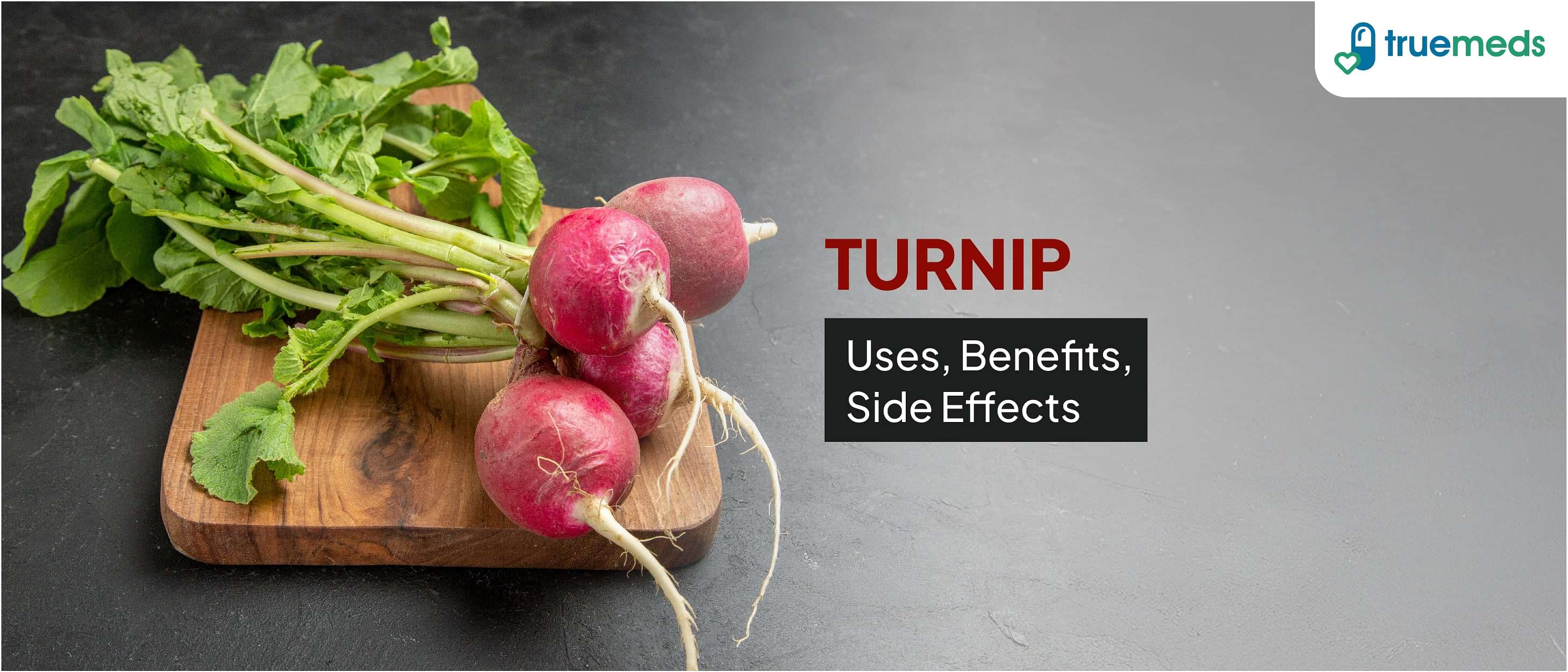
Turnip (Shalgam): Nutritional Value, Health Benefits & Side Effects
Last updated on : 08 Nov, 2025
Read time : 10 min
Turnips, locally known as shalgam in Hindi, are a root vegetable that often goes unnoticed in the Indian market. Belonging to the species Brassica rapa, turnips are part of the cruciferous vegetable family, which also includes broccoli, kale, and Brussels sprouts. Recognisable by their creamy white flesh and frequently purple-tinted tops, turnips have been cultivated for centuries and are widely used in diverse culinary traditions. In this article, we will explore the nutritional value and health attributes of turnips, along with their common uses and possible side effects.
Nutritional Value of Turnip (Shalgam)
Turnips are notable for being low in calories yet packed with essential nutrients. The nutritional data for a typical serving of raw turnips (about one cup or 130 grams) is as follows [1]:
| Nutrient | Amount |
| Calories | 36 |
| Carbohydrates | 8.36 grams |
| Fibre | 2.34 grams |
| Protein | 1.17 grams |
| Fat | 0.13 grams |
| Vitamin C | 27.3 mg (30% of the Daily Value) |
| Folate | 19.5 mcg (5% of the Daily Value) |
| Calcium | 39 mg (3% of the Daily Value) |
| Iron | 0.39 mg (2% of the Daily Value) |
Turnips are particularly rich in vitamin C, a powerful antioxidant that supports immune function, skin health, and iron absorption. They also offer modest amounts of folate, calcium, and dietary fibre, making them a smart addition to a balanced diet.
Key Health-Promoting Compounds of Turnip
The potential health benefits of turnips are primarily attributed to their high content of vitamins, minerals, and specific phytochemicals [2].
- Antioxidant Activity: Turnips are packed with antioxidants, such as vitamin C and flavonoids, which help protect the body from oxidative stress [3]. By neutralising free radicals, these antioxidants may help reduce the risk of cellular damage associated with chronic conditions.
- Glucosinolates and Anti-Inflammatory Potential: Turnips contain compounds like glucosinolates, which the body converts into biologically active molecules [4]. These compounds may help manage inflammation, which is a underlying factor in various health conditions.
- Source of Dietary Fibre: The insoluble fibre in turnips promotes healthy digestion and regular bowel movements, helping to prevent constipation and supporting overall gut health [2]. Fibre intake can also play a role in maintaining a healthy weight by promoting satiety.
Potential Health Attributes and Traditional Uses of Turnip
The versatile and nutritious nature of the turnip suggests several potential benefits as part of a balanced diet:
- Support for Liver Health: Turnips contain sulfur compounds and antioxidants that have shown protective potential in preliminary research. Studies suggest these compounds may help shield liver cells from damage, particularly in cases of oxidative stress [4]. Turnips may also support overall liver function and detoxification processes.
- Cardiovascular Health: Dietary fibre in turnips may benefit heart health by binding to cholesterol in the digestive tract, aiding its excretion and potentially reducing overall cholesterol levels, specifically LDL (bad) cholesterol, when consumed regularly as part of a high-fibre diet [5].
- Blood Sugar Management: The low glycemic index and high fibre content of turnips make them a suitable vegetable choice for individuals managing blood sugar levels. Fibre helps to stabilise blood sugar levels, and the antioxidants present may support insulin sensitivity, potentially contributing to better management of blood sugar [2].
- Anticancer Research: Turnips are rich in glucosinolates, natural compounds known for their potential chemopreventive properties [4]. Early research suggests that the breakdown products of glucosinolates may have an inhibitory effect on the proliferation of certain cancer cells, including those related to breast and colon cancer, though more human studies are needed [4], [6].
- Kidney Health: Turnips are a source of potassium, which plays an essential role in maintaining blood pressure and fluid balance in our bodies, which are key factors in overall kidney function. However, individuals with pre-existing kidney conditions must monitor potassium and oxalate intake closely and should always consult a nephrologist or registered dietitian for personalised advice [7].
- Antimicrobial and Pain-Relieving Traditional Uses: The antimicrobial properties of turnips have been explored in laboratory settings, where extracts have shown an ability to inhibit the growth of certain pathogens [2]. Historically, their anti-inflammatory components were used in folk medicine to help alleviate pain and swelling.
How to Use Turnips?
Turnips can be included in your diet in a variety of ways. Here are some popular methods of preparation:
- Raw: Grating or slicing raw turnips into your salads or coleslaw can add a refreshing crunch.
- Boiled or Mashed: Boiled turnips can be a healthy, lower-calorie alternative to mashed potatoes.
- Roasted: Roasting turnips with olive oil and herbs can bring out their natural sweetness, making them a delightful side dish.
- Soups and Stews: Adding diced turnips to soups and stews not only enhances the flavour but also increases the nutritional value of your meal.
- Pickled: Quick-pickled turnips can serve as a tangy side dish or condiment.
Quick Recipe: Shalgam ki Sabzi (Turnip Curry)
A warm, comforting dish made with humble turnips and aromatic spices.
Ingredients:
- 4–5 turnips (shalgam), peeled and diced
- 2 tbsp cooking oil
- 1 tsp cumin seeds
- 1 medium onion, finely chopped
- 1 tbsp ginger-garlic paste
- 2 tomatoes, chopped
- 1 tsp turmeric powder
- 1 tsp coriander powder
- ½ tsp cumin powder
- ½ tsp garam masala
- Salt to taste
- Fresh coriander leaves, chopped – for garnish
Instructions:
- Heat oil in a deep pan or kadhai over medium heat.
- Add cumin seeds and let them splutter.
- Stir in the chopped onion and sauté until golden brown.
- Add ginger-garlic paste and cook for 1–2 minutes until the raw smell fades.
- Mix in chopped tomatoes, turmeric, coriander powder, cumin powder, garam masala, and salt. Cook until tomatoes soften and the masala is well blended.
- Add the diced turnips, mix well, and cover with a lid.
- Cook on low heat for 20 minutes, stirring occasionally, until turnips are tender and cooked through.
- Garnish with fresh cilantro.
Serve with: Steamed rice, jeera rice, or chapati for a hearty and healthy meal.
Potential Side Effects and Precautions of Turnips
While turnips are a healthy addition to most diets, it is crucial to understand the potential side effects and necessary precautions, particularly for individuals with pre-existing conditions.
Side Effects
Turnips are generally safe when consumed in moderation, but excessive intake may cause discomfort [7]:
- Gastrointestinal Issues: Due to their high dietary fibre, a sudden or excessive intake of turnips can lead to temporary gastrointestinal issues, especially for those not accustomed to a high-fibre diet. These symptoms may include:
- Bloating
- Gas
- Diarrhea
- Tip: Start by introducing turnips in small portions and ensure adequate water intake to help your digestive system adjust.
- Oxalates: Turnips contain oxalates, natural compounds that, in high concentrations, may contribute to the formation of kidney stones in susceptible individuals [7].
Precautions
- Thyroid Function (Goitrogens): Turnips contain goitrogens, natural compounds that can interfere with the production of thyroid hormones in individuals who are susceptible [4]. Cooking turnips significantly reduces the goitrogenic compounds, making cooked turnips generally safe for those with thyroid issues [8]. However, if you have a pre-existing thyroid condition, it is advisable to consult your endocrinologist or a registered dietitian before including large amounts of raw turnips in your diet.
- Kidney Conditions: As turnips are a source of potassium and contain oxalates, individuals with kidney stones or impaired kidney function need to monitor their intake closely. Personalised dietary advice from a qualified healthcare professional is essential in this case [7].
- Allergies: Like all vegetables, some individuals may have allergies to turnips or related cruciferous vegetables. Symptoms can manifest as skin rashes or gastrointestinal distress. Consult a doctor if you suspect an allergy.
- Drug Interactions: There is insufficient clinical evidence regarding the interaction of turnips (or their extracts) with specific medications. Therefore, it is prudent to consult your doctor or pharmacist if you are taking any prescription medication, especially those for blood-thinning or thyroid function, before significantly changing your dietary intake of turnips.
Conclusion
Turnips are a valuable root vegetable, offering low calories and a rich profile of fibre, vitamins, and potentially beneficial phytochemicals. The benefits of turnip (shalgam) are noteworthy, supporting attributes like gut health, and potentially aiding in blood sugar and cholesterol management when part of a healthy lifestyle. However, like any food, moderation is key, and individuals with specific health concerns—particularly existing kidney or thyroid issues—should always consult a healthcare provider for personalised dietary guidance.
Expert Quote
“Turnips are a powerhouse of nutrition—low in calories yet rich in fibre, antioxidants, and essential vitamins. Their unique compounds support liver health, aid in digestion, and may even help regulate blood sugar levels. They’re an underrated root vegetable with big health benefits as part of a diverse and balanced diet.”
Dr. Kavya Rejikumar
Frequently Asked Questions (FAQ)
What are the side effects of turnips?
The main side effects of turnips are primarily related to overconsumption, which can lead to temporary gas or bloating due to their high fibre content. Due to their oxalate content, excessive intake might also be a concern for individuals prone to kidney stones.
What are the disadvantages of turnip?
While turnip benefits are numerous, overconsumption might cause digestive discomfort, such as bloating, flatulence, and potential oxalate-related issues in susceptible individuals.
Can a kidney patient eat turnips?
Kidney patients can generally eat turnips in moderation. However, as they contain potassium and oxalates, they must follow the specific dietary recommendations given by their nephrologist or a renal dietitian to manage mineral intake and kidney stone risk [7].
Is turnip good or bad for you?
Turnips are generally very good for you, offering a range of health benefits such as being rich in antioxidants and vitamins. However, moderation is key to avoiding potential side effects.
What are the benefits of shalgam?
Shalgam, or turnip, is a nutritious vegetable that provides benefits like improved digestion, aids in promoting satiety for potential weight management, and boosts immunity due to its high vitamin C content.
References
[1] U.S. Department of Agriculture. (2020). Turnips, raw. FoodData Central. https://fdc.nal.usda.gov/fdc-app.html#/food-details/169970/nutrients
[2] Cao, Q., Wang, G., & Peng, Y. (2021). A critical review on phytochemical profile and biological effects of turnip (Brassica rapa L.). Frontiers in Nutrition, 8, 721733. https://doi.org/10.3389/fnut.2021.721733
[3] Dejanovic, G. M., Asllanaj, E., Gamba, M., Raguindin, P. F., Itodo, O. A., Minder, B., Bussler, W., Metzger, B., Muka, T., Glisic, M., & Kern, H. (2021). Phytochemical characterization of turnip greens (Brassica rapa ssp. rapa): A systematic review. PLoS ONE, 16(2), e0247032. https://doi.org/10.1371/journal.pone.0247032
[4] Paul, S., Geng, C., Yang, T., Yang, Y., & Chen, J. (2018). Phytochemical and Health-Beneficial Progress of Turnip (Brassica rapa). Journal of Food Science, 84(1), 19–30. https://doi.org/10.1111/1750-3841.14417
[5] Sobh, A., & Shalan, M. (2022). Study Effect of Turnip Roots, Leaves and Their Mixture on Hypercholesterolemic Rats. Journal of Home Economics, 3(4), 27-41. https://mkas.journals.ekb.eg/article_271291_683f7f84912abb9138c8e7f7f4ee824c.pdf?lang=en
[6] Javed, A., Ahmad, S., Shafi, S., & Mahmood, F. (2019). Turnip (Brassica rapus L.): A natural health tonic. Brazilian Journal of Food Technology, 22. https://doi.org/10.1590/1981-6723.25318
[7] Cleveland Clinic. (2024). Kidney Stone Diet: How to Prevent Kidney Stones. https://my.clevelandclinic.org/health/treatments/22502-kidney-stone-diet
[8] National Institutes of Health. (2023). Iodine: Fact Sheet for Health Professionals. Office of Dietary Supplements. https://ods.od.nih.gov/factsheets/Iodine-HealthProfessional/














Disclaimer
Our healthcare experts have carefully reviewed and compiled the information presented here to ensure accuracy and trustworthiness. It is important to note that this information serves as a general overview of the topic and is for informational purposes only. It is not intended to diagnose, prevent, or cure any health problem. This page does not establish a doctor-patient relationship, nor does it replace the advice or consultation of a registered medical practitioner. We recommend seeking guidance from your registered medical practitioner for any questions or concerns regarding your medical condition.
Recent Articles








Company
About UsHealth ArticleHealth StoriesHealth LibraryDiseases & Health ConditionsAyurvedaUnderstanding Generic MedicinesAll MedicinesAll BrandsNeed HelpFAQSecuritySavings CalculatorSubscribe
Registered Office Address
Grievance Officer
Download Truemeds


Contact Us
Our customer representative team is available 7 days a week from 9 am - 9 pm.
v4.15.1

2026 - Truemeds | All rights reserved. Our content is for informational purposes only. See additional information.

Our Payment Partners