

- Medicines
- Personal Care
- Skin Cream
- Sunscreen
- Face Wash
- Skin and Body Soap
- Acne Care
- Body Lotions
- Moisturising Lotion
- Moisturising Cream
- Mosquito Repellent
- Moisturising Gel
- Body Wash
- Hair Oils
- Hair Shampoo
- Hair Conditioners
- Hair Supplements
- Hair Colour
- Hair Serum
- Hair Mask
- Hair Solutions
- Baby Diapers and Wipes
- Baby Lotion and Moisturising Cream
- Baby Bath Essentials
- Baby Skin Care
- Baby and Infant Food
- Baby Healthcare
- Women Multivitamins
- Ovulation Test Kit and Women Intimate Care
- Sanitary Pads
- Nutritional Drinks
- Condoms
- Lubricants
- Massage Gels
- Personal Body Massagers
- Men Performance Booster
- Sexual Health Supplements
- Massage Oils
- Ayurveda
- Tooth Paste
- Mouth Ulcer Gel
- Mouthwash
- Toothache and Gum Pain
- Tooth Brush
- Gargle Solution
- Orthopaedic Supports
- Adult Diapers
- Footwear
- Mobility and Support Accessories
- Urinary Support and Care
- Health Conditions
- Bone and Joint Care
- Digestive Care
- Eye Care
- Pain Relief
- Smoking Cessation
- Liver Care
- Stomach Care
- Cold and Cough
- Heart Care
- Kidney Care
- Piles, Fissures & Fistula
- Respiratory Care
- Mental Wellness
- Derma Care
- Pre and Probiotics
- Acidity
- Gas
- Constipation
- Loose Motion/Diarrhoea
- Digestive Fibres
- Digestive Enzymes
- Eye Lubricant Drops
- Lens Solution
- Safety Eye Wear
- Eye Cream
- Eye Vitamins and Supplements
- Eye Drops
- Eye Ointment and Gel
- Nicotine Patch
- Nicotine Gum
- Nicotine Lozenges
- Cough Syrups
- Chest Rubs and Balms
- Nasal Spray
- Lozenges
- Inhalant Capsules
- Cold and Cough Tablets
- Vitamins & Supplements
- Diabetes Care
- Healthcare Devices
- Homeopathic Medicine
- Health Guide
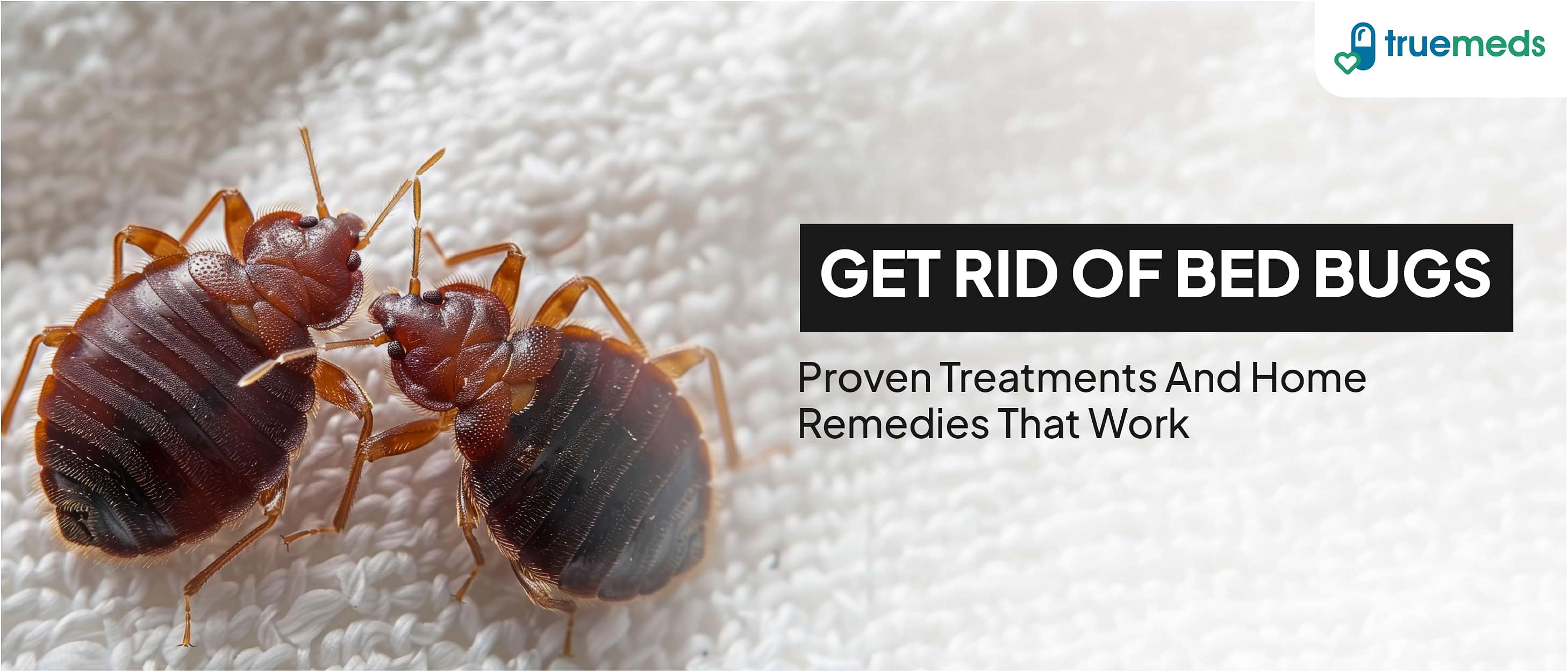
How to Get Rid of Bed Bugs: Effective Treatments and Home Remedies
Last updated on : 01 Dec, 2025
Read time : 9 min
How can you get rid of bed bugs effectively? Bed bugs are a growing concern in many households, causing itchy bites and sleepless nights. While the bites themselves are generally not dangerous, they can lead to allergic reactions or secondary skin infections from scratching [1]. Due to their resilience, bed bugs can be challenging to eliminate, but a combination of professional treatments and effective home remedies can help you successfully combat these unwelcome invaders. In this article, we’ll explore the most effective strategies for ridding your home of bed bugs and restoring your peace of mind.
To identify bed bugs and determine if you have an infestation, it’s essential to understand their appearance and behaviour.
How to Get Rid of Bed Bugs? Step-by-Step Guide
Eliminating bed bugs requires a systematic approach involving identification, containment, treatment, and prevention. Follow these steps to rid your home of these persistent pests effectively.
Step 1: Identify All Infested Areas
Thoroughly inspect your home to determine the extent of the bed bug infestation.
- Check mattresses, box springs, bed frames, and headboards for live bugs, eggs, and dark spots (faecal stains).
- Examine cracks and crevices in furniture, walls, and floors using a bright torch.
- Look behind picture frames, electrical outlets, and loose wallpaper for hiding spots.
- Make a list of all infested areas to ensure targeted treatment later on.
Step 2: Contain the Infestation
Limiting the movement of bed bugs is crucial to prevent their spread to other rooms or homes.
- Seal infested items in plastic bags or airtight containers until they can be treated.
- Use caulk or sealant to close cracks and crevices where bed bugs may hide.
- Avoid moving items from infested rooms to clean areas of your home.
- Wash infested bedding and clothing in hot water (at least 60 °C or 140 °F) and dry on high heat to kill bugs [2].
Step 3: Prepare for Bed Bug Treatment
Before beginning treatment, prepare your home thoroughly.
- Vacuum infested rooms meticulously, focusing on furniture seams, carpets, and crevices. After vacuuming, seal and dispose of the vacuum bag in an outdoor bin immediately.
- Declutter the room by removing books, toys, and items that could serve as hiding places.
- Move furniture away from the walls to make every corner accessible for treatment.
- Encasing mattresses and box springs in bed bug-proof covers is a critical preparation step to trap existing bugs and eggs.
Step 4: Treatment to Eliminate Bed Bugs
Several effective treatment options are available, including heat, steam, and chemical methods.
- Heat is highly effective: Bed bugs die almost instantly at 60 °C (140 °F) [3]. Wash infested items in hot water and dry on high heat for at least 30 minutes.
- Use a steam cleaner to penetrate deep into cracks, crevices, and fabric.
- Apply a light dusting of diatomaceous earth, a desiccant powder that damages bed bugs’ exoskeletons, in cracks and wall voids. This is a slow-acting remedy and not a quick fix.
- Consider using EPA-approved pesticides as a last resort, only after consulting a professional, and following label instructions carefully. Misuse of pesticides can be ineffective and harmful to humans and pets [4].
Step 5: Monitor and Prevent Reinfestation
After treatment, remain vigilant to ensure bed bugs don’t return.
- Inspect treated areas weekly for signs of new activity, such as live bugs or eggs.
- Continue sealing potential entry points, such as cracks and crevices, to prevent new infestations.
- Place interceptor traps under furniture legs to catch any remaining or newly introduced bugs.
- Consider using bed bug-proof encasements on mattresses and box springs long-term.
Step 6: Seek Professional Help
In many cases, DIY methods may not be sufficient to eliminate a bed bug infestation completely.
- If you continue to find live bugs or eggs after several treatments, consider hiring a professional.
- Research pest control companies with proven experience and positive reviews in treating bed bugs effectively.
- Follow any preparation instructions provided by the company before their treatment visit.
- Discuss ongoing prevention methods with the pest control professional for long-term success.
Step 7: Keep Bed Bugs Out
Preventing bed bugs from entering your home is easier than eliminating an infestation.
- Regularly inspect your home for signs of bed bugs, especially after travelling.
- Carefully examine secondhand furniture or clothing before bringing it into your home.
- Use protective covers on mattresses and box springs to reduce hiding spots.
- Educate family members and guests on how to identify and prevent the spread of bed bugs.
- Maintain a clean and clutter-free environment to minimise bed bug hiding spots.
Did You Know? Bed bugs can survive for months without feeding, making them incredibly difficult to eliminate. They can enter a hibernation-like state, and some species may survive for up to 400 days without a blood meal in cool conditions [3]. They also develop resistance to common pesticides, hide in the tiniest cracks, and sense carbon dioxide to find their next host—making them one of the toughest household pests to eradicate!
Preventing Future Bed Bug Infestations
Preventing future bed bug infestations is essential to maintaining a pest-free home. Regular inspections, maintaining cleanliness, and taking protective measures while travelling can significantly reduce the chances of bed bugs returning.
1. Regular Inspections
Regularly inspecting your home is crucial for the early detection and prevention of bed bug infestations.
- Thoroughly examine mattresses, box springs, bed frames, and headboards for signs of bed bugs, such as tiny blood spots or shed skins.
- Check cracks and crevices in furniture, walls, and floors, as these are common hiding places for bed bugs.
2. Maintain Cleanliness
Keeping your home clean and tidy is an effective way to reduce potential hiding spots for bed bugs.
- Vacuum carpets, rugs, and upholstered furniture frequently, paying extra attention to seams and crevices.
- Wash bedding, curtains, and clothing in hot water (at least 60 °C or 140 °F) and dry them on high heat to kill any bed bugs or eggs.
3. Protective Measures for Travel
Implementing protective measures while travelling can help prevent the introduction of bed bugs into your home.
- Thoroughly inspect hotel rooms for signs of bed bugs before settling in, focusing on the bed, headboard, and furniture.
- Keep your luggage off the floor and bed, using luggage racks or placing it in the bathroom.
- Consider using protective covers for your luggage and sealing your belongings in plastic bags to prevent bed bugs from hitching a ride home.
Conclusion
Eliminating bed bugs requires a multi-faceted approach that combines effective treatments, such as professional heat treatments, with diligent prevention measures. While home remedies can help in containment, professional intervention is often necessary for complete eradication due to the bugs’ resilience [5]. By conducting regular inspections, maintaining a clean home environment, and taking protective measures while travelling, you can significantly reduce the likelihood of future bed bug infestations. Staying informed, vigilant, and proactive is key to keeping your home bed bug-free and ensuring a peaceful, restful living space.
Frequently Asked Questions (FAQs)
How can I get rid of bed bugs quickly?
Heat treatments applied by licensed pest control professionals can effectively eliminate bed bugs by raising room temperatures high enough to kill them rapidly [3].
What kills bed bugs permanently?
Professional heat treatments and thorough insecticide applications by certified technicians are the most effective methods to eradicate bed bugs permanently.
Is there a scent that kills bed bugs instantly?
There is no specific scent known to kill bed bugs instantly; heat treatments and approved insecticides are the most reliable elimination methods. Essential oils like tea tree or lavender may have some repellent effect, but they are not proven to eliminate an infestation [6].
What are bed bugs’ weaknesses?
Bed bugs are vulnerable to high temperatures (above 60 °C or 140 °F) and cannot survive extended exposure to freezing conditions.
What smells do bed bugs hate?
There is no scientifically-backed evidence that specific odours effectively repel bed bugs or prevent infestations.
What is the primary cause of bed bugs?
Bed bugs often spread through human travel and second-hand furniture, making these the main causes of infestations. They do not indicate a lack of cleanliness, but a cluttered environment can provide more hiding spots [5].
Do bed bugs bite every night?
Bed bugs typically feed every few days, not necessarily every night, as they require intermittent blood meals.
Will bed bugs go away on their own?
Bed bug infestations rarely resolve without targeted interventions and professional treatments.
Is there an automatic way to kill bed bugs?
There is no automated system to eliminate bed bugs; effective treatments require manual application and monitoring by trained professionals.
Disclaimer: The information provided in this article is for informational purposes only. Bed bug infestations can pose health risks, particularly from bites that may cause allergic reactions or secondary skin infections. This content is not a substitute for professional pest control advice, diagnosis, or treatment. Always consult with a qualified, licensed pest control professional for persistent or severe infestations. If you experience severe allergic reactions, excessive itching, or signs of infection from bed bug bites, seek immediate medical attention.
References
[1] Akhoundi, M., Zumelzu, C., Sereno, D., Marteau, A., Brun, S., Jan, J., & Izri, A. (2023). Bed Bugs (Hemiptera, Cimicidae): A Global Challenge for Public Health and Control Management. Diagnostics, 13(13), 2281.
https://doi.org/10.3390/diagnostics13132281
[2] Miller, D., & Polanco, A. (n.d.). Bed Bug Biology and Behavior. Virginia Department of Agriculture and Consumer Services.
https://www.vdacs.virginia.gov/pdf/bb-biology1.pdf
[3] Doggett, S. L., & Lee, C. (2023). Historical and Contemporary Control Options Against Bed Bugs, Cimex spp. Annual Review of Entomology, 68(1), 169–190.
https://doi.org/10.1146/annurev-ento-120220-015019
[4] Goddard, J., & de Shazo, R. (2009). Bed bugs (Cimex lectularius) and clinical consequences of their bites. Journal of the American Medical Association, 301(13), 1358–1366.
https://doi.org/10.1001/jama.2009.464
[5] Wang, C., Kells, S., & Briesch, G. (2010). Bed Bugs: Biology and Management (Publication No. 3550). University of Minnesota Extension.
https://www.ag.ndsu.edu/pesticide/files/Bed%20Bugs-Biology%20and%20Management.pdf
[6] Chang, S. T., & Miller, J. R. (2014). Essential oil–based products for bed bug control: Fact or fiction? American Entomologist, 60(2), 99–105.
https://doi.org/10.1093/ae/60.2.99















Disclaimer
Our healthcare experts have carefully reviewed and compiled the information presented here to ensure accuracy and trustworthiness. It is important to note that this information serves as a general overview of the topic and is for informational purposes only. It is not intended to diagnose, prevent, or cure any health problem. This page does not establish a doctor-patient relationship, nor does it replace the advice or consultation of a registered medical practitioner. We recommend seeking guidance from your registered medical practitioner for any questions or concerns regarding your medical condition.
Popular Articles


Recommended Articles

Recent Articles









Company
About UsHealth ArticleHealth StoriesDiseases & Health ConditionsAyurvedaAll MedicinesAll BrandsNeed HelpFAQSecuritySubscribe
Registered Office Address
Grievance Officer
Download Truemeds


Contact Us
Our customer representative team is available 7 days a week from 9 am - 9 pm.
v4.8.0

2025 - Truemeds | All rights reserved. Our content is for informational purposes only. See additional information.

Our Payment Partners




