

- Medicines
- Personal Care
- Skin Cream
- Sunscreen
- Face Wash
- Skin and Body Soap
- Acne Care
- Body Lotions
- Moisturising Lotion
- Moisturising Cream
- Mosquito Repellent
- Moisturising Gel
- Body Wash
- Hair Oils
- Hair Shampoo
- Hair Conditioners
- Hair Supplements
- Hair Colour
- Hair Serum
- Hair Mask
- Hair Solutions
- Baby Diapers and Wipes
- Baby Lotion and Moisturising Cream
- Baby Bath Essentials
- Baby Skin Care
- Baby and Infant Food
- Baby Healthcare
- Women Multivitamins
- Ovulation Test Kit and Women Intimate Care
- Sanitary Pads
- Nutritional Drinks
- Condoms
- Lubricants
- Massage Gels
- Personal Body Massagers
- Men Performance Booster
- Sexual Health Supplements
- Massage Oils
- Ayurveda
- Tooth Paste
- Mouth Ulcer Gel
- Mouthwash
- Toothache and Gum Pain
- Tooth Brush
- Gargle Solution
- Orthopaedic Supports
- Adult Diapers
- Footwear
- Mobility and Support Accessories
- Urinary Support and Care
- Health Conditions
- Bone and Joint Care
- Digestive Care
- Eye Care
- Pain Relief
- Smoking Cessation
- Liver Care
- Stomach Care
- Cold and Cough
- Heart Care
- Kidney Care
- Piles, Fissures & Fistula
- Respiratory Care
- Mental Wellness
- Derma Care
- Pre and Probiotics
- Acidity
- Gas
- Constipation
- Loose Motion/Diarrhoea
- Digestive Fibres
- Digestive Enzymes
- Eye Lubricant Drops
- Lens Solution
- Safety Eye Wear
- Eye Cream
- Eye Vitamins and Supplements
- Eye Drops
- Eye Ointment and Gel
- Nicotine Patch
- Nicotine Gum
- Nicotine Lozenges
- Cough Syrups
- Chest Rubs and Balms
- Nasal Spray
- Lozenges
- Inhalant Capsules
- Cold and Cough Tablets
- Vitamins & Supplements
- Diabetes Care
- Healthcare Devices
- Homeopathic Medicine
- Health Guide
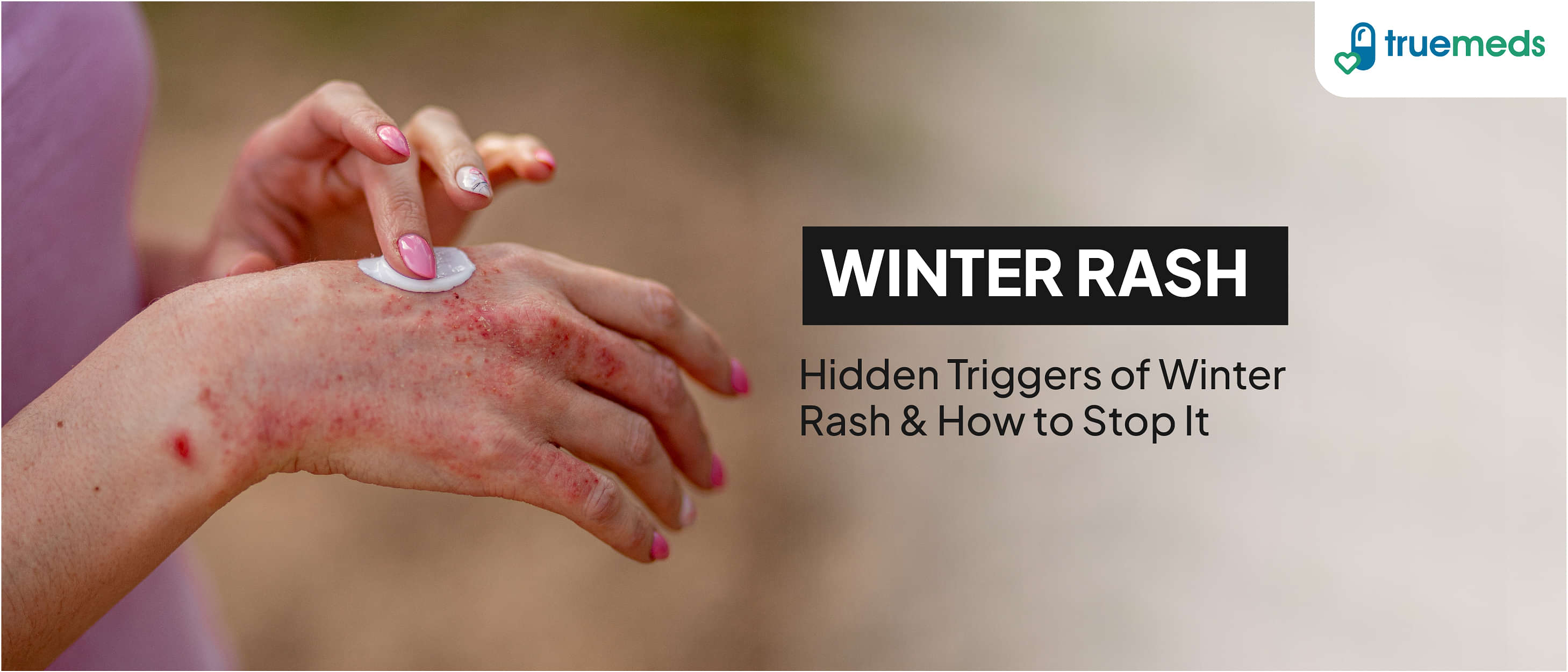
Winter Rash: Causes, Symptoms, and Home Remedies
Last updated on : 08 Nov, 2025
Read time : 10 min
Winter rash, a common skin affliction during the colder months, can lead to itchy, red, and uncomfortable skin. As temperatures drop and humidity levels plummet, your skin’s natural moisture barrier is disrupted, causing this annoying and sometimes painful condition. In this comprehensive guide, we’ll explore what winter rash is, its causes, symptoms, and effective home remedies to help you manage and prevent this seasonal skin issue.
What is a Winter Rash?
Winter rash, sometimes called dry skin or winter dermatitis, is a skin condition that tends to worsen during the cold and dry winter months due to environmental factors [1]. It is characterised by symptoms such as:
- Redness
- Itching
- Flaking
- Rough patches on the skin
This condition is often mistaken for eczema but is primarily caused by the loss of skin moisture due to cold and dry environmental conditions [2]. Understanding the causes of winter rash can help you take preventive measures and manage the symptoms effectively. The cold season can significantly affect the facial and exposed skin more severely than covered areas [3].
Causes of Winter Rash
The primary cause of winter rash is the disruption of the skin’s natural barrier [2]. Cold weather, low humidity, and the use of central heating are major contributors because they strip the skin of its natural oils. Other contributing factors include:
- Over-washing with harsh soaps or using overly hot water
- Irritation from certain chemicals or fabrics
- Stress and fatigue which can weaken the skin’s barrier function
- Existing inflammatory skin conditions like psoriasis and eczema, which are often exacerbated by dry conditions
- Allergic reactions, such as contact dermatitis, to items like latex or detergents
Identifying the specific triggers for your winter rash can help you develop a targeted treatment plan and prevent future flare-ups.
Common Types of Winter Skin Rashes
Winter can be a challenging time for your skin, as the cold, dry air and low humidity can exacerbate various skin conditions [4]. Some of the most common types of skin rashes that flare up in winter include:
- Eczema (Atopic Dermatitis): A chronic condition that causes severely dry, itchy, and flaky skin, often worsened by cold air and low humidity.
- Cold Urticaria: A rare allergic reaction to cold temperatures, characterised by hives and red welts that appear after exposure to cold air.
- Rosacea: A chronic facial skin condition that may result in red flushing, visible blood vessels, and small pus-filled bumps, often triggered by extreme temperatures.
- Psoriasis: An immune-mediated disease that presents as thick, itchy, scaly patches of skin, which can become more severe with a lack of sun exposure and dry air.
- Contact Dermatitis: An inflammatory reaction caused by direct contact with an irritant (like harsh soaps) or an allergen (like certain metals).
Recognising which type of rash you may have is crucial for getting the proper medical guidance and treatment.
Symptoms of Winter Rash
The following are the typical symptoms of a winter rash:
- Redness: Visible red, inflamed patches on the skin.
- Itchiness: An intense and persistent itching sensation (pruritus).
- Flaking Skin: Dry, scaly, and flaky skin that may feel rough or crack.
- Swelling and Inflammation: Inflamed areas that may be tender or warm to the touch.
- Sensitivity: Skin may be more sensitive to touch, fabrics, or skincare products.
- Bumps and Blisters: Small bumps or blisters, especially if the rash is a form of eczema, contact dermatitis, or if the skin develops a secondary infection due to scratching.
Risk Factors for Winter Rash
Certain factors can increase your likelihood of developing a winter rash, making it essential to be aware of the following risk factors and take appropriate preventive measures:
- Existing Skin Conditions: A history of eczema, psoriasis, rosacea, or other types of dermatitis.
- Sensitive Skin: Individuals who naturally have sensitive or reactive skin are more prone.
- Age: Older individuals may have fewer active oil glands and reduced moisture retention, increasing susceptibility.
- Overuse of Harsh Products: Sensitivity to antibacterial soaps, deodorising soaps, detergents, or other chemicals that strip the skin’s barrier.
- High-Stress Levels: Stress and fatigue can weaken the skin’s barrier and trigger or worsen inflammatory symptoms.
Winter Rash Management and Home Care
Effective management focuses on restoring and maintaining a strong skin barrier [2]. Here are the key steps for managing a winter rash:
- Moisturise Frequently: Apply rich emollients, ointments, or thick creams immediately after bathing or showering while the skin is still damp to lock in moisture and maintain the skin’s natural barrier.
- Avoid Irritants: Steer clear of harsh chemicals, soaps, fragrances, and other irritants that can worsen the rash.
- Use Humidifiers: Employ a humidifier in your home to counteract the drying effects of central heating and cold, dry air [4].
- Professional Consultation: If the rash is severe, does not respond to home treatments within a week, or becomes painful, consult a doctor. They may prescribe topical steroid creams to reduce severe inflammation or oral antihistamines to help alleviate intense itching.
Home Remedies for Winter Rash
In addition to consistent skin management, several natural remedies can help soothe and manage winter rash symptoms:
Moisturise with Rich Products
Regularly moisturising your skin helps manage and prevent winter rash by keeping it hydrated and reducing dryness [2]. Apply a generous layer of rich, fragrance-free cream or ointment to damp skin after bathing to seal in moisture and repair the skin’s barrier function.
Use Natural Oils
Nourish your skin and retain moisture by using pure natural oils such as cold-pressed coconut oil, almond oil, or jojoba oil. These oils, particularly coconut oil, contain fatty acids that are beneficial for skin barrier repair and hydration [5]. Apply these oils generously throughout the day. Important note: While beneficial for many, individuals with severe eczema or certain allergies should test oils on a small patch of skin first.
Take Shorter, Lukewarm Showers
Limit showers or baths to 5-10 minutes and use lukewarm (not hot) water. Hot water strips the skin of its protective natural oils much faster than lukewarm water.
Avoid Harsh Cleansers
Choose non-foaming, soap-free, and gentle body cleansers designed for sensitive or dry skin. Steer clear of products containing harsh chemicals, fragrances, or dyes, as they can further disrupt the skin barrier [4].
Turn Down the Heat and Humidify
Central heating systems drastically reduce indoor humidity, making your skin drier. Turning down the heat or using it less frequently can help. Always use a humidifier in your bedroom or common areas to maintain indoor air moisture.
Prevention Tips for Winter Rash
By following these preventive measures, you can significantly reduce your risk of developing a winter rash and maintain skin health throughout the cold season:
- Daily Moisturisation: Apply a rich moisturiser at least twice a day, especially after bathing.
- Gentle Cleansing: Use gentle, non-foaming soaps and avoid very hot water during baths.
- Control Indoor Environment: Maintain a humidity level of about 40–60% indoors using a humidifier to keep the air moist.
- Dress Appropriately: Choose clothing made from natural, breathable fibres like cotton to reduce skin irritation. Wear gloves, scarves, and hats when outdoors to protect exposed skin from cold and wind.
- Sun Protection: Apply sunscreen with at least SPF 30, even on cloudy days, as winter sun exposure and windburn can damage the skin barrier and worsen dryness.
- Hydration and Diet: Drink plenty of water and maintain a diet rich in essential fatty acids (like Omega-3s), which support skin barrier health.
Conclusion
Winter rash is a common but manageable issue during the cold and dry winter months. The key to effective management is diligently protecting and restoring the skin’s moisture barrier. This involves using thick, fragrance-free moisturisers, avoiding harsh irritants, and controlling the dryness of your indoor environment with a humidifier. If your symptoms are severe, persist, or worsen despite home care, it is important to consult a qualified healthcare professional for a precise diagnosis and treatment plan. With proper care and prevention, you can keep your skin comfortable and healthy throughout the winter season.
Disclaimer: This article is for informational purposes only and should not be considered a substitute for professional medical advice, diagnosis, or treatment. Always seek the advice of a qualified healthcare professional, such as a dermatologist, before starting or changing any skin care treatment.
Frequently Asked Questions (FAQs)
What does a winter rash look like?
A winter rash typically appears as patches of red, dry, flaky, and intensely itchy skin. It may include swelling and rough texture, commonly affecting the hands, feet, lower legs (shins), and arms.
How to treat a cold rash?
Treat a cold rash (which may be simple dry skin or a specific condition like cold urticaria) by moisturising regularly with an ointment, using a humidifier, avoiding extreme cold exposure, and using non-irritating, gentle cleansers. For severe itching or inflammation, a doctor may recommend over-the-counter topical steroid creams or oral antihistamines.
What is the best moisturiser for winter rash?
The best moisturiser for winter rash is a thick, fragrance-free cream or ointment (like petrolatum-based products), applied generously to the skin while it is still damp to effectively seal in water.
What oil is best for winter rash?
Natural oils like cold-pressed coconut oil, almond oil, or jojoba oil are generally recommended for their emollient properties, which help to moisturise and soothe the skin affected by winter rash [5].
What is the difference between winter rash and eczema?
Winter rash is a broad term primarily caused by dry, cold air and low humidity leading to dry skin. Eczema (atopic dermatitis) is a chronic inflammatory condition with genetic and immune components that is often triggered or worsened by the dry conditions of winter.
References
[1] Philpott, L. (2024). Conquering the chill: solutions for winter skin. Australian Journal of Pharmacy, 105(1240). https://ajp.com.au/in-depth/longer-read/conquering-the-chill-solutions-for-winter-skin/
[2] Ellenberger, J. (2021). Maintaining a strong skin barrier function in winter. Pharmacy Magazine, 2021(7), 7-7. https://journals.co.za/doi/full/10.10520/ejc-nm_front1_v2021_n7_a3
[3] The Winter Season Affects More Severely the Facial Skin than the Forearm Skin: Comparative Biophysical Studies Conducted in the Same Japanese Females in Later Summer and Winter. (N.d.). Karger.Com. https://karger.com/exd/article-abstract/1/1/32/133809/The-Winter-Season-Affects-More-Severely-the-Facial?redirectedFrom=fulltext
[4] Ande, S. N., & Bakal, R. L. (2022). Potential herbal essential oils: Are they super natural skin protector? Innovations in Pharmaceuticals and Pharmacotherapy, 10(2), 19-24. http://innpharmacotherapy.com/VolumeArticles/FullTextPDF/10235_04_IPP_10-AJ-2022-19.pdf
[5] (Original Ref 5 updated to the best available source from search) Varma, S. R., Slemmon, T., & Sivaprakasam, A. (2018). In vitro anti-inflammatory and skin protective properties of Virgin coconut oil. Journal of Clinical and Diagnostic Research, 12(1), 1-6. https://pmc.ncbi.nlm.nih.gov/articles/PMC6335493/















Disclaimer
Our healthcare experts have carefully reviewed and compiled the information presented here to ensure accuracy and trustworthiness. It is important to note that this information serves as a general overview of the topic and is for informational purposes only. It is not intended to diagnose, prevent, or cure any health problem. This page does not establish a doctor-patient relationship, nor does it replace the advice or consultation of a registered medical practitioner. We recommend seeking guidance from your registered medical practitioner for any questions or concerns regarding your medical condition.
Popular Articles


Recommended Articles


Recent Articles










Company
About UsHealth ArticleHealth StoriesHealth LibraryDiseases & Health ConditionsAyurvedaAll MedicinesAll BrandsNeed HelpFAQSecuritySubscribe
Registered Office Address
Grievance Officer
Download Truemeds


Contact Us
Our customer representative team is available 7 days a week from 9 am - 9 pm.
v4.9.0

2025 - Truemeds | All rights reserved. Our content is for informational purposes only. See additional information.

Our Payment Partners