

- Medicines
- Personal Care
- Skin Cream
- Sunscreen
- Face Wash
- Skin and Body Soap
- Acne Care
- Body Lotions
- Moisturising Lotion
- Moisturising Cream
- Mosquito Repellent
- Moisturising Gel
- Body Wash
- Hair Oils
- Hair Shampoo
- Hair Conditioners
- Hair Supplements
- Hair Colour
- Hair Serum
- Hair Mask
- Hair Solutions
- Baby Diapers and Wipes
- Baby Lotion and Moisturising Cream
- Baby Bath Essentials
- Baby Skin Care
- Baby and Infant Food
- Baby Healthcare
- Women Multivitamins
- Ovulation Test Kit and Women Intimate Care
- Sanitary Pads
- Nutritional Drinks
- Condoms
- Lubricants
- Massage Gels
- Personal Body Massagers
- Men Performance Booster
- Sexual Health Supplements
- Massage Oils
- Ayurveda
- Tooth Paste
- Mouth Ulcer Gel
- Mouthwash
- Toothache and Gum Pain
- Tooth Brush
- Gargle Solution
- Orthopaedic Supports
- Adult Diapers
- Footwear
- Mobility and Support Accessories
- Urinary Support and Care
- Health Conditions
- Bone and Joint Care
- Digestive Care
- Eye Care
- Pain Relief
- Smoking Cessation
- Liver Care
- Stomach Care
- Cold and Cough
- Heart Care
- Kidney Care
- Piles, Fissures & Fistula
- Respiratory Care
- Mental Wellness
- Derma Care
- Pre and Probiotics
- Acidity
- Gas
- Constipation
- Loose Motion/Diarrhoea
- Digestive Fibres
- Digestive Enzymes
- Eye Lubricant Drops
- Lens Solution
- Safety Eye Wear
- Eye Cream
- Eye Vitamins and Supplements
- Eye Drops
- Eye Ointment and Gel
- Nicotine Patch
- Nicotine Gum
- Nicotine Lozenges
- Cough Syrups
- Chest Rubs and Balms
- Nasal Spray
- Lozenges
- Inhalant Capsules
- Cold and Cough Tablets
- Vitamins & Supplements
- Diabetes Care
- Healthcare Devices
- Homeopathic Medicine
- Health Guide
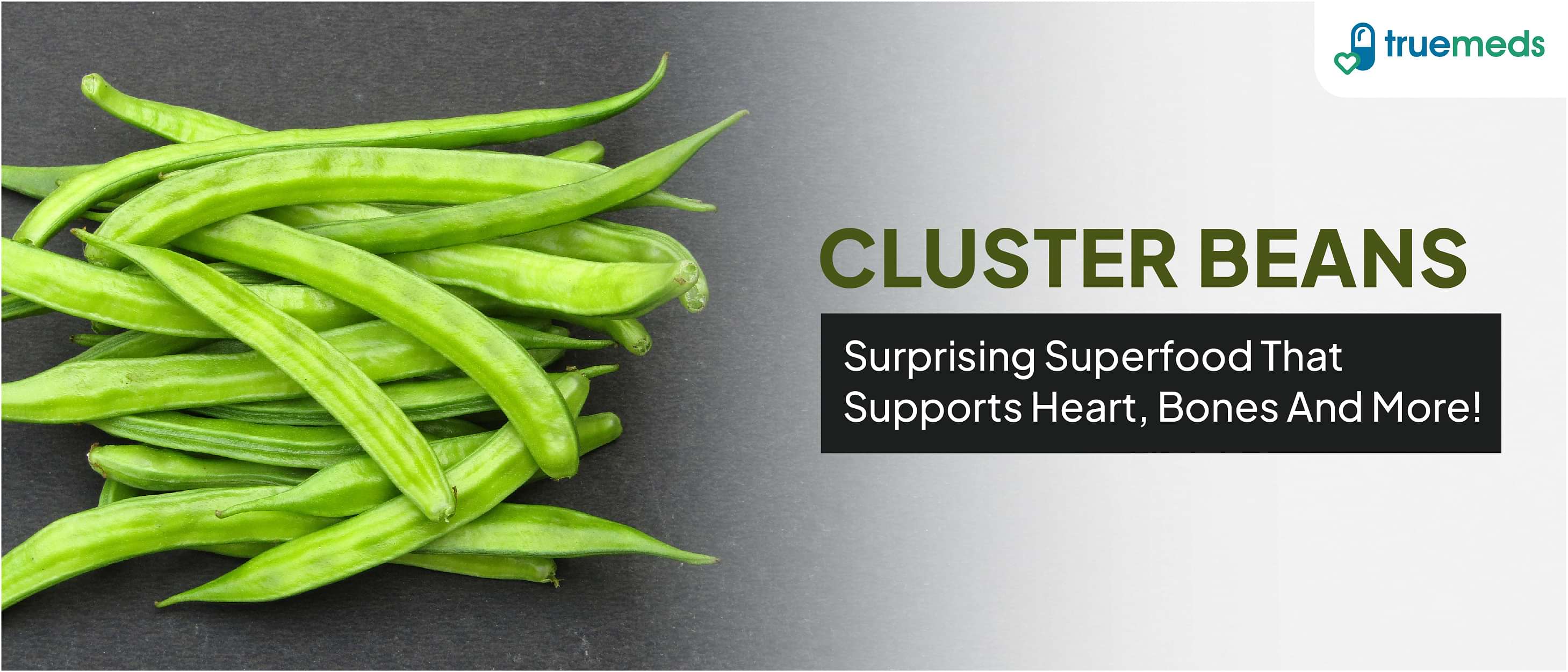
Cluster Beans (Guar Phalli): Nutrition, Benefits, and Side Effects
Last updated on : 09 Nov, 2025
Read time : 9 min
Cluster beans, also called guar phalli (Cyamopsis tetragonoloba), are a fibrous, nutrient-rich legume commonly used in Indian and Southeast Asian cuisine. They are packed with dietary fibre, folate, and antioxidants, which may support healthy digestion, assist with blood sugar management, and contribute to overall wellness [1].
In this article, we explore their nutritional composition, potential health benefits, popular culinary uses, and important precautions for consumption.
Cluster Beans Nutrition Value
Cluster beans are nutrient-dense legumes that provide a range of essential vitamins and minerals [2]. The table below presents the approximate nutritional content per 100 grams of raw cluster beans from a reliable source [3]:
|
Nutrient |
Quantity per 100g |
| Calories | 30 kcal |
| Carbohydrates | 5.31 g |
| Protein | 3.2 g |
| Fat | 0.31 g |
| Fibre | 3.7 g |
| Vitamin A | 200 IU |
| Vitamin C | 49 mg |
| Calcium | 156 mg |
| Iron | 3.96 mg |
| Potassium | 260 mg |
| Folate | 33 µg |
| Magnesium | 50 mg |
Note: Nutrient content can vary based on growing conditions, preparation, and the specific variety of cluster beans.
Health Benefits of Cluster Beans
The essential nutrients in cluster beans contribute to several aspects of health. Including them as part of a balanced diet may support various bodily functions. Here are some notable, evidence-based benefits:
- Supports Digestive Health
Cluster beans are an excellent source of dietary fibre, which is crucial for digestive health. The fibre helps increase stool bulk, promoting regular bowel movements and assisting in the alleviation of constipation [4]. The presence of soluble fibre also contributes to a healthy gut microbiome. - Promotes Heart Health
The fibre content, specifically the soluble fibre in cluster beans, can bind to cholesterol in the gut, which may help reduce levels of LDL (‘bad’) cholesterol [5]. Furthermore, the Potassium content helps counteract the effects of sodium, supporting the maintenance of healthy blood pressure levels [6]. - Helps Manage Blood Sugar Levels
Cluster beans have a low glycemic index (GI). Their soluble fibre forms a gel-like substance in the digestive tract that slows down the absorption of glucose [7]. This slow absorption helps to prevent rapid spikes in blood sugar, which is particularly beneficial for individuals managing or at risk of type 2 diabetes [7]. - Supports Bone Strength
Cluster beans are rich in key minerals like Calcium and Phosphorus, along with Vitamin K. These nutrients are essential for maintaining bone density and structure, which may help reduce the risk of bone-related conditions, such as osteoporosis, when consumed regularly as part of a mineral-rich diet [8]. - Aids in Weight Management
Being both low in calories and high in fibre, cluster beans promote a strong sense of satiety (fullness) [4]. This effect can naturally reduce overall calorie intake at subsequent meals, thereby supporting healthy and sustainable weight management. - Contributes to Healthy Blood Cells and Skin
The Iron and Vitamin C found in cluster beans work together. Iron is vital for the formation of red blood cells, which are necessary to transport oxygen throughout the body [9]. Vitamin C is a powerful antioxidant that enhances the absorption of non-heme iron and is also crucial for collagen synthesis, which supports skin integrity and wound healing [9].
How to Include Cluster Beans in Your Diet
Cluster beans are a versatile and nutritious vegetable that can be easily incorporated into a variety of dishes. Their slightly earthy flavour pairs well with strong spices, making them popular in many traditional Indian recipes. Here are some common ways to use cluster beans in your cooking:
- Curries and Stir-Fries: Cluster beans are frequently used in flavorful dry or gravy-based curries or quickly stir-fried with aromatics like garlic, green chillies, and tempered spices (e.g., mustard seeds and cumin).
- Combined with Lentils (Dal): They are often paired with lentils, such as moong dal (yellow lentils), which enhances both the flavour profile and the total plant-based protein content of the dish.
- Preparation Tip: To soften their slightly tough texture and reduce cooking time, cluster beans are often blanched or briefly pressure-cooked before being added to main dishes.
- Guar Gum Extraction: Beyond domestic culinary uses, cluster beans are the primary commercial source of guar gum, a natural thickener and stabiliser widely utilised in the food industry for products like sauces, ice creams, and baked goods [10].
Side Effects and Precautions of Cluster Beans
While cluster beans are generally safe and beneficial, it’s crucial to be aware of potential side effects, particularly when consumed in large amounts or when rapidly introduced into a low-fibre diet.
Potential Side Effects
- Digestive Discomfort: Due to their very high dietary fibre content, a sudden large intake of cluster beans can cause gastrointestinal issues such as excessive gas (flatulence), bloating, and abdominal cramps [4]. The gut requires time to adjust to a significant increase in fibre.
- Risk of Intestinal/Esophageal Blockage (Rare): The fibre in cluster beans (and guar gum) absorbs water and can expand. Consuming an excessive amount without adequate hydration may, in rare cases, increase the risk of a blockage, particularly in individuals with pre-existing strictures or digestive tract conditions. Always ensure you drink sufficient water when consuming high-fibre foods.
Specific Populations and Precautions
- Individuals with Kidney Issues: Cluster beans contain high levels of Potassium and Phosphorus. People with advanced kidney disease who are on mineral-restricted diets must consult their nephrologist or a registered dietitian before increasing their intake of cluster beans [11].
- Diabetics on Medication: Although cluster beans can aid in blood sugar control, people taking diabetes medication (e.g., insulin or oral hypoglycemics) should monitor their blood glucose closely, as the fibre’s effect could potentially necessitate an adjustment in their medication dosage.
- Pregnancy and Breastfeeding: While generally considered safe in typical food amounts, pregnant women, the elderly, and children should consume cluster beans in moderation and as part of a diverse diet to minimise the risk of digestive distress.
Conclusion
Cluster beans offer a notable array of health benefits, including supporting blood sugar management, promoting cardiovascular health, and strengthening bones due to their rich profile of fibre, vitamins, and minerals. Their nutritional value makes them a significant addition to a plant-based diet.
However, it is essential to consume cluster beans in moderation and introduce them gradually to mitigate the potential for digestive discomfort, such as gas and bloating, caused by their high fibre content. When included responsibly as part of a well-rounded diet, cluster beans can contribute positively to overall health and well-being.
Expert Clinical Perspective:
“Cluster beans are a highly nutritious legume known for their various health advantages, such as aiding digestion, helping manage blood sugar levels, and promoting cardiovascular health. However, people with certain medical conditions—like advanced kidney issues, or those with sensitive digestion—should approach their consumption carefully and seek medical advice before making them a regular part of their diet. Introducing cluster beans gradually and ensuring adequate fluid intake can significantly help reduce the chance of digestive discomfort due to their fibre content. When consumed in moderation, cluster beans can be an excellent addition to a well-rounded, plant-based eating plan.”
– Dr. Kavya Rejikumar
Frequently Asked Questions (FAQs)
Who should avoid or limit cluster beans?
Individuals with known intestinal strictures, advanced kidney disease (due to high mineral content), and those who are new to high-fibre diets should consume cluster beans in moderation. Anyone with existing health conditions or on chronic medication should consult their healthcare provider before making them a regular part of their diet.
Are cluster beans good for liver health?
Yes, cluster beans may support liver health indirectly by helping to reduce serum and liver cholesterol and lipid levels through their high fibre content, which promotes efficient elimination [7].
How much protein do cluster beans contain?
Cluster beans contain approximately 3.2 grams of protein per 100 grams [3], making them a moderately good plant-based protein source for a vegetable.
Are cluster beans high in potassium?
Yes, cluster beans contain a significant amount of potassium, approximately 260 milligrams per 100 grams [3].
Can people with kidney problems eat cluster beans?
Individuals with late-stage kidney disease often require a restricted intake of potassium and phosphorus. They must consult their doctor or a renal dietitian before consuming cluster beans, as their mineral content might pose a risk [11].
Are cluster beans easy to digest?
Cluster beans can be difficult to digest if they are introduced suddenly or consumed in excess due to their high fibre content. Gradually increasing intake and thorough chewing helps reduce the risk of stomach discomfort, gas, and bloating.
Can people with high uric acid levels eat cluster beans?
Yes. Cluster beans are a low-purine food. The high fibre content may be beneficial as it aids in overall waste and toxin elimination, which can indirectly help manage elevated uric acid levels.
References
[1] Srinivasan, K. (2020). Cluster beans. In Nutritional Composition and Antioxidant Properties of Fruits and Vegetables (pp. 301-311). Academic Press. https://www.sciencedirect.com/science/article/pii/B9780128127803000180
[2] Dileep, C. S., Sarada, S., & Leno, N. (2024). Analysis of Mineral Content in Cluster Bean (Cyamopsis tetragonoloba (L.) Taub) Genotypes for Improving Nutrition and Enhancing Food Security. Indian Journal of Ecology, 51(6), 1345-1348. https://www.researchgate.net/publication/387909460_Analysis_of_Mineral_Content_in_Cluster_Bean_Cyamopsis_tetragonoloba_L_Taub_Genotypes_for_Improving_Nutrition_and_Enhancing_Food_Security
[3] U.S. Department of Agriculture (USDA). (2020). FoodData Central. https://fdc.nal.usda.gov/
[4] National Institutes of Health, Office of Dietary Supplements. (2023). Dietary fiber: Health professional fact sheet. https://ods.od.nih.gov/factsheets/DietaryFiber-HealthProfessional/
[5] National Heart, Lung, and Blood Institute. (2022). Healthy eating for a healthy heart. https://www.nhlbi.nih.gov/health/educational/hearttruth/lower_cholesterol/healthy_eating.htm
[6] National Heart, Lung, and Blood Institute. (2022). Control high blood pressure. https://www.nhlbi.nih.gov/health/educational/hearttruth/lower_cholesterol/healthy_eating.htm
[7] RIPNAR, C. K. (2018). Processing and valorisation of vegetable cluster beans for hypoglycemic and hypocholesterolemic benefits (Doctoral dissertation). https://krishikosh.egranth.ac.in/server/api/core/bitstreams/d7b804dc-b497-426d-9957-aaaa3728136e/content
[8] National Institutes of Health, Office of Dietary Supplements. (2024). Calcium: Health professional fact sheet. https://ods.od.nih.gov/factsheets/Calcium-HealthProfessional/
[9] National Institutes of Health, Office of Dietary Supplements. (2023). Iron: Health professional fact sheet. https://ods.od.nih.gov/factsheets/Iron-HealthProfessional/
[10] U.S. Food and Drug Administration. (2020, February 10). Food additives & ingredients: Guar gum. U.S. Department of Health and Human Services. https://www.fda.gov/food/food-additives-petitions/food-additives-ingredients-guar-gum
[11] National Kidney Foundation. (n.d.). Potassium in your CKD diet. https://www.kidney.org/kidney-topics/potassium-your-ckd-diet














Disclaimer
Our healthcare experts have carefully reviewed and compiled the information presented here to ensure accuracy and trustworthiness. It is important to note that this information serves as a general overview of the topic and is for informational purposes only. It is not intended to diagnose, prevent, or cure any health problem. This page does not establish a doctor-patient relationship, nor does it replace the advice or consultation of a registered medical practitioner. We recommend seeking guidance from your registered medical practitioner for any questions or concerns regarding your medical condition.
Recent Articles




Company
About UsHealth ArticleHealth StoriesHealth LibraryDiseases & Health ConditionsAyurvedaUnderstanding Generic MedicinesAll MedicinesAll BrandsNeed HelpFAQSecuritySavings CalculatorSubscribe
Registered Office Address
Grievance Officer
Download Truemeds


Contact Us
Our customer representative team is available 7 days a week from 9 am - 9 pm.
v4.15.1

2026 - Truemeds | All rights reserved. Our content is for informational purposes only. See additional information.
Our Payment Partners