

- Medicines
- Personal Care
- Skin Cream
- Sunscreen
- Face Wash
- Skin and Body Soap
- Acne Care
- Body Lotions
- Moisturising Lotion
- Moisturising Cream
- Mosquito Repellent
- Moisturising Gel
- Body Wash
- Hair Oils
- Hair Shampoo
- Hair Conditioners
- Hair Supplements
- Hair Colour
- Hair Serum
- Hair Mask
- Hair Solutions
- Baby Diapers and Wipes
- Baby Lotion and Moisturising Cream
- Baby Bath Essentials
- Baby Skin Care
- Baby and Infant Food
- Baby Healthcare
- Women Multivitamins
- Ovulation Test Kit and Women Intimate Care
- Sanitary Pads
- Nutritional Drinks
- Condoms
- Lubricants
- Massage Gels
- Personal Body Massagers
- Men Performance Booster
- Sexual Health Supplements
- Massage Oils
- Ayurveda
- Tooth Paste
- Mouth Ulcer Gel
- Mouthwash
- Toothache and Gum Pain
- Tooth Brush
- Gargle Solution
- Orthopaedic Supports
- Adult Diapers
- Footwear
- Mobility and Support Accessories
- Urinary Support and Care
- Health Conditions
- Bone and Joint Care
- Digestive Care
- Eye Care
- Pain Relief
- Smoking Cessation
- Liver Care
- Stomach Care
- Cold and Cough
- Heart Care
- Kidney Care
- Piles, Fissures & Fistula
- Respiratory Care
- Mental Wellness
- Derma Care
- Pre and Probiotics
- Acidity
- Gas
- Constipation
- Loose Motion/Diarrhoea
- Digestive Fibres
- Digestive Enzymes
- Eye Lubricant Drops
- Lens Solution
- Safety Eye Wear
- Eye Cream
- Eye Vitamins and Supplements
- Eye Drops
- Eye Ointment and Gel
- Nicotine Patch
- Nicotine Gum
- Nicotine Lozenges
- Cough Syrups
- Chest Rubs and Balms
- Nasal Spray
- Lozenges
- Inhalant Capsules
- Cold and Cough Tablets
- Vitamins & Supplements
- Diabetes Care
- Healthcare Devices
- Homeopathic Medicine
- Health Guide
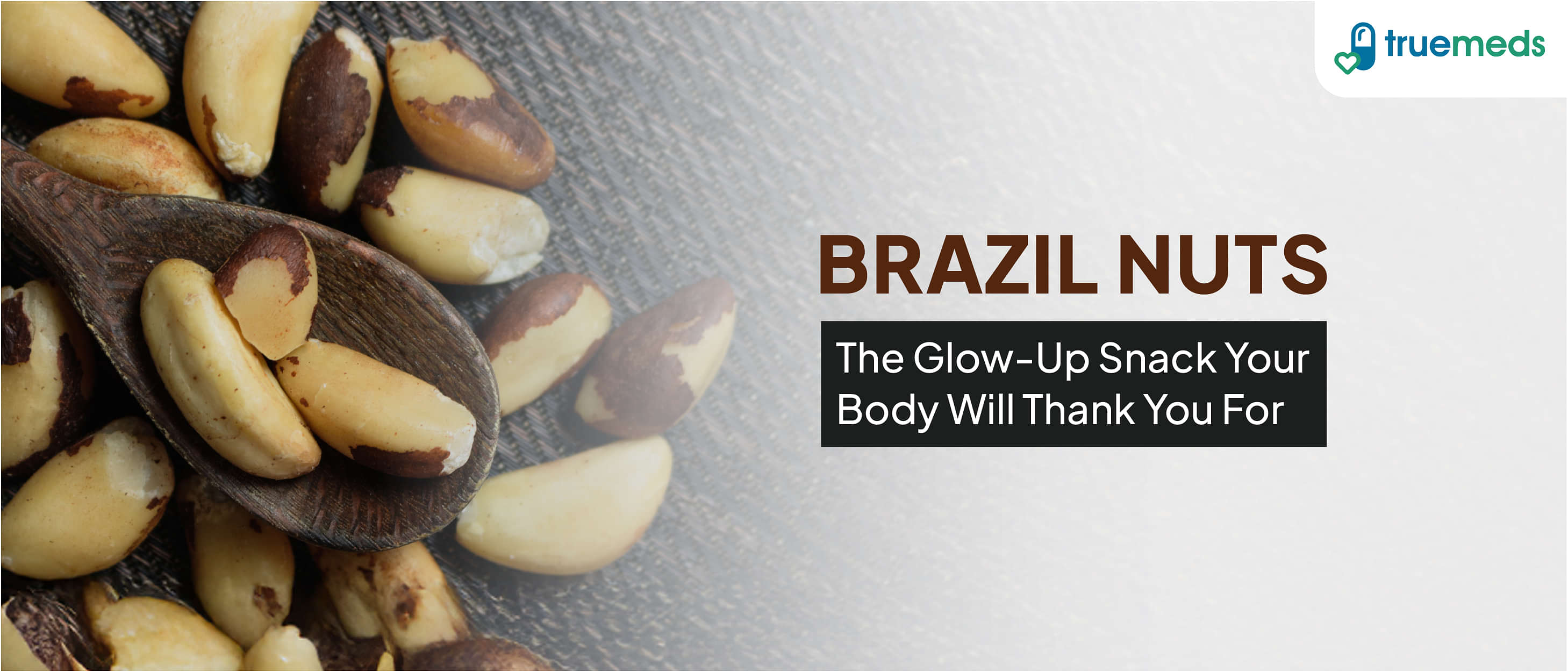
Brazil Nuts Benefits, Nutrition, and Side Effects
Last updated on : 30 Nov, 2025
Read time : 8 min
Brazil nuts are a nutritional powerhouse, most notably due to their exceptionally high selenium content [1]. This essential trace mineral is crucial for optimal thyroid function and a robust immune system response. Moreover, these nuts contain a wealth of healthy fats, protein, and fibre, which collectively contribute to supporting heart health, cellular defense, and enhanced overall well-being. Incorporating Brazil nuts into your balanced diet with strict moderation is a simple yet effective way to harness these impressive nutritional advantages while safely managing the risk of toxicity [2].
Nutritional Profile of Brazil Nuts
Brazil nuts are a treasure trove of essential nutrients, each contributing to their remarkable health properties. A single serving of approximately 28 grams (g), which equates to about 6-8 nuts, offers an impressive array of vitamins, minerals, and healthy fats. It is critical to note that the selenium content can vary significantly (ranging from approximately 100 mcg to over 500 mcg per 28g serving) based on the soil where the trees are grown [3].
The table below provides a detailed breakdown of the key nutrients found in Brazil nuts (Approximate values per 28g Serving, based on USDA data [4]):
| Nutrient |
Amount per 28g Serving |
| Calories | 187 KCal |
| Protein | 4.0 g |
| Fat (Total) | 19.0 g |
| – Monounsaturated | 6.9 g |
| – Polyunsaturated | 6.8 g |
| Carbohydrates | 3.4 g |
| Fibre | 2.1 g |
| Selenium | 544 mcg (Note: This is an average and can vary widely) [4] |
| Vitamin E | 0.23 mg |
| Potassium | 198 mg |
| Magnesium | 107 mg [4] |
Source: USDA FoodData Central, accessed October 2025. The selenium content listed reflects a typical high value, but consumption must always be based on the Tolerable Upper Intake Level (UL) of 400 mcg per day.
Health Properties of Brazil Nuts
Brazil nuts’ health properties are primarily driven by their exceptionally rich nutrient profile, especially selenium. The adult Recommended Dietary Allowance (RDA) for selenium is 55 mcg per day, and the Tolerable Upper Intake Level (UL) is 400 mcg per day [2].
- Support for Thyroid Function: The selenium found in Brazil nuts is crucial for maintaining optimal thyroid function as it is a necessary cofactor for the production of selenoproteins. These enzymes are essential for the synthesis and metabolism of thyroid hormones [1]. Adequate intake of selenium, carefully controlled to remain below the UL, has been shown to be supportive in patients with certain thyroid conditions, particularly autoimmune thyroiditis [5].
- Cardiovascular Support: Brazil nuts contain a beneficial ratio of healthy unsaturated fats, including monounsaturated and polyunsaturated fats, which are considered “heart-healthy” [6]. These fats can positively influence lipid profiles by helping to reduce LDL (“bad”) cholesterol levels [6]. The dietary fibre also helps regulate cholesterol absorption.
- Antioxidant and Anti-inflammatory Action: Brazil nuts are rich in antioxidants, particularly selenium, Vitamin E, and phenolic compounds such as ellagic acid. These compounds play a vital role in protecting your cells from oxidative damage by neutralising free radicals, which is a key factor in chronic disease development [7]. Selenium, in particular, enhances the activity of glutathione peroxidase, a powerful endogenous antioxidant enzyme that helps mitigate oxidative stress [7].
- Contribution to Cognitive Health: The antioxidant properties of selenium may play a supporting role in brain health by reducing oxidative stress, which is implicated in the progression of neurodegenerative diseases [8]. Furthermore, the healthy fats present are essential for maintaining cell membrane fluidity, which is vital for overall neuronal function. It is important to emphasize that while promising, consumption of Brazil nuts is a supportive measure, not a definitive treatment for cognitive decline or any neurological disorder.
Brazil Nuts Side Effects & Selenium Toxicity (Selenosis)
The most significant concern is selenium toxicity, also known as selenosis, due to the exceptionally high selenium content. As a single nut can contain over 90 mcg of selenium, consuming more than 4-5 nuts per day can quickly lead to an intake above the 400 mcg UL [2].
Adverse effects associated with chronic selenosis include [2]:
- Brittle hair and nail loss (A classic and often irreversible sign of chronic toxicity)
- Nausea and Diarrhoea
- Bad breath (often described as “garlic breath” due to selenium metabolites)
- Skin rashes and mottled teeth
In severe, prolonged cases of excessive intake (far exceeding the UL), very high selenium levels can potentially result in serious health issues, including peripheral neuropathy (nerve damage), kidney failure, or cardiac complications. Patients must be educated about this serious risk.
Additionally, Brazil nuts are tree nuts and can trigger severe allergic reactions in susceptible individuals, ranging from mild symptoms to life-threatening anaphylaxis. Individuals with a known tree nut allergy must strictly avoid Brazil nuts.
Incorporating Brazil Nuts into Your Diet (Strict Moderation is Key)
Due to the high selenium content, strict moderation is vital. A clinical consensus recommends limiting consumption to 1-2 nuts per day, a few times per week (e.g., 2-3 times per week), to ensure adequate selenium intake without chronically exceeding the 400 mcg Tolerable Upper Intake Level (UL) [2].
- Snacking: Enjoy one or two nuts as a quick way to boost your antioxidant and mineral intake.
- Salads: Add finely chopped Brazil nuts to your favourite salads for texture.
- Baked Goods: Incorporate small pieces into homemade granola or muffins.
- Smoothies: Blend just 1-2 nuts with your favorites to reap the benefits.
Try this quick recipe for a selenium-rich smoothie:
Ingredients:
- 1 Brazil nut (no more than 1 for daily consumption)
- 1 ripe banana
- 1 cup milk (dairy or plant-based)
- 1 teaspoon honey or maple syrup (optional)
- Pinch of cinnamon (optional)
Instructions: Blend all ingredients until smooth. Enjoy immediately.
Conclusion
Brazil nuts are indeed a nutrient-dense food, primarily valuable for their selenium content, which supports essential functions like thyroid health and acts as a potent antioxidant [1], [7]. However, their potent nutritional profile mandates mindful and controlled consumption. Moderation is paramount—consuming one to two nuts occasionally (a few times per week) can safely provide significant health benefits without risking selenium toxicity (selenosis) [2]. Always prioritise safety over nutritional abundance.
Frequently Asked Questions (FAQs)
What are the health benefits of Brazil nuts?
Brazil nuts are primarily valued for their high selenium concentration, which supports healthy thyroid function and enhances the body’s antioxidant capacity. They also offer heart-healthy monounsaturated fats that contribute to better lipid profiles.
Can Brazil nuts help with thyroid function?
Yes, the high selenium content in Brazil nuts is crucial for the synthesis of thyroid hormones and helps maintain optimal thyroid function, especially in individuals with low selenium status or autoimmune thyroid conditions (e.g., Hashimoto’s thyroiditis) [5].
Are there any risks of eating too many Brazil nuts?
Yes, the primary and most serious risk is selenium toxicity (selenosis) due to the high levels of selenium present. Symptoms of chronic toxicity include hair loss and brittle nails. Consumption must be strictly limited to 1-2 nuts per day, a few times a week, to stay below the safety threshold (UL) of 400 mcg per day [2].
Can Brazil nuts help with cognitive function?
The antioxidants in Brazil nuts, particularly selenium, help reduce oxidative stress, which may support overall brain health [8]. However, they are only a supportive food and are not a primary treatment for any cognitive disorder.
Are Brazil nuts good for heart health?
Yes, Brazil nuts are beneficial for heart health as they contain monounsaturated and polyunsaturated fats and dietary fibre that can help improve cholesterol and triglyceride levels [6].
References
[1] Ventura, M., Melo, M., & Carrilho, F. (2017). Selenium and thyroid disease: From pathophysiology to treatment. International Journal of Endocrinology, 2017. https://doi.org/10.1155/2017/1297658
[2] National Institutes of Health (NIH), Office of Dietary Supplements. (2024). Selenium fact sheet for health professionals. https://ods.od.nih.gov/factsheets/Selenium-HealthProfessional/
[3] Rayman, M. P. (2012). Selenium and human health. The Lancet, 379(9822), 1256–1268. https://doi.org/10.1016/S0140-6736(11)61452-9
[4] U.S. Department of Agriculture (USDA), Agricultural Research Service, FoodData Central. (2020). Nuts, brazilnuts, dried, unblanched. https://fdc.nal.usda.gov/fdc-app.html#/food-details/170566/nutrients
[5] Harth, S., Piecha, O., & Harth, V. (2021). Supplementation with selenium and other micronutrients in Hashimoto’s thyroiditis: A systematic review and meta-analysis. Nutrients, 13(5), 1632. https://doi.org/10.3390/nu13051632
[6] Colpo, E., De Avila Vilanova, C. D., Reetz, L. G. B., Duarte, M. M. M. F., Farias, I. L. G., Muller, E. I., Muller, A. L. H., Flores, E. M. M., Wagner, R., & Da Rocha, J. B. T. (2013). A single consumption of high amounts of the Brazil nuts improves lipid profile of healthy volunteers. Journal of Nutrition and Metabolism, 2013. https://doi.org/10.1155/2013/653185
[7] Lemire, M., Philibert, A., Fillion, M., Passos, C. J. S., Guimarães, J. R. D., Barbosa, F., Jr, & Mergler, D. (2012). No evidence of selenosis from a selenium-rich diet in the Brazilian Amazon. Environment International, 40, 128–136. https://doi.org/10.1016/j.envint.2011.07.005
[8] Cardoso, B. R., Bosco, S. M., & Cominetti, C. (2016). Selenium and cognitive function: A systematic review. European Journal of Nutrition, 55(5), 1845–1856. https://doi.org/10.1007/s00394-015-1049-7















Disclaimer
Our healthcare experts have carefully reviewed and compiled the information presented here to ensure accuracy and trustworthiness. It is important to note that this information serves as a general overview of the topic and is for informational purposes only. It is not intended to diagnose, prevent, or cure any health problem. This page does not establish a doctor-patient relationship, nor does it replace the advice or consultation of a registered medical practitioner. We recommend seeking guidance from your registered medical practitioner for any questions or concerns regarding your medical condition.
Popular Articles


Recommended Articles




Recent Articles









Company
About UsHealth ArticleHealth StoriesDiseases & Health ConditionsAyurvedaAll MedicinesAll BrandsNeed HelpFAQSecuritySubscribe
Registered Office Address
Grievance Officer
Download Truemeds


Contact Us
Our customer representative team is available 7 days a week from 9 am - 9 pm.
v4.8.0

2025 - Truemeds | All rights reserved. Our content is for informational purposes only. See additional information.

Our Payment Partners




