

- Medicines
- Personal Care
- Skin Cream
- Sunscreen
- Face Wash
- Skin and Body Soap
- Acne Care
- Body Lotions
- Moisturising Lotion
- Moisturising Cream
- Mosquito Repellent
- Moisturising Gel
- Body Wash
- Hair Oils
- Hair Shampoo
- Hair Conditioners
- Hair Supplements
- Hair Colour
- Hair Serum
- Hair Mask
- Hair Solutions
- Baby Diapers and Wipes
- Baby Lotion and Moisturising Cream
- Baby Bath Essentials
- Baby Skin Care
- Baby and Infant Food
- Baby Healthcare
- Women Multivitamins
- Ovulation Test Kit and Women Intimate Care
- Sanitary Pads
- Nutritional Drinks
- Condoms
- Lubricants
- Massage Gels
- Personal Body Massagers
- Men Performance Booster
- Sexual Health Supplements
- Massage Oils
- Ayurveda
- Tooth Paste
- Mouth Ulcer Gel
- Mouthwash
- Toothache and Gum Pain
- Tooth Brush
- Gargle Solution
- Orthopaedic Supports
- Adult Diapers
- Footwear
- Mobility and Support Accessories
- Urinary Support and Care
- Health Conditions
- Bone and Joint Care
- Digestive Care
- Eye Care
- Pain Relief
- Smoking Cessation
- Liver Care
- Stomach Care
- Cold and Cough
- Heart Care
- Kidney Care
- Piles, Fissures & Fistula
- Respiratory Care
- Mental Wellness
- Derma Care
- Pre and Probiotics
- Acidity
- Gas
- Constipation
- Loose Motion/Diarrhoea
- Digestive Fibres
- Digestive Enzymes
- Eye Lubricant Drops
- Lens Solution
- Safety Eye Wear
- Eye Cream
- Eye Vitamins and Supplements
- Eye Drops
- Eye Ointment and Gel
- Nicotine Patch
- Nicotine Gum
- Nicotine Lozenges
- Cough Syrups
- Chest Rubs and Balms
- Nasal Spray
- Lozenges
- Inhalant Capsules
- Cold and Cough Tablets
- Vitamins & Supplements
- Diabetes Care
- Healthcare Devices
- Homeopathic Medicine
- Health Guide
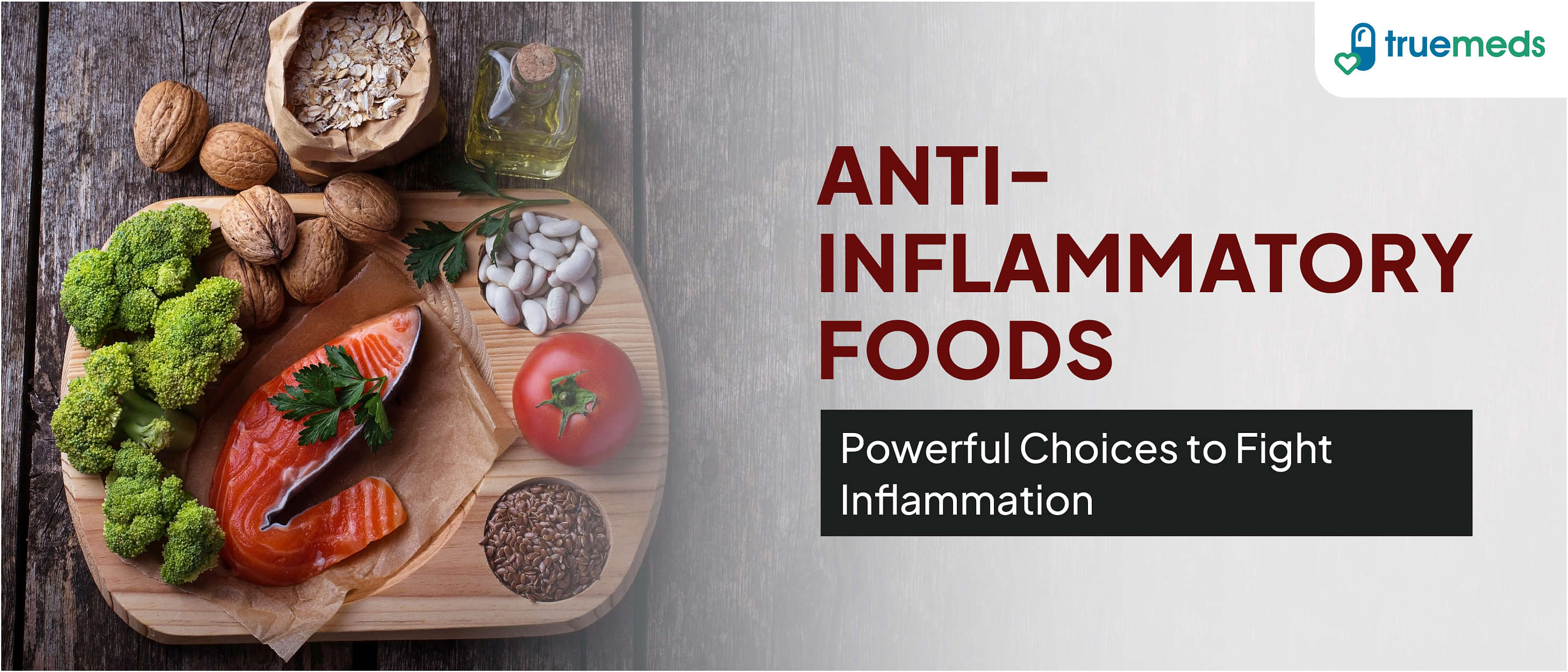
20 Anti-Inflammatory Foods That Support Your Health
Last updated on : 09 Nov, 2025
Read time : 11 min
Inflammation is the body’s natural response to injury or infection, playing a crucial role in the healing process [1]. However, when inflammation persists and becomes chronic, it can contribute to the development of various health issues, such as heart disease, diabetes, and certain cancers [1]. Adopting a dietary pattern rich in anti-inflammatory foods can help manage this condition and support overall health [2]. These foods contain essential nutrients that work to modulate inflammation, making them a valuable addition to a balanced diet for preventing chronic diseases and promoting well-being.
What Are Anti-Inflammatory Foods?
Anti-inflammatory foods are dietary components that may help reduce inflammation in the body. They typically include fruits, vegetables, whole grains, lean proteins, and healthy fats, which are rich in antioxidants, omega-3 fatty acids, and other beneficial nutrients [2]. These foods work by reducing oxidative stress, modulating immune responses, and inhibiting pro-inflammatory pathways, thereby helping to support health and potentially reduce the risk of chronic diseases like heart disease, arthritis, and certain types of cancer [5]. Regular consumption of an anti-inflammatory diet can support a balanced diet aimed at reducing inflammation and promoting long-term health [4].
Benefits of Anti-Inflammatory Foods
Here are the potential benefits of including anti-inflammatory foods in your diet:
- Supports Management of Chronic Disease Risk: By helping to lower chronic, low-grade inflammation in the body, anti-inflammatory dietary patterns can help reduce the risk of developing chronic conditions such as heart disease, type 2 diabetes, and certain types of cancer [5].
- Improves Heart Health: The nutrients found in anti-inflammatory foods, such as omega-3 fatty acids and polyphenols, help reduce inflammation in the cardiovascular system, potentially promoting healthier heart function and reducing cardiovascular risk [3].
- Supports Immune Function: Anti-inflammatory foods help balance the body’s inflammatory processes, supporting a more regulated immune response and contributing to better overall health and disease prevention [4].
- Enhances Cognitive Health: Following an anti-inflammatory diet, such as the Mediterranean diet, may help reduce the risk of cognitive decline and the development of neurodegenerative diseases like Alzheimer’s disease [5].
Top 20 Anti-Inflammatory Foods
Incorporating these foods into your diet may help reduce chronic inflammation and promote better overall health. Here is a list of top anti-inflammatory foods that you can easily add to your meals:
1. Berries
Berries, such as blueberries, strawberries, raspberries, blackberries, açaí, goji, and cranberries, are packed with polyphenols and anthocyanins that make them important anti-inflammatory foods [2]. These compounds may help neutralise harmful free radicals and support the reduction of inflammation in the body.
2. Fatty Fish
Fatty fish, including salmon, sardines, mackerel, anchovies, and tuna, are excellent sources of Eicosapentaenoic Acid (EPA) and Docosahexaenoic Acid (DHA), which are the active forms of omega-3 fatty acids renowned for their inflammation-fighting properties [3]. Omega-3s work by reducing the production of pro-inflammatory compounds (e.g., eicosanoids) in the body [3]. Incorporating fatty fish into your diet at least twice a week may contribute to lowering inflammation levels.
3. Avocados
Avocados are a nutrient-dense fruit rich in monounsaturated fats (like oleic acid), fibre, carotenoids, and antioxidants, which may help reduce inflammation and support heart health [2].
4. Leafy Green Vegetables
Leafy green vegetables, such as spinach, kale, collards, chard, arugula, fenugreek leaves, and mustard greens, are loaded with vitamins, minerals, and antioxidants, which may help combat inflammation [2]. These greens are particularly high in Vitamin K, which has been shown to have anti-inflammatory effects [5].
5. Cruciferous Vegetables
Cruciferous vegetables, including broccoli, cauliflower, Brussels sprouts, cabbage, and bok choy, contain unique compounds like sulforaphane that have potent anti-inflammatory effects [2]. These compounds help activate the body’s natural detoxification enzymes and reduce oxidative stress.
6. Nuts and Seeds
Nuts and seeds, such as almonds, walnuts, Brazil nuts, flaxseeds, chia seeds, and pumpkin seeds, are nutritious foods that provide monounsaturated and polyunsaturated fats, fibre, and antioxidants. Walnuts and flaxseeds are particularly noteworthy for their high content of alpha-linolenic acid (ALA), a plant-based omega-3 fatty acid [2].
7. Olive Oil
Olive oil is a staple of the Mediterranean diet and is well-known for its anti-inflammatory properties [3]. Extra-virgin olive oil contains a compound called oleocanthal, which has been shown to have effects similar to low-dose anti-inflammatory medicines due to its ability to inhibit pro-inflammatory enzymes [2].
8. Tomatoes
Tomatoes are a delicious and versatile fruit high in vitamin C and lycopene, a potent red pigment antioxidant [2]. Lycopene consumption has been linked to reduced oxidative stress and inflammation [5]. Cooking tomatoes (such as in sauces or soups) can actually increase the bioavailability of lycopene, making it easier for the body to absorb [2].
9. Whole Grains
Whole grains, such as brown rice, quinoa, oats, barley, millet, and farro, are rich in fibre and phytochemicals that may help lower inflammation in the body [2]. The high fibre content may help promote the growth of beneficial gut bacteria, which produce short-chain fatty acids that have anti-inflammatory effects in the digestive tract [4].
10. Legumes
Legumes, including beans, lentils, and chickpeas, are high in fibre, folate, and antioxidants [2]. The fibre in legumes helps feed beneficial gut bacteria, which produce short-chain fatty acids that have anti-inflammatory effects.
11. Mushrooms
Mushrooms are a nutritious addition to an anti-inflammatory diet. They contain bioactive compounds, including polysaccharides, that may help to lower inflammation and oxidative stress in the body by modulating the immune response [1].
12. Peppers
Peppers, such as bell peppers and chilli peppers, are packed with vitamin C and antioxidants, which may help reduce inflammation [2]. Chilli peppers also contain the compound capsaicin, which is studied for its anti-inflammatory properties [5].
13. Ginger
Ginger is a popular spice that contains gingerols and shogaols, active compounds known to inhibit inflammatory pathways in the body [5]. These compounds may help reduce pain and inflammation by modulating pro-inflammatory cytokines, making ginger a valuable anti-inflammatory addition [5].
14. Turmeric
Turmeric, a vibrant yellow spice, is rich in curcumin, a powerful anti-inflammatory compound [6]. Curcumin has been extensively studied for its potential to reduce inflammation and oxidative stress by inhibiting inflammatory enzymes and cytokines [6]. For better absorption, turmeric should be consumed with black pepper (containing piperine) and/or a source of healthy fat [6].
15. Dark Chocolate
Dark chocolate, particularly varieties with 70% cocoa or higher, contains high levels of flavonoids and polyphenols that may help reduce inflammation [2]. These compounds may help support heart health by lowering blood pressure and improving blood flow. Choose varieties with minimal added sugars to maximise the anti-inflammatory benefits.
16. Cherries
Cherries are a delightful fruit high in anthocyanins and vitamin C, both of which have powerful anti-inflammatory effects [2]. Anthocyanins, the pigments responsible for the rich red colour of cherries, may help reduce the production of pro-inflammatory cytokines in the body.
17. Citrus Fruits
Citrus fruits, such as oranges, grapefruit, lemon, and lime, are well-known for their high Vitamin C content and other antioxidants. These nutrients play a crucial role in protecting your body against oxidative stress and inflammation [5].
18. Pomegranate
Pomegranates are a nutrient-dense fruit rich in ellagitannins and punicalagins, which are antioxidants that may help reduce inflammatory markers in the body [5].
19. Alliums
Alliums, a family of vegetables that includes garlic, onions, and leeks, contain organosulphur compounds that have been shown to modulate inflammation in the body [2]. These compounds may help reduce the production of pro-inflammatory cytokines, supporting cardiovascular and immune health.
20. Root Vegetables
Root vegetables, such as beets, carrots, and sweet potatoes, are high in fibre, vitamins, and antioxidants, making them an excellent addition to an anti-inflammatory diet [2]. Beets are particularly noted for their betalain pigments, which have anti-inflammatory properties [5].
How to Incorporate Anti-Inflammatory Foods into Your Diet?
Incorporating anti-inflammatory foods into your diet is easy with these simple steps:
- Begin your day with a nutritious breakfast. Swap processed cereals for Greek yoghurt topped with berries, which are rich in polyphenols, and walnuts, which contain omega-3 fatty acids.
- Make smart snack choices. Instead of reaching for processed snacks, try pairing apple slices with almond butter or enjoying hummus with carrot or cucumber sticks.
- Focus on plant-based meals. When planning your lunch and dinner, build your meals around leafy greens, tomatoes, and cruciferous vegetables.
- Choose proteins wisely. Aim to replace red meat with fatty fish, such as salmon or sardines, at least twice a week. Plant-based proteins like lentils and chickpeas are also excellent anti-inflammatory options.
- Use Anti-inflammatory Spices. Ginger, turmeric, and garlic are not only delicious but also offer anti-inflammatory properties. Use these spices to season your meals instead of relying on excessive salt or sugar.
- Replace sugary drinks with green tea, which is rich in antioxidants, or water infused with citrus fruits or berries for a refreshing and healthy alternative.
- By following these steps, you can easily integrate anti-inflammatory foods into your daily routine, which can contribute to your overall health and well-being.
Conclusion
Incorporating an anti-inflammatory dietary pattern can have a positive impact on your overall health. By focusing on whole foods, healthy fats like omega-3 fatty acids, and beneficial herbs and spices like turmeric, you can create delicious and nutritious meals that support your well-being. This balanced approach to eating is supported by clinical evidence to help manage chronic conditions and promote a healthier lifestyle [5]. With a few simple changes to your daily routine, you can harness the power of anti-inflammatory foods and experience the benefits they offer for your body and mind.
Disclaimer:
This article is for informational purposes only and is not intended to provide medical advice, diagnosis, or treatment. Please consult a qualified healthcare professional before starting or changing any diet, exercise program, or treatment plan, especially if you have a pre-existing medical condition. Individual health results may vary.
Frequently Asked Questions (FAQs)
What are the best anti-inflammatory foods?
The best anti-inflammatory foods include fatty fish (rich in EPA/DHA), berries (rich in anthocyanins), green leafy vegetables, olive oil, and spices like turmeric and ginger [2].
Can I reduce inflammation through food alone?
Eating an anti-inflammatory diet rich in fruits, vegetables, whole grains, fatty fish, nuts, and certain spices may help reduce inflammation [4], but it is crucial to combine diet with positive lifestyle factors such as regular exercise, adequate sleep, and effective stress management [3].
How can anti-inflammatory foods help with arthritis?
Anti-inflammatory foods may help reduce inflammatory markers and oxidative stress, potentially easing arthritis symptoms by supporting joint health and reducing discomfort [5]. Foods rich in omega-3s, Vitamin K-rich vegetables, and olive oil are particularly beneficial [2].
Is turmeric really effective at reducing inflammation?
Turmeric contains curcumin, a compound with potent anti-inflammatory properties supported by numerous studies [6]. It is considered effective in reducing inflammation, particularly when consumed regularly and combined with a bioavailability enhancer like black pepper [6].
What is the role of omega-3s in reducing inflammation?
Omega-3 fatty acids (EPA and DHA) in fatty fish help modulate inflammatory pathways and reduce the production of pro-inflammatory cytokines, potentially lowering chronic inflammation and its associated risks [3].
Can I eat inflammatory foods and still manage inflammation?
A core principle is balance. While minimising inflammatory foods like processed sugars and unhealthy fats is important, occasional intake might be manageable if balanced with a predominantly anti-inflammatory diet [4]. The overall pattern of eating is what matters most.
References
[1] Pahwa, R., Goyal, A., & Jialal, I. (2025). Chronic inflammation. In StatPearls. StatPearls Publishing. https://www.ncbi.nlm.nih.gov/books/NBK493173/
[2] Foods that fight inflammation. (2024, March 26). Harvard Health. https://www.health.harvard.edu/staying-healthy/foods-that-fight-inflammation
[3] Anti-Inflammatory Diet. (2024, February 20). Hopkinsmedicine.Org. https://www.hopkinsmedicine.org/health/wellness-and-prevention/anti-inflammatory-diet
[4] Scheiber, A., & Mank, V. (2025). Anti-inflammatory diets. In StatPearls. StatPearls Publishing. https://www.ncbi.nlm.nih.gov/books/NBK597377/
[5] Yu, X., Pu, H., & Voss, M. (2024). Overview of anti-inflammatory diets and their promising effects on non-communicable diseases. The British Journal of Nutrition, 132(7), 898–918. https://pmc.ncbi.nlm.nih.gov/articles/PMC11576095/
[6] Peng, Y., Ao, M., Dong, B., Jiang, Y., Yu, L., Chen, Z., Hu, C., & Xu, R. (2021). Anti-Inflammatory Effects of Curcumin in the Inflammatory Diseases: Status, Limitations and Countermeasures. Drug Design, Development and Therapy, 15, 4503–4525. https://doi.org/10.2147/DDDT.S327378















Disclaimer
Our healthcare experts have carefully reviewed and compiled the information presented here to ensure accuracy and trustworthiness. It is important to note that this information serves as a general overview of the topic and is for informational purposes only. It is not intended to diagnose, prevent, or cure any health problem. This page does not establish a doctor-patient relationship, nor does it replace the advice or consultation of a registered medical practitioner. We recommend seeking guidance from your registered medical practitioner for any questions or concerns regarding your medical condition.
Popular Articles



Recommended Articles




Recent Articles










Company
About UsHealth ArticleHealth StoriesDiseases & Health ConditionsAyurvedaAll MedicinesAll BrandsNeed HelpFAQSecuritySubscribe
Registered Office Address
Grievance Officer
Download Truemeds


Contact Us
Our customer representative team is available 7 days a week from 9 am - 9 pm.
v4.8.0

2025 - Truemeds | All rights reserved. Our content is for informational purposes only. See additional information.

Our Payment Partners




