

- Medicines
- Personal Care
- Skin Cream
- Sunscreen
- Face Wash
- Skin and Body Soap
- Acne Care
- Body Lotions
- Moisturising Lotion
- Moisturising Cream
- Mosquito Repellent
- Moisturising Gel
- Body Wash
- Hair Oils
- Hair Shampoo
- Hair Conditioners
- Hair Supplements
- Hair Colour
- Hair Serum
- Hair Mask
- Hair Solutions
- Baby Diapers and Wipes
- Baby Lotion and Moisturising Cream
- Baby Bath Essentials
- Baby Skin Care
- Baby and Infant Food
- Baby Healthcare
- Women Multivitamins
- Ovulation Test Kit and Women Intimate Care
- Sanitary Pads
- Nutritional Drinks
- Condoms
- Lubricants
- Massage Gels
- Personal Body Massagers
- Men Performance Booster
- Sexual Health Supplements
- Massage Oils
- Ayurveda
- Tooth Paste
- Mouth Ulcer Gel
- Mouthwash
- Toothache and Gum Pain
- Tooth Brush
- Gargle Solution
- Orthopaedic Supports
- Adult Diapers
- Footwear
- Mobility and Support Accessories
- Urinary Support and Care
- Health Conditions
- Bone and Joint Care
- Digestive Care
- Eye Care
- Pain Relief
- Smoking Cessation
- Liver Care
- Stomach Care
- Cold and Cough
- Heart Care
- Kidney Care
- Piles, Fissures & Fistula
- Respiratory Care
- Mental Wellness
- Derma Care
- Pre and Probiotics
- Acidity
- Gas
- Constipation
- Loose Motion/Diarrhoea
- Digestive Fibres
- Digestive Enzymes
- Eye Lubricant Drops
- Lens Solution
- Safety Eye Wear
- Eye Cream
- Eye Vitamins and Supplements
- Eye Drops
- Eye Ointment and Gel
- Nicotine Patch
- Nicotine Gum
- Nicotine Lozenges
- Cough Syrups
- Chest Rubs and Balms
- Nasal Spray
- Lozenges
- Inhalant Capsules
- Cold and Cough Tablets
- Vitamins & Supplements
- Diabetes Care
- Healthcare Devices
- Homeopathic Medicine
- Health Guide
7 Natural Sources of Zinc to Support Your Health
Last updated on : 13 Nov, 2025
Read time : 6 min
Zinc is one of the most essential nutrients for the human body. It is necessary for the proper functioning of more than 300 enzymes and is also required for many essential life processes [1].
Zinc plays a crucial role in:
- Metabolising most of the body’s nutrients.
- Supporting your immune system [1].
- Aiding in wound healing and the repair of body tissues [1].
The human body cannot store zinc; therefore, we need to consume it daily in the correct amounts to meet our needs. The Recommended Dietary Allowance (RDA) for zinc is generally 11 milligrams (mg) daily for adult men and 8 mg daily for adult women [1].
Specific Recommended Daily Allowances (RDAs) for Zinc:
- Pregnant adults require approximately 11 mg of zinc daily [1].
- Breastfeeding adults need 12 mg of zinc daily [1].
Eating a healthy and balanced diet that includes zinc-rich foods is crucial. Here are seven key sources to consider:
7 Key Foods High in Zinc
1) Meat
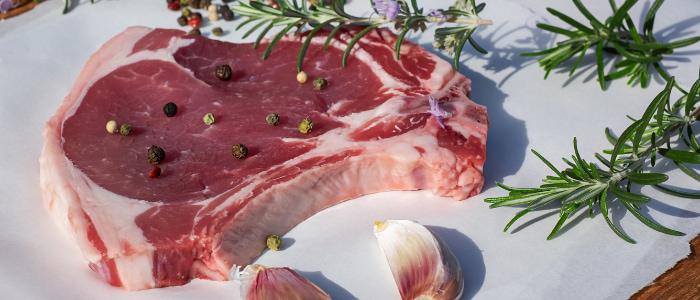
Meat is a good source of zinc, especially red meat [1]. For instance, a 3-ounce (85g) serving of cooked lean ground beef provides about 52% of the Daily Value (DV) for zinc [1]. While red meat is highly bioavailable for zinc, excessive consumption, especially of processed red meat, is usually associated with an increased risk of diseases related to the heart and also some specific types of cancers [2]. A balanced approach involves moderate consumption of lean cuts within an overall healthy diet [2].
2) Shellfish
Shellfish are among the most efficient sources of zinc. Oysters are particularly rich, with three ounces (85g) of cooked oysters providing up to 280% of the DV for zinc [1]. Other types of shellfish, such as Alaskan crab, shrimps, and mussels, contain comparatively smaller amounts of zinc but are still natural sources [1]. Individuals who are pregnant must ensure all shellfish is thoroughly cooked before consumption to minimise the risk of food poisoning [3].
3) Legumes
Legumes are natural foods that contain zinc. Chickpeas, lentils, and beans are all zinc-rich foods. For example, half a cup (99g) of cooked lentils contains approximately 1.3 mg of zinc, which is about 12% of the DV [1]. Legumes are also rich in phytates (phytic acid), which are compounds that can bind to zinc and other minerals, slightly repressing the rate of absorption into the body [4]. Soaking, sprouting, or fermenting legumes can help reduce phytate levels and improve mineral absorption [4].
4) Seeds
Seeds are a good source of zinc. They can effectively help increase your daily zinc intake by adding certain types of seeds to your diet. Some natural sources include hemp, squash, pumpkin, and sesame seeds. A 1-ounce (28g) serving of pumpkin seeds contains approximately 2.2 mg of zinc, or 20% of the DV [1]. These seeds are also rich in fibre, healthy fats, and vitamins, which can help support a healthy lifestyle.
5) Nuts
Eating nuts, such as cashews, almonds, and peanuts, helps increase zinc intake in the body. Nuts also contain other healthy nutrients, including healthy fats and fibre, as well as various vitamins and minerals. Cashews are an exceptionally rich source of zinc; a 1-ounce (28g) serving contains approximately 1.6 mg of zinc, or 15% of the DV [1]. Nuts are a quick and healthy snack and have been linked to a decrease in risk factors for certain illnesses, such as coronary heart disease, stroke, and diabetes [5].
6) Dairy Products
Dairy foods, such as milk and cheese, provide several vital nutrients, including zinc. They are considered good sources because they contain high amounts of bioavailable zinc, meaning a large portion of the zinc in these food sources can be efficiently utilised by the body [1]. For instance, 1 ounce (28g) of cheddar cheese contains around 10% of the DV, while a one-cup (240ml) serving of low-fat milk contains about 9% of the DV [1].
7) Eggs
Eggs contain a moderate but easily accessible amount of zinc and can assist you with meeting your everyday needs. One large egg contains around 0.6 mg of zinc, which is approximately 5% of the DV [1]. This serving size also provides around 77 calories, 6 grams of high-quality protein, 5 grams of healthy fats, and a wide range of essential nutrients like B vitamins, selenium, and choline [1].
Conclusion
Zinc plays a vital role in many bodily functions—from supporting immune health and wound healing to aiding metabolism and enzyme function. Since our bodies cannot store zinc, it’s essential to include zinc-rich foods in our daily diet. Foods like meat, shellfish, legumes, seeds, dairy products, and eggs offer accessible and diverse ways to meet the Recommended Dietary Allowance (RDA). By maintaining a balanced diet that includes these nutritious sources, you can ensure your body gets the zinc it needs for optimal health and wellness. Moderation and dietary diversity are essential to maximising nutrient absorption and overall health benefits.
Disclaimer
This article is intended for general informational purposes only and is not a substitute for professional medical advice, diagnosis, or treatment. Always consult a qualified healthcare provider for personalised recommendations regarding your diet, health concerns, or before starting any new dietary supplements.
Frequently Asked Questions (FAQ)
Why is zinc important for the human body?
Zinc is essential for immune function, wound healing, and supporting over 300 enzymes involved in various metabolic processes [1].
Can vegetarians get enough zinc from their diet?
Yes, plant-based sources like legumes, seeds, and nuts can provide zinc; however, absorption may be lower due to the presence of phytates. Vegetarians and vegans may need to consume up to 50% more zinc than the RDA for non-vegetarians [1].
What happens if I consume too much zinc?
Excessive long-term zinc intake, usually from supplements, can lead to nausea, stomach cramps, and interfere with the absorption of other essential minerals, particularly copper [1]. The Upper Limit (UL) for zinc in adults is 40 mg per day [1].
Are zinc supplements necessary?
For most healthy individuals with a balanced diet, supplements aren’t needed. They may be recommended in cases of confirmed deficiency, specific medical conditions, or for individuals with restricted diets, but this should always be done under the guidance of a healthcare professional [1].
Does cooking affect the zinc content in foods?
Cooking methods like long boiling or stewing may cause minimal zinc loss into the cooking water, but most zinc remains intact, especially in protein-rich foods like meat and eggs. Zinc is relatively stable when exposed to heat [1].
References
[1] National Institutes of Health. (2024, May 17). Zinc: Fact Sheet for Health Professionals. NIH Office of Dietary Supplements. https://ods.od.nih.gov/factsheets/Zinc-HealthProfessional/
[2] World Cancer Research Fund / American Institute for Cancer Research. (2018). Continuous Update Project Expert Report 2018: Meat, fish and dairy products and the risk of cancer. https://www.wcrf.org/diet-activity-and-cancer/cancer-prevention-recommendations/meat-fish-and-dairy-products/
[3] U.S. Food and Drug Administration. (2022, November 7). Advice About Eating Fish. https://www.fda.gov/food/consumers/advice-about-eating-fish
[4] Hurrell, R. F. (2003). Influence of vegetable protein sources on trace element and mineral bioavailability. The Journal of Nutrition, 133(9 Suppl 2), 2973S–2977S. https://doi.org/10.1093/jn/133.9.2973S
[5] Aune, D., Keum, E., Giovannucci, E., Rimm, E., de Koning, L., Boffetta, P., Fuchs, C., & Norat, T. (2016). Nut consumption and risk of cardiovascular disease, total cancer, all-cause and cause-specific mortality: a systematic review and dose-response meta-analysis of prospective studies. BMC Medicine, 14(1). https://doi.org/10.1186/s12916-016-0730-3















Disclaimer
Our healthcare experts have carefully reviewed and compiled the information presented here to ensure accuracy and trustworthiness. It is important to note that this information serves as a general overview of the topic and is for informational purposes only. It is not intended to diagnose, prevent, or cure any health problem. This page does not establish a doctor-patient relationship, nor does it replace the advice or consultation of a registered medical practitioner. We recommend seeking guidance from your registered medical practitioner for any questions or concerns regarding your medical condition.
Popular Articles



Recommended Articles




Recent Articles








Company
About UsHealth ArticleHealth StoriesHealth LibraryDiseases & Health ConditionsAyurvedaAll MedicinesAll BrandsNeed HelpFAQSecuritySubscribe
Registered Office Address
Grievance Officer
Download Truemeds


Contact Us
Our customer representative team is available 7 days a week from 9 am - 9 pm.
v4.9.0

2025 - Truemeds | All rights reserved. Our content is for informational purposes only. See additional information.

Our Payment Partners




