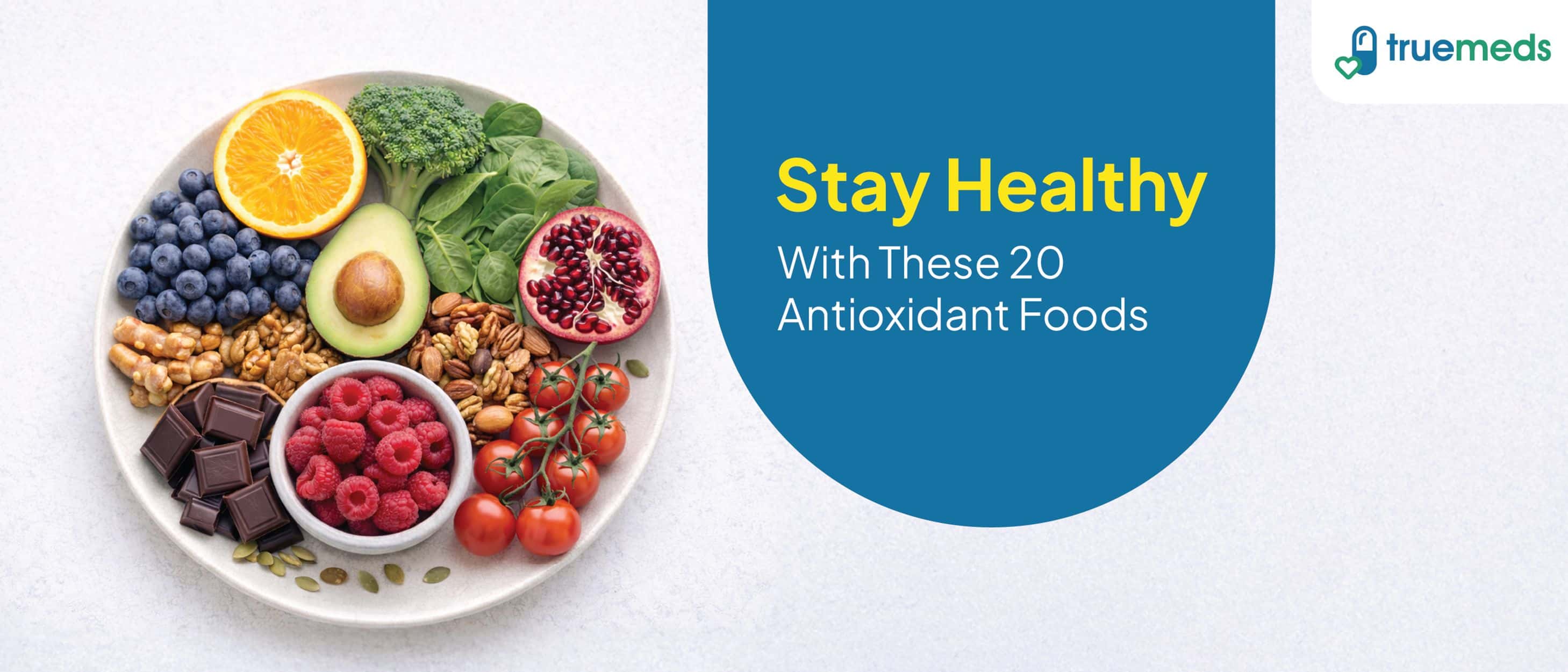
Antioxidants play a crucial role in maintaining overall health by neutralising harmful free radicals, which are unstable compounds linked to various chronic diseases and ageing-related conditions[1]. Some antioxidants also work by activating protective cellular pathways or antioxidant enzymes[2]. While the body produces some antioxidants on its own, getting antioxidants from plant-based foods is often linked to a better balance between free radicals and antioxidants, which may help lower oxidative stress[1]. In this article, we will explore why antioxidants matter and share the 20 best antioxidant-rich foods available in India to help you boost your health naturally.
What are antioxidants?
Antioxidants are substances that neutralise free radicals, preventing them from causing oxidative damage to our cells[1]. They work by donating electrons to the unstable molecules, effectively stabilising them and reducing their harmful effects[2]. Antioxidants can be classified into two main categories: water-soluble antioxidants, such as vitamin C, and fat-soluble antioxidants, like vitamin E[1]. These beneficial compounds are found in various foods, particularly in fruits, vegetables, nuts, and whole grains[3]. By consuming a diverse range of antioxidant-rich foods, we can ensure that our bodies receive a balanced intake of these essential nutrients[3].
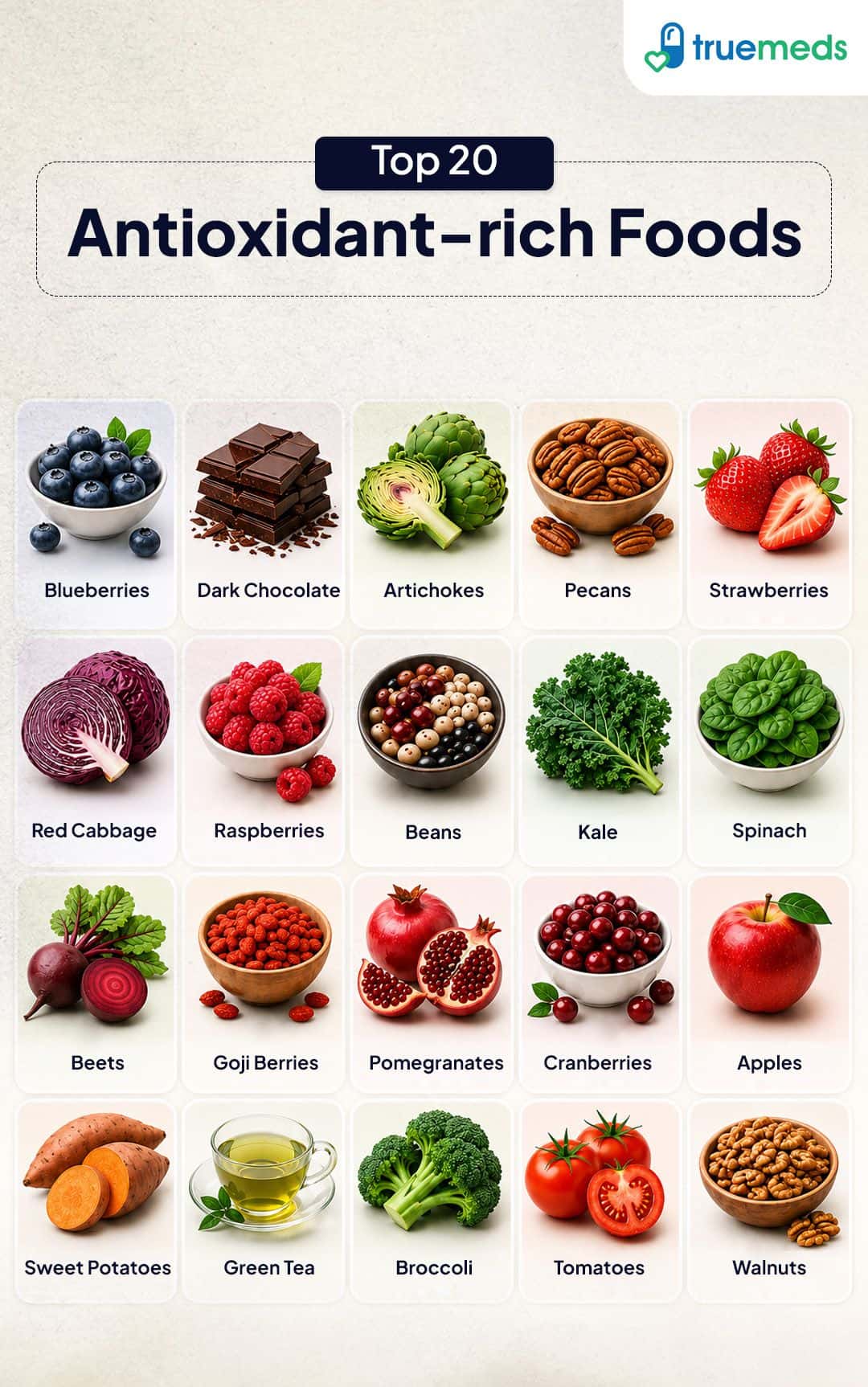
Top 20 antioxidant-rich foods available in India
To help you incorporate more antioxidants into your diet, we have compiled a list of 20 foods that are known for their high antioxidant content. Each of these foods offers unique benefits and can contribute to your overall health and well-being.
1. Blueberries
Blueberries are a powerhouse of antioxidants, particularly anthocyanins, which are responsible for their deep blue colour. These antioxidants have been linked to improved brain function and reduced DNA damage. Numerous studies have associated regular consumption of blueberries with a lower risk of heart disease and cognitive decline[4]. Incorporate these delicious berries into your breakfast smoothies or yoghurt, or enjoy them as a healthy snack.
2. Dark Chocolate
Dark chocolate, with a cocoa content of 70% or higher, is rich in flavonoids, which may have a modest effect on vascular function when consumed in flavanol-rich forms. These antioxidants also contribute to the bitter taste of dark chocolate[3]. To maximise the benefits, opt for minimally processed varieties and enjoy them in moderation as a healthy treat. People sensitive to caffeine or theobromine should consume dark chocolate with caution. A commonly suggested serving is 20–30g per day; consult a healthcare provider for personalised guidance.
3. Artichokes
Artichokes are an excellent source of antioxidants, particularly chlorogenic acid and luteolin, which may support markers of liver function, though human evidence is limited. These compounds help neutralise free radicals and reduce inflammation in the body. Additionally, artichokes are high in fibre and vitamins C and K, making them a nutrient-dense addition to your meals[3]. Enjoy them steamed, grilled, or as a delicious dip.
4. Pecans
Pecans are an excellent addition to any antioxidant food list. These delicious nuts are high in vitamin E and other antioxidants, which may support heart health by reducing inflammation and improving cardiovascular function[3]. Including pecans in your diet is a simple way to boost your intake of antioxidants.
5. Strawberries
Strawberries are a delightful and nutritious choice when it comes to foods that contain antioxidants. These vibrant berries are a great source of vitamin C and other antioxidants, which may protect against oxidative stress, contributing to overall well-being and immune function[4]. Adding strawberries to your diet is an easy way to enjoy the benefits of these health-promoting compounds.
6. Red Cabbage
Red cabbage is a powerhouse among antioxidant-rich foods. This vibrant vegetable is packed with anthocyanins, which give it its striking colour and potent antioxidant properties[3]. These compounds may help combat oxidative stress and support overall health, making red cabbage a valuable addition to any diet focused on foods high in antioxidants[3].
7. Raspberries
Raspberries are a tasty and nutritious fruit that are often included among antioxidant-rich foods. These sweet berries contain ellagic acid, a powerful antioxidant that may support cell health by preventing damage from free radicals and promoting overall wellness[4]. Incorporating raspberries into your diet is an easy and delicious way to increase your intake of foods that contain antioxidants.
8. Beans
Beans, such as kidney, black, and pinto varieties, are a fantastic addition to any list of foods high in antioxidants. These versatile legumes are loaded with polyphenols that may help fight inflammation and oxidative damage, providing numerous health benefits when included in a balanced diet[3]. Incorporating a variety of beans into your meals is an easy way to boost your intake of antioxidant foods.
9. Kale
Kale is a nutrient powerhouse, rich in vitamins A, C, and K, as well as antioxidants like quercetin[3]. These nutrients are associated with helping the body manage oxidative stress, support normal immune function, and contribute to overall health[3]. Including kale in salads, smoothies, or sautés can be a simple way to boost your intake of antioxidant-rich foods.
10. Spinach
Spinach is a versatile and nutritious leafy green packed with antioxidants such as lutein and zeaxanthin. These compounds are particularly beneficial for eye health and may reduce the risk of age-related macular degeneration. Spinach also supports overall immune function, making it a valuable addition to any diet focused on foods high in antioxidants[5].
11. Beets
Beets are a vibrant and nutritious root vegetable that contains betalains, powerful antioxidants that may help reduce inflammation and protect the liver. They may support blood pressure regulation primarily due to their nitrate content[3]. Incorporating beets into your diet, whether roasted, pickled, or in salads, is an excellent way to boost your intake of foods that contain antioxidants.
12. Goji Berries
Goji berries are an excellent addition to any list of antioxidant-rich foods. These vibrant red berries are packed with vitamin C and beta-carotene, providing strong antioxidant effects that may help combat oxidative stress in the body. Their unique polysaccharides may also enhance cellular defence, making them a valuable food for overall health[3].
13. Pomegranates
Pomegranates are a fantastic source of polyphenols, a type of antioxidant that may help prevent oxidative damage and support heart health. These foods that contain antioxidants have been shown to protect cholesterol from oxidation and reduce inflammation, making them a valuable addition to your diet[3].
Note: Pomegranate juice may interact with certain medications metabolised by the liver. Consult your doctor if you are on prescription medication.
14. Cranberries
Cranberries are a tart and tangy fruit that belongs on any list of foods high in antioxidants. These berries are loaded with vitamin C and flavonoids like quercetin and myricetin, which work to neutralise free radicals in the body[4]. Cranberries also contain unique proanthocyanidins that may prevent bacterial adhesion, supporting urinary tract health while simultaneously reducing oxidative stress[4].
15. Apples
Apples may be a humble fruit, but they are a valuable source of antioxidants that may protect against cellular damage[3]. The quercetin found in apples is a potent antioxidant that may help shield cells from harm and reduce inflammation[3]. Additionally, the fibre and polyphenols in apples may support gut health and lower the risk of chronic diseases[3].
16. Sweet Potatoes
Sweet potatoes are a nutritious root vegetable that deserves a place on any antioxidant food list. These tubers are rich in beta-carotene, which the body converts into vitamin A to support immune health and protect the skin[3]. The antioxidants in sweet potatoes may also help reduce inflammation and oxidative stress, which are linked to various chronic diseases[1]. Individuals with kidney disease or a history of oxalate-type kidney stones should consume sweet potatoes in moderation and consult their doctor.
17. Green Tea
Green tea is a beloved beverage that is also one of the best sources of antioxidants. This refreshing drink is high in catechins, particularly EGCG, a powerful antioxidant that may fight oxidative stress and inflammation in the body[3]. Regular consumption of green tea is linked to improved cardiovascular health and better metabolic function[3]. However, because it contains caffeine and tannins, individuals with iron deficiency, anxiety disorders, or those taking anticoagulant medications should consult a doctor before consuming it in large quantities.
18. Broccoli
Broccoli is a cruciferous vegetable that is packed with antioxidants, particularly sulforaphane[3]. This sulphur-rich compound activates detoxification enzymes in the body, helping to reduce oxidative damage and support overall health[3]. The glucoraphanin content in broccoli has been studied for potential protective effects in population studies, making it a valuable addition to any diet focused on foods that contain antioxidants[3].
19. Tomatoes
Tomatoes are a fantastic source of lycopene, a powerful antioxidant that may support both skin and heart health. Lycopene has been associated in observational studies with potential support for skin and heart health, though more clinical evidence is needed[3].
20. Walnuts
Walnuts are not only delicious but also incredibly nutritious, thanks to their high content of omega-3 fatty acids and antioxidants. These nutrients work together to promote brain and heart health to support cardiovascular and brain health. Walnuts may help improve cholesterol profiles and have been associated with cognitive health markers in some studies[3]. Walnuts make a great snack on their own or can be added to salads, baked goods, or even savoury dishes.
Health benefits of antioxidant-rich foods
Consuming a diet rich in antioxidant foods can have a profound impact on your overall health and well-being. Some of the key benefits include:
- Reduced Inflammation: Antioxidants like flavonoids and polyphenols may help inhibit pro-inflammatory molecules, lowering the risk of conditions such as arthritis and metabolic disorders[2].
- Lowered Risk of Chronic Diseases: Regularly consuming foods high in antioxidants, such as berries and leafy greens, has been linked to a reduced risk of cancer, diabetes, and heart disease[1].
- Improved Skin Health: Antioxidants like lycopene found in tomatoes and vitamin C in citrus fruits and strawberries may protect your skin from UV damage and boost collagen production, promoting a youthful appearance[3].
- Enhanced Immune Function: Vitamin E from nuts and seeds, along with zinc from legumes and seafood, may help support normal immune function and support cellular repair mechanisms[5].
This is not medical advice. Seek professional guidance for personalised health recommendations.
How to incorporate antioxidant-rich foods into your diet?
Integrating foods that contain antioxidants into your meals and snacks is easier than you might think. Here are some practical tips to help you get started:
- Blend your favourite berries with Greek yoghurt or plant-based milk for a delicious and nutritious breakfast or snack.
- Choose dark chocolate with a high cocoa content (70% or more) to enjoy a treat that's rich in antioxidants.
- Toss spinach, kale, or arugula with your favourite toppings for a nutrient-packed salad.
- Keep a mix of antioxidant-rich nuts and seeds on hand for a satisfying and healthy snack between meals.
Common Misconceptions About Antioxidants
Despite the growing popularity of antioxidants, there are still several myths and misconceptions surrounding their use and effectiveness. Let's clarify some of these common misunderstandings:
Myths | Facts |
"Supplements are superior to whole foods." | While supplements can be convenient, whole foods provide a synergistic blend of nutrients, including fibre and vitamins, that enhance antioxidant absorption and overall health benefits[1]. |
"All antioxidants are equal." | Different types of antioxidants, such as lycopene and anthocyanins, target specific tissues in the body, highlighting the importance of consuming a varied array of antioxidant-rich foods[3]. |
"More is always better." | Consuming excessive amounts of antioxidants, particularly through high-dose supplements, may disrupt cellular balance and potentially worsen oxidative stress[2]. |
"Cooking destroys antioxidants." | While heat can degrade some antioxidants like vitamin C, it can actually increase the bioavailability of others, such as beta-carotene in carrots[3]. |
By understanding these misconceptions and focusing on a balanced, whole-food approach to antioxidant consumption, you can optimise your health and well-being.
Conclusion
Incorporating a diverse range of antioxidant-rich foods into your diet is a natural and effective way to boost your health and protect your body from the damaging effects of oxidative stress. From vibrant berries to nutrient-dense leafy greens and flavourful spices, the world of antioxidant foods offers endless possibilities for creating delicious and nourishing meals. By making these powerful foods a regular part of your diet, you can support optimal organ function, reduce your risk of chronic diseases, and promote overall well-being for years to come.
FAQs
What are antioxidants, and why are they important?
Antioxidants are substances that help protect the body from damage caused by free radicals, which are unstable molecules produced during normal metabolism and environmental exposure. By limiting oxidative stress, antioxidants may support cell health and are often linked to a lower risk of chronic conditions such as heart disease and cancer.
Can antioxidants prevent diseases?
While antioxidants may reduce oxidative stress and lower the risk of heart disease and cancer, they cannot single-handedly prevent diseases. A balanced diet is crucial.
Are supplements a good source of antioxidants?
Whole foods such as fruits and vegetables are generally considered better sources of antioxidants because they provide a wide range of nutrients that work together. Antioxidant supplements have not shown the same consistent benefits, and taking them in excess may carry potential risks.
How much antioxidant-rich food should I consume daily?
There isn’t a fixed daily antioxidant requirement. However, the World Health Organisation (WHO) recommends consuming at least 400 g (five portions) of fruits and vegetables daily as part of a balanced diet, which can help support adequate antioxidant intake and overall health.
Can cooking affect the antioxidant content of foods?
Cooking can increase some antioxidants (e.g., lycopene in tomatoes) while decreasing others (e.g., vitamin C). Opt for a mix of raw and cooked foods high in antioxidants.
Are there any side effects of consuming too many antioxidants?
Excess synthetic antioxidants from supplements might disrupt the body's balance, causing harm. However, antioxidant-rich whole foods are generally considered safe for most people. Those with specific medical conditions, allergies, or on certain medications should consult a doctor before making significant dietary changes.
Can antioxidants improve skin health?
Yes, antioxidants like vitamins C and E may protect against UV damage and support collagen production, improving overall skin health and appearance.
What are the best antioxidant-rich foods in India?
Some of the best antioxidant-rich foods available in India include amla, pomegranate, spinach, tomatoes, sweet potatoes, walnuts, green tea, turmeric, dark chocolate, and berries. Eating a variety of colourful fruits, vegetables, nuts, and spices can help increase your antioxidant intake naturally.
How can I include antioxidant-rich spices in my daily Indian meals?
You can add antioxidant-rich spices such as turmeric, cinnamon, cloves, ginger, cumin, and black pepper to curries, dals, soups, vegetable dishes, herbal teas, or smoothies. Using a variety of spices regularly is an easy way to enhance both flavour and antioxidant intake.
Is an antioxidant-rich diet suitable for diabetics in India?
Yes, an antioxidant-rich diet can be suitable for people with diabetes when it focuses on whole fruits, vegetables, nuts, legumes, and whole grains. Choosing high-fibre foods and limiting added sugars can support overall health. Consult your doctor or dietitian for personalised dietary advice.
Can children follow an antioxidant-rich diet in India?
Yes, children can benefit from an antioxidant-rich diet through a balanced intake of fruits, vegetables, whole grains, nuts (where age-appropriate), and legumes. These foods provide essential nutrients that support normal growth and overall health. Avoid relying on antioxidant supplements unless medically advised.
How does Indian cooking affect antioxidant levels?
Indian cooking methods can influence antioxidant levels depending on the ingredient and preparation. Light steaming, stir-frying, or pressure cooking may preserve many antioxidants, while prolonged high-heat cooking can reduce some heat-sensitive nutrients. Using fresh ingredients and varied cooking methods helps maximise nutritional value.
Medical Disclaimer
This article is for informational purposes only and does not constitute medical advice. The information provided should not be used for diagnosing or treating health conditions. Always consult a qualified healthcare provider for diagnosis, treatment, and personalised medical advice. Do not disregard professional medical advice or delay seeking it because of information found in this article. If you have a medical emergency, contact your doctor or emergency services immediately.
References
Better Health Channel. (2024). Antioxidants. Better Health Channel, Victoria State Government. https://www.betterhealth.vic.gov.au/health/healthyliving/antioxidants
Stone, W. L., Pham, T., & Mohiuddin, S. S. (2023, May 1). Biochemistry, antioxidants. StatPearls - NCBI Bookshelf. https://www.ncbi.nlm.nih.gov/books/NBK541064/
Huang, D. (2018). Dietary antioxidants and health promotion. Antioxidants, 7(1), 9. https://doi.org/10.3390/antiox7010009
Skrovankova, S., Sumczynski, D., Mlcek, J., Jurikova, T., & Sochor, J. (2015). Bioactive compounds and antioxidant activity in different types of berries. International Journal of Molecular Sciences, 16(10), 24673–24706. https://doi.org/10.3390/ijms161024673