Knowing how to use condoms to avoid pregnancy starts with using a condom that is undamaged and within its expiry date. Condoms do expire, and Indian national health guidance clearly states that a condom should never be used after its expiry date. An expired or poorly stored condom may be less reliable and may increase the risk of breakage[1]. This article explains where to find the expiry date, how storage can affect a condom before it expires, and what steps to consider if something goes wrong.
Key Takeaways
- Condoms do expire, and expired condoms should never be used.
- Check the expiry date on the individual wrapper before every use, not just on the outer box.
- If the date is missing, unreadable, or the wrapper is damaged, discard the condom and use a new one.
- Heat, direct sunlight, humidity, wallet storage, and damaged packaging can all reduce condom reliability before the expiry date arrives.
- If a condom breaks or an expired condom was used, speak with a healthcare provider promptly about pregnancy prevention, STI testing, and HIV risk.
- Always use a new condom correctly from start to finish every time.
Condom Safety Checklist Before Every Use
Before using any condom, a quick check of the packet takes only seconds and can reduce the risk of failure. The following steps apply to both external (male) and internal (female) condoms.
Here is a simple pre-use checklist:
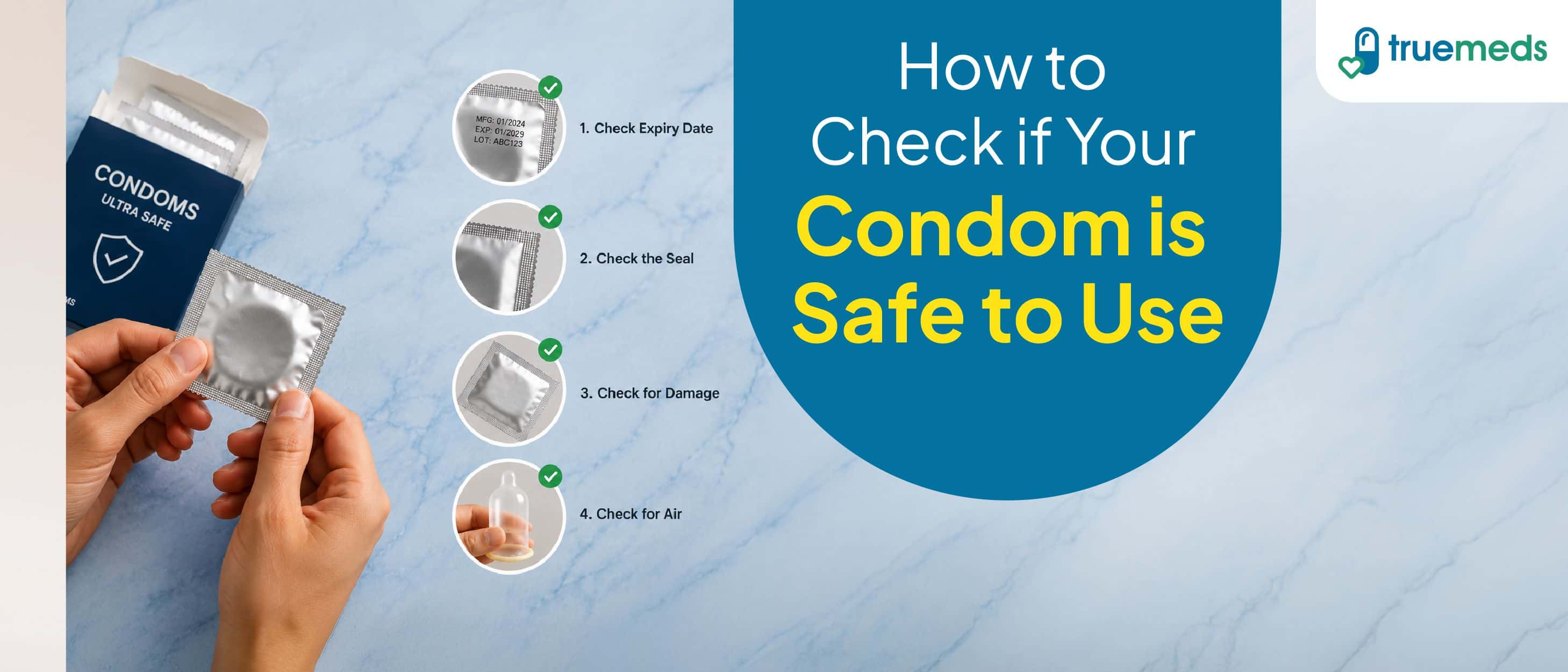
Check the expiry date: Look at the packet before opening it. Do not use a condom if the date has passed[1].
Inspect the packaging: Press the packet gently to check that it contains an air cushion, which may indicate that the wrapper is still sealed. A flat packet with no air cushion may mean the wrapping has been damaged[1].
Open carefully: Tear the packet along the notch using your fingers. Avoid using fingernails, teeth, scissors, or other sharp objects, as these can nick the condom[1].
Look for visible damage: A condom that appears brittle, sticky, or discoloured may have deteriorated and should not be used[2].
Use a new condom every time: A fresh, in-date condom should be used for each act of sex, from start to finish[1].
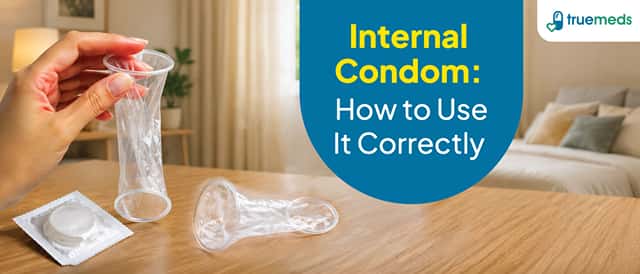
For internal (female) condoms specifically, it is important to insert the condom before sex begins, keep the outer ring outside the vagina, and guide the penis carefully into the condom[3].
Where Can You Find the Expiry Date on a Condom?
The answer to the question "Does a condom have an expiry date?" is yes, and the date is printed directly on the packaging.
Where to look: The expiry date is usually printed on the outer packet or on the foil wrapper of the individual condom. It may appear on a flat edge of the packet or along the back strip[1].
Manufacturing date versus expiry date: Some condom packets print both a manufacturing date and an expiry date. If both dates are visible, the expiry date is the one that tells you whether the condom is still in date for use[4]. Manufacturers are required to establish the shelf life of their products before they are placed on the market, so the printed date reflects tested product stability[5].
If the date is missing or unreadable: If the wrapper is damaged, the text is rubbed off, or you cannot clearly read the date, the safer choice is to discard that condom and use a new one[1]. Using a condom when you cannot confirm it is in-date is not advisable.
Why the packaging matters: The packet protects the condom from air, light, and moisture. A damaged packet can expose the condom to conditions that reduce its quality, even before the expiry date is reached. Always check that the foil or plastic wrapper is intact and undamaged before use[1].
Common Storage Mistakes That Can Damage Condoms
A condom can deteriorate well before its printed expiry date if it is stored incorrectly. The following are common storage mistakes to avoid:
Heat and sunlight: Condoms should be kept in a well-ventilated place, away from direct sunlight and other heat sources. Higher temperatures can accelerate material deterioration[6]. Leaving condoms in a parked car, near a window, or next to a heating appliance are common mistakes that may reduce their reliability before the expiry date arrives.
Wallet and pocket storage: Carrying condoms in a wallet for long periods is not advisable[2]. Constant body heat, friction, and pressure from sitting on a wallet can wear down the packet and the condom inside it. Tight pockets create similar problems.
Humidity and moisture: Storing condoms in humid environments, such as a bathroom cabinet near the shower, can also affect the material over time. Prolonged exposure to warm, humid conditions may contribute to deterioration over time[6].
Signs of a damaged condom: If a condom appears brittle, sticky, or discoloured when you open the packet, or if the packet itself is torn, punctured, or crushed, the condom should not be used[2]. These are signs that the product may fail during use.
Safe home storage: A bedside drawer or a cupboard that stays cool and dry is generally a more suitable storage location than a wallet, car, or bathroom shelf[2].
What Happens If You Accidentally Use an Expired Condom?
Using an expired condom may increase the risk of breakage and reduce its effectiveness as a barrier method. If a condom breaks during sex, the recommended step is to stop immediately, remove it carefully, and put on a new condom[7].
If pregnancy is a concern: Emergency contraceptive pills (ECPs) are most effective when taken as soon as possible after condom failure, though some types remain effective up to 5 days. Alternatively, a copper intrauterine device (IUD) placed by a healthcare provider within 5 days is a highly effective emergency contraceptive option[8]. Consult a doctor or pharmacist promptly to determine the best choice.
A healthcare provider should be consulted promptly to discuss which option is appropriate. Treatment must be determined by a healthcare provider.
If HIV exposure is a concern: Potential HIV exposure following condom failure should be treated as a medical emergency. Rapid evaluation for post-exposure prophylaxis (PEP) is recommended within 72 hours of exposure[9]. Delaying beyond this window may reduce the option's effectiveness, so seeking care quickly is important.
If an STI is a concern: Many sexually transmitted infections have no immediate symptoms. A clinician can advise on appropriate testing, which may involve urine, blood, or swab samples depending on the type of exposure[10]. Professional diagnosis is essential; do not self-diagnose or self-treat.
FAQs
Do all condoms have an expiry date?
Yes. Condoms are sold with an expiry or use-by date printed on the packaging. This date should always be checked before use. A condom without a readable expiry date or with missing packaging should be discarded and replaced with a new one.
How long do condoms usually last?
Shelf life varies by product and manufacturer. Rather than assuming a standard duration for all condoms, the safest approach is to rely on the expiry date printed on the individual packet. Manufacturers are required to establish and print this date before products reach the market.
Can I use a condom after its expiry date?
No. Expired condoms may be less reliable and carry a higher risk of breaking. If a condom is past its expiry date, it should be discarded. Always replace it with a new, in-date condom before use.
Can heat damage condoms?
Yes. Higher temperatures can speed up the deterioration of condom material. Storing condoms in hot places such as a parked car, near windows, or by heating appliances can reduce their reliability, even before the expiry date is reached.
How to identify the expiry date for a condom?
The expiry date is usually printed on the outer packet or on the foil wrapper. If both a manufacturing date and an expiry date are printed, the expiry date is the relevant one. If the date is missing or unreadable, discard the condom.
Can condoms get damaged before they expire?
Yes. A condom that appears brittle, sticky, or discoloured, or one that comes from a torn or crushed packet, may have deteriorated before its expiry date. These are signs the condom could fail during use and should not be used.
Does storage affect expiration?
Yes. Poor storage conditions, including heat, humidity, direct sunlight, and physical pressure, can degrade a condom before it reaches its printed expiry date. Cool, dry, and well-ventilated storage helps preserve condom quality.
How are condom expiration dates tested?
Manufacturers are required to establish and verify the shelf life of condoms before their products are placed on the market. The printed expiry date reflects this tested product stability. Always rely on this date rather than estimating.
Does storing condoms in a wallet affect expiration?
Yes. Carrying condoms in a wallet for long periods is not advisable. Constant body heat, friction, and pressure from sitting can damage the packet and the condom inside, potentially reducing reliability before the expiry date.
Do flavoured or spermicidal condoms expire faster?
Shelf life varies by product type and manufacturer. The printed expiry date on the individual packet is the most reliable guide, regardless of the condom type. Always check the date before use and follow the storage instructions on the packaging.
Medical Disclaimer
This article is for informational purposes only and does not constitute medical advice. The information provided should not be used for diagnosing or treating health conditions. Always consult a qualified healthcare provider for diagnosis, treatment, and personalised medical advice. Do not disregard professional medical advice or delay seeking it because of information found in this article. If you have a medical emergency, contact your doctor or emergency services immediately.
References
National AIDS Control Organisation. (n.d.). Counselor participant handout. Ministry of Health and Family Welfare, Government of India. https://naco.mohfw.gov.in/files/Counselor%20participant%20handout.pdf
National Library of Medicine MedlinePlus. (2025). Condoms. MedlinePlus. https://medlineplus.gov/ency/article/004001.htm
Centers for Disease Control and Prevention (CDC). (2024). Internal Condoms. CDC. https://www.cdc.gov/condom-use/resources/internal.html
U.S. Food and Drug Administration (FDA). (2008). Labeling for natural rubber latex condoms classified under 21 CFR 884.5300—Class II special controls guidance for industry and Food and Drug Administration staff. FDA. https://www.fda.gov/medical-devices/guidance-documents-medical-devices-and-radiation-emitting-products/labeling-natural-rubber-latex-condoms-classified-under-21-cfr-8845300-class-ii-special-controls