
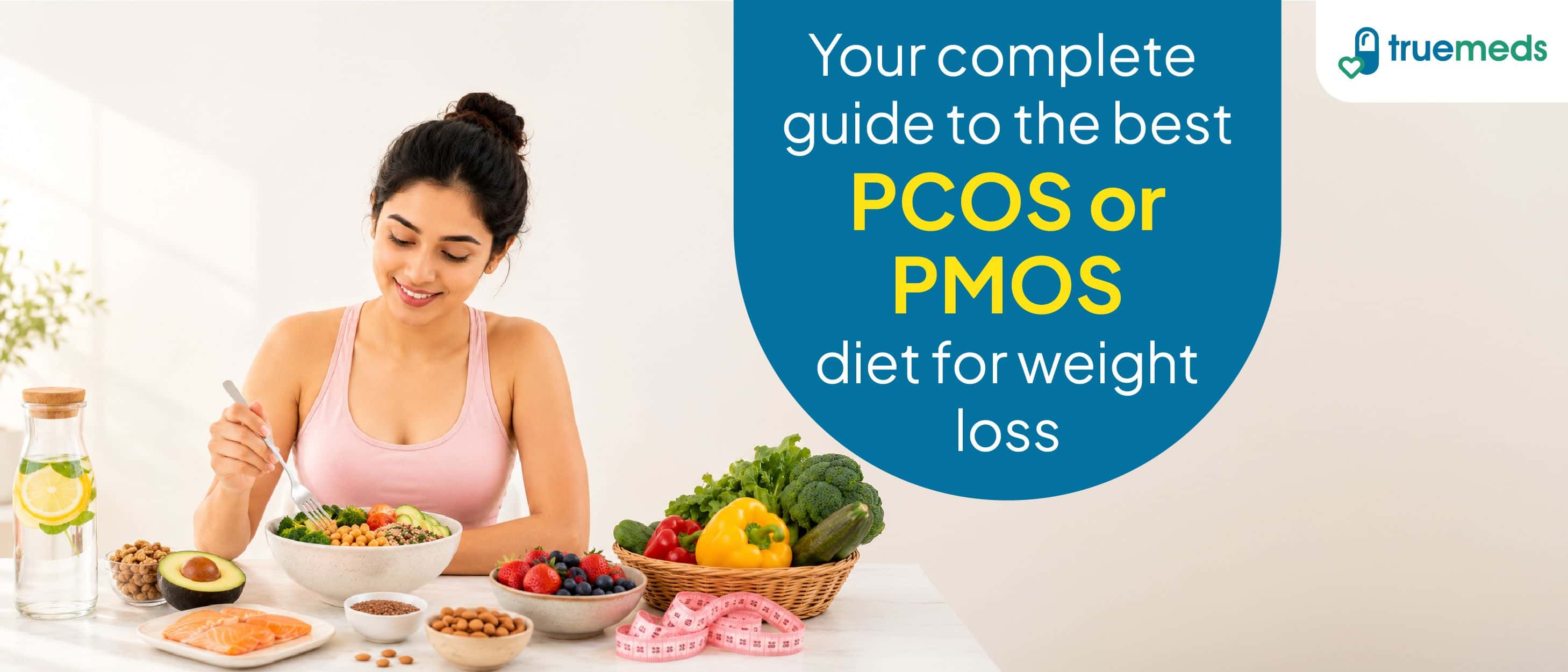
Managing weight with polycystic ovary syndrome (PCOS) can be more challenging than weight loss in people without PCOS, and a well-planned PCOS diet plan can make a real difference. PCOS commonly involves higher androgen levels and insulin resistance, which together make weight gain more likely and weight loss more challenging[1]. PCOS has been renamed as polycystic ovary morphology syndrome (PMOS), and the dietary recommendations and management guidelines remain the same for both terms.
The right food choices may help support blood sugar control, hormonal balance, and long-term metabolic health. This article covers the science behind PCOS and weight, practical diet strategies, the best foods to include, common mistakes to avoid, and when professional support may be needed.
Key Takeaways
- There is no single best diet that works for every woman with PCOS. Individual needs vary.
- A balanced eating pattern that includes adequate protein, fibre, healthy fats, and better-quality carbohydrates is more useful than restrictive or crash dieting.
- Consistency, regular movement, good sleep, and stress management support better outcomes alongside dietary changes.
- Some women may need medical treatment and regular follow-up in addition to lifestyle changes. Seeking professional guidance is always a good step.
Why is Weight Loss More Challenging With PCOS?
Weight loss with PCOS is not simply about eating less. Several overlapping factors make it harder than usual.
Insulin resistance is one of the main reasons. When the body does not respond well to insulin, blood sugar and blood fat levels may rise. Managing this through healthy eating, physical activity, and sleep is central to improving the condition[2].
Hormonal imbalance also plays a role. Higher androgen levels associated with PCOS can affect fat distribution, metabolism, and appetite regulation.
Increased cravings and a slower metabolism can make it tempting to try extreme restriction. However, a systematic review found that lifestyle treatment works best when diet, physical activity, and behavioural support are combined, rather than following a one-size-fits-all restrictive plan[3]. This helps explain why crash dieting is usually ineffective for long-term PCOS management.
Understanding these challenges can help you build a more effective and realistic approach.
Building a PCOS Diet Plan That Fits your Everyday Routine
A sustainable PCOS diet plan does not need to be complicated. Practical methods that you can follow day to day tend to work better than short-term strict plans. Keep the following points in mind:
The plate method is a simple way to balance each meal. It suggests filling half your plate with non-starchy vegetables, one quarter with protein, and one quarter with starchy food[4]. This naturally supports portion control without the need for detailed calorie counting.
Protein is especially important. Healthy adults generally need around 10%-35% of total daily calories from protein, which can come from both animal and plant sources, including eggs, fish, milk, soy, beans, lentils, nuts, and seeds[5].
Fibre and healthy fats round out a balanced plate. Including fibre-rich vegetables, legumes, and whole grains alongside sources of healthy fats such as nuts and seeds can help keep you full and support steadier blood sugar throughout the day[3].
Meal timing and consistency also matter. Aiming for regular meals rather than skipping or eating at random times can help the body manage blood sugar more evenly.
Best Foods for PCOS Weight Loss and Why They Work
Choosing the right foods can directly support hormonal health, insulin sensitivity, and satiety. Here is what the evidence suggests:
Protein-Rich Foods That Keep You Full Longer
A study found that higher protein intake was associated with improved cardiometabolic and reproductive hormone outcomes in women with PCOS[6]. Good protein sources include eggs, fish, chicken, dairy products, tofu, soy milk, legumes, and nuts[5].
High-Fibre Foods That Support Blood Sugar Balance
Dietary fibre slows glucose absorption and supports digestive health. Eating at least 25 g of dietary fibre daily is recommended by global health authorities[7]. High-fibre sources include vegetables (broccoli, spinach, and carrots), legumes (lentils and chickpeas), whole grains (oats and brown rice), and fruits (apples, berries, and oranges)[3].
Healthy Fats That Support Hormonal Health
Evidence supports omega-3-rich and Mediterranean-style eating patterns for PCOS, as they may improve insulin sensitivity and hormonal balance. Foods rich in healthy fats include oily fish (such as salmon, mackerel, sardines, and trout), nuts, seeds (such as flaxseed and chia), and walnuts[3].
Inositol supplements are also used alongside dietary and lifestyle approaches for PCOS and may be worth discussing with a healthcare provider to determine whether they are appropriate based on individual needs and health factors.
Choosing the Right Carbohydrates for Steady Energy
Not all carbohydrates affect the body equally. Choosing carbohydrates mainly from whole grains, vegetables, fruits, and pulses is recommended because these have a lower effect on blood sugar than refined options[7].
Fruits and Vegetables to Include Regularly
Eating at least 400 grams of fruits and vegetables daily is a broadly supported health recommendation[7]. Including non-starchy vegetables such as cucumber, spinach, broccoli, lettuce, cabbage, and bell peppers is particularly useful because they add volume and nutrients with less impact on blood sugar[4].
Foods and Drinks to Limit or Avoid with PMOS
Common Diet Mistakes That Can Slow PCOS Weight Loss
Some habits may feel helpful but can actually work against your goals. The following patterns are best avoided:
Skipping meals: This can increase cravings and make blood sugar harder to manage.
Crash dieting or very low calorie plans: Overly restrictive diets are difficult to maintain and may not address the underlying hormonal factors in PCOS[3].
Drinking sugary beverages regularly: Sugary drinks contain significant amounts of refined sugar and offer little nutritional value[7].
Relying on processed "healthy" snacks: Many packaged foods marketed as healthy contain refined grains or added sugars[7].
Eating too little protein: Insufficient protein can reduce satiety and make it harder to maintain muscle, especially when trying to lose weight[6].
Following fad diets: Highly restrictive or elimination-based diets are not supported as the most effective approach for PCOS[3].
A varied, balanced, and minimally processed diet tends to support better outcomes over time[7].
Sample One-Day PCOS Diet Plan for Weight Loss
The following sample meal plan illustrates how these principles can be applied. Each meal includes a protein source, a fibre source, and a quality carbohydrate to support satiety and steadier blood sugar.
Meal | Example |
|---|---|
Breakfast | Vegetable oats upma with added nuts and a boiled egg or paneer |
Mid-Morning Snack | A small handful of mixed nuts with a piece of seasonal fruit |
Lunch | Brown rice or roti with dal, a vegetable sabzi, and curd |
Evening Snack | Roasted chana or a small bowl of sprouts with lemon |
Dinner | Grilled fish or tofu with a salad and lentil soup |
Water is the best drink throughout the day. It is best to avoid sugary beverages and packaged juices[4].
Small Lifestyle Changes That Can Improve Your Diet Results
Diet alone works best when combined with other healthy habits. Helpful lifestyle habits include:
Daily movement: Adults are recommended to engage in at least 150 minutes of moderate-intensity physical activity each week, as regular activity supports weight management and metabolic health[8].
Sleep quality: Poor sleep is associated with greater insulin resistance and increased appetite. Prioritising regular, adequate sleep supports the benefits of dietary changes[2].
Stress management: Chronic stress can affect hormones and eating behaviour. Relaxation practices, gentle movement, and social support may help manage stress[3].
Hydration: Drinking enough water throughout the day supports hydration and may help with appetite regulation[4].
Meal consistency: Eating at regular times, as consistently as possible, helps the body maintain more stable blood sugar across the day[4].
When Diet Alone May Not Be Enough
Diet and lifestyle changes are a strong foundation, but they are not always sufficient on their own. Some women with PCOS may need additional support. Even modest weight loss (5-10%) can meaningfully improve PCOS symptoms, but some women may also require medicines such as metformin or fertility treatment alongside nutrition and exercise[1]. Treatment must be determined by a healthcare provider.
A study found significant metabolic and psychological comorbidity among women with PCOS, highlighting the importance of individualised treatment plans and regular clinical follow-up rather than diet advice alone[9].
It is also worth noting that intermittent fasting is not currently recommended as a default approach for PCOS. A recent analysis found it was not clearly effective for improving body weight, blood sugar control, or lipid metabolism in women with PCOS[10].
If your symptoms, weight, or periods are not improving with dietary changes alone, consulting a doctor or registered dietitian is the recommended next step.
FAQs
Can a PCOS diet help regulate irregular periods?
Dietary and lifestyle changes may support hormonal and reproductive health in women with PCOS. Some women may also need medical treatment to achieve menstrual regularity. A combined approach involving nutrition, exercise, and clinical guidance tends to offer the best outcomes.
Do all women with PCOS need to lose weight?
Not necessarily. Weight-loss focus is most relevant when excess weight is present and contributing to symptoms. For all women with PCOS, a balanced diet and reducing metabolic risk through healthy eating and activity remain important regardless of body weight.
Is intermittent fasting recommended for PCOS weight loss?
No single eating pattern is clearly superior for PCOS. Evidence is insufficient to recommend intermittent fasting as a routine approach; while it may suit some individuals under professional guidance, it has not consistently shown greater benefits than other balanced eating patterns.
Can vegetarians follow a healthy PCOS diet plan?
Yes. A vegetarian PCOS diet can work well with adequate planning. Good plant-based protein sources include lentils, chickpeas, rajma, tofu, soy milk, paneer, curd, nuts, and seeds. Including a variety of these daily helps meet protein and nutrient needs.
How long does it take to see results from a PCOS diet?
This varies between individuals and depends on consistency, severity of insulin resistance, and whether additional medical treatment is needed. Small improvements in energy, mood, and blood sugar may appear sooner, while hormonal and weight changes may take longer with steady effort.
Can I eat rice if I have PCOS?
Rice can be included in a balanced PCOS diet, especially brown rice, which has more fibre than white rice. Pairing rice with protein and vegetables, as the plate method suggests, may help reduce its impact on blood sugar.
How much protein should I aim to eat each day if I have PCOS?
Healthy adults generally need around 10 to 35% of their total daily calories from protein. Good sources include eggs, fish, chicken, dairy, legumes, and soy. A dietitian can help you calculate a more specific target based on your individual needs.
What foods should be avoided in a PMOS diet?
Limit refined carbohydrates, sugary drinks, fried and processed snacks, and excess red or processed meat. Alcohol should also be limited, as these foods and drinks may affect blood sugar, inflammation, or cardiometabolic health.
Medical Disclaimer
This article is for informational purposes only and does not constitute medical advice. The information provided should not be used for diagnosing or treating health conditions. Always consult a qualified healthcare provider for diagnosis, treatment, and personalised medical advice. Do not disregard professional medical advice or delay seeking it because of information found in this article. If you have a medical emergency, contact your doctor or emergency services immediately.
References
NLM MedlinePlus. (2026). Polycystic ovary syndrome. MedlinePlus. https://medlineplus.gov/ency/article/000369.htm
NIDDK/NIH. (2025). Insulin resistance & prediabetes. National Institute of Diabetes and Digestive and Kidney Diseases. https://www.niddk.nih.gov/health-information/diabetes/overview/what-is-diabetes/prediabetes-insulin-resistance
Gautam, R., Maan, P., Jyoti, A., Kumar, A., Malhotra, N., & Arora, T. (2025). The Role of Lifestyle Interventions in PCOS Management: A Systematic Review. Nutrients, 17(2), 310. https://doi.org/10.3390/nu17020310
NLM MedlinePlus. (2024). Diabetes type 2 - meal planning. MedlinePlus. https://medlineplus.gov/ency/article/007429.htm