Key Takeaways
- Brazil nuts are rich in selenium, which supports normal thyroid function, immune function and antioxidant enzyme activity.
- Brazil nuts are extremely high in selenium, so eating them in large amounts can lead to selenium toxicity.
- Selenium content varies between nuts, so avoid eating large amounts regularly, especially if you take selenium supplements.
- Selenium is essential for normal thyroid function and antioxidant enzyme activity, but additional selenium has not been shown to prevent thyroid disease, heart disease or cancer.
- Excessive selenium intake can cause garlic-like breath, nausea, diarrhoea, hair loss and brittle nails.
- People with tree nut allergies should avoid Brazil nuts. Whole Brazil nuts may also pose a choking risk to young children.
- Brazil nuts can be part of a balanced diet, but they do not replace prescribed medicines. Continue taking thyroid and other medicines as directed by your healthcare professional.
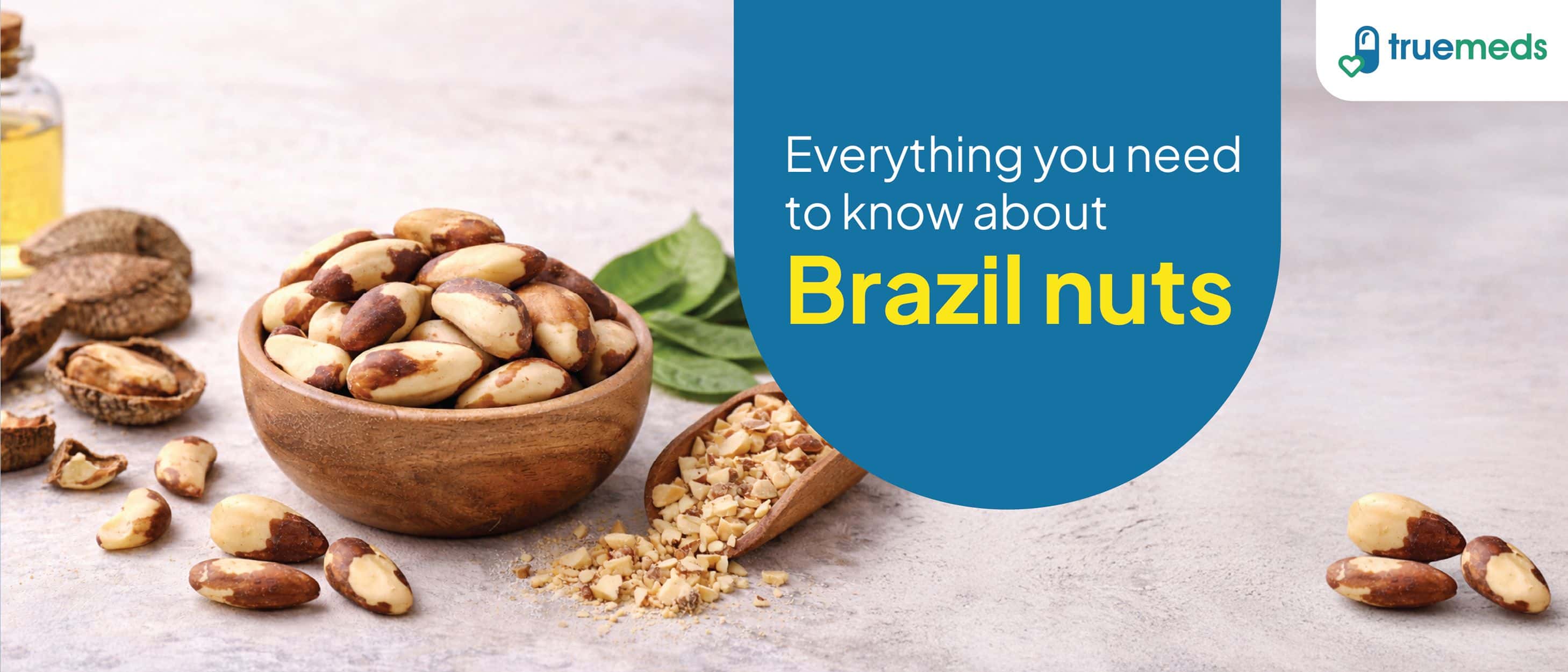
Brazil nuts are a nutritional powerhouse, packed with essential nutrients and offering numerous health benefits[1]. These delectable nuts are an excellent source of selenium, a crucial mineral that supports thyroid function and boosts immune system health[1].
Brazil nuts provide healthy fats, protein, fibre and antioxidants that support overall nutritional quality and may help maintain general health[2]. Their antioxidant content, particularly selenium, may support the body’s antioxidant defences and help reduce oxidative stress, a process that has been linked to chronic diseases, including cancer.
However, evidence linking Brazil nuts or selenium intake directly to cancer prevention is inconsistent, and results from selenium supplementation trials have been mixed. As such, Brazil nuts should be viewed as a nutritious food that contributes to overall well-being when included in a balanced diet, rather than as a proven strategy for reducing cancer risk[2].
What are Brazil Nuts?
Brazil nuts, native to the lush Amazon rainforest, are primarily found in Brazil, Bolivia, and Peru. These nuts are harvested from the majestic evergreen tree known as Bertholletia excelsa. Renowned for their smooth, buttery texture and distinctive nutty flavour, Brazil nuts are commonly enjoyed raw or blanched[2]. Their exceptional nutritional profile sets them apart as a popular snack and a valuable addition to various dietary regimens.
Nutritional Profile of Brazil Nuts
Brazil nuts are a treasure trove of essential nutrients, each contributing to their remarkable health benefits. A single serving of approximately 28 grams, which equates to about 6-8 nuts, offers an impressive array of vitamins, minerals, and healthy fats. The table below provides a detailed breakdown of the key nutrients found in Brazil nuts[3]:
Note: Individual fatty acid values are rounded and may not add up exactly to the total fat value due to standard rounding practices in nutritional databases.
Health Benefits of Brazil Nuts
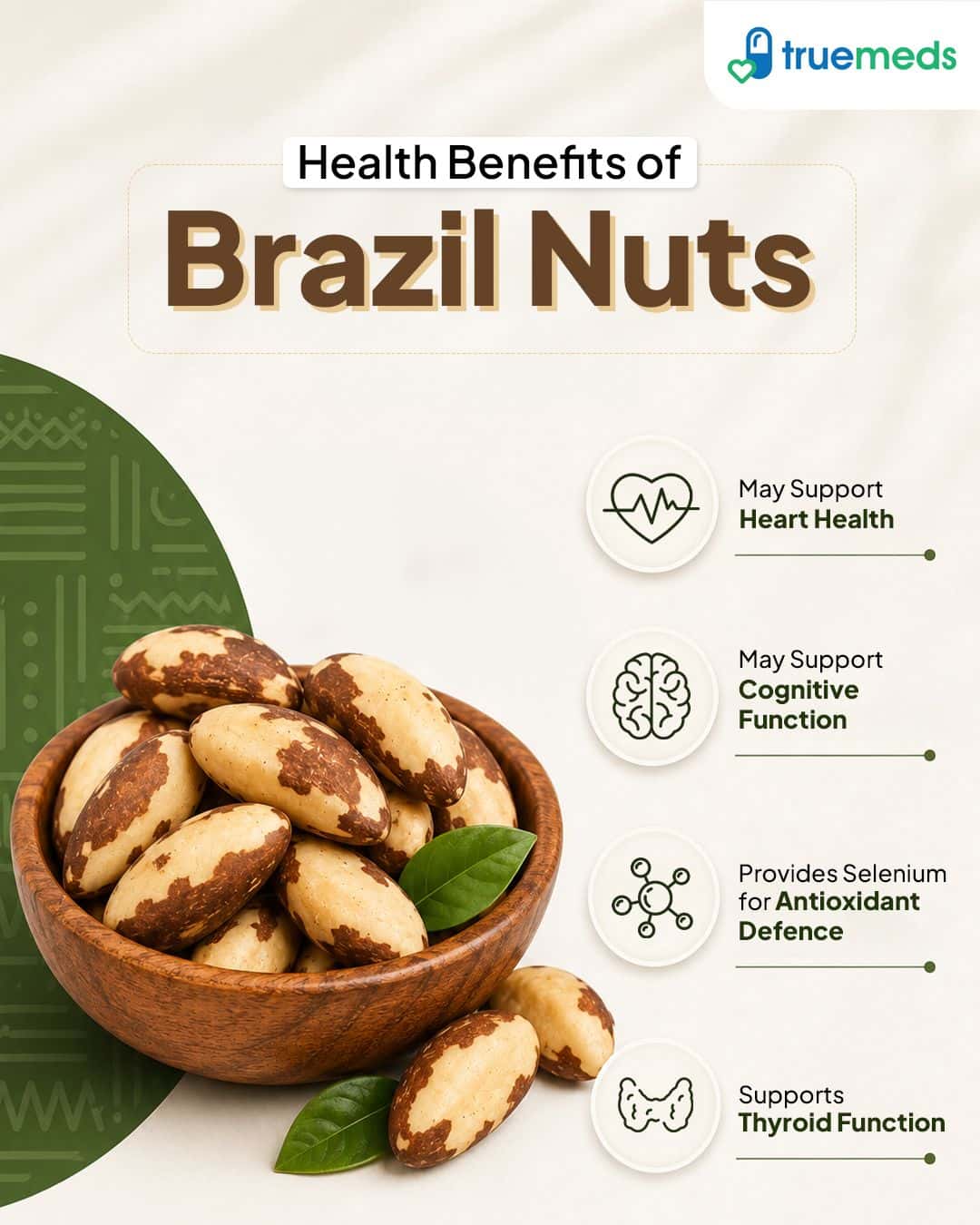
Brazil nuts offer ample health benefits owing to their rich nutrient profile.
- These nuts are particularly renowned for their high selenium content, which may play a crucial role in supporting thyroid function and boosting immune health[1].
- Brazil nuts contain healthy fats and potent antioxidants that contribute to overall wellness[3].
- Consuming just a few Brazil nuts can provide the daily recommended intake of selenium and may support the body's antioxidant defences, which are linked to overall health[1].
Let's take a closer look at some additional Brazil nut benefits.
Benefits of Brazil Nuts for Heart Health
Brazil nuts may contribute to cardiovascular health as part of a balanced diet. They provide unsaturated fats, dietary fibre, selenium and antioxidants, which observational and small clinical studies have associated with reduced oxidative stress and inflammation, both of which are linked to heart disease risk. These nutrients are generally considered supportive of heart health, particularly when consumed as part of an overall healthy eating pattern.
However, direct causal evidence remains limited, and current research does not consistently show that Brazil nuts alone lower total cholesterol, LDL (“bad”) cholesterol, triglycerides, or significantly raise HDL (“good”) cholesterol.
As such, any potential cardiovascular benefits should be viewed as part of a broader dietary and lifestyle approach rather than as a standalone solution for heart disease prevention[4].
Consult your doctor before making significant dietary changes for heart health.
Brazil Nut Benefits for Cognitive Function
Brazil nuts contain selenium, an essential micronutrient that supports brain health through its antioxidant role in protecting nerve cells from oxidative stress. Observational and experimental studies suggest that adequate selenium intake may be associated with a lower risk of neurodegenerative conditions such as Alzheimer’s and Parkinson's[5].
Brazil nuts also provide ellagic acid, a polyphenol with anti-inflammatory properties that may offer neuroprotective support and help maintain cognitive function as part of a healthy diet.
However, while selenium in Brazil nuts may contribute to brain health, direct evidence demonstrating measurable cognitive improvement from consuming Brazil nuts alone remains limited. Any potential benefits are best understood within the context of overall dietary patterns and adequate nutrient intake rather than as a single food-based intervention.
Antioxidant Power of Brazil Nuts
Brazil nuts are rich in antioxidants, particularly selenium, vitamin E, and phenolic compounds such as gallic and ellagic acid[2].
- These antioxidants play a vital role in protecting your cells from oxidative damage (an imbalance of free radicals and antioxidants in your body that leads to cell damage) by neutralising free radicals, thereby reducing oxidative stress and inflammation in the body[2].
- Selenium, in particular, may enhance the activity of glutathione peroxidase, an enzyme that helps mitigate oxidative stress, which is linked to various chronic health conditions[1].
By incorporating Brazil nuts into your diet, you can boost your antioxidant intake and support overall well-being.
Brazil Nut Benefits for Thyroid
The thyroid gland contains more selenium than any other organ in the body. Selenium-containing enzymes help convert the thyroid hormone T4 into its active form, T3, and protect thyroid cells from oxidative damage during hormone production[6]. But more is not better:
- Most people who eat a varied diet get enough selenium. For those with adequate selenium intake, additional selenium from Brazil nuts has not been shown to prevent thyroid disorders.
- In autoimmune thyroid disease (Hashimoto’s), some trials of selenium supplements show lower thyroid antibody levels, but the clinical benefits remain uncertain, and routine supplementation is not generally recommended without medical advice.
- Brazil nuts do not replace thyroid medicines such as levothyroxine. If you have a thyroid condition, keep taking your medicines as prescribed and ask your doctor before using selenium supplements or eating Brazil nuts regularly.
How to Incorporate Brazil Nuts into Your Diet
There are several delicious and nutritious ways in which you can include Brazil nuts in your daily meals:
- Snacking: Enjoy a handful of Brazil nuts as a healthy snack to boost your antioxidant intake and satisfy your hunger between meals.
- Salads: Add chopped Brazil nuts to your favourite salads for a crunchy texture and an extra dose of nutrients.
- Baked Goods: Incorporate Brazil nuts into homemade cakes, cookies, or granola bars for added flavour and nutrition.
- Smoothie: Brazil nuts make wholesome additions to smoothies. Blend them with your favourites to reap their benefits.
Try this quick recipe and enjoy Brazil nuts nutrition in a smoothie:
Ingredients:
- 1–2 Brazil nuts
- 1 ripe banana
- 1 cup milk (dairy or plant-based)
- 1 teaspoon honey or maple syrup (optional)
- Pinch of cinnamon (optional)
Instructions: Blend all ingredients until smooth. Enjoy immediately for a creamy, selenium-rich breakfast or mid-day drink that supports heart and thyroid health[6].
Side Effects of Brazil Nuts
While Brazil nuts offer numerous health benefits, it is essential to be aware of the potential side effects associated with their consumption, particularly when eaten in excess[7]. The most significant concern is selenium toxicity, also known as selenosis, due to the exceptionally high selenium content in Brazil nuts[1]. Consuming just one or two Brazil nuts can provide more than the recommended daily intake of selenium, and eating large amounts regularly may lead to adverse effects[7], such as:
- Bad breath
- Diarrhoea
- Nausea
- Brittle hair and nails
- Skin rashes
- Joint pain
- Irritability
- Tiredness
- Dizziness
In severe cases, extreme selenium toxicity, usually from supplements or unusually high consumption, can cause severe effects sometimes resulting in kidney failure, heart attack, or heart failure[8]. Additionally, Brazil nuts are tree nuts and can trigger allergic reactions in susceptible individuals, ranging from mild symptoms like itching and swelling to severe, life-threatening anaphylaxis[1]. To minimise the risk of these side effects, it is recommended to limit Brazil nut consumption to one or two nuts per day.
Consult your doctor before making significant dietary changes for health.
Who Should Limit or Avoid Brazil Nuts?
FAQs
What are the health benefits of Brazil nuts?
Brazil nuts are known for their high selenium content, along with healthy fats and antioxidants. These nutrients may support normal thyroid function, contribute to heart health, and help with metabolic balance. As they are very nutrient-dense, they’re best enjoyed in moderation as part of a balanced diet.
How many Brazil nuts should I eat per day?
To avoid selenium toxicity, it is recommended to limit your daily consumption of Brazil nuts to just 1–2 nuts per day.
Can Brazil nuts help with thyroid function?
Yes, the high selenium content in Brazil nuts may support healthy thyroid function and potentially reduce the risk of developing thyroid diseases.
Are there any risks of eating too many Brazil nuts?
Excessive consumption of Brazil nuts may lead to selenium toxicity owing to the high levels of selenium present in these nuts.
Can Brazil nuts help with cognitive function?
Brazil nuts contain selenium and antioxidants, which are important for overall brain and nerve health. Studies conducted on the ‘Effects of Selenium Supplementation in Patients with Mild Cognitive Impairment’ suggest these nutrients may support cognitive function by helping reduce oxidative stress, but direct evidence linking Brazil nuts alone to clear cognitive benefits is still limited.
Are Brazil nuts good for heart health?
Brazil nuts are often associated with heart health because they contain monounsaturated fats, fibre, and selenium. These nutrients may help support healthy cholesterol levels and overall cardiovascular function when eaten in moderation as part of a balanced diet.
Is it safe to eat Brazil nuts during pregnancy?
Brazil nuts can be included in moderation during pregnancy as part of a balanced diet. However, because they are very high in selenium, avoid eating them in large amounts. Consult your doctor before consuming Brazil nuts regularly or taking selenium supplements.
Medical Disclaimer
This article is for informational purposes only and does not constitute medical advice. The information provided should not be used for diagnosing or treating health conditions. Always consult a qualified healthcare provider for diagnosis, treatment, and personalised medical advice. Do not disregard professional medical advice or delay seeking it because of information found in this article. If you have a medical emergency, contact your doctor or emergency services immediately.
References
National Institutes of Health Office of Dietary Supplements. (2026, January 26). Selenium - Health Professional Fact Sheet. National Institutes of Health. https://ods.od.nih.gov/factsheets/Selenium-HealthProfessional/
Takeda, L. N., Omine, A., Laurindo, L. F., Araújo, A. C., Machado, N. M., Dias, J. A., Kavalakatt, J., Banerjee, S., De Alvares Goulart, R., Atanasov, A. G., Bishayee, A., & Barbalho, S. M. (2025). Brazil nut (Bertholletia excelsa Bonpl.) in health and disease: A narrative review. Food Chemistry, 477, 143425. https://doi.org/10.1016/j.foodchem.2025.143425
Nuthealth.org. (n.d.). Brazil Nuts. https://nuthealth.org/nut-facts/brazil-nuts/
Colpo, E., Vilanova, C. D., Brenner Reetz, L. G., Medeiros Frescura Duarte, M. M., Farias, I. L., Irineu Müller, E., Muller, A. L., Moraes Silva, R., Viero Farina, E., Unfer, T., & Burmeister Gomes, L. (2013, March). A single consumption of high amounts of the Brazil nuts improves lipid profile of healthy volunteers. PubMed Central. https://pmc.ncbi.nlm.nih.gov/articles/PMC3693158/