

- Medicines
- Personal Care
- Skin Cream
- Sunscreen
- Face Wash
- Skin and Body Soap
- Acne Care
- Body Lotions
- Moisturising Lotion
- Moisturising Cream
- Mosquito Repellent
- Moisturising Gel
- Body Wash
- Hair Oils
- Hair Shampoo
- Hair Conditioners
- Hair Supplements
- Hair Colour
- Hair Serum
- Hair Mask
- Hair Solutions
- Baby Diapers and Wipes
- Baby Lotion and Moisturising Cream
- Baby Bath Essentials
- Baby Skin Care
- Baby and Infant Food
- Baby Healthcare
- Women Multivitamins
- Ovulation Test Kit and Women Intimate Care
- Sanitary Pads
- Nutritional Drinks
- Condoms
- Lubricants
- Massage Gels
- Personal Body Massagers
- Men Performance Booster
- Sexual Health Supplements
- Massage Oils
- Ayurveda
- Tooth Paste
- Mouth Ulcer Gel
- Mouthwash
- Toothache and Gum Pain
- Tooth Brush
- Gargle Solution
- Orthopaedic Supports
- Adult Diapers
- Footwear
- Mobility and Support Accessories
- Urinary Support and Care
- Health Conditions
- Bone and Joint Care
- Digestive Care
- Eye Care
- Pain Relief
- Smoking Cessation
- Liver Care
- Stomach Care
- Cold and Cough
- Heart Care
- Kidney Care
- Piles, Fissures & Fistula
- Respiratory Care
- Mental Wellness
- Derma Care
- Pre and Probiotics
- Acidity
- Gas
- Constipation
- Loose Motion/Diarrhoea
- Digestive Fibres
- Digestive Enzymes
- Eye Lubricant Drops
- Lens Solution
- Safety Eye Wear
- Eye Cream
- Eye Vitamins and Supplements
- Eye Drops
- Eye Ointment and Gel
- Nicotine Patch
- Nicotine Gum
- Nicotine Lozenges
- Cough Syrups
- Chest Rubs and Balms
- Nasal Spray
- Lozenges
- Inhalant Capsules
- Cold and Cough Tablets
- Vitamins & Supplements
- Diabetes Care
- Healthcare Devices
- Homeopathic Medicine
- Health Guide
Complex regional pain syndrome
Complex regional pain syndrome (CRPS) is a chronic pain condition that primarily affects the limbs after an injury, surgery, or other medical events. The exact cause of CRPS is not fully understood, but it is believed to be associated with abnormalities in the nervous and immune systems. Early diagnosis and treatment are crucial for improving symptoms and preventing long-term complications.
 50
50Last updated on : 23 Apr, 2026
Read time : 13 mins
Overview of Disease
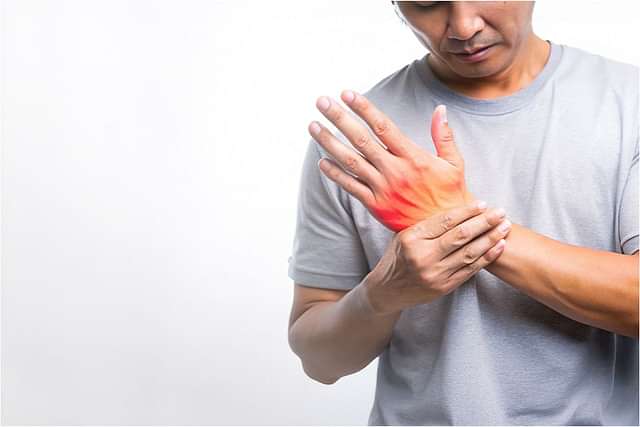
Complex regional pain syndrome (CRPS), also known as reflex sympathetic dystrophy, is a debilitating chronic pain condition that typically affects a limb after an injury, surgery, or other medical event. It is characterised by severe, persistent pain and inflammation that is often disproportionate to the severity of the initial injury. CRPS can have a significant impact on an individual's quality of life, causing physical, emotional, and social difficulties. Understanding the symptoms, causes, and available treatment options is essential for those affected by this condition and their loved ones.
What is Complex Regional Pain Syndrome (CRPS)?
CRPS is a chronic pain condition that usually develops after an injury, surgery, or other medical event, such as a stroke or heart attack. It is characterised by severe, burning pain that is often out of proportion to the severity of the initial injury. CRPS can affect any limb, but most commonly affects the arms, legs, hands, or feet. The exact cause of CRPS is not fully understood, but it is believed to involve abnormalities in the nervous and immune systems, leading to inflammation, pain, and other symptoms. Early diagnosis and treatment are essential for managing symptoms and preventing long-term complications associated with CRPS (Guthmiller et al., 2025).
Key Factors about Complex regional pain syndrome
| Category | Details |
| Also Referred as |
|
| Commonly Occurs In |
|
| Affected Organ |
|
| Type |
|
| Common Signs |
|
| Consulting Specialist |
|
| Treatment Procedures |
|
| Managed By |
|
Symptoms of Complex regional pain syndrome
The symptoms of CRPS can vary among individuals but typically include:
Pain: Continuous burning, throbbing, or stabbing pain in the affected limb, which is often disproportionate to the severity of the initial injury.
Sensitivity: Heightened sensitivity to touch, pressure, or temperature changes, causing increased pain with light contact or normal physical activities.
Swelling and temperature changes: Swelling of the affected area, accompanied by fluctuations in skin temperature (warmth or coolness) and sweating.
Skin changes: Alterations in skin colour (ranging from white and mottled to red or blue) and texture (becoming thin, shiny, or tender).
Hair and nail changes: Changes in hair and nail growth patterns on the affected limb.
Joint and muscle symptoms: Stiffness, swelling, and damage to joints, as well as muscle spasms, tremors, and weakness (atrophy).
Mobility issues: Reduced ability to move the affected limb, potentially leading to contractures and permanent damage if left untreated.
Causes of Complex regional pain syndrome
CRPS is a multifaceted condition with several potential triggers and underlying mechanisms, though the exact cause is not fully understood. Nerve injury, particularly damage to the smallest sensory and autonomic nerve fibres, is a common trigger for CRPS. These fibres transmit pain, itch, and temperature sensations and control small blood vessels and the health of surrounding cells.
Other potential causes include:
- Prolonged immobilisation, such as casting to heal a broken bone, can lead to increased pain sensitivity, oedema, and temperature changes in the affected limb.
- CRPS may show a “warm” phase (vasodilation, erythema) early and a “cold” phase (vasoconstriction, cool skin) later in some patients; autonomic dysfunction varies between patients and over time (Guthmiller et al., 2025).
- Heightened inflammation, with increased levels of inflammatory cytokines and pain-enhancing substances in the nerves.
- Genetic predisposition, which may influence the risk of developing CRPS after an injury, particularly in those with variations affecting the immune system and inflammation.
- Psychological factors like stress, anxiety, depression, and anger, which can exacerbate CRPS symptoms, though their role in initiation is less clear.
Risk Factors
CRPS can affect a wide range of individuals, regardless of age or gender, although some groups are more commonly affected.
1. Demographics
CRPS tends to be more common in women than men, with women being three times more likely to be affected.
It can occur at any age, including children, although it is rare in children under the age of 10.
In adults, the most commonly affected limb is the arm, while in children, it is more often the leg.
2. Age distribution
CRPS can affect people of all ages, with a peak incidence around the age of 40. It is less common in the elderly.
3. Ethnicity
CRPS occurs most frequently in people of European ancestry, affecting about 66 to 80 percent of cases in this population.
4. Prevalence
The exact prevalence of CRPS is difficult to determine owing to potential underdiagnosis or misdiagnosis, but it is estimated to affect nearly 200,000 patients annually in the United States.
Complications
In addition to its debilitating symptoms, complex regional pain syndrome can lead to various complications that significantly impact quality of life and functionality of the affected limb. The most prominent complication is chronic, intense pain that is disproportionate to the initial injury. This persistent pain can cause sufferers to limit use of the affected limb, leading to stiffness, decreased range of motion, and potential long-term disability.
CRPS can also cause visible changes in the skin, including:
Alterations in skin temperature, with the affected area feeling warmer or cooler compared to the opposite limb
Variations in skin colour, often appearing red, blotchy, pale, or bluish
Textural changes like shiny, thin, or sweaty skin
Swelling of the affected limb
Prevention of Complex regional pain syndrome
Preventing CRPS is challenging due to the unclear causes of the condition, but several strategies can reduce the risk or severity of CRPS.
1. Risk factor management
- Smoking cessation: Smoking is a risk factor for CRPS, so quitting smoking may help prevent the condition from developing.
- Physical activity: Engaging in physical activity or physical therapy after an injury or surgery can help maintain blood flow and reduce the risk of CRPS.
2. Post-injury and post-surgery care
- Proper cast management: Ensuring that casts are not too tight and addressing any pain immediately can prevent nerve damage and subsequent CRPS.
- Minimally invasive procedures: Opting for more minimally invasive surgical procedures over longer, more invasive ones may reduce the risk of CRPS.
3. Pharmacological interventions
- Vitamin C: Some randomised trials and meta-analyses indicate that 500 mg of vitamin C daily for approximately 50 days after wrist fracture may reduce CRPS-I risk, but recommendations vary, and clinicians should interpret the evidence in context (Hung et al., 2021).
- Epidural analgesia: Using epidural analgesia during surgery can provide a perioperative sympathetic block, potentially reducing the incidence of CRPS.
4. Preoperative and perioperative strategies
- Sympathetic blocks: Performing sympathetic blocks, such as stellate ganglion blocks or intravenous regional blocks, before and after surgery can help reduce the recurrence of CRPS.
- Regional anaesthesia: Using regional anaesthesia instead of general anaesthesia may prevent the recurrence of CRPS by maintaining sympathetic blockade during surgery.
Diagnosis & Tests
Diagnosis is clinical, and most clinicians use the validated Budapest Criteria (IASP 2012 revision) to standardise diagnosis and research; the criteria require features across sensory, vasomotor, sudomotor/oedema, and motor/trophic domains and exclusion of other causes (Harden et al., 2022).
1. Clinical presentation
- The diagnosis is primarily based on clinical presentation, including prolonged severe pain that is disproportionate to the initial injury, changes in skin temperature and colour, swelling, and increased sensitivity to touch.
2. Diagnostic Criteria
- The diagnosis often involves ruling out other possible causes of pain. The Budapest Criteria are commonly used, which include both clinical and research criteria to help standardise the diagnosis (Harden et al., 2022).
3. Tests
- There are no specific tests for CRPS, but various tests may be conducted to rule out other conditions. These can include imaging studies (e.g., X-rays, MRI), nerve conduction studies, and blood tests.
4. Clinical evaluation
- A thorough clinical evaluation is essential, focusing on the patient's history, physical examination, and the presence of characteristic symptoms such as allodynia (pain from non-painful stimuli) and hyperalgesia (increased sensitivity to painful stimuli).
Treatment & Management
While there is currently no definitive cure for CRPS, a combination of medical therapies, physical rehabilitation, and psychological support can significantly help reduce symptoms and improve quality of life (Guthmiller et al., 2025).
1. Physical and Occupational Therapy
Physical therapy is considered one of the most vital components in the management of CRPS. A physiotherapist can help improve blood circulation, strength, muscle tone, flexibility, and mobility in the affected limb. Therapists can help you adapt your daily routines to reduce discomfort and improve your independence.
Key therapeutic approaches include:
- Graded Motor Imagery (GMI): A progressive series of mental and physical exercises designed to retrain the brain's perception of the painful limb. This approach helps re-establish the brain's sensory map, which may have been altered by disuse and persistent pain.
- Mirror Therapy: Involves using the reflection of the unaffected limb in a mirror to create the illusion of normal movement in the affected limb, encouraging the brain to reprocess pain and function.
Desensitisation Techniques: These include gently exposing the affected area to varying textures and temperatures, which helps the nervous system become less sensitive to stimuli over time.
2. Medications for CRPS
- Nonsteroidal anti-inflammatory drugs (NSAIDs): Such as ibuprofen or naproxen for pain and inflammation. Ibuprofen is commonly used to ease mild to moderate musculoskeletal pain and swelling, while Naproxen offers longer-lasting relief and helps reduce joint and soft tissue inflammation.
- Topical analgesics: Including lidocaine patches or creams. These act by numbing the affected area and blocking nerve signals, offering temporary relief in localised CRPS pain.
- Antidepressants, such as amitriptyline and duloxetine, may help with chronic pain. Amitriptyline is a tricyclic antidepressant that modifies pain perception by acting on serotonin and norepinephrine levels, while Duloxetine is a serotonin-norepinephrine reuptake inhibitor (SNRI) that is particularly effective in treating nerve-related discomfort.
- Anticonvulsants, including gabapentin, pregabalin, and topiramate, are commonly used for nerve pain. Gabapentin reduces nerve excitability and is often used for burning or shooting pain. Pregabalin offers similar effects to gabapentin but may act faster in some patients. Topiramate is occasionally used to manage nerve pain and may also help with migraine-like symptoms.
- Bisphosphonates, such as alendronate, are used in some instances to reduce pain. It helps reduce pain intensity and may improve mobility in patients with early-stage CRPS.
- Botulinum toxin (Botox): Botulinum toxin injections may offer localised pain relief in some individuals. It may provide temporary relief by blocking pain transmission in targeted muscles or nerves in CRPS-affected limbs.
3. Alternative and Complementary Therapies
In some cases, complementary approaches may be explored for additional pain relief:
- Biofeedback
- Acupuncture
- Hypnosis
- Reiki
- Chiropractic treatment
These may offer varying degrees of relief and are best considered under the guidance of a healthcare professional.
4. Other Treatments
For patients with severe or persistent CRPS who do not respond to conservative therapy, more advanced interventions may be recommended:
- Intrathecal Medicine Delivery: A catheter system delivers medications like ziconotide directly into the spinal fluid for targeted pain relief.
- Trigger Point Injections: Targeting tender muscle areas, particularly in upper limb CRPS, using local anaesthetic (with or without corticosteroids).
- Sympathetic Nerve Blocks: An anaesthetic is injected near the spine (lumbar or stellate ganglion blocks) to interrupt pain signals from the limbs.
- Spinal Cord Stimulation: A surgically implanted device sends mild electrical impulses to the spinal cord, disrupting pain signals before they reach the brain.
- Dorsal Root Ganglion (DRG) Stimulation: DRG stimulation has randomised and controlled evidence indicating benefit for refractory CRPS and is an option in specialised centres; discuss patient selection and risks with neuromodulation teams (Mattie et al., 2024).
- Peripheral Nerve Stimulation: Involves placing electrodes near specific nerves in the limb to reduce pain perception.
- IV Ketamine Infusion: Administered over several days in controlled settings; ketamine blocks NMDA receptors involved in pain intensification.
5. Lifestyle Modifications
Certain lifestyle changes may support nerve healing and symptom control:
- Smoking cessation: Nicotine impairs circulation and hinders nerve regeneration.
- Managing coexisting health conditions: Conditions like diabetes should be carefully managed to enhance nerve recovery.
- Daily activity: Light exercise can improve circulation; a physiotherapist can tailor a plan suitable for your condition.
Elevation and compression: Raising the affected limb while resting and using compression garments may help reduce swelling and discomfort.
When to See a Doctor?
If you or someone you know is experiencing symptoms that could indicate CRPS, it is crucial to seek medical attention promptly.
1. Early recognition of symptoms
- Severe pain: If pain is significantly greater than expected from the injury, it may be an early sign of CRPS.
- Swelling and temperature changes: Swelling, changes in skin temperature, and sweating in the affected limb are key indicators of CRPS.
2. Delayed recovery
- Slow healing: If recovery from an injury or surgery is slower than expected, it is worth considering a diagnosis of CRPS.
3. Specific signs and symptoms
- Hypersensitivity and allodynia: Experiencing pain from light touch or other non-painful stimuli can be a sign of CRPS.
- Changes in skin colour and texture: If the skin on the affected limb appears shiny, thin, or unnaturally red, purple, or pale, it may be a sign of CRPS.
- Decreased range of motion: Stiffness, weakness, or decreased range of motion in the affected limb can indicate CRPS.
FAQs
What is the primary reason for developing CRPS?
The most common trigger for CRPS is an injury to the limbs, such as fractures, surgical incisions, deep wounds, or muscle strains.
How would you describe CRPS?
CRPS is a chronic pain condition that usually follows an injury, causing intense pain, inflammation, and other symptoms in the affected limb.
Does CRPS shorten a person's lifespan?
While CRPS does not directly impact life expectancy, it can significantly reduce the quality of life due to its chronic and painful symptoms.
What does a typical CRPS treatment plan involve?
CRPS treatment focuses on relieving symptoms and restoring limb function through medications, physical and occupational therapy, nerve blocks, TENS, and psychological support.
Is there a definitive cure for CRPS?
Although some individuals may experience spontaneous improvement, there is currently no guaranteed cure for CRPS, and treatment focuses on managing symptoms and improving function.
Are there any recent advancements in treating CRPS?
While there is ongoing research into new treatments for CRPS, current approaches focus on a combination of pain management, rehabilitation, and psychological support.
References
- Mattie, R., Lin, A. B., Bhandal, H., Gill, B., Tram, J., Braun, S., Prabakar, N., Yin, C. T., Brar, N., Fox, A., & Saltychev, M. (2024). Spinal cord stimulation for the treatment of complex regional pain syndrome: A systematic review of randomized controlled trials. Interventional Pain Medicine, 3(4), 100527. https://doi.org/10.1016/j.inpm.2024.100527
- Her, Y. F., Kubrova, E., Dombovy-Johnson, M., ElSaban, M., Mostert, K., & D’Souza, R. S. (2024). Complex Regional Pain Syndrome: Updates and Current Evidence. Current Physical Medicine and Rehabilitation Reports. https://doi.org/10.1007/s40141-023-00426-2
- Hung, K.-C., Chiang, M.-H., Wu, S.-C., Chang, Y.-J., Ho, C.-N., Wang, L.-K., Chen, J.-Y., Chen, K.-H., & Sun, C.-K. (2021). A meta-analysis of randomized clinical trials on the impact of oral vitamin C supplementation on first-year outcomes in orthopedic patients. Scientific Reports, 11(1). https://doi.org/10.1038/s41598-021-88864-7
- Harden, R. N., McCabe, C. S., Goebel, A., Massey, M., Suvar, T., Grieve, S., & Bruehl, S. (2022). Complex Regional Pain Syndrome: Practical Diagnostic and Treatment Guidelines, 5th Edition. Pain Medicine, 23(Supplement_1), S1–S53. https://doi.org/10.1093/pm/pnac046
- Guthmiller, K. B., Dua, A., Dey, S., & Varacallo, M. A. (2025, May 4). Complex Regional Pain Syndrome. NIH.gov; StatPearls Publishing. https://www.ncbi.nlm.nih.gov/books/NBK430719/
Check Related Salts
Browse Other Conditions
Latest health articles

Top Health Essentials
















Disclaimer
Top-Selling Medicines:
...View more
Top-OTC medicines:
...View more
Company
About UsHealth ArticleHealth StoriesHealth LibraryDiseases & Health ConditionsAyurvedaUnderstanding Generic MedicinesAll MedicinesAll BrandsNeed HelpFAQSecuritySavings CalculatorAdvertise with UsSubscribe
Registered Office Address
Grievance Officer
Download Truemeds


Contact Us
Our customer representative team is available 7 days a week from 9 am - 9 pm.
v4.28.14

2026 - Truemeds | All rights reserved. Our content is for informational purposes only. See additional information.

Our Payment Partners