

- Medicines
- Personal Care
- Skin Cream
- Sunscreen
- Face Wash
- Skin and Body Soap
- Acne Care
- Body Lotions
- Moisturising Lotion
- Moisturising Cream
- Mosquito Repellent
- Moisturising Gel
- Body Wash
- Hair Oils
- Hair Shampoo
- Hair Conditioners
- Hair Supplements
- Hair Colour
- Hair Serum
- Hair Mask
- Hair Solutions
- Baby Diapers and Wipes
- Baby Lotion and Moisturising Cream
- Baby Bath Essentials
- Baby Skin Care
- Baby and Infant Food
- Baby Healthcare
- Women Multivitamins
- Ovulation Test Kit and Women Intimate Care
- Sanitary Pads
- Nutritional Drinks
- Condoms
- Lubricants
- Massage Gels
- Personal Body Massagers
- Men Performance Booster
- Sexual Health Supplements
- Massage Oils
- Ayurveda
- Tooth Paste
- Mouth Ulcer Gel
- Mouthwash
- Toothache and Gum Pain
- Tooth Brush
- Gargle Solution
- Orthopaedic Supports
- Adult Diapers
- Footwear
- Mobility and Support Accessories
- Urinary Support and Care
- Health Conditions
- Bone and Joint Care
- Digestive Care
- Eye Care
- Pain Relief
- Smoking Cessation
- Liver Care
- Stomach Care
- Cold and Cough
- Heart Care
- Kidney Care
- Piles, Fissures & Fistula
- Respiratory Care
- Mental Wellness
- Derma Care
- Pre and Probiotics
- Acidity
- Gas
- Constipation
- Loose Motion/Diarrhoea
- Digestive Fibres
- Digestive Enzymes
- Eye Lubricant Drops
- Lens Solution
- Safety Eye Wear
- Eye Cream
- Eye Vitamins and Supplements
- Eye Drops
- Eye Ointment and Gel
- Nicotine Patch
- Nicotine Gum
- Nicotine Lozenges
- Cough Syrups
- Chest Rubs and Balms
- Nasal Spray
- Lozenges
- Inhalant Capsules
- Cold and Cough Tablets
- Vitamins & Supplements
- Diabetes Care
- Healthcare Devices
- Homeopathic Medicine
- Health Guide
Tennis Elbow
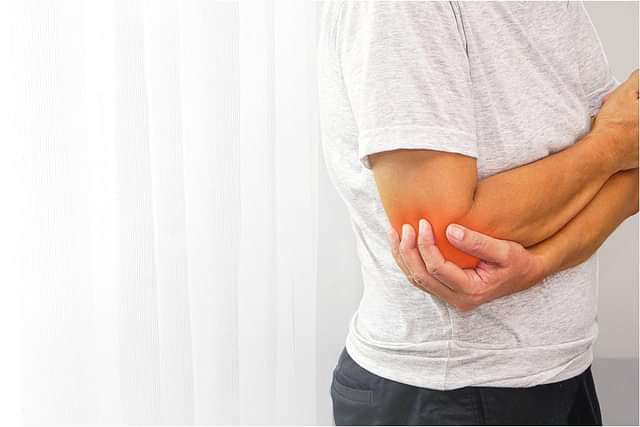
Tennis elbow, also known as lateral epicondylitis, is a painful condition that affects the tendons connecting the forearm muscles to the bones on the outside of the elbow. It is often caused by repetitive motion of the forearm muscles, such as those involved in playing tennis or other activities requiring repetitive wrist extension and forearm rotation. Symptoms typically develop gradually and can include pain, tenderness, swelling, and reduced grip strength.
 50
50Last updated on : 07 May, 2026
Read time : 14 mins
Overview of Disease
Tennis elbow, also known as lateral epicondylitis, is a condition that causes pain and tenderness in the elbow joint (Buchanan & Varacallo, 2023). It is a common ailment that affects many people, particularly those who engage in activities that involve repetitive stress or overuse of the muscles and tendons in the elbow. In this article, we will explore what tennis elbow is, its symptoms, and how to manage it effectively.
What is a Tennis Elbow?
Tennis elbow is a condition that occurs when the tendons that attach the forearm muscles to the bones in the elbow become degenerated or develop microtears. This is usually due to repetitive strain or overuse of the muscles and tendons, particularly those involved in wrist extension and forearm supination.
The condition is common among individuals who engage in activities involving repetitive wrist extension, radial deviation, and/or forearm supination, such as tennis, squash, badminton, and other sports or activities that require similar movements.
Key Factors about Tennis Elbow
| Category | Details |
| Also Referred to as | Lateral epicondylitis, enthesopathy of the extensor carpi radialis origin, lateral elbow tendinopathy, tendinosis |
| Commonly Occurs In | Adults aged 30-60 years, individuals with jobs involving repetitive wrist and arm movements |
| Affected Organ | Tendons of forearm muscles, the lateral epicondyle of the humerus |
| Type | Repetitive strain injury, tendinopathy |
| Common Signs | Pain and tenderness on the outer elbow, pain with resisted wrist extension, pain with gripping or twisting |
| Consulting Specialist | Orthopaedic specialist, sports medicine specialist |
| Treatment Procedures |
|
| Managed By | Nonsteroidal anti-inflammatory medicines (NSAIDs) like ibuprofen or naproxen, and conservative measures; surgery is reserved for persistent cases |
| Mimicking Condition | Golfer's elbow, osteoarthritis |
Symptoms of Tennis Elbow
The symptoms of tennis elbow typically develop gradually and can vary in severity from person to person. Some of the most common symptoms include:
- Pain and tenderness: The most prominent symptom of tennis elbow is pain on the outer part of the elbow. This pain can radiate down the forearm and may worsen with gripping or twisting activities, such as holding a racquet or shaking hands. Tenderness may also be felt when touching the area around the lateral epicondyle (the bony bump on the outside of the elbow).
- Weakness: Individuals with tennis elbow may experience weakness in the affected arm, particularly when lifting objects or performing tasks that require grip strength.
- Stiffness: Stiffness in the elbow joint may occur, especially in the morning or after prolonged periods of inactivity. This stiffness can limit the range of motion and contribute to discomfort during movements.
- Pain during activity: Pain may increase during specific activities, such as playing tennis, painting, or using tools that require wrist and forearm movements.
- Swelling and inflammation: In some cases, mild swelling may occur, although it is uncommon. The area may feel warm to the touch and appear slightly swollen compared to the other elbow.
- Clicking or grating sensation: Some individuals may experience a clicking or grating sensation in the elbow during movement. This symptom may indicate changes in the tendons or other structures around the joint.
While some individuals may experience relief with rest and conservative treatment, others may find that symptoms persist for weeks or even months without proper management.
Causes of Tennis Elbow
Tennis elbow, or lateral epicondylitis, is primarily caused by overuse of the muscles and tendons in the forearm, leading to tendon degeneration (tendinosis). The main causes include (American Academy of Orthopaedic Surgeons):
- Overuse and repetitive motions: Repetitive movements, particularly gripping or wrist extension, can lead to tendinous strain and microtears at the attachment to the lateral epicondyle of the elbow. Common activities include playing tennis, painting, typing, and using hand tools.
- Poor technique: Improper technique in sports or activities can increase stress on the elbow. For example, poor grip or swing mechanics in tennis can place excessive strain on the forearm muscles and tendons, contributing to the development of tennis elbow.
- Age: As people age, the tendons can become less flexible and more prone to injury. This natural degeneration makes individuals over the age of 30 more susceptible to developing tennis elbow, even if they do not participate in racquet sports.
- Muscle imbalances: Muscle imbalances between the forearm muscles can increase the risk of tennis elbow. Weakness in the shoulder or upper back muscles can lead to overcompensation in the forearm, putting additional strain on the elbow tendons.
- Previous injuries: A history of prior elbow injuries or conditions can increase the likelihood of developing tennis elbow. If the tendons have been previously damaged, they may be more susceptible to further injury from repetitive strain.
- Occupational factors: Certain occupations that involve repetitive wrist or elbow movements—such as plumbing, carpentry, and assembly line work—can contribute to the onset of tennis elbow. Prolonged use of tools, especially those that require gripping, can worsen the condition.
- Lack of warm-up or stretching: Failing to warm up or stretch before engaging in physical activities can increase the risk of tendon injuries.
- Environmental factors: Using poorly designed tools or equipment that put undue stress on the elbow can contribute to the development of tennis elbow. Tools that require excessive grip strength or awkward wrist positions can increase the risk of tendon injury.
Risk Factors
Several factors can increase the likelihood of developing tennis elbow, including:
- Age (most common between 30 and 60 years)
- Jobs that involve repetitive motions of the wrist and arm, such as plumbing, painting, carpentry, and butchery
- Engaging in racquet sports, particularly with improper form or inappropriate equipment
- Smoking
- Obesity
Complications
While Tennis elbow is often manageable with appropriate treatment, complications can arise if the condition is not addressed or if treatment is delayed. Here are some potential complications associated with tennis elbow:
- Chronic pain: If left untreated, tennis elbow can lead to persistent pain. This ongoing discomfort can significantly impact daily activities and overall quality of life, making it challenging to perform even simple tasks.
- Reduced range of motion: Chronic pain and tendon changes can lead to decreased range of motion in the elbow. Individuals may experience stiffness, making it difficult to fully extend or flex the arm, further limiting functional ability.
- Muscle weakness: Prolonged tennis elbow can lead to muscle weakness in the forearm and wrist. This weakness can affect grip strength, making it difficult to hold objects or perform tasks that require fine motor skills.
- Functional limitations: As pain and weakness increase, individuals may find it challenging to engage in sports, work, or everyday activities.
- Tendon rupture: In rare cases, severe or untreated cases of tennis elbow can lead to a rupture of the extensor tendons at the elbow. This rupture may require surgical intervention and could result in a more extended recovery period.
- Psychological impact: Living with chronic pain and functional limitations can have psychological effects, including anxiety and depression. Individuals may feel discouraged or overwhelmed by their inability to engage in normal activities, which can further impact mental health.
- Risk of recurrence: Once an individual has experienced tennis elbow, they may be at a higher risk for recurrence, especially if the underlying causes are not addressed. Engaging in the same activities without proper technique, warm-up, or rehabilitation can lead to a return of symptoms.
- Impact on sports and work performance: For athletes and individuals whose occupations require repetitive arm and wrist movements, tennis elbow can lead to decreased performance and increased absenteeism.
Prevention of Tennis Elbow
Preventing tennis elbow involves a combination of proper techniques, conditioning, and lifestyle modifications. Here are some key strategies:
- Warm up and stretch: Before engaging in any activity that involves repetitive arm movements, warm up and stretch your arm muscles. This increases blood flow and prepares the muscles for exertion, reducing the risk of injury.
- Use proper technique: Ensure you are using the correct technique when performing activities, especially sports. Incorrect techniques, such as an improper backhand stroke in tennis, can put unnecessary strain on the forearm muscles and tendons.
- Gradually increase activity: Build up the intensity and duration of your activities gradually to avoid sudden overuse of the muscles and tendons.
- Strengthen forearm muscles: Engage in exercises that target the forearms, such as wrist curls, reverse wrist curls, and grip-strengthening exercises. Stronger muscles can help absorb the stress that would otherwise be transferred to the tendons.
- Avoid repetitive movements: Take frequent breaks during activities that involve repetitive arm movements. Changing your position or taking breaks can reduce the strain on your tendons.
- Use appropriate equipment: Use equipment that matches your skill level and body size. For example, using a tennis racquet that is too tightly strung, too small or too large can exacerbate the condition.
- Maintain a loose grip: Use a looser grip on racquets or tools to reduce tension in your hand and forearm.
By following these preventive measures, you can significantly reduce your risk of developing tennis elbow.
Diagnosis & Tests
Diagnosing tennis elbow typically involves a combination of clinical evaluation and, in some cases, additional tests. These include:
- Clinical evaluation: A doctor will perform a physical examination to assess pain and weakness, especially when grasping objects or performing specific motions, such as extending the wrist against resistance.
- Symptom assessment: The doctor will look for symptoms such as pain or burning along the outside of the forearm and elbow, which may worsen over time and spread to the wrist. Weak grip and pain when lifting or gripping small objects are common indicators.
- Special tests: Specific tests such as the Cozen’s test (resisted wrist extension) or the Mills’ test (passive wrist flexion with the elbow extended) may be used to diagnose tennis elbow.
- Imaging tests: While not always necessary, imaging tests such as X-rays or MRI (magnetic resonance imaging) scans may be used to rule out other conditions or to assess the extent of tendon damage.
Treatment & Management
The treatment of tennis elbow, or lateral epicondylitis, focuses on reducing pain, supporting tendon healing, and restoring forearm function. This condition is typically caused by repetitive strain or overuse of the forearm muscles and tendons. A combination of self-care, medication, therapy, and targeted interventions promotes healing and prevents recurrence.
1. Initial Care and Home Remedies
a. RICE Method (Rest, Ice, Compression, Elevation)
- Effective in the early phase to reduce pain and tendon load.
- Resting the arm prevents further aggravation of the tendon.
- Ice packs applied 3–4 times daily help control swelling and pain.
- A compression band or elbow strap supports the joint and relieves tension on the tendon.
- Elevating the arm may help reduce discomfort, although its role is limited for elbow conditions.
b. Over-the-Counter Pain Relievers
- Paracetamol (Acetaminophen): It offers mild pain relief, suitable for those unable to take NSAIDs.
- Ibuprofen: It is a commonly used NSAID that helps relieve pain and may reduce inflammation in surrounding tissues by blocking the production of prostaglandins.
- Naproxen: It is another effective NSAID that provides longer-lasting pain and inflammation relief by inhibiting prostaglandin synthesis, making it suitable for tennis elbow.
These medications should be used cautiously in individuals with gastric or kidney conditions.
2. Medical Management
a. Physiotherapy and Rehabilitation
- Tailored strengthening and stretching exercises under a physiotherapist.
- Eccentric loading exercises target tendon repair and improve resilience.
- Manual therapy and ultrasound modalities may provide symptomatic relief, although evidence is variable.
- Graded activity reintroduction improves long-term joint function.
3. Injections
a. Corticosteroid Injections
Provide rapid relief in cases of persistent pain, but are mainly used for short-term relief due to potential side effects and higher recurrence rates with repeated use.
- Methylprednisolone: This corticosteroid is injected into the affected area to reduce inflammation and relieve pain, especially in cases where other treatments have failed.
- Triamcinolone: Offers potent and longer-lasting anti-inflammatory effects, commonly used for managing persistent or severe symptoms of tennis elbow.
b. Platelet-Rich Plasma (PRP) Therapy
- Involves injecting concentrated platelets derived from the patient’s blood into the damaged tendon. May support tendon healing in chronic cases, although evidence remains mixed.
c. Percutaneous Tenotomy (Ultrasound-Guided)
- Minimally invasive procedure using a fine needle to break down degenerative tendon tissue.
- Encourages new tissue formation and is considered when conservative options fail.
4. Shockwave Therapy
Shockwave therapy delivers focused, high-energy sound waves to the injured site. It stimulates blood flow and cellular activity, which may help in tendon regeneration. This option is usually considered when other treatments fail to bring relief.
5. Surgery
Surgery may be required in a small number of patients with persistent pain despite extensive non-surgical treatment. The procedure involves removing the degenerated tendon tissue and repairing the area. Most surgeries are performed as outpatient procedures, with recovery aided by physiotherapy.
Living with Disease
Living with tennis elbow requires several adjustments and treatments to manage symptoms and facilitate recovery. This includes:
- Taking regular breaks from physical activities
- Modifying tasks to reduce strain on the elbow
- Using ice packs, NSAIDs, and sometimes corticosteroid injections to alleviate pain and inflammation
- Wearing forearm bands or straps to provide relief by resting the inflamed tendon
- Engaging in physical therapy, including exercises to strengthen the area and increase flexibility
- Avoiding overuse and repetitive strain on the elbow
- Adjusting equipment for those involved in racquet sports, such as using a properly sized racquet and appropriate string tension
When to See a Doctor?
It is important to see a doctor if you are experiencing persistent pain or limited mobility in the elbow or forearm that has not improved within 2–6 weeks. If the pain begins after a significant injury, or if there is significant swelling, deformity, or inability to use the arm, seeking medical attention is crucial. Additionally, if symptoms do not respond to self-care measures, such as rest, ice, and over-the-counter pain medications, it is advisable to consult a doctor.
Key Takeaways
- Tennis elbow, or lateral epicondylitis, is a common condition characterised by pain and tenderness on the outside of the elbow.
- The primary causes of tennis elbow include overuse of the forearm muscles, repetitive motions, and improper technique during activities.
- Symptoms of tennis elbow include pain and tenderness on the outside of the elbow, weakness in the forearm, and difficulty gripping objects.
- Conservative treatment options, such as rest, ice, NSAIDs, and physical therapy, are effective in managing tennis elbow symptoms for most patients.
- Surgery may be considered if symptoms do not improve with conservative treatments after 6 to 12 months.
- Living with tennis elbow involves a combination of rest, activity modification, pain management, and physical therapy.
- Seeking medical attention is important if pain persists, begins after a significant injury, or does not respond to self-care measures.
FAQs
What is the best way to fix a tennis elbow?
The most effective approach to treating tennis elbow typically involves a combination of rest, physical therapy, ice, anti-inflammatory medications, bracing, and, in some cases, injections or other procedures.
Will tennis elbow heal on its own?
Yes, tennis elbow can often heal on its own within a few weeks to months, provided proper rest is taken, and repetitive strain-causing activities are stopped.
Which exercises are most beneficial for tennis elbow?
Finger stretches using a rubber band, ball squeezes, and wrist stretches are commonly recommended exercises for tennis elbow, but consult a doctor for personalised advice.
What not to do for tennis elbow?
To prevent exacerbating tennis elbow, avoid repetitive activities that involve gripping, twisting, or bending the wrist and forearm, ignoring pain, and lifting heavy objects.
Can tennis elbow heal naturally?
Yes, tennis elbow can heal naturally with adequate rest, cessation of causative activities, and gentle stretching exercises to improve flexibility and strength.
Can exercise fix tennis elbow?
Yes, specific exercises targeting the muscles in the forearm, shoulder, and upper arm, as guided by a physical therapist, can be highly effective in treating tennis elbow.
Is hot water good for tennis elbow?
How do you treat tennis elbow in 5 minutes?
What is the best medicine for tennis elbow?
References
- Buchanan, B. K., & Varacallo, M. (2023). Tennis elbow. In StatPearls. StatPearls Publishing. https://www.ncbi.nlm.nih.gov/books/NBK431092/
- American Academy of Orthopaedic Surgeons. (2023). Tennis elbow (lateral epicondylitis). https://orthoinfo.aaos.org/en/diseases--conditions/tennis-elbow-lateral-epicondylitis/
- MedlinePlus. (2024). Tennis elbow. https://medlineplus.gov/ency/article/000449.htm
Browse Other Conditions
Latest health articles

Top Health Essentials






















Disclaimer
Top-Selling Medicines:
...View more
Top-OTC medicines:
...View more
Company
About UsHealth ArticleHealth StoriesHealth LibraryDiseases & Health ConditionsAyurvedaUnderstanding Generic MedicinesAll MedicinesAll BrandsNeed HelpFAQSecuritySavings CalculatorAdvertise with UsSubscribe
Registered Office Address
Grievance Officer
Download Truemeds


Contact Us
Our customer representative team is available 7 days a week from 9 am - 9 pm.
v4.28.14

2026 - Truemeds | All rights reserved. Our content is for informational purposes only. See additional information.

Our Payment Partners