

- Medicines
- Personal Care
- Skin Cream
- Sunscreen
- Face Wash
- Skin and Body Soap
- Acne Care
- Body Lotions
- Moisturising Lotion
- Moisturising Cream
- Mosquito Repellent
- Moisturising Gel
- Body Wash
- Hair Oils
- Hair Shampoo
- Hair Conditioners
- Hair Supplements
- Hair Colour
- Hair Serum
- Hair Mask
- Hair Solutions
- Baby Diapers and Wipes
- Baby Lotion and Moisturising Cream
- Baby Bath Essentials
- Baby Skin Care
- Baby and Infant Food
- Baby Healthcare
- Women Multivitamins
- Ovulation Test Kit and Women Intimate Care
- Sanitary Pads
- Nutritional Drinks
- Condoms
- Lubricants
- Massage Gels
- Personal Body Massagers
- Men Performance Booster
- Sexual Health Supplements
- Massage Oils
- Ayurveda
- Tooth Paste
- Mouth Ulcer Gel
- Mouthwash
- Toothache and Gum Pain
- Tooth Brush
- Gargle Solution
- Orthopaedic Supports
- Adult Diapers
- Footwear
- Mobility and Support Accessories
- Urinary Support and Care
- Health Conditions
- Bone and Joint Care
- Digestive Care
- Eye Care
- Pain Relief
- Smoking Cessation
- Liver Care
- Stomach Care
- Cold and Cough
- Heart Care
- Kidney Care
- Piles, Fissures & Fistula
- Respiratory Care
- Mental Wellness
- Derma Care
- Pre and Probiotics
- Acidity
- Gas
- Constipation
- Loose Motion/Diarrhoea
- Digestive Fibres
- Digestive Enzymes
- Eye Lubricant Drops
- Lens Solution
- Safety Eye Wear
- Eye Cream
- Eye Vitamins and Supplements
- Eye Drops
- Eye Ointment and Gel
- Nicotine Patch
- Nicotine Gum
- Nicotine Lozenges
- Cough Syrups
- Chest Rubs and Balms
- Nasal Spray
- Lozenges
- Inhalant Capsules
- Cold and Cough Tablets
- Vitamins & Supplements
- Diabetes Care
- Healthcare Devices
- Homeopathic Medicine
- Health Guide
Pyelonephritis
Pyelonephritis is a kidney infection that occurs when bacteria from the urinary tract spread to the kidneys, causing inflammation and potential damage. It requires prompt medical attention to prevent complications such as scarring, reduced kidney function, and even life-threatening conditions. Treatment typically involves antibiotics and supportive care, while prevention focuses on proper hygiene and addressing underlying risk factors.
 50
50Last updated on : 07 May, 2026
Read time : 12 mins
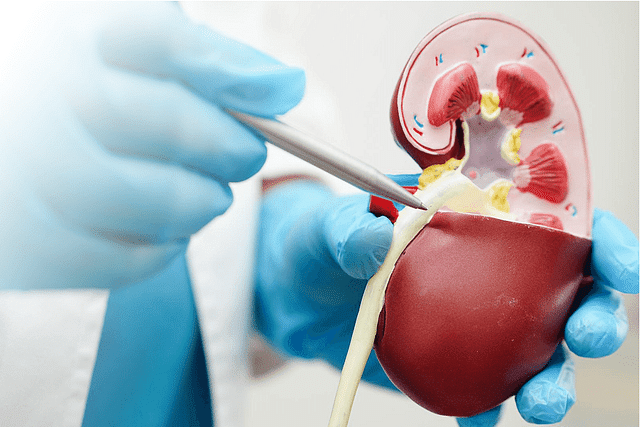
Overview of Disease
Pyelonephritis is a serious medical condition that involves a kidney infection. It can present as an acute or chronic condition, typically caused by bacterial infections ascending from the bladder to the kidneys via the ureters. The infection triggers inflammation in the kidneys, potentially leading to permanent damage if left untreated. Early detection and appropriate treatment are essential to avoid long-term complications associated with pyelonephritis. Understanding the different types of pyelonephritis is crucial for proper management of the condition.
What is Pyelonephritis?
Pyelonephritis is a bacterial infection of the kidneys that can lead to inflammation and potential complications if left untreated. The condition arises when bacteria, most commonly Escherichia coli (E. coli), ascend from the urinary tract and reach the kidneys (Belyayeva et al., 2024).
Once in the kidneys, the bacteria multiply and trigger an inflammatory response, causing symptoms such as fever, flank pain, nausea, vomiting, and a burning sensation during urination. Pyelonephritis can manifest as an acute infection, characterised by sudden and severe symptoms, or as a chronic condition, which may present with milder or recurrent symptoms over an extended period.
Key Factors about Pyelonephritis
| Category | Details |
| Also Referred as | Kidney Infection, Upper Urinary Tract Infection |
| Commonly Occurs In | Women, Children, People with Urinary Obstructions, People with Chronic Kidney Stones |
| Affected Organ | Kidneys, Bladder, Urinary Tract |
| Type | Acute, Chronic |
| Common Signs | Fever, Pain in the Abdomen, Back, Side, or Groin, Painful or Burning Urination, Cloudy Urine, Pus or Blood in the Urine |
| Consulting Specialist | Nephrologist, Urologist, Infectious Disease Specialist |
| Treatement Procedures | Antibiotics, Surgery (in some cases) |
| Managed By | Oral and parenteral antibiotics such as fluoroquinolones, beta-lactams, and cephalosporins |
| Mimiciking Condition | Pyonephrosis (Obstructive Pyelonephritis) |
Types of Pyelonephritis
Pyelonephritis can present in different forms, each with distinct characteristics and treatment implications. These include:
- Complicated kidney infection: Complicated pyelonephritis refers to kidney infections that affect specific high-risk populations or people with underlying medical conditions. This category includes pregnant women, patients with poorly controlled diabetes, kidney transplant recipients, those with anatomical abnormalities of the urinary tract, and people with compromised immune systems. These cases often require more intensive treatment and close monitoring due to the increased risk of complications and slower recovery.
- Chronic kidney infection: Chronic pyelonephritis is long-term renal damage due to recurrent infections that can lead to scarring and inflammation of the kidney tissue. This type of infection is more frequently seen in children or in individuals with urinary tract obstructions, such as kidney stones or an enlarged prostate gland. Over time, chronic pyelonephritis can cause a gradual decline in kidney function, making early detection and management crucial for preserving kidney health.
Symptoms of Pyelonephritis
The symptoms of pyelonephritis can vary from mild to severe, depending on the extent of the infection. Some of the most common symptoms include: (NIDDK, 2025)
- Fever and chills: A common symptom of pyelonephritis is a high fever, often accompanied by chills. The fever can be quite high, indicating a systemic infection.
- Pain: Patients frequently experience back or side pain, particularly in the lower rib area. This pain, known as flank pain, can be sharp or dull and may radiate to the abdomen.
- Painful urination: A burning sensation or pain during urination is typical. This discomfort can make urination frequent and uncomfortable.
- Increased urinary frequency and urgency: Individuals may feel an urgent need to urinate more frequently than usual. This increased frequency can be coupled with a sensation of incomplete bladder emptying.
- Nausea and vomiting: Pyelonephritis can cause gastrointestinal symptoms, including nausea and vomiting, which may contribute to dehydration and further discomfort.
- Fatigue: This overall lack of energy can result from the body fighting the infection.
- Cloudy or foul-smelling urine: The urine may appear cloudy or have a strong, unpleasant odour, which is often a sign of infection or the presence of pus.
- Presence of blood in urine: In some cases, blood may be visible in the urine, a condition known as haematuria. This can range from a pinkish tinge to more noticeable red streaks.
- Confusion: In severe cases, particularly among older adults or those with weakened immune systems, confusion or altered mental status can result from the systemic effects of the infection.
Causes of Pyelonephritis
Pyelonephritis is primarily caused by bacterial infection, though several factors can contribute to its development. These include:
- Bacterial infection: The most common cause of pyelonephritis is bacterial infection of the kidneys, most often caused by Escherichia coli (E. coli), which usually lives in the intestines. These bacteria can travel from the urinary tract to the kidneys, leading to infection.
- Urinary tract infections (UTIs): Pyelonephritis often develops as a complication of an existing lower urinary tract infection, such as cystitis (bladder infection). If the bacteria causing the UTI ascend to the kidneys, pyelonephritis can result.
- Obstruction in the urinary tract: Any blockage, such as a kidney stone or an enlarged prostate, can prevent urine from flowing properly. This obstruction can create an environment where bacteria can grow and lead to infection.
- Vesicoureteral reflux: This condition occurs when urine flows backwards from the bladder into the ureters and kidneys. It increases the risk of infection and can lead to pyelonephritis.
- Weakened immune system: Individuals with compromised immune systems, whether due to chronic diseases (like HIV/AIDS) or immunosuppressive treatments (like chemotherapy), are more prone to infections, including pyelonephritis.
- Pregnancy: Pregnant women are at increased risk of pyelonephritis due to hormonal changes and pressure on the urinary tract, which can lead to urinary stasis and infection.
- Diabetes mellitus: People with diabetes are at higher risk for urinary tract infections and pyelonephritis due to high blood sugar levels, which can affect immune function and increase susceptibility to infections.
Risk Factors
Several factors can increase the risk of developing pyelonephritis. These include:
- Obstruction of the urinary tract due to abnormalities, vesicoureteral reflux, kidney stones, or an enlarged prostate
- Weakened immune system caused by conditions such as diabetes, HIV/AIDS, cancer, or other immune-compromising disorders
- Use of catheters or other invasive urinary tract procedures
- Recent cystoscopic examination or urinary tract surgery
- Certain medications (e.g. immunosuppressive medications) that alter the urinary tract's natural defences
- Nerve or spinal cord damage that affects bladder function
Who's at Risk?
Some individuals are more prone to developing pyelonephritis than others. These include:
- Pregnant women
- Children under 2 years old
- Older adults
- People with urinary tract abnormalities, such as vesicoureteral reflux or an enlarged prostate
- Individuals with weakened immune systems, such as those with diabetes, HIV/AIDS, or cancer
- People who have undergone medical procedures involving the urinary tract, such as catheterisation or cystoscopy
Complications
If pyelonephritis is not treated promptly or adequately, it can lead to several serious complications. These include:
- Sepsis: Pyelonephritis can lead to sepsis, a life-threatening condition resulting from the body's overwhelming response to an infection. Sepsis can cause organ damage and failure if not treated promptly.
- Chronic kidney disease: Repeated infections can lead to chronic pyelonephritis, which can cause fibrosis (scarring) and destruction of the kidney. This can result in chronic kidney disease, which may require long-term management or even dialysis.
- Pyonephrosis: A severe form of pyelonephritis, it is characterised by the accumulation of pus in the renal pelvis. This can lead to significant kidney damage if not drained promptly.
- Emphysematous pyelonephritis: Emphysematous pyelonephritis is a rare and severe form of acute pyelonephritis caused by gas-forming bacteria. This condition can be life-threatening and may require immediate surgical treatment.
- Perinephric abscess: This is a pocket of purulent material (fluid) that forms around the kidney as a result of pyelonephritis. This requires drainage to prevent further complications.
- Renal failure: Untreated or poorly managed pyelonephritis can progress to kidney failure, which may necessitate dialysis or kidney transplantation.
Prevention of Pyelonephritis
There are several steps you can take to reduce your risk of developing pyelonephritis, including:
- Stay hydrated: Drink plenty of water and other fluids to help flush out bacteria from your urinary tract.
- Practice good hygiene: Wipe from front to back after using the toilet to prevent bacteria from entering the urethra.
- Empty your bladder completely: Avoid holding your urine for long periods, as this can increase the risk of bacterial growth.
- Urinate after sexual activity: This helps flush out any bacteria that may have entered the urethra during intercourse.
- Avoid using spermicides: These can alter the natural balance of bacteria in the urinary tract, increasing the risk of infection.
- Manage underlying conditions: If you have diabetes or other conditions that increase your risk of pyelonephritis, work with your doctor to manage them effectively.
- Take antibiotics as prescribed: If you are prone to urinary tract infections or have been prescribed antibiotics for pyelonephritis, take them as directed by your doctor.
Diagnosis & Tests
To diagnose pyelonephritis, your doctor may recommend one or more of the following tests:
- Clinical assessment: The doctor will take a detailed medical history and perform a physical examination, looking for signs and symptoms of pyelonephritis such as fever, flank pain, and tenderness over the affected kidney.
- Urinalysis: A urine sample will be examined for white blood cells, red blood cells, and bacteria, which can indicate an infection.
- Urine culture: This test involves growing bacteria from a urine sample in a laboratory to identify the specific type of bacteria causing the infection and determine the most effective antibiotic treatment.
- Blood tests: Your doctor may order blood tests to check for signs of infection, such as an elevated white blood cell count, and to assess kidney function.
- Imaging tests: In some cases, your doctor may recommend imaging tests, such as an ultrasound, CT scan, or MRI, to visualise your kidneys and urinary tract and check for any abnormalities or complications.
- Cystoscopy: This procedure involves inserting a thin, flexible tube with a camera (cystoscope) into your urethra and bladder to examine the inside of your urinary tract. This procedure is reserved for selected cases (e.g. recurrent infections, suspected obstruction or anatomical abnormalities).
- Dimercaptosuccinic acid (DMSA) scan: This nuclear medicine test can help detect any scarring or damage to the kidneys caused by pyelonephritis. DMSA scan is mainly used in paediatric patients to assess renal scarring.
Your doctor will use the results of these tests to make an accurate diagnosis and develop an appropriate treatment plan.
Treatment & Management
The treatment of pyelonephritis involves the use of oral and intravenous antibiotics, depending on the severity of the infection. Commonly prescribed antibiotics include:
1. Oral Antibiotics
- Cefpodoxime is a cephalosporin antibiotic used to treat mild to moderate pyelonephritis.
- Sulfamethoxazole + Trimethoprim is a combination antibiotic that effectively treats urinary tract infections, including pyelonephritis.
2. Intravenous (IV) Antibiotics
- Ceftriaxone is a broad-spectrum cephalosporin often used for moderate to severe infections.
- Ertapenem and meropenem are carbapenem antibiotics reserved for resistant or complicated cases.
- Gentamicin is an aminoglycoside used in severe cases, often in combination with other antibiotics.
3. Treatment Considerations
- The choice of antibiotic depends on factors such as infection severity, the patient’s overall health, and local antibiotic resistance patterns.
- Completing the full course of antibiotics is essential to ensure the infection is fully treated and to prevent resistance.
- In severe cases, hospitalisation may be required for IV antibiotic therapy and close monitoring.
When to See a Doctor?
You should see a doctor if you experience symptoms of pyelonephritis, such as fever, chills, lower back pain (often on one side), nausea, vomiting, frequent and painful urination, blood in the urine, or fatigue and weakness. Prompt medical attention is crucial, as untreated pyelonephritis can lead to serious complications, including sepsis or kidney damage. If you have a history of recurrent urinary tract infections or possess risk factors for pyelonephritis, it is essential to consult your doctor for proper evaluation and management to address the condition effectively and prevent further issues.
Key Takeaways
- Pyelonephritis is a severe kidney infection that requires prompt medical attention and treatment.
- Risk factors include urinary tract abnormalities, a weakened immune system, and certain medical conditions like diabetes.
- Symptoms typically include high fever, flank pain, chills, nausea, vomiting, and urinary symptoms.
- Diagnosis involves urine and blood tests, as well as imaging studies such as an ultrasound or CT scan.
- Treatment primarily consists of antibiotic therapy, which may be administered orally or intravenously depending on the severity of the infection.
- Hospitalisation may be necessary for severe cases or patients with complicating factors.
- Preventive measures include staying hydrated, practising good hygiene, and treating underlying conditions that increase the risk of pyelonephritis.
FAQs
What is the difference between a UTI and pyelonephritis?
What are the three types of pyelonephritis?
Is pyelonephritis an emergency?
What is the best treatment for pyelonephritis?
How to test for pyelonephritis?
Can pyelonephritis be cured permanently?
Is pyelonephritis very painful?
How many days does pyelonephritis last?
References
- Kidney infection. (2026a, March 24). Nhs.Uk. from https://www.nhs.uk/conditions/kidney-infection
- National Institute of Diabetes and Digestive and Kidney Diseases. (n.d.). Pyelonephritis (Kidney Infection). Retrieved May 20, 2023, from https://www.niddk.nih.gov/health-information/urologic-diseases/kidney-infection-pyelonephritis
- Gupta, N., & Goldfarb, D. S. (2018). Pyelonephritis. In StatPearls [Internet]. StatPearls Publishing. https://www.ncbi.nlm.nih.gov/books/NBK519537/
- Belyayeva, M., Leslie, S. W., Rout, P., & Jeong, J. M. (2024, February 28). Acute pyelonephritis. StatPearls - NCBI Bookshelf. https://www.ncbi.nlm.nih.gov/books/NBK519537
Check Related Salts
Browse Other Conditions
Latest health articles

Top Health Essentials
































Disclaimer
Top-Selling Medicines:
...View more
Top-OTC medicines:
...View more
Company
About UsHealth ArticleHealth StoriesHealth LibraryDiseases & Health ConditionsAyurvedaUnderstanding Generic MedicinesAll MedicinesAll BrandsNeed HelpFAQSecuritySavings CalculatorAdvertise with UsSubscribe
Registered Office Address
Grievance Officer
Download Truemeds


Contact Us
Our customer representative team is available 7 days a week from 9 am - 9 pm.
v4.28.9

2026 - Truemeds | All rights reserved. Our content is for informational purposes only. See additional information.

Our Payment Partners




