

- Medicines
- Personal Care
- Skin Cream
- Sunscreen
- Face Wash
- Skin and Body Soap
- Acne Care
- Body Lotions
- Moisturising Lotion
- Moisturising Cream
- Mosquito Repellent
- Moisturising Gel
- Body Wash
- Hair Oils
- Hair Shampoo
- Hair Conditioners
- Hair Supplements
- Hair Colour
- Hair Serum
- Hair Mask
- Hair Solutions
- Baby Diapers and Wipes
- Baby Lotion and Moisturising Cream
- Baby Bath Essentials
- Baby Skin Care
- Baby and Infant Food
- Baby Healthcare
- Women Multivitamins
- Ovulation Test Kit and Women Intimate Care
- Sanitary Pads
- Nutritional Drinks
- Condoms
- Lubricants
- Massage Gels
- Personal Body Massagers
- Men Performance Booster
- Sexual Health Supplements
- Massage Oils
- Ayurveda
- Tooth Paste
- Mouth Ulcer Gel
- Mouthwash
- Toothache and Gum Pain
- Tooth Brush
- Gargle Solution
- Orthopaedic Supports
- Adult Diapers
- Footwear
- Mobility and Support Accessories
- Urinary Support and Care
- Health Conditions
- Bone and Joint Care
- Digestive Care
- Eye Care
- Pain Relief
- Smoking Cessation
- Liver Care
- Stomach Care
- Cold and Cough
- Heart Care
- Kidney Care
- Piles, Fissures & Fistula
- Respiratory Care
- Mental Wellness
- Derma Care
- Pre and Probiotics
- Acidity
- Gas
- Constipation
- Loose Motion/Diarrhoea
- Digestive Fibres
- Digestive Enzymes
- Eye Lubricant Drops
- Lens Solution
- Safety Eye Wear
- Eye Cream
- Eye Vitamins and Supplements
- Eye Drops
- Eye Ointment and Gel
- Nicotine Patch
- Nicotine Gum
- Nicotine Lozenges
- Cough Syrups
- Chest Rubs and Balms
- Nasal Spray
- Lozenges
- Inhalant Capsules
- Cold and Cough Tablets
- Vitamins & Supplements
- Diabetes Care
- Healthcare Devices
- Homeopathic Medicine
- Health Guide
Vaginitis
Vaginitis is inflammation of the vagina and often the adjacent vulva (vulvovaginitis). It commonly causes abnormal vaginal discharge, pruritus (itching), burning, pain with intercourse, and dysuria. The most frequent causes are bacterial vaginosis, vulvovaginal candidiasis (yeast infection), and trichomoniasis; noninfectious causes include irritants, allergic reactions, and low estrogen states (atrophic vaginitis/genitourinary syndrome of menopause) (CDC STI Guidelines, 2021).
 50
50Last updated on : 05 May, 2026
Read time : 14 mins
Overview of Disease
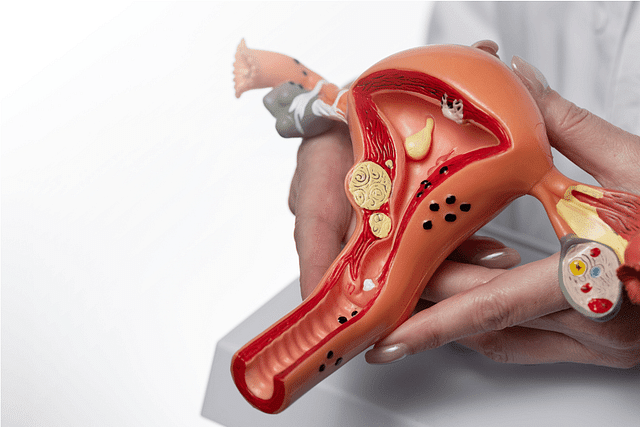
Vaginitis is a common condition affecting women of all ages, characterised by inflammation or infection of the vagina. It can cause a range of symptoms, including itching, burning, pain, discharge, and bad odour. Understanding the causes, symptoms, and treatment options for vaginitis is crucial for maintaining vaginal health and preventing complications.
What is Vaginitis?
Vaginitis, also known as vulvovaginitis, is an inflammation or infection of the vagina and sometimes the vulva, which is the external part of a woman's genitals. This condition can arise from a variety of underlying causes, including infections, hormonal changes, or exposure to irritants. Common types are:
- Bacterial vaginosis (BV): a dysbiosis of the vaginal microbiota with reduction in lactobacilli and overgrowth of anaerobic bacteria (e.g., Gardnerella and others).
- Vulvovaginal candidiasis (VVC): symptomatic overgrowth of Candida species (commonly C. albicans).
- Trichomoniasis: sexually transmitted infection by the protozoan Trichomonas vaginalis.
Each has distinct diagnostic criteria and treatment regimens.
Recognising the signs and symptoms of vaginitis is essential for prompt diagnosis and treatment.
Key Factors about Vaginitis
| Category | Details |
| Also Referred as | Vaginal inflammation, Vulvovaginitis |
| Commonly Occurs In | Women of all ages, especially after puberty |
| Affected Organ | Vagina, Vulva |
| Type | Bacterial vaginosis, Yeast infections (candidiasis), Trichomoniasis, Atrophic vaginitis |
| Common Signs | Discharge, Itching, Redness, Swelling, Pain during urination or intercourse, Foul odour |
| Consulting Specialist | Gynaecologist |
| Treatement Procedures | Bacterial vaginosis: oral metronidazole 500 mg twice daily for 7 days OR intravaginal metronidazole gel 0.75% once daily for 5 days; alternatives include oral tinidazole or intravaginal clindamycin per guidelines. Vulvovaginal candidiasis: short-course topical azoles (single-dose to 3–7 day regimens) or oral fluconazole (single 150 mg dose for uncomplicated VVC); recurrent or complicated cases require tailored regimens. Trichomoniasis: oral metronidazole 500 mg twice daily for 7 days (preferred) or tinidazole; treat sexual partners to prevent reinfection. Atrophic vaginitis / Genitourinary syndrome of menopause (GSM): topical/local estrogen therapies (creams, tablets, or rings) are effective and recommended after individual risk assessment. |
| Managed By | Antifungal creams, suppositories, or oral medications like miconazole or fluconazole; Oral or vaginal antibiotics, such as metronidazole, clindamycin, and tinidazole. |
| Mimiciking Condition | Other vaginal infections, Sexually transmitted infections (STIs) |
Types of Vaginitis
Vaginitis can be categorised into several types based on its underlying cause, including:
- Bacterial vaginosis: Bacterial vaginosis (BV) is a common condition caused by a shift in the vaginal microbiota (loss of hydrogen-peroxide–producing lactobacilli and overgrowth of diverse anaerobes, including Gardnerella, Atopobium, Prevotella and others). BV is associated with a characteristic malodour (‘fishy’), thin grey discharge, and an elevated vaginal pH (>4.5).
- Yeast infections: Yeast infections are caused by an overgrowth of the fungus Candida albicans, which is naturally present in the vagina in small amounts. When this fungus grows excessively, it can lead to symptoms such as intense itching and a thick, white discharge resembling cottage cheese.
- Trichomoniasis: Trichomoniasis is an infection caused by the single-celled protozoan parasite Trichomonas vaginalis. This sexually transmitted infection can cause a yellow-green, frothy discharge and discomfort during urination or sexual intercourse.
- Non-infectious vaginitis: Non-infectious vaginitis is caused by irritants such as chemicals found in soaps, douches, and spermicides. These substances can lead to allergic reactions or irritation of the delicate vaginal tissues, resulting in inflammation and discomfort.
- Atrophic vaginitis: Atrophic vaginitis occurs due to decreased oestrogen levels, particularly after menopause. The lack of oestrogen causes thinning of the vaginal lining, making it more susceptible to irritation and inflammation. This type of vaginitis can cause dryness, itching, and discomfort.
Understanding the various types of vaginitis is crucial for accurate diagnosis and effective treatment.
Symptoms of Vaginitis
The symptoms of vaginitis can vary depending on the underlying cause. Common symptoms include:
- Discharge: BV causes thin, homogenous greyish discharge with a fishy odour (especially after intercourse); VVC causes thick, white, curd-like discharge with intense pruritus but often little odour and Trichomoniasis causes frothy yellow-green discharge, vaginal erythema, and sometimes malodour. Note overlap exists; clinical appearance alone can misclassify cases, so diagnostic testing is recommended.
- Itching and irritation: Persistent itching or irritation around the vaginal area is frequent, often accompanied by redness and swelling. This discomfort can range from mild to severe and can affect daily activities.
- Pain or discomfort: Vaginitis can cause pain or discomfort, particularly during intercourse or urination. This may be localised to the vaginal area or extend to surrounding regions.
- Abnormal odour: An unusual or unpleasant odour, such as a fishy smell in bacterial vaginosis, can indicate vaginitis. Yeast infections typically do not produce a strong odour.
- Burning sensation: A burning sensation during urination or sex is common due to inflammation and irritation of the vaginal tissues.
These symptoms may range from mild to severe. If you experience any of these symptoms, it's important to consult your doctor for an accurate diagnosis and appropriate treatment.
Causes of Vaginitis
Vaginitis is an inflammation of the vagina with several potential causes, including:
- Microbial imbalances: Changes in the natural balance of vaginal bacteria can lead to vaginitis. This can occur due to antibiotic use, diabetes, or a weakened immune system.
- Sexually transmitted infections (STIs): Certain STIs, such as trichomoniasis, chlamydia, and gonorrhoea, can cause vaginitis.
- Chemical irritants: Exposure to harsh soaps, douches, spermicides, or feminine hygiene products can disrupt the delicate balance of the vagina and lead to irritation and inflammation.
- Hormonal changes: Fluctuations in hormone levels, particularly during pregnancy, menopause can increase the risk of developing vaginitis.
- Allergic reactions: Some women may experience allergic reactions to certain materials, such as latex condoms or spermicides, leading to vaginitis.
Your doctor will check for other causes of vaginal discharge, like gonorrhea and chlamydia. These infections don’t affect the vagina directly, but if not treated, they can lead to serious problems like pelvic inflammatory disease (PID). PID can cause infertility, pelvic scarring, long-term pelvic pain, and pregnancy complications.
Risk Factors
Certain factors can increase your risk of developing vaginitis, including:
- Being sexually active, especially with multiple partners or a new partner
- Using douches, vaginal sprays, or scented feminine hygiene products can disrupt the natural balance of bacteria in the vagina.
- Wearing tight, non-breathable clothing or wet swimsuits for prolonged periods
- Having uncontrolled diabetes, which can increase sugar levels in the vaginal mucous membranes and foster fungal growth
- Taking antibiotics, which can kill beneficial bacteria in the vagina, and lead to yeast overgrowth
- Pregnancy: hormonal and physiologic changes increase susceptibility to BV and candidiasis and BV in pregnancy has been associated with adverse outcomes (e.g., preterm birth) in some studies; manage per obstetric guidance.
- Antibiotic exposure, uncontrolled diabetes, sexual behaviours, and use of intravaginal products (including douching) all increase the risk of symptomatic vaginitis or recurrence.
- Having a weakened immune system due to conditions like HIV/AIDS or certain medications
Recognising and addressing these risk factors can help in preventing vaginitis or reducing the frequency of recurrent episodes.
Complications
Failing to treat vaginitis promptly or effectively can lead to various complications that may impact a woman's overall health and well-being. Some potential complications of vaginitis include:
- Pelvic inflammatory disease (PID): BV and certain STIs (eg, chlamydia, gonorrhoea, trichomoniasis) have been associated with ascending infection and pelvic inflammatory disease (PID). This condition can lead to chronic pelvic pain, infertility, and an increased risk of ectopic pregnancy.
- Pregnancy complications: BV in pregnancy has been associated (in some studies) with increased risk of preterm birth and premature rupture of membranes. Prompt diagnosis and guideline-based treatment reduce these risks when appropriate.
- Increased risk of STIs: Vaginitis can cause inflammation and micro-abrasions in the vaginal tissue, making it more susceptible to STIs like HIV, HPV, and chlamydia.
- Recurrent infections: Without proper treatment and preventive measures, vaginitis can become a recurring issue, causing discomfort and disrupting daily life.
- Psychological distress: The symptoms of vaginitis, such as itching, odour, and discharge, can cause embarrassment and psychological distress, affecting a woman's self-esteem and sexual relationships.
To avoid these complications, it is important to seek prompt medical attention if you suspect you have vaginitis.
Prevention of Vaginitis
Preventing vaginitis involves a combination of good hygiene practices and lifestyle adjustments. Here are some key preventive measures:
- Practice good hygiene: Wipe from front to back after using the toilet to avoid introducing bacteria from the anus to the vagina. Change out of wet or sweaty clothing promptly, and avoid wearing tight, non-breathable clothing for extended periods.
- Avoid irritants: Minimise the use of douches, scented tampons, and other feminine hygiene products that can disrupt the natural balance of the vagina. Use mild, unscented soaps and avoid harsh detergents or fabric softeners.
- Practice safe sex: Limit the number of sexual partners and use condoms to reduce the risk of sexually transmitted infections (STIs) that can cause vaginitis.
- Maintain a healthy lifestyle: Eat a balanced diet, stay hydrated, and manage stress to support overall immune function. If you have diabetes, work with your doctor to keep blood sugar levels under control.
- Probiotics: While some trials suggest certain probiotic preparations (oral or intravaginal) may reduce recurrence of BV or VVC in some patients, evidence is heterogeneous and product-specific. Routine recommendation of dietary probiotic foods alone (yoghurt, kimchi, etc.) as a proven preventive measure is not supported by high-quality evidence; discuss probiotic use with a clinician if recurrent infections are a problem.
- Judicious antibiotic use: If prescribed antibiotics, discuss with your doctor the potential risks and benefits. Take the medication as directed, and consider using probiotics to help restore beneficial bacteria.
By incorporating these preventive strategies into daily life, women can take an active role in maintaining vaginal health and reducing the risk of vaginitis and its associated complications.
Diagnosis & Tests
Diagnosing vaginitis typically involves a combination of medical history, physical examination, and laboratory tests. Here are the key steps in the diagnostic process:
- Medical history and physical examination: Your doctor will ask about your symptoms, medical history, and sexual practices. They will also perform a physical examination of the genital area to look for signs of inflammation, irritation, or discharge.
- Pelvic exam: A pelvic exam may be conducted to inspect the vagina and cervix for signs of infection or inflammation. During the exam, your doctor may collect a sample of vaginal discharge for further testing.
- Evaluation commonly includes speculum exam, measurement of vaginal pH (BV and trichomoniasis usually raise pH >4.5 while VVC does not), wet mount microscopy (saline and KOH) to look for clue cells, motile trichomonads, or yeast pseudohyphae, and point-of-care tests (eg, whiff test) (Hildebrand et al., 2024). Nucleic acid amplification tests (NAAT) are increasingly used for accurate detection of Trichomonas and for differentiating causes of vaginitis; vaginal cultures or NAAT for Candida may be considered in recurrent or complicated cases (CDC STI Guidelines, 2021).
- Cultures: In some cases, your doctor may send a sample of the vaginal discharge to a laboratory for culture to identify the specific type of bacteria or yeast causing the infection.
- STI testing: If a sexually transmitted infection is suspected, your doctor may recommend additional tests, such as a swab, urine NAAT, or blood tests to screen for STIs like chlamydia, gonorrhoea, or trichomoniasis.
Accurate diagnosis is crucial for determining the appropriate treatment for vaginitis. By identifying the underlying cause of your symptoms, your doctor can recommend targeted therapies to alleviate discomfort and prevent recurrent infections.
Treatment & Management
The treatment for vaginitis depends on the cause. Different types of infections require different vaginitis medications:
1. Bacterial vaginosis (BV)
Bacterial vaginosis (CDC STI Guidelines, 2021):
- Oral metronidazole 500 mg twice daily for 7 days OR
- Metronidazole 0.75% gel intravaginally once daily for 5 days OR
- Clindamycin 2% cream intravaginally at bedtime for 7 days.
Alternative regimens include oral tinidazole or secnidazole. Recurrence is common; counsel patients on relapse risk and avoid douching
2. Yeast infections
Short-course topical azole therapies (eg, clotrimazole, miconazole) or a single oral dose of fluconazole 150 mg are effective for uncomplicated VVC. Recurrent VVC (≥4 episodes/year) requires alternative strategies (eg, longer induction therapy and maintenance azole regimens) and investigation for predisposing factors. Newer systemic agents are under study for refractory disease (Nyirjesy, 2022).
3. Trichomoniasis
Preferred regimen for women is metronidazole 500 mg orally twice daily for 7 days (this regimen has lower test-of-cure positivity than single-dose therapy); tinidazole is an alternative. Sexual partners should be treated simultaneously to prevent reinfection. NAAT is the preferred diagnostic method where available.
4. Vaginal atrophy (genitourinary syndrome of menopause)
Prescription estrogen therapy in the form of creams, tablets, or vaginal rings can help restore vaginal health. A healthcare provider will review risks before prescribing.
5. Noninfectious vaginitis
This type of vaginitis is caused by irritation from soaps, detergents, or hygiene products. Treatment involves identifying and avoiding the irritant. Using mild, fragrance-free products can help prevent symptoms.
Additionally, home remedies like cold compresses, moisturisers, and sitz baths may help relieve discomfort alongside medical treatment.
Living with Disease
Living with vaginitis can be challenging, but there are several steps you can take to manage the condition and reduce the risk of recurrence. These include:
- Lifestyle measures to reduce irritation and recurrence include avoiding douching and intravaginal cleansing, using mild unscented soaps for external genital hygiene only, wearing breathable cotton underwear, changing out of damp clothing promptly, and following medical advice for management of underlying conditions (eg, glycemic control in diabetes).
- Use mild, unscented cleansers.
- Avoid tight-fitting clothing as it can trap moisture and promote the growth of harmful bacteria or fungi.
- Wipe from front to back after using the toilet to prevent the spread of bacteria from the anus to the vagina.
- Change out of wet or sweaty clothing promptly, especially after exercising.
- Avoid staying in wet swimsuits for prolonged periods.
- Use barrier methods, such as condoms, during sexual activity to reduce the risk of sexually transmitted infections that can cause vaginitis.
- Consider using a vaginal moisturiser or lubricant to alleviate dryness and discomfort, especially if you have atrophic vaginitis.
- Manage any underlying health conditions, such as diabetes or a weakened immune system, which can increase the risk of vaginitis.
By incorporating these lifestyle changes and following your doctor's advice, you can effectively manage vaginitis and improve your overall vaginal health.
When to See a Doctor?
You should see a doctor for vaginitis if you experience persistent or severe symptoms that do not improve with over-the-counter treatments or home remedies. Key signs to seek medical attention include intense itching, burning, or discomfort in the vaginal area, as well as an abnormal discharge that may be unusual in colour, odour, or consistency. Additionally, if you experience pain during intercourse, unusual bleeding, or symptoms that interfere with your daily activities, a medical evaluation is warranted. It is also important to consult a doctor if you are pregnant, have recurrent vaginitis, or if your symptoms are accompanied by fever or general malaise. A proper diagnosis by a doctor is essential for determining the exact cause of your symptoms and receiving appropriate treatment.
Key Takeaways
- Vaginitis is an inflammation of the vagina that can cause symptoms such as unusual discharge, itching, burning, and pain.
- Common types of vaginitis include bacterial vaginosis (BV), vulvovaginal candidiasis (yeast infection), and trichomoniasis.
- Risk factors for vaginitis include sexual activity, douching, using irritating products, and having a weakened immune system.
- Diagnosis involves a combination of clinical evaluation, physical examination, and laboratory tests.
- Treatment depends on the underlying cause and may include antibiotics, antifungal medications, or lifestyle changes.
- Practicing good hygiene, wearing breathable clothing, avoiding irritants, practicing safe sex, maintaining a healthy diet, and managing stress can help prevent vaginitis.
FAQs
What causes vaginitis?
Is vaginitis curable?
Is vaginitis a yeast infection?
Can vaginitis cause bleeding?
How to prevent vaginitis?
What does a vaginal infection look like?
What can I drink to stop vaginal discharge?
Can I take a bath with a yeast infection?
How to stop itching down there immediately?
Which ointment is best for itching in private parts female?
References
- Centers for Disease Control and Prevention. (2021). Sexually Transmitted Infections Treatment Guidelines, 2021. U.S. Department of Health and Human Services. https://www.cdc.gov/std/treatment-guidelines/STI-Guidelines-2021.pdf.
- Centers for Disease Control and Prevention. (2021). Bacterial Vaginosis — Treatment. CDC STI Treatment Guidelines. https://www.cdc.gov/std/treatment-guidelines/bv.htm.
- Nyirjesy, P. (2022). Vulvovaginal Candidiasis: A Review of the Evidence for the 2021 CDC Guidelines. Clinical Infectious Diseases, 74(Suppl_2), S162–S169. https://academic.oup.com/cid/article/74/Supplement_2/S162/6567950
- Kissinger, P. J. (2022). Diagnosis and Management of Trichomonas vaginalis. Clinical Infectious Diseases, 74(Suppl_2), S152–S161. https://academic.oup.com/cid/article/74/Supplement_2/S152/6567967
- Hildebrand, J. P., Carlson, K., & Kansagor, A. T. (2025, January 19). Vaginitis. StatPearls - NCBI Bookshelf. https://www.ncbi.nlm.nih.gov/books/NBK470302/
Latest health articles

Top Health Essentials

















Disclaimer
Top-Selling Medicines:
...View more
Top-OTC medicines:
...View more
Company
About UsHealth ArticleHealth StoriesHealth LibraryDiseases & Health ConditionsAyurvedaUnderstanding Generic MedicinesAll MedicinesAll BrandsNeed HelpFAQSecuritySavings CalculatorAdvertise with UsSubscribe
Registered Office Address
Grievance Officer
Download Truemeds


Contact Us
Our customer representative team is available 7 days a week from 9 am - 9 pm.
v4.28.14

2026 - Truemeds | All rights reserved. Our content is for informational purposes only. See additional information.

Our Payment Partners




