

- Medicines
- Personal Care
- Skin Cream
- Sunscreen
- Face Wash
- Skin and Body Soap
- Acne Care
- Body Lotions
- Moisturising Lotion
- Moisturising Cream
- Mosquito Repellent
- Moisturising Gel
- Body Wash
- Hair Oils
- Hair Shampoo
- Hair Conditioners
- Hair Supplements
- Hair Colour
- Hair Serum
- Hair Mask
- Hair Solutions
- Baby Diapers and Wipes
- Baby Lotion and Moisturising Cream
- Baby Bath Essentials
- Baby Skin Care
- Baby and Infant Food
- Baby Healthcare
- Women Multivitamins
- Ovulation Test Kit and Women Intimate Care
- Sanitary Pads
- Nutritional Drinks
- Condoms
- Lubricants
- Massage Gels
- Personal Body Massagers
- Men Performance Booster
- Sexual Health Supplements
- Massage Oils
- Ayurveda
- Tooth Paste
- Mouth Ulcer Gel
- Mouthwash
- Toothache and Gum Pain
- Tooth Brush
- Gargle Solution
- Orthopaedic Supports
- Adult Diapers
- Footwear
- Mobility and Support Accessories
- Urinary Support and Care
- Health Conditions
- Bone and Joint Care
- Digestive Care
- Eye Care
- Pain Relief
- Smoking Cessation
- Liver Care
- Stomach Care
- Cold and Cough
- Heart Care
- Kidney Care
- Piles, Fissures & Fistula
- Respiratory Care
- Mental Wellness
- Derma Care
- Pre and Probiotics
- Acidity
- Gas
- Constipation
- Loose Motion/Diarrhoea
- Digestive Fibres
- Digestive Enzymes
- Eye Lubricant Drops
- Lens Solution
- Safety Eye Wear
- Eye Cream
- Eye Vitamins and Supplements
- Eye Drops
- Eye Ointment and Gel
- Nicotine Patch
- Nicotine Gum
- Nicotine Lozenges
- Cough Syrups
- Chest Rubs and Balms
- Nasal Spray
- Lozenges
- Inhalant Capsules
- Cold and Cough Tablets
- Vitamins & Supplements
- Diabetes Care
- Healthcare Devices
- Homeopathic Medicine
- Health Guide
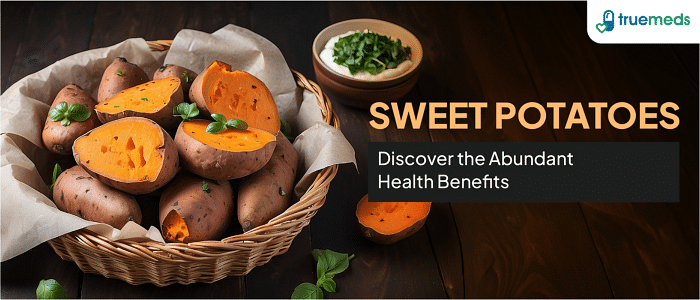
Top 10 Health Benefits of Sweet Potatoes (Shakarkandi)
Last updated on : 30 Nov, 2025
Read time : 9 min
Often hailed as a healthy alternative to regular potatoes, sweet potatoes are a staple root vegetable with an impressive nutritional profile. This vibrant tuber, common in many Indian diets, offers significant amounts of essential micronutrients and dietary fibre.
From supporting immune function to contributing to better heart and digestive health, sweet potatoes are a nutritionally dense food choice.
Dive into this guide, medically reviewed by a leading clinical nutrition expert, to understand the top health benefits of sweet potatoes, explore their key nutrients, learn diverse ways to enjoy them, and consider essential precautions for balanced consumption.
Health Benefits of Sweet Potatoes (Shakarkandi)
Sweet potatoes are a nutrient-dense and versatile food, providing a wide array of vitamins, minerals, and plant compounds. Including them in a balanced diet can support several bodily functions.
Here’s a detailed look at the evidence-based health contributions of sweet potatoes:
1. Exceptional Source of Vitamin A
Sweet potatoes, particularly the orange-fleshed varieties, are one of the best natural sources of beta-carotene, a powerful antioxidant that the body converts into Vitamin A [1]. Just one medium sweet potato can provide well over 100% of the recommended daily intake of Vitamin A [2]. This nutrient is essential for maintaining vision, immune function, and cell growth.
2. Rich in Dietary Fiber for Digestive Health
The high fiber content in sweet potatoes, including both soluble and insoluble types, is key to promoting healthy digestion [3]. Fiber adds bulk to stools, facilitating regular bowel movements and helping to prevent constipation. Soluble fiber also acts as a prebiotic, feeding beneficial gut bacteria, which is crucial for a healthy gut microbiome.
3. High in Antioxidants
Sweet potatoes are abundant in various antioxidants. The orange varieties are rich in beta-carotene, while the purple varieties contain anthocyanins [1]. These compounds combat oxidative stress—an imbalance between free radicals and antioxidants in the body—which is implicated in the development of chronic diseases [4].
4. May Support Blood Sugar Management
Despite their sweet taste, sweet potatoes generally have a lower Glycemic Index (GI) compared to white potatoes, especially when boiled or steamed [5]. The high fiber content slows the absorption of sugar into the bloodstream, leading to a slower and steadier rise in blood glucose. This property makes them a viable complex carbohydrate option for individuals managing blood sugar levels.
5. Promotes Vision Health
The exceptional concentration of beta-carotene directly supports vision health. When converted to Vitamin A, it plays a vital role in forming rhodopsin, a light-absorbing molecule required for both low-light and color vision [1]. Adequate intake can help prevent night blindness and may reduce the risk of age-related macular degeneration (AMD) [6].
6. Contributes to Cardiovascular Health
Sweet potatoes contain several nutrients that support a healthy heart. They are a good source of potassium, an essential mineral that helps balance sodium levels and regulate blood pressure [2]. Additionally, the fiber content assists in reducing LDL (“bad”) cholesterol levels, thereby lowering the risk of cardiovascular disease [3].
7. Potential for Anti-Inflammatory Effects
The antioxidants, especially anthocyanins in purple sweet potatoes and carotenoids, possess anti-inflammatory properties [4]. By reducing markers of inflammation in the body, regular consumption may help mitigate the risk factors associated with chronic inflammatory conditions like arthritis and certain heart diseases.
8. Linked to Enhanced Brain Function
Preliminary research, including animal studies, suggests that anthocyanins found in purple sweet potatoes may help protect the brain by reducing inflammation and preventing free radical damage to neural tissue [7]. While more human data is needed, these compounds show potential for supporting cognitive function, memory, and mental clarity.
9. Supports Immune Function
Vitamin A is critical for maintaining the integrity of mucosal surfaces, such as the lining of the gut and respiratory tract, which form the body’s first line of defense against pathogens [2]. A single serving contributes significantly to Vitamin A intake, thereby supporting the production and function of various immune cells to help the body fend off infections.
10. Aids in Sustainable Weight Management
Sweet potatoes are a nutrient-dense, filling food choice. The combination of dietary fiber and complex carbohydrates promotes satiety, or a feeling of fullness, for a longer period [5]. This can naturally help curb excessive calorie intake and reduce the likelihood of overeating, making them a supportive element in a balanced weight management plan.
Delicious Ways to Enjoy Sweet Potatoes (Shakarkandi Recipes)
Sweet potatoes are incredibly versatile. They are not just a nutrient source but also a flexible culinary ingredient. In India, they are often boiled and seasoned for fasting (vrat) or used in savory curries and cutlets.
Here are a few popular ways to incorporate this nutritious vegetable:
- Roasted or Baked: Drizzled with a touch of olive oil and a pinch of salt.
- Boiled and Mashed: A simple, high-fiber alternative to mashed potatoes.
- Curried: Added to savory Indian vegetable curries or stews.
- Sweet Potato Chaat: Boiled and cubed, mixed with spices, lemon, and coriander.
Sweet Potato Side Effects: Importance of Moderation
While sweet potatoes offer vast nutritional benefits, consuming any food in excessive quantities can lead to adverse effects. It is crucial to consume them as part of a balanced and varied diet.
Here are key considerations and potential side effects:
- Kidney Stones: Sweet potatoes contain oxalates, naturally occurring compounds that can contribute to the formation of kidney stones in susceptible individuals [8]. Individuals with a history of kidney stones should consult their physician and consume high-oxalate foods in moderation while maintaining good hydration.
- Digestive Discomfort: The high content of dietary fiber and fermentable carbohydrates can lead to temporary digestive discomfort such as bloating, gas, or diarrhea in some people, especially if introduced rapidly or consumed in very large amounts. Gradual introduction helps the digestive system adapt.
- Carotenemia: Consuming an excessive amount of orange-fleshed varieties can lead to Carotenemia, a harmless condition where the skin may turn slightly orange or yellow due to the high beta-carotene intake. This condition resolves naturally once intake is reduced and is not associated with liver or health issues.
- Potential for Drug Interactions (High-Potassium Risk): Sweet potatoes are high in potassium. Consuming very large quantities, especially when combined with potassium-sparing diuretics or ACE inhibitors, can potentially raise blood potassium levels (hyperkalemia) [2]. This is primarily a concern for individuals with pre-existing kidney disease or those on specific medications. Always consult with your doctor about dietary changes if you are on prescribed medication.
To ensure safety and maximize benefits, consume sweet potatoes in moderation, fitting them within your recommended daily carbohydrate and vegetable intake. If you experience any adverse or allergic reactions, discontinue use and consult a medical professional immediately.
Conclusion and Expert Perspective
Sweet potatoes are undeniably a nutritional marvel, offering a spectrum of evidence-based health benefits, from enhancing vision and immunity to supporting heart and digestive health. Their versatility makes it easy to integrate this healthy carbohydrate source into your daily meals.
Crucially, enjoying sweet potatoes in moderation is the key to unlocking their full potential while mitigating any potential side effects. Make this vibrant root vegetable a consistent, balanced part of your weekly dietary plan.
Expert Quote:
“Adding sweet potatoes to your meal plans is a delicious way to boost nutrient intake, from enhancing vision with Vitamin A to supporting gut health with their unique fiber profile. Their versatility makes them an excellent choice for a wide range of healthy dishes, provided they are consumed as part of a balanced and mindful diet.”
– Dr. Sachin Singh
Frequently Asked Questions (FAQs)
Q: Are sweet potatoes better for you than regular potatoes?
A: Nutritionally, sweet potatoes offer significantly more Vitamin A and generally contain more dietary fiber than white potatoes. Both can be part of a healthy diet, but sweet potatoes provide a superior micronutrient profile.
Q: Can eating sweet potatoes help with weight loss?
A: Sweet potatoes are high in dietary fiber, which promotes satiety and can help manage portion control and overall calorie intake, making them a supportive component of a sensible weight management plan.
Q: How should sweet potatoes be cooked to retain their nutrients?
A: Steaming or boiling sweet potatoes in their skin helps to retain most water-soluble vitamins (like Vitamin C and B vitamins). Frying tends to increase fat content and can reduce nutrient value.
Q: Are there any side effects of eating too many sweet potatoes?
A: Excessive consumption can lead to digestive discomfort (gas/bloating) due to high fiber, or Carotenemia (harmless yellowing of the skin). Overconsumption is especially risky for individuals with pre-existing kidney issues due to the high potassium and oxalate content; moderation is essential.
Q: Can sweet potatoes be part of a diabetic-friendly diet?
A: Yes, when prepared appropriately (boiled or steamed) and consumed in moderate portions, sweet potatoes are a better carbohydrate choice due to their high fiber content and lower Glycemic Index compared to refined carbohydrates, which helps manage blood sugar response.
References
[1] Laveriano-Santos, E. P., López-Yerena, A., Jaime-Rodríguez, C., González-Coria, J., Lamuela-Raventós, R. M., Vallverdú-Queralt, A., Romanyà, J., & Pérez, M. (2022). Sweet potato is not simply an abundant food crop: a comprehensive review of its phytochemical constituents, biological activities, and the effects of processing. Antioxidants, 11(9), 1648. https://doi.org/10.3390/antiox11091648
[2] Alam, M. K. (2021). A comprehensive review of sweet potato (Ipomoea batatas [L.] Lam): Revisiting the associated health benefits. Trends in Food Science & Technology, 115, 512–529. https://doi.org/10.1016/j.tifs.2021.07.001
[3] U.S. Department of Agriculture (USDA), Agricultural Research Service. (2020, October). Sweet potato, cooked, baked in skin, flesh, without salt (FDC ID: 1102941). FoodData Central. https://fdc.nal.usda.gov/fdc-app.html#/food-details/1102941/nutrients
[4] Mohanraj, R., & Sivasankar, S. (2021). Therapeutic effects of sweet potato with special reference to Ipomoea batatas L.: A comprehensive review. Journal of Applied Pharmaceutical Science, 11(03), 001–015. https://doi.org/10.7324/JAPS.2021.110301
[5] Wang, S., Zhang, W., & Gong, D. (2020). Glycemic index of sweet potato and its influential factors: A review. Critical Reviews in Food Science and Nutrition, 60(16), 2736-2747. https://doi.org/10.1080/10408398.2019.1652432
[6] Johra, F. T., Bepari, A. K., Bristy, A. T., & Reza, H. M. (2020). A mechanistic review of beta-Carotene, lutein, and zeaxanthin in eye health and disease. Antioxidants, 9(11), 1046. https://doi.org/10.3390/antiox9111046
[7] Li, J., Shi, Z., & Mi, Y. (2018). Purple sweet potato color attenuates high fat-induced neuroinflammation in mouse brain by inhibiting MAPK and NF-kappa B activation. Molecular Medicine Reports, 17(5), 6527–6533. https://doi.org/10.3892/mmr.2018.8440
[8] Chew, B. T., & Chen, J. (2022). Oxalate content in foods: A systematic review and meta-analysis of studies published between 2010 and 2021. Comprehensive Reviews in Food Science and Food Safety, 21(4), 3125-3146. https://doi.org/10.1111/1541-4337.12961
















Disclaimer
Our healthcare experts have carefully reviewed and compiled the information presented here to ensure accuracy and trustworthiness. It is important to note that this information serves as a general overview of the topic and is for informational purposes only. It is not intended to diagnose, prevent, or cure any health problem. This page does not establish a doctor-patient relationship, nor does it replace the advice or consultation of a registered medical practitioner. We recommend seeking guidance from your registered medical practitioner for any questions or concerns regarding your medical condition.
Popular Articles



Recommended Articles




Recent Articles










Company
About UsHealth ArticleHealth StoriesDiseases & Health ConditionsAyurvedaAll MedicinesAll BrandsNeed HelpFAQSecuritySubscribe
Registered Office Address
Grievance Officer
Download Truemeds


Contact Us
Our customer representative team is available 7 days a week from 9 am - 9 pm.
v4.8.1

2025 - Truemeds | All rights reserved. Our content is for informational purposes only. See additional information.

Our Payment Partners