

- Medicines
- Personal Care
- Skin Cream
- Sunscreen
- Face Wash
- Skin and Body Soap
- Acne Care
- Body Lotions
- Moisturising Lotion
- Moisturising Cream
- Mosquito Repellent
- Moisturising Gel
- Body Wash
- Hair Oils
- Hair Shampoo
- Hair Conditioners
- Hair Supplements
- Hair Colour
- Hair Serum
- Hair Mask
- Hair Solutions
- Baby Diapers and Wipes
- Baby Lotion and Moisturising Cream
- Baby Bath Essentials
- Baby Skin Care
- Baby and Infant Food
- Baby Healthcare
- Women Multivitamins
- Ovulation Test Kit and Women Intimate Care
- Sanitary Pads
- Nutritional Drinks
- Condoms
- Lubricants
- Massage Gels
- Personal Body Massagers
- Men Performance Booster
- Sexual Health Supplements
- Massage Oils
- Ayurveda
- Tooth Paste
- Mouth Ulcer Gel
- Mouthwash
- Toothache and Gum Pain
- Tooth Brush
- Gargle Solution
- Orthopaedic Supports
- Adult Diapers
- Footwear
- Mobility and Support Accessories
- Urinary Support and Care
- Health Conditions
- Bone and Joint Care
- Digestive Care
- Eye Care
- Pain Relief
- Smoking Cessation
- Liver Care
- Stomach Care
- Cold and Cough
- Heart Care
- Kidney Care
- Piles, Fissures & Fistula
- Respiratory Care
- Mental Wellness
- Derma Care
- Pre and Probiotics
- Acidity
- Gas
- Constipation
- Loose Motion/Diarrhoea
- Digestive Fibres
- Digestive Enzymes
- Eye Lubricant Drops
- Lens Solution
- Safety Eye Wear
- Eye Cream
- Eye Vitamins and Supplements
- Eye Drops
- Eye Ointment and Gel
- Nicotine Patch
- Nicotine Gum
- Nicotine Lozenges
- Cough Syrups
- Chest Rubs and Balms
- Nasal Spray
- Lozenges
- Inhalant Capsules
- Cold and Cough Tablets
- Vitamins & Supplements
- Diabetes Care
- Healthcare Devices
- Homeopathic Medicine
- Health Guide
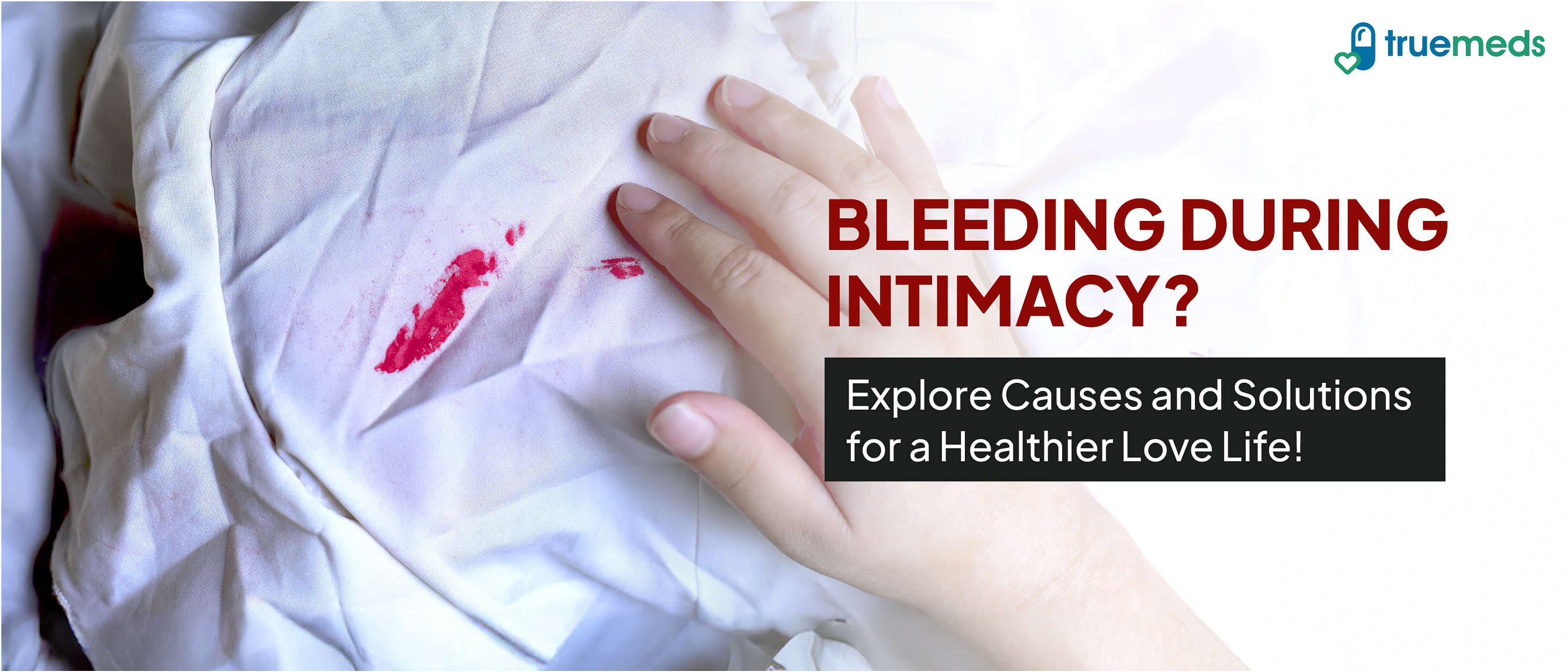
Bleeding During Sex With No Pain: Understanding the Underlying Causes
Last updated on : 01 Dec, 2025
Read time : 8 min
Spotting or bleeding during sex, even without pain, might seem minor at first, but it warrants attention. This experience, medically known as postcoital bleeding, is a common symptom that affects up to 9% of menstruating women [1]. While often not a sign of serious illness, recurrent or unexplained bleeding should always be evaluated by a healthcare professional to rule out underlying gynaecological issues, especially if you’re wondering, “Why am I bleeding during sex with no pain?”
Overview of Postcoital Bleeding
Bleeding during sex can occur in women of all ages, from those who are menstruating to postmenopausal individuals. The most common site of origin is the cervix, the lower, narrow part of the uterus that opens into the vagina. Bleeding can range from light spotting to a heavier flow and can also originate from the vagina or uterus. It may occur immediately during intercourse or within a few hours afterwards. Identifying the exact source and cause through a medical evaluation is essential for effective management [1].
Common Causes of Bleeding During Sex Without Pain
Several factors can cause painless postcoital bleeding. Here are some of the most common causes:
Vaginal Dryness
Insufficient lubrication, which can be common in postmenopausal women or those undergoing certain medical treatments, can cause friction severe enough to result in minor tears (fissures) in the delicate vaginal tissue. The resulting bleeding is typically painless. The use of quality water- or silicone-based lubricants, moisturisers, and, in applicable cases, localised vaginal oestrogen therapy can help restore moisture and prevent bleeding [3].
Infections
Infections, such as sexually transmitted infections (STIs), like chlamydia and gonorrhoea, or bacterial infections, can lead to inflammation of the cervix (cervicitis). This inflammation makes the vaginal and cervical tissues more delicate and more susceptible to irritation and bleeding during intercourse. Hence, treating the underlying infection with appropriate antibiotics or antiviral medication is critical.
Cervical Ectropion
Cervical ectropion (or ectopy) occurs when the glandular cells from inside the cervical canal are present on the external surface of the cervix. These cells are more delicate and easily irritated, which commonly causes post-sex bleeding but is generally benign (non-cancerous). This condition is particularly common in young women, those taking oral contraceptives, or during pregnancy due to hormonal changes [2]. It often resolves spontaneously, though procedures like cryotherapy or cauterisation may be used if bleeding is persistent or bothersome.
Genitourinary Syndrome of Menopause (GSM)
GSM, previously known as atrophic vaginitis, often develops in postmenopausal women due to decreased oestrogen levels. This lack of oestrogen causes the vaginal and vulvar tissues to become thinner, drier, and less elastic (atrophy). It results in symptoms like vaginal dryness, itching, and a higher risk of bleeding during intercourse [3]. Vaginal moisturisers and low-dose hormone therapies can help alleviate these symptoms.
Polyps
Cervical and uterine polyps are non-malignant (benign) growths that are attached to the tissue lining. They have a rich blood supply and can bleed easily if disturbed during sex. These growths are usually benign but may require removal if they cause persistent bleeding or pose other health risks.
Vaginal Tearing
Vigorous intercourse, particularly in individuals with pre-existing conditions like vaginal dryness or Genitourinary Syndrome of Menopause (GSM), can lead to small tears or abrasions in the vaginal tissues. These tears can subsequently lead to bleeding during or after intercourse.
Cancer
Though rare, persistent or recurrent bleeding during sex can be a symptom of cervical, vaginal, or endometrial cancer. This is more concerning if accompanied by unexplained weight loss, new pelvic pain, or abnormal vaginal discharge. Early detection through routine screening (e.g., Pap smears) and diagnostic imaging is critical. It’s important to note that most cases of postcoital bleeding are not cancer-related, but evaluation is key to confirm this [1].
Prevention and Risk Factors
Understanding the factors that increase risk and taking preventative steps are crucial for managing postcoital bleeding.
- Factors That May Increase The Risk of Bleeding During Sex
-
- Low Oestrogen Levels: Common post-menopause or during certain medical treatments (e.g., chemotherapy), leading to GSM/vaginal dryness.
- Untreated Infections: Active STIs (chlamydia, gonorrhoea) or bacterial vaginosis, which cause inflammation.
- Pregnancy: Increased blood flow to the cervix can make it more susceptible to bleeding during sex.
- Cervical Conditions: The presence of benign growths like cervical polyps or cervical ectropion.
- Age-Related Atrophy: The natural reduction in oestrogen levels with age [3].
- Tips for Prevention
- Regular Gynaecological Check-ups: Scheduling regular well-woman exams and Pap smears is essential for the early detection of issues like infections, polyps, or precancerous changes that could lead to bleeding during intercourse.
- Using Lubricants: During intercourse, using a high-quality water-based or silicone-based lubricant can significantly reduce friction, preventing vaginal tears and discomfort, especially if dryness is a known issue.
- Safe Sexual Practices: Using barrier methods like condoms can help prevent the transmission of STIs, reducing the risk of infection-related cervical inflammation.
- Maintaining Proper Hygiene: Practising good vulvar hygiene helps prevent infections. This involves gentle washing with water, wearing breathable cotton underwear, and avoiding harsh soaps or douching, which can disrupt the natural vaginal balance.
How Bleeding During Sex Is Diagnosed and Treated
If you experience persistent or recurrent postcoital bleeding, it’s crucial to diagnose the root cause with a healthcare professional, even if the bleeding is painless.
When to Seek Medical Advice
Prompt consultation with a gynaecologist or primary care physician is recommended if you experience:
- Any bleeding after menopause.
- Bleeding between menstrual periods (intermenstrual bleeding).
- Bleeding during sex that is recurrent or heavy.
- Bleeding accompanied by unusual vaginal discharge or pelvic pain.
Examination and Testing Procedures
The healthcare provider will likely conduct a thorough history and physical exam, which may include:
- Pelvic Exam: To check for visible lesions, polyps, or signs of inflammation (cervicitis) or atrophy.
- Pap Smear and Human Papillomavirus (HPV) Testing: Screens for cervical cell changes (dysplasia) or cancer.
- Ultrasound: Detects polyps, fibroids, or endometrial abnormalities within the uterus.
- STI Testing: Swabs or blood tests if a sexually transmitted infection is suspected.
Treatment Approaches
Treatment is focused on the underlying diagnosis:
- For Vaginal Dryness (including GSM): Treatment typically involves the consistent use of over-the-counter vaginal moisturisers and lubricants. For moderate to severe symptoms, low-dose, localised vaginal oestrogen therapy (creams, rings, or tablets) can be highly effective in restoring tissue health [3].
- For Infections: Appropriate antibiotics or antiviral medications will treat infections like chlamydia or bacterial vaginosis, resolving the inflammation and preventing further bleeding.
- For Polyps and Cancer: Cervical or uterine polyps may require minor surgical removal (polypectomy), typically done in an outpatient setting. If cancer is diagnosed, treatment will be managed by a specialist and may involve a combination of surgery, radiation, or chemotherapy.
Importance of Follow-Up
Adherence to the prescribed treatment plan and attending regular follow-up visits with your doctor are essential to ensure proper healing, monitor symptoms, and prevent potential complications. Early detection and treatment significantly improve outcomes.
Conclusion
Painless bleeding during sex can be a concerning experience. While often benign, understanding the potential causes, ranging from common issues like vaginal dryness and infections to less common conditions like polyps or cancer, is empowering. Regular gynaecological check-ups and open communication with your doctor are crucial for early detection and effective management. By adopting strategies like using lubricants, adhering to medical treatments for conditions like GSM or infections, and ensuring routine screening, you can proactively manage your health and improve your sexual well-being.
Disclaimer: This article provides general wellness information and is not a substitute for professional medical consultation, diagnosis, or treatment. Always consult a qualified healthcare provider, such as a gynaecologist or primary care physician, for any specific health concerns or before making any decisions related to your health. The information provided is based on current medical knowledge and should not be interpreted as a guarantee of a specific outcome or medical recommendation for your individual circumstances.
Frequently Asked Questions (FAQs)
Is bleeding a bit during sex normal?
Occasional minor spotting, especially with vigorous intercourse or near a menstrual period, may occur. However, consistently or recurrently experiencing bleeding during intercourse is not normal and warrants a medical evaluation [1].
Is it normal to bleed during intercourse but not on your period?
Bleeding during intercourse but not during your expected period is referred to as postcoital bleeding and is usually not normal. It is a common sign of underlying conditions like cervical ectropion, cervicitis, or atrophy and requires a consultation with your family physician or gynaecologist promptly.
Can deep sex cause bleeding?
Yes, deep or aggressive intercourse can cause minor tears or abrasions in the delicate vaginal or cervical tissues, particularly if adequate lubrication is not present.
Can a person bleed without having sex?
Yes, non-sexual causes, such as hormonal imbalances, uterine fibroids, endometrial polyps, or certain medical conditions, can lead to unscheduled vaginal bleeding (metrorrhagia).
References
[1] Tarney, C. M., & Han, J. (2014). Postcoital bleeding: A review on etiology, diagnosis, and management. Obstetrics and Gynaecology International, 2014. https://doi.org/10.1155/2014/192087
[2] Aggarwal, P., & Ben Amor, A. (2020). Cervical Ectropion. StatPearls Publishing. https://www.ncbi.nlm.nih.gov/books/NBK560709/
[3] Bleibel, B., & Nguyen, H. (2020). Vaginal Atrophy. StatPearls Publishing. https://www.ncbi.nlm.nih.gov/books/NBK559297/












Disclaimer
Our healthcare experts have carefully reviewed and compiled the information presented here to ensure accuracy and trustworthiness. It is important to note that this information serves as a general overview of the topic and is for informational purposes only. It is not intended to diagnose, prevent, or cure any health problem. This page does not establish a doctor-patient relationship, nor does it replace the advice or consultation of a registered medical practitioner. We recommend seeking guidance from your registered medical practitioner for any questions or concerns regarding your medical condition.
Popular Articles
Recommended Articles
Recent Articles






Company
About UsHealth ArticleHealth StoriesHealth LibraryDiseases & Health ConditionsAyurvedaUnderstanding Generic MedicinesAll MedicinesAll BrandsNeed HelpFAQSecuritySubscribe
Registered Office Address
Grievance Officer
Download Truemeds


Contact Us
Our customer representative team is available 7 days a week from 9 am - 9 pm.
v4.11.0

2026 - Truemeds | All rights reserved. Our content is for informational purposes only. See additional information.

Our Payment Partners