

- Medicines
- Personal Care
- Skin Cream
- Sunscreen
- Face Wash
- Skin and Body Soap
- Acne Care
- Body Lotions
- Moisturising Lotion
- Moisturising Cream
- Mosquito Repellent
- Moisturising Gel
- Body Wash
- Hair Oils
- Hair Shampoo
- Hair Conditioners
- Hair Supplements
- Hair Colour
- Hair Serum
- Hair Mask
- Hair Solutions
- Baby Diapers and Wipes
- Baby Lotion and Moisturising Cream
- Baby Bath Essentials
- Baby Skin Care
- Baby and Infant Food
- Baby Healthcare
- Women Multivitamins
- Ovulation Test Kit and Women Intimate Care
- Sanitary Pads
- Nutritional Drinks
- Condoms
- Lubricants
- Massage Gels
- Personal Body Massagers
- Men Performance Booster
- Sexual Health Supplements
- Massage Oils
- Ayurveda
- Tooth Paste
- Mouth Ulcer Gel
- Mouthwash
- Toothache and Gum Pain
- Tooth Brush
- Gargle Solution
- Orthopaedic Supports
- Adult Diapers
- Footwear
- Mobility and Support Accessories
- Urinary Support and Care
- Health Conditions
- Bone and Joint Care
- Digestive Care
- Eye Care
- Pain Relief
- Smoking Cessation
- Liver Care
- Stomach Care
- Cold and Cough
- Heart Care
- Kidney Care
- Piles, Fissures & Fistula
- Respiratory Care
- Mental Wellness
- Derma Care
- Pre and Probiotics
- Acidity
- Gas
- Constipation
- Loose Motion/Diarrhoea
- Digestive Fibres
- Digestive Enzymes
- Eye Lubricant Drops
- Lens Solution
- Safety Eye Wear
- Eye Cream
- Eye Vitamins and Supplements
- Eye Drops
- Eye Ointment and Gel
- Nicotine Patch
- Nicotine Gum
- Nicotine Lozenges
- Cough Syrups
- Chest Rubs and Balms
- Nasal Spray
- Lozenges
- Inhalant Capsules
- Cold and Cough Tablets
- Vitamins & Supplements
- Diabetes Care
- Healthcare Devices
- Homeopathic Medicine
- Health Guide
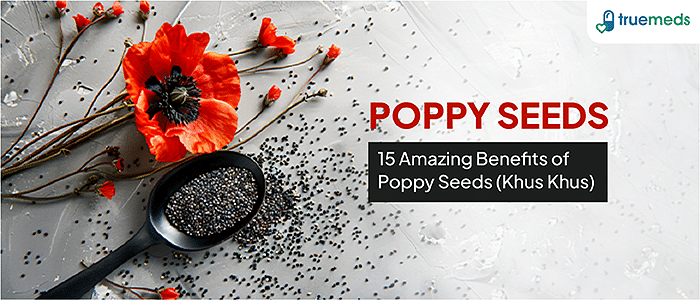
15 Potential Benefits of Poppy Seeds (Khas Khas) for Health & Nutrition
Last updated on : 01 Dec, 2025
Read time : 8 min
Poppy seeds, or khas khas, are tiny, oil-rich seeds derived from the opium poppy plant (Papaver somniferum). Historically used in traditional medicine and widely used as a culinary ingredient across India and other parts of the world, these seeds are recognized for their unique nutritional profile [2]. They are a source of dietary fiber, healthy fats, and essential minerals such as calcium, magnesium, and zinc [2], [5].
This article explores the potential health benefits associated with incorporating poppy seeds into a balanced diet.
Top Potential Health Benefits of Poppy Seeds
The nutritional composition of poppy seeds suggests several potential health benefits when consumed as part of a balanced diet. Here are 15 areas where khas khas may offer nutritional support:
1. Support for Reproductive Health
In traditional practices, a paste made from poppy seeds has been anecdotally associated with supporting female reproductive health [4]. Preliminary research, specifically regarding the use of Ethiodized Poppy Seed Oil (EPSO) in diagnostic procedures, suggests that poppy seed oil may play a role in supporting fertility outcomes in some infertile patients, likely through an effect on the fallopian tubes [3]. However, the effect of consuming culinary poppy seeds on fertility and sexual health lacks robust clinical evidence and should not be considered a treatment for infertility.
2. May Support Improved Sleep Quality
Poppy seeds have been traditionally used to promote relaxation and may help induce sleep due to their potential calming effects [1]. They are sometimes consumed in a tea or mixed with warm milk, though the direct clinical evidence for significant sleep induction from typical culinary consumption is limited.
3. Supports Bone Health
Poppy seeds contain minerals like calcium and manganese, which are known to contribute to bone health as part of a balanced diet and are crucial for maintaining bone density [5].
4. Supports the Digestive System
The fibre content in poppy seeds is known to support digestive health and regular bowel movements, aiding in the prevention of constipation [2].
5. Supports Cholesterol Management
Poppy seeds contain dietary fibres and healthy fats, which may contribute to supporting healthy cholesterol levels. Dietary fiber is known to help reduce the absorption of “bad” (LDL) cholesterol [2].
6. May Support Heart Health
The healthy fatty acids, including omega-3 and omega-6, in poppy seeds promote healthy circulation and may help manage blood pressure, contributing to the reduction of overall cardiovascular risk [5]. The iron content also supports oxygen transport in the blood.
7. Supports Vision Health
Poppy seeds are a source of zinc and antioxidants, which are nutrients known to play a role in protecting eye health [5]. Adequate intake of these nutrients is part of a diet that supports general vision health.
8. May Support Brain Function
The healthy fats found in poppy seeds are essential for maintaining the structure and function of the brain. Consuming poppy seeds may help support optimal oxygen supply to the brain, indirectly supporting cognitive functioning. However, more specific research on a direct cognitive boost from poppy seed consumption is needed [5].
9. Supports Kidney Health
The potassium levels in poppy seeds may help support healthy urinary function. Potassium plays a role in fluid balance and may contribute to a reduced risk of certain types of kidney stone formation, especially in individuals with low potassium intake [5].
10. Traditional Use for Pain Relief
For generations, poppy seeds have been used in traditional medicine for their purported analgesic properties to relieve mild pain and discomfort. This traditional use is linked to the presence of low levels of naturally occurring alkaloids in some poppy seeds [4]. It is critical to note that poppy seeds should never be used as a substitute for prescribed pain medication.
11. Supports the Immune System
Poppy seeds contain essential minerals, such as zinc and iron, which are vital nutrients that support immune function, helping the body fight infections and recover more quickly when part of a nutritionally adequate diet [5].
12. Supports Skin Health
The antioxidants and fatty acids in poppy seeds may help to nourish the skin, potentially reducing the appearance of inflammation and contributing to a healthier complexion [5].
13. Supports Weight Management
The healthy fats and fibre in poppy seeds are known to promote satiety (a feeling of fullness), which may help curb overeating and can be a supportive component in maintaining a healthy weight [2].
14. Supports Hair Health
Poppy seeds are rich in minerals like magnesium, calcium, and omega-3 fatty acids, which are essential for healthy hair structure and scalp health [5].
15. May Help Regulate Blood Sugar
The fibre and healthy fats in poppy seeds can contribute to slowing down the rate of digestion, which may, in turn, help moderate glucose absorption. This can support better blood sugar control and reduce sudden blood sugar spikes after meals [2].
Poppy Seeds Side Effects & Precautions
Poppy seeds are a popular and nutritious addition to many diets. However, it is crucial to understand the potential risks and side effects associated with their consumption.
Opiate Alkaloid Contamination Risk
While the edible poppy seeds themselves contain trace to no opiate alkaloids, there is a well-documented risk of contamination. The seeds can become contaminated with opiate alkaloids (such as morphine and codeine) from the pod’s latex during harvesting or processing [5]. The level of opiate alkaloids in poppy seeds can vary greatly depending on the source, variety, and processing method. It is essential to source poppy seeds from reputable suppliers and be aware that consuming even small amounts of highly contaminated seeds can lead to adverse effects.
GI Issues & Allergies
Some individuals may have an allergy to poppy seeds. If you are trying them for the first time, start with a small quantity to ensure you do not have an adverse reaction. Symptoms of a poppy seed allergy can range from mild itching to severe anaphylaxis.
Digestive Overload
Consuming excessive amounts of khas khas, particularly without adequate fluid, may cause gastrointestinal issues, including potential blockages, especially in individuals with pre-existing gut motility issues. Moderation is key due to their high fiber and fat content.
Takeaway
Poppy seeds are a nutritional powerhouse, loaded with fibre, minerals, and heart-healthy fats. When consumed in moderation, they offer a range of potential health benefits, from supporting digestive health to contributing to bone strength. However, consumers must remain mindful of the potential risks, primarily concerning opiate alkaloid contamination, and the importance of moderation. Always source your poppy seeds carefully and consult your doctor or a registered dietitian if you have any pre-existing health conditions or concerns about incorporating them into your diet.
Expert Quote:
“Poppy seeds are common in Indian households. While they are versatile and add plenty of flavour and nutrition to dishes, they are calorie-dense and must be consumed in moderation as part of a varied and balanced diet.”
– Dr. Sachin Singh
FAQs
Can you eat poppy seeds daily?
A: Yes, poppy seeds can be safely consumed daily in moderation. They are rich in fibre, healthy fats, and essential minerals, offering numerous nutritional benefits.
According to traditional medicinal practices, are poppy seeds considered hot or cold?
In traditional medicine, khas khas is considered to have cooling properties and is used in practices aimed at relaxation and cooling the body.
What is special about poppy seeds?
Poppy seeds are special due to their robust nutritional profile. They are notably high in minerals like calcium and magnesium, which contribute to bone health, making the khas khas benefits manifold [5].
How to consume khas khas?
Khas khas can be consumed in various forms. It can be sprinkled on salads, added to gravies, or ground into a paste for desserts and beverages.
Can poppy seeds affect opioid drug tests?
Yes, this is a well-known phenomenon. Consuming poppy seeds, especially in larger quantities or those with higher contamination levels, may occasionally result in a false positive on opioid drug tests, as they can contain traces of morphine and codeine [5].
Can I grow poppy seeds in India?
Yes, you can grow poppy seeds in India. However, it is important to follow local laws and regulations regarding their cultivation, as the Papaver somniferum plant is regulated due to its association with opium production.
References
[1] Zadeh, S. S., & Begum, K. (2011). Nutritional Supplements and Its Effect on Quality of Life and Sleep. American Medical Journal, 2(2), 104–110. https://doi.org/10.3844/amjsp.2011.104.110
[2] Melo, D., Petropoulos, S. A., & Ferreira, I. C. F. R. (2022). Nutritional and Chemical Characterization of Poppy Seeds, Cold-Pressed Oil, and Cake: Poppy Cake as a High-Fibre and High-Protein Ingredient for Novel Food Production. Foods, 11(19), 3027. https://doi.org/10.3390/foods11193027
[3] Li, H., Ren, Y., Yan, J., Huang, M., Zheng, B., Luo, X., Huang, S., & Cai, S. (2022). Fertility Outcome and Safety of Ethiodized Poppy Seed Oil for Hysterosalpingography in 1,053 Infertile Patients: A Real-World Study. Frontiers in Medicine, 9. https://doi.org/10.3389/fmed.2022.804494
[4] Basha, S. K., Mohammad, M., Shifa, A., Srilekha, A., & Sreenivasulu, C. (2016). Poppy seed-An Overview. RA Journal Of Applied Research, 2(10), 1-6. https://doi.org/10.18535/rajar/v2i10.02
[5] Muhammad, A., Akhtar, A., Aslam, S., Khan, R. S., Ahmed, Z., & Khalid, N. (2021). Review on physicochemical, medicinal and nutraceutical properties of poppy seeds: a potential functional food ingredient. Functional Foods in Health and Disease, 11(10), 516-531. https://doi.org/10.31989/ffhd.v11i10.836













Disclaimer
Our healthcare experts have carefully reviewed and compiled the information presented here to ensure accuracy and trustworthiness. It is important to note that this information serves as a general overview of the topic and is for informational purposes only. It is not intended to diagnose, prevent, or cure any health problem. This page does not establish a doctor-patient relationship, nor does it replace the advice or consultation of a registered medical practitioner. We recommend seeking guidance from your registered medical practitioner for any questions or concerns regarding your medical condition.
Popular Articles


Recommended Articles



Recent Articles









Company
About UsHealth ArticleHealth StoriesHealth LibraryDiseases & Health ConditionsAyurvedaUnderstanding Generic MedicinesAll MedicinesAll BrandsNeed HelpFAQSecuritySubscribe
Registered Office Address
Grievance Officer
Download Truemeds


Contact Us
Our customer representative team is available 7 days a week from 9 am - 9 pm.
v4.10.1

2025 - Truemeds | All rights reserved. Our content is for informational purposes only. See additional information.

Our Payment Partners




