

- Medicines
- Personal Care
- Skin Cream
- Sunscreen
- Face Wash
- Skin and Body Soap
- Acne Care
- Body Lotions
- Moisturising Lotion
- Moisturising Cream
- Mosquito Repellent
- Moisturising Gel
- Body Wash
- Hair Oils
- Hair Shampoo
- Hair Conditioners
- Hair Supplements
- Hair Colour
- Hair Serum
- Hair Mask
- Hair Solutions
- Baby Diapers and Wipes
- Baby Lotion and Moisturising Cream
- Baby Bath Essentials
- Baby Skin Care
- Baby and Infant Food
- Baby Healthcare
- Women Multivitamins
- Ovulation Test Kit and Women Intimate Care
- Sanitary Pads
- Nutritional Drinks
- Condoms
- Lubricants
- Massage Gels
- Personal Body Massagers
- Men Performance Booster
- Sexual Health Supplements
- Massage Oils
- Ayurveda
- Tooth Paste
- Mouth Ulcer Gel
- Mouthwash
- Toothache and Gum Pain
- Tooth Brush
- Gargle Solution
- Orthopaedic Supports
- Adult Diapers
- Footwear
- Mobility and Support Accessories
- Urinary Support and Care
- Health Conditions
- Bone and Joint Care
- Digestive Care
- Eye Care
- Pain Relief
- Smoking Cessation
- Liver Care
- Stomach Care
- Cold and Cough
- Heart Care
- Kidney Care
- Piles, Fissures & Fistula
- Respiratory Care
- Mental Wellness
- Derma Care
- Pre and Probiotics
- Acidity
- Gas
- Constipation
- Loose Motion/Diarrhoea
- Digestive Fibres
- Digestive Enzymes
- Eye Lubricant Drops
- Lens Solution
- Safety Eye Wear
- Eye Cream
- Eye Vitamins and Supplements
- Eye Drops
- Eye Ointment and Gel
- Nicotine Patch
- Nicotine Gum
- Nicotine Lozenges
- Cough Syrups
- Chest Rubs and Balms
- Nasal Spray
- Lozenges
- Inhalant Capsules
- Cold and Cough Tablets
- Vitamins & Supplements
- Diabetes Care
- Healthcare Devices
- Homeopathic Medicine
- Health Guide
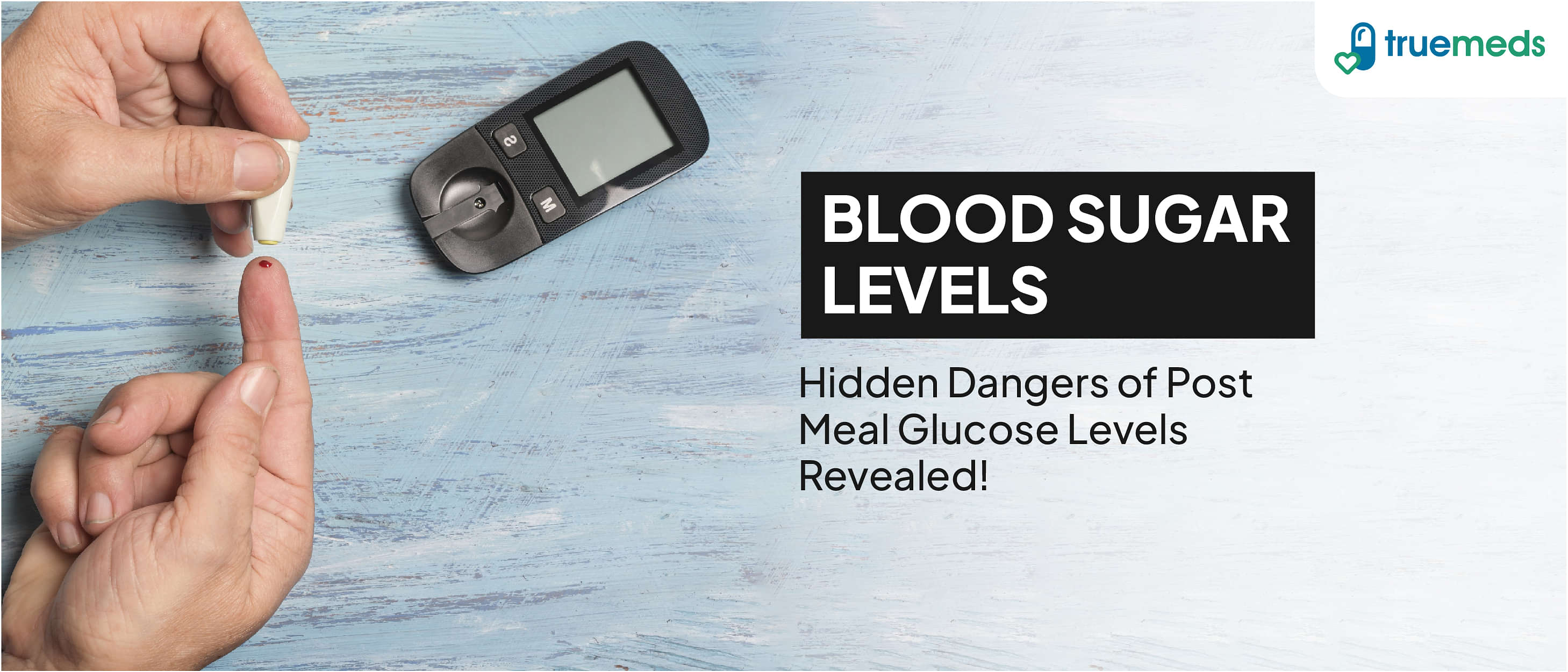
Normal Blood Sugar Levels After Eating: What You Need to Know
Last updated on : 01 Dec, 2025
Read time : 10 min
Blood sugar (glucose) levels are an essential aspect of overall health, especially for those with diabetes. Knowing what happens to your blood sugar after meals and what levels are considered normal can help you better manage your health and proactively prevent complications.
In this article, a healthcare professional will explore the basics of post-meal blood sugar levels and what you need to know to maintain optimal health.
What Happens to Post-Meal Blood Sugar Levels?
When you eat, especially carbohydrates, your body breaks them down into glucose, raising your blood sugar levels. In people without diabetes, the pancreas releases insulin, a hormone that helps cells absorb glucose, effectively bringing blood sugar back to a pre-meal range quickly.
However, in those with diabetes, the body either doesn’t produce enough insulin (Type 1 diabetes) or resists its effects (Type 2 diabetes), causing higher and longer-lasting blood sugar spikes after meals. While these spikes are a normal physiological response, prolonged elevation can have serious long-term health effects if not managed properly [1].
Normal Postprandial Blood Glucose Targets
Blood sugar levels usually peak between 60 and 90 minutes after a meal in healthy individuals [2]. The reference range for a normal post-meal blood glucose level (measured at 2 hours after eating) should be less than 140 mg/dL (7.8 mmol/L) [1], [3].
- For non-diabetic individuals: The 2-hour postprandial glucose level is typically < 140 mg/dL.
- For adults with diabetes: Targets are highly individualised. Many clinicians aim for a peak post-meal glucose < 180 mg/dL at 1–2 hours after eating, but this must be determined based on the patient’s individual treatment goals, age, risk of hypoglycemia, and concurrent medical conditions, as recommended by the American Diabetes Association (ADA) [1].
Causes of High Blood Sugar Levels After Meals (Postprandial Hyperglycemia)
Several factors can contribute to elevated blood sugar levels after eating, including:
- Carbohydrate Consumption: The primary source of post-meal glucose is the breakdown of carbohydrates in the diet.
- Type and Quality of Food Consumed: Meals high in refined sugars and low in fibre and protein can lead to rapid and sharp blood sugar spikes [4].
- Insulin Resistance or Deficiency: Conditions like Type 2 diabetes impair the body’s ability to produce or use insulin effectively.
- Medication Non-Adherence: Not taking prescribed diabetes medications or insulin as directed.
- Physical Inactivity: Lack of physical movement, especially after a meal.
- Stress and Illness: Emotional stress and acute illness can trigger a release of counter-regulatory hormones that elevate glucose [5].
Symptoms of High Post-Meal Blood Sugar
If you experience high blood sugar levels (hyperglycemia) after eating, you may notice the following symptoms:
- Increased thirst (polydipsia) and frequent urination (polyuria) as your kidneys attempt to flush out excess glucose.
- Headaches and other aches and pains, often due to dehydration.
- Drowsiness, tiredness, and general lethargy because your cells cannot effectively access glucose for energy.
- Blurred vision, caused by fluid shifts in the eye lenses due to high glucose concentration.
- Difficulty concentrating and thinking clearly (impaired cognitive function).
How to Achieve and Maintain Healthy Post-Meal Sugar Levels?
To keep your blood sugar levels within the normal range after meals, it is essential to monitor and manage your glucose response. This is achieved through a combination of balanced meals, lifestyle modifications, and medical management.
Diet Tips
- Balanced Meals: Include foods rich in fibre and lean proteins, such as non-starchy vegetables, legumes, whole grains, lean meats, and healthy fats.
- Prioritise Food Order: Eating protein and vegetables before carbohydrates may significantly reduce postprandial glucose and insulin levels [4].
- Portion Control: Be mindful of the amount of carbohydrates in each meal to prevent excessive glucose spikes.
- Healthy Carbohydrate Choices: Opt for complex carbohydrates like whole grains, beans, and non-starchy vegetables over refined sugars and starches.
- Stay Hydrated: Drinking plenty of water is crucial to support overall metabolic function and may help regulate blood sugar levels.
Lifestyle Tips
- Regular Exercise: Engaging in physical activity, especially a short walk (10–15 minutes) after eating, can help lower post-meal blood sugar levels by increasing cellular uptake of glucose [6]. Aim for at least 150 minutes of moderate-intensity exercise each week [1].
- Weight Management: Maintaining a healthy weight may improve insulin sensitivity, which is crucial for blood sugar regulation.
- Stress Reduction: Practice stress-reducing techniques, such as meditation, yoga, or deep breathing, as chronic stress may elevate blood sugar levels via hormonal responses [5].
- Consistent Meal Times: Eating meals at regular times may help stabilise blood sugar levels throughout the day by aligning with your body’s natural insulin release.
Medical Management
- Monitoring Blood Sugar: Regularly check your blood sugar levels, ideally right before the meal and again at 1 or 2 hours after the start of the meal, to understand how different foods and activities affect your levels.
- Medication Adherence: If prescribed, take your diabetes medications or insulin as directed by your doctor.
- Adjusting Treatment Plans: Work collaboratively with your healthcare provider to adjust medication or insulin doses based on your post-meal glucose levels and overall health status.
- Regular Check-ups: Schedule regular appointments with your doctor or Certified Diabetes Care and Education Specialist (CDCES) to review your treatment plan and make necessary adjustments.
Importance of Monitoring Blood Sugar After Meals
Keeping track of your blood sugar levels after meals is essential for managing diabetes and maintaining overall health. Your doctor may recommend checking your blood sugar using a blood glucose meter or a continuous glucose monitor (CGM).
Crucially, make sure to log the time, blood sugar reading, and details about your meal (including estimated carbohydrate content) to better understand the relationship between food and your glucose response. This detailed information can help you and your healthcare team make informed, personalized decisions about your diabetes management plan.
- Uncontrolled post-meal blood sugar levels can have serious long-term consequences.
- Long-Term Effects of Uncontrolled Post-Meal Sugar Levels
- If left unchecked, high blood sugar levels after meals (postprandial hyperglycemia) can contribute significantly to microvascular and macrovascular complications over time [7]:
- Increased risk of heart disease, including myocardial infarction and stroke (macrovascular disease).
- Kidney damage and disease (diabetic nephropathy), potentially leading to kidney failure.
- Nerve damage (diabetic neuropathy) often causing numbness or pain in the extremities.
- Vision problems (diabetic retinopathy) and potential blindness.
- Higher susceptibility to infections, especially of the skin and urinary tract.
Conclusion
Understanding what constitutes a normal blood sugar level after eating is a cornerstone of effective diabetes care and preventive health. By monitoring post-meal glucose, making smart dietary choices, exercising regularly, and working closely with your healthcare provider, you can manage your levels effectively and reduce the risk of long-term complications.
It’s important to remember that post-meal blood sugar targets may differ based on individual needs, age, type of diabetes, and concurrent medical conditions. Always consult your Primary Care Physician or Endocrinologist to establish personalized glucose goals.
A proactive, personalized approach empowers you to take control of your health and enjoy a better quality of life.
Disclaimer
This information is for educational purposes only and is not intended as a substitute for professional medical advice, diagnosis, or treatment. Always seek the advice of a qualified healthcare provider with any questions you may have regarding a medical condition.
Frequently Asked Questions (FAQs)
What is a normal blood sugar level after eating?
A normal blood sugar level for a non-diabetic individual is less than 140 mg/dL at 2 hours post-meal, typically returning to pre-meal levels within 2-3 hours [1].
Is a blood sugar level of 170 mg/dL normal after eating?
A blood sugar level of 170 mg/dL after eating is above the recommended target of 140 mg/dL for non-diabetic individuals and the general target of < 180 mg/dL for many adults with diabetes. It’s advisable to consult a doctor if this occurs frequently to assess glucose control and risk [1].
What is the normal blood sugar level by age?
Normal blood sugar targets for diagnosis and general health do not significantly change with age for non-diabetic individuals: fasting levels < 100 mg/dL and post-meal levels < 140 mg/dL [3]. However, individualized targets for those with diabetes may be less stringent for older, frail adults to minimize the risk of hypoglycemia [1].
How bad is a blood sugar level of 160 mg/dL after eating?
A blood sugar level of 160 mg/dL after eating is higher than the general target of 140 mg/dL [1]. While it is not an immediate emergency, chronic readings above 140 mg/dL can increase the long-term risk of cardiovascular complications and should prompt a discussion with your doctor [7].
How can you control blood sugar levels through food?
Control blood sugar levels by prioritizing fibre (vegetables, whole grains) and lean protein, limiting simple carbohydrates like white bread, rice, pasta, and sugary drinks, and avoiding large portion sizes.
What is the normal 2-hour postprandial blood sugar level?
The normal 2-hour postprandial blood sugar level should be less than 140 mg/dL [3].
Should blood sugar levels drop 2 hours after eating?
Yes, blood sugar levels should decrease and be close to or returned to pre-meal levels within 2–3 hours after eating in healthy individuals, as insulin effectively manages the glucose load.
What is a good blood sugar level after breakfast?
Ideally under 140 mg/dL at 2 hours post-breakfast, with the total rise from your pre-breakfast (fasting) level being no more than 30–50 mg/dL [1].
References
[1] American Diabetes Association. (2024). 7. Diabetes Technology: Standards of Care in Diabetes—2024. Diabetes Care, 47(Supplement 1), S134–S151. Retrieved from https://diabetesjournals.org/care/article/47/Supplement_1/S134/153965/7-Diabetes-Technology-Standards-of-Care-in
[2] Service, F. J. (2016). Hypoglycemia and the Postprandial State. In L. V. DeGroot, G. M. Besser, H. G. Burger, J. L. Jameson, D. J. Loriaux, J. C. Marshall, et al. (Eds.), Endocrinology (4th ed.). Retrieved from https://www.sciencedirect.com/science/article/abs/pii/B9780721684637500335
[3] American Diabetes Association. (2024). 2. Classification and Diagnosis of Diabetes: Standards of Care in Diabetes—2024. Diabetes Care, 47(Supplement 1), S20–S41. Retrieved from https://diabetesjournals.org/care/article/47/Supplement_1/S20/153954/2-Diagnosis-and-Classification-of-Diabetes
[4] Shukla, A. P., Iliescu, R. G., Thomas, C. E., & Aronne, L. J. (2015). Food order has a significant impact on postprandial glucose and insulin levels. Diabetes Care, 38(7), e98–e99. https://doi.org/10.2337/dc15-0429
[5] Park, H. Y., Kim, H. S., Kim, Y. N., & Lee, K. U. (2019). Stress-induced hyperglycemia and its implications in patients with diabetes. The Journal of Internal Medicine, 285(6), 672–684. https://doi.org/10.1111/joim.12879
[6] Borjesson, P. K., Nilsson, J. P., & Oredsson, S. (2018). Acute effects of walking on postprandial glucose, insulin, and gastric inhibitory polypeptide levels in people with type 2 diabetes: a randomized cross-over trial. Diabetes Research and Clinical Practice, 142, 198–205. https://doi.org/10.1016/j.diabres.2018.06.012
[7] Ceriello, A. (2009). Postprandial hyperglycemia and cardiovascular disease: is a causal relationship demonstrated? Current Diabetes Reports, 9(2), 114–119. https://doi.org/10.1007/s11892-009-0019-3
















Disclaimer
Our healthcare experts have carefully reviewed and compiled the information presented here to ensure accuracy and trustworthiness. It is important to note that this information serves as a general overview of the topic and is for informational purposes only. It is not intended to diagnose, prevent, or cure any health problem. This page does not establish a doctor-patient relationship, nor does it replace the advice or consultation of a registered medical practitioner. We recommend seeking guidance from your registered medical practitioner for any questions or concerns regarding your medical condition.
Popular Articles


Recommended Articles




Recent Articles









Company
About UsHealth ArticleHealth StoriesHealth LibraryDiseases & Health ConditionsAyurvedaAll MedicinesAll BrandsNeed HelpFAQSecuritySubscribe
Registered Office Address
Grievance Officer
Download Truemeds


Contact Us
Our customer representative team is available 7 days a week from 9 am - 9 pm.
v4.8.2

2025 - Truemeds | All rights reserved. Our content is for informational purposes only. See additional information.

Our Payment Partners




