

- Medicines
- Personal Care
- Skin Cream
- Sunscreen
- Face Wash
- Skin and Body Soap
- Acne Care
- Body Lotions
- Moisturising Lotion
- Moisturising Cream
- Mosquito Repellent
- Moisturising Gel
- Body Wash
- Hair Oils
- Hair Shampoo
- Hair Conditioners
- Hair Supplements
- Hair Colour
- Hair Serum
- Hair Mask
- Hair Solutions
- Baby Diapers and Wipes
- Baby Lotion and Moisturising Cream
- Baby Bath Essentials
- Baby Skin Care
- Baby and Infant Food
- Baby Healthcare
- Women Multivitamins
- Ovulation Test Kit and Women Intimate Care
- Sanitary Pads
- Nutritional Drinks
- Condoms
- Lubricants
- Massage Gels
- Personal Body Massagers
- Men Performance Booster
- Sexual Health Supplements
- Massage Oils
- Ayurveda
- Tooth Paste
- Mouth Ulcer Gel
- Mouthwash
- Toothache and Gum Pain
- Tooth Brush
- Gargle Solution
- Orthopaedic Supports
- Adult Diapers
- Footwear
- Mobility and Support Accessories
- Urinary Support and Care
- Health Conditions
- Bone and Joint Care
- Digestive Care
- Eye Care
- Pain Relief
- Smoking Cessation
- Liver Care
- Stomach Care
- Cold and Cough
- Heart Care
- Kidney Care
- Piles, Fissures & Fistula
- Respiratory Care
- Mental Wellness
- Derma Care
- Pre and Probiotics
- Acidity
- Gas
- Constipation
- Loose Motion/Diarrhoea
- Digestive Fibres
- Digestive Enzymes
- Eye Lubricant Drops
- Lens Solution
- Safety Eye Wear
- Eye Cream
- Eye Vitamins and Supplements
- Eye Drops
- Eye Ointment and Gel
- Nicotine Patch
- Nicotine Gum
- Nicotine Lozenges
- Cough Syrups
- Chest Rubs and Balms
- Nasal Spray
- Lozenges
- Inhalant Capsules
- Cold and Cough Tablets
- Vitamins & Supplements
- Diabetes Care
- Healthcare Devices
- Homeopathic Medicine
- Health Guide
Patellofemoral pain syndrome
Patellofemoral pain syndrome (PFPS), often called 'runner’s knee', is common and typically causes pain at the front of the knee, around or behind the patella, that is provoked by activities loading the patellofemoral joint (for example running, squatting, climbing/descending stairs, prolonged sitting). PFPS is multifactorial: overuse, altered patellar tracking, lower-limb biomechanics, muscle weakness (hip and thigh), and other factors all contribute. Symptoms commonly include an achy or sharp anterior knee pain during activity, and sometimes crepitus or clicking (Neal et al., 2024).
 50
50Last updated on : 06 May, 2026
Read time : 15 mins
Overview of Disease
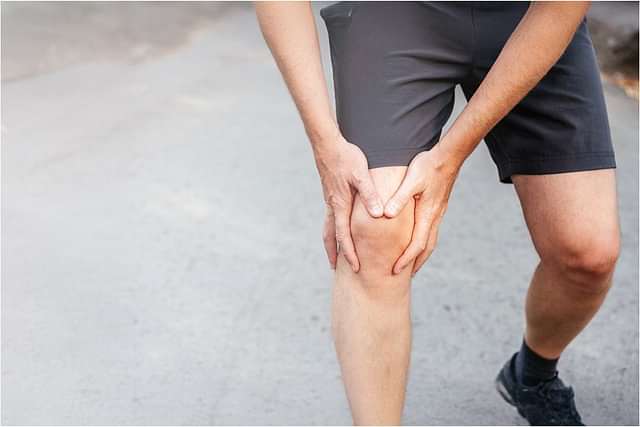
Patellofemoral pain syndrome, also known as runner's knee, is a condition that causes pain in the front of the knee or around the kneecap (patella). It is a common cause of knee pain in adolescents and adults under 60 years old, affecting both men and women, though women are more prone to developing patellofemoral pain syndrome. The condition is often associated with activities that put stress on the knee, such as running, jumping, and squatting. Still, it can also occur in individuals who do not engage in high-impact sports. Understanding the causes, symptoms, and treatment options for patellofemoral pain syndrome is essential for effectively managing the condition and preventing further complications.
What is Patellofemoral Pain Syndrome?
PFPS is a clinical syndrome of anterior knee pain related to activities that load the patellofemoral joint. It is not synonymous with cartilage damage; although focal chondral lesions may be present in some patients, many individuals with PFPS do not have identifiable cartilage wear. Pain arises from a combination of sources that may include peri-patellar soft tissues, retinacular structures, subchondral bone, and altered joint loading (Walli, 2023). The kneecap is a small triangular bone at the front of the knee that moves along a track at the end of the thighbone (femur), providing leverage for the front thigh muscles (quadriceps) to straighten the leg. In patellofemoral pain syndrome, pain is typically felt in or around the anterior knee and intensifies during weight-bearing activities that involve knee flexion, such as squatting, sitting, climbing stairs, and running. Symptoms can develop gradually over time or occur suddenly and may include a dull ache under the kneecap, a painful grating or creaking sensation, and sometimes a clicking or grinding noise when bending or straightening the knee. Patellofemoral pain syndrome is often multifactorial, resulting from a combination of overuse, anatomical or biomechanical abnormalities, muscular weakness, and imbalance or dysfunction.
Key Factors about Patellofemoral Pain Syndrome
| Category | Details |
| Also Referred as | Runner's knee, Patellofemoral pain syndrome, Retropatellar pain syndrome, Lateral facet compression syndrome, and Idiopathic anterior knee pain |
| Commonly Occurs In | Physically active individuals, especially those involved in high-impact sports like running, basketball, soccer, and tennis |
| Affected Organ | Patellofemoral joint (between the kneecap and the thigh bone) |
| Type | Activity-related anterior knee pain syndrome can be acute or chronic, depending on duration and recurrence. PFPS is best considered a clinical syndrome rather than a single structural disease. |
| Common Signs | Pain at the front of the knee, around and behind the kneecap, Pain when walking down stairs, squatting, or getting up after sitting, and Catching or grating sensation |
| Consulting Specialist | Orthopaedic surgeons, Primary care sports medicine doctors, Physical therapists, and Athletic trainers |
| Treatement Procedures | Activity modification, NSAIDs, Physical therapy, Cold packs, Elevation, Compression knee wrap, Patellofemoral taping, and Shoe inserts |
| Managed By | NSAIDs like ibuprofen and naproxen |
Symptoms of Patellofemoral Pain Syndrome
Patellofemoral pain syndrome, also known as runner's knee, retropatellar pain syndrome, or patellofemoral disease, is characterised by a range of symptoms primarily affecting the front of the knee and kneecap area. Key symptoms of this patellofemoral pain disorder include:
- Pain located under or around the kneecap (patella)
- Pain that worsens during activities like climbing stairs, squatting, running, and jumping
- Pain after sitting for prolonged periods with the knees bent
- Some people report clicking or crepitus (grating) during knee motion, though the presence of crepitus does not consistently correlate with cartilage damage and should be interpreted with the overall clinical picture.
- Tenderness when touching the kneecap
The severity of patellofemoral pain syndrome symptoms can vary and may involve one or both knees. Individuals often describe the pain as a dull ache that can intensify to a sharp pain during certain activities. Understanding these patellofemoral pain syndrome symptoms is key to recognising the condition and seeking appropriate treatment.
Causes of Patellofemoral Pain Syndrome
Several factors related to knee mechanics, physical activity, and individual predispositions can contribute to the development of patellofemoral pain syndrome.
The primary causes include:
- Overuse from excessive stress on the knee during vigorous activities like jogging, squatting, and stair climbing
- Malalignment of the kneecap causes abnormal tracking in the trochlear groove and increased pressure on the patellofemoral joint.
- Contributing factors include hip and quadriceps weakness (particularly deficits in overall quadriceps and hip abductor/external rotator strength and control), altered muscle timing or control, tightness of surrounding soft tissues in some patients, and lower-limb biomechanical factors (foot and hip kinematics) that change patellofemoral loading. Isolating the Vastus Medialis Obliquus (VMO) alone as the sole cause of PFPS is not supported by current evidence; rehabilitation targets global lower-limb strength and motor control (Neal et al., 2024c.
- Poor foot support from unsupportive footwear or foot issues affecting gait
In addition to these main causes, other factors can also play a role in the development of patellofemoral pain syndrome:
- Direct trauma to the kneecap from a fall or blow
- Sudden increases in physical activity intensity or duration
- Participation in sports involving repetitive knee bending, like running, volleyball, or basketball
- Abnormal anatomical structure, such as flat feet, high-arched feet, or slight misalignment of the legs
Risk Factors
Patellofemoral pain syndrome is a common condition that affects numerous individuals. Several risk factors can contribute to the development of this patellofemoral pain disorder, including:
- Age: Patellofemoral pain syndrome is more prevalent in teenagers and young adults, particularly those in their second and third decades of life.
- Sex: PFPS is more commonly reported in females, but reported sex ratios vary between studies and depend on the population sampled (athletic vs general population). Women are more likely to present for PFPS in many cohorts, and potential contributing factors include differences in hip and knee mechanics and muscle function.
- Activity level: Engaging in sports that involve running, jumping, and repetitive knee movements increases the risk of patellofemoral pain syndrome. Runners are especially susceptible, with patellofemoral pain syndrome accounting for 16 to 25 percent of all injuries in this group.
- Malalignment and altered biomechanics: Issues such as increased standing Q angle, flat feet, subtalar pronation, genu valgum or varus, and lateral tibial torsion can contribute to the development of patellofemoral pain syndrome.
- Patellar hypermobility: Excessive movement of the patella can lead to improper tracking and increased stress on the patellofemoral joint.
- Muscular imbalances: Weakness or improper firing patterns in muscles like the quadriceps, particularly the Vastus Medialis Obliquus (VMO), and hip abductors can disrupt normal patellar tracking.
- Overuse: Increased workload or sudden changes in training intensity, frequency, or duration can overload the patellofemoral joint, resulting in pain.
- Poor training techniques: Inappropriate running techniques, such as overstriding or poor foot strike patterns, can increase stress on the patellofemoral joint.
- Trauma: Direct or indirect injuries to the patellar area, including patellar subluxation or dislocation, can cause patellofemoral pain syndrome.
- Muscle and soft tissue tightness: Tightness in the iliotibial band, quadriceps, hamstrings, and gastrocnemius muscles can exert excessive forces on the patella, contributing to pain.
Prevention of Patellofemoral Pain Syndrome
Preventing patellofemoral pain syndrome involves a holistic approach combining lifestyle adjustments, proper training techniques, and maintaining optimal lower limb strength and flexibility. Key strategies include:
- Strategies that reduce PFPS risk include progressive training loads (avoid sudden large increases), structured strengthening and neuromuscular training for hip and thigh muscles, appropriate footwear and training surface selection, and attention to running technique where relevant. Warm-up and cool-down are useful components of an exercise program, but specific progressive strengthening and load management are the most important preventive measures.
- Gradually increasing training intensity and duration to avoid overloading the joint
- Choosing supportive, well-fitting footwear appropriate for the activity
- Incorporating cross-training and varying exercise types to minimise repetitive stress
- Maintaining a healthy body weight to reduce the load on the knees
- Regularly stretching to promote flexibility, especially of the quads, hamstrings, and calves
- Strengthening the quadriceps, hip muscles, and core to improve knee stability
- Using proper form and technique during sports and activities
- Allowing adequate rest and recovery between training sessions
Diagnosis & Tests
Accurate diagnosis of patellofemoral pain syndrome is essential for developing an effective treatment plan. Doctors rely on a combination of clinical examination and diagnostic tests to identify patellofemoral pain syndrome and rule out other potential causes of knee pain.
1. Clinical examination
A thorough clinical examination is the first step in diagnosing PFPS. This includes:
- Patient history: The doctor will inquire about the onset, duration, and nature of the knee pain, as well as any associated symptoms like swelling, clicking, or instability. They will also assess the patient's activity level, training habits, and any recent changes in physical activity.
- Physical examination: The doctor will perform a comprehensive physical examination of the knee, focusing on the patellofemoral joint. They will assess the alignment of the patella, palpate for tenderness, and evaluate the range of motion, strength, and flexibility of the surrounding muscles. Special tests, such as the patellar apprehension test or the patellar grind test, may be performed to assess patellar stability and elicit pain.
2. Imaging tests
- Imaging: Diagnosis of PFPS is primarily clinical and based on history and physical examination. Plain radiographs may be used to rule out bony pathology or instability. MRI is not routinely required but is appropriate when there are red flags (instability/dislocation history, suspected osteochondral injury, persistent symptoms despite appropriate conservative care, or atypical presentation) to identify structural lesions. Routine EMG is not indicated. Gait analysis or movement screening can be helpful adjuncts in targeted rehabilitation but are not required for diagnosis in most cases (Walli, 2023).
3. Other diagnostic tests
Occasionally, additional tests may be performed to further evaluate the knee and guide treatment decisions:
- Gait analysis: A gait analysis can help identify any abnormal movement patterns or biomechanical issues that may be contributing to the patellofemoral pain syndrome.
- Electromyography (EMG): An EMG can assess the activity of the muscles around the knee, particularly the quadriceps, to identify any imbalances or abnormal firing patterns.
Treatment & Management
Managing patellofemoral pain syndrome requires a comprehensive, non-surgical approach focusing on relieving pain, improving knee alignment, and strengthening supportive muscles. Most cases respond well to conservative management strategies. Treatment options include:
- Activity Modification
Reducing or modifying activities that aggravate symptoms (e.g., running, squatting, stair climbing) helps minimise stress on the knee joint.
- RICE Protocol
- Rest: Avoid high-impact activities
- Ice: Apply ice packs to the knee for 15–20 minutes several times a day
- Compression: Use elastic bandages or knee sleeves to reduce swelling
- Elevation: Raise the affected leg to reduce inflammation
Activity modification and symptom management: Short-term activity modification (reducing or temporarily substituting high-impact activities) can help control symptoms while rehabilitation begins, but prolonged inactivity is discouraged because it may delay recovery. Ice, compression, and brief relative rest can be useful in early symptom control, but the cornerstone of management is a progressive, individualised exercise and load-management programme.
- Medications
Short-term oral or topical NSAIDs may provide symptomatic relief for pain; however, they do not treat the underlying biomechanical or strength deficits. Use the lowest effective dose for short periods and consider topical NSAIDs to limit systemic exposure where appropriate.
- Ibuprofen: It reduces pain and inflammation around the knee joint, making it helpful in relieving symptoms of Patellofemoral Pain Syndrome.
- Naproxen: It helps control persistent knee pain and inflammation associated with PFPS.
- Diclofenac: This is effective in reducing joint inflammation and pain in PFPS, especially during physical activity.
- Aceclofenac: Aceclofenac may help pain relief in some patients; gastrointestinal side effects can still occur.
- Paracetamol (Acetaminophen): Offers mild to moderate pain relief for PFPS and is suitable for individuals who cannot take NSAIDs.
- Topical NSAIDs like diclofenac gel or ketoprofen gel: These deliver anti-inflammatory action directly to the affected knee area, helping relieve localised pain in PFPS with minimal systemic side effects.
- Physical Therapy
Structured physiotherapy improves strength, mobility, and joint stability.
High-quality evidence supports targeted exercise therapy focusing on progressive strengthening of the quadriceps and hip (especially hip abductors and external rotators), neuromuscular control, and progressive loading of the patellofemoral joint. Individualised programmes with supervised guidance improve outcomes. Patellar mobilisation, stretching, and temporary taping orthoses may be used as adjuncts for symptom relief and to enable exercise progression, but strengthening and load management are the primary interventions (Neal et al., 2024).
- Orthotics and taping: Individualised foot orthoses can be beneficial for some patients (especially those with foot posture issues) as an adjunct to exercise. Patellar taping or bracing may provide short-term symptom relief and assist rehabilitation by enabling exercise, but effects are often transient and should be combined with exercise therapy (Than et al., 2024).
- Surgical Options (for refractory cases)
Surgery is reserved for a small minority of patients who have failed an adequate course (usually ≥3–6 months) of conservative care and who have identifiable, correctable structural pathology (for example, focal chondral defects, severe malalignment, or recurrent instability). Options include focal chondral procedures or tibial tubercle osteotomy/transfer for selected malalignment/instability cases. Isolated lateral retinacular release is rarely indicated and may be harmful if performed without careful patient selection; it should not be considered routine for PFPS.
Preventive Strategies
- Gradual increase in physical activity
- Proper warm-up and stretching routines
- Use of proper footwear
- Regular strength and flexibility exercises targeting the lower limbs
With early intervention and adherence to treatment, most individuals experience significant relief and can return to their usual activities.
When to See a Doctor?
While mild patellofemoral pain syndrome symptoms can often be self-managed initially, it is important to know when to seek medical advice. Consider consulting a doctor if:
- Seek urgent medical attention for marked swelling, warmth, fever, acute inability to bear weight, signs of joint locking, or a history of patellar dislocation — these features suggest other diagnoses (for example, effusion, infection, fracture, or instability) requiring prompt assessment.
- Pain significantly limits daily activities or sports participation
- The knee is swollen, red, hot to the touch, or giving way
- There is a visible deformity or marked change in the appearance of the knee
- You have a fever in addition to knee pain and swelling
- Symptoms have not improved after a few weeks of conservative management
Your doctor can perform a thorough evaluation to confirm the diagnosis and rule out other conditions that may mimic patellofemoral pain syndrome, such as a meniscus tear, osteoarthritis, or patellar tendinopathy. This may involve a physical exam, imaging tests, and occasionally blood work.
Based on the assessment, your doctor can recommend an individualised treatment plan, which may include physical therapy, orthotics, medications, or referral to an orthopaedic specialist if surgery is being considered.
Key Takeaways
- Patellofemoral pain syndrome, commonly known as runner's knee, is characterised by pain around or behind the kneecap, often exacerbated by activities such as running, climbing stairs, and prolonged sitting with bent knees. Symptoms can include a dull ache, grinding sensations, and tenderness around the patella.
- Patellofemoral pain syndrome is typically multifactorial, arising from a combination of overuse, biomechanical abnormalities (like malalignment), muscular weaknesses (particularly in the quadriceps and hip abductors), and previous injuries. Factors such as excessive training or improper footwear can also contribute to the development of this condition.
- Diagnosis of patellofemoral pain syndrome is primarily based on patient history and physical examination, focusing on symptom patterns and ruling out other knee issues. Common diagnostic tests may involve assessing pain during specific movements like squatting or stair climbing.
- Conservative treatment approaches are most effective, including rest, ice application, NSAIDs, physical therapy (strengthening and stretching exercises), and activity modification. In some cases, orthotics or knee bracing may be recommended.
- Prognosis: Many people improve with targeted conservative care (strengthening, load management, and education), but recovery times vary: some patients recover within weeks, while others have persistent or recurrent symptoms for months to years. Poorer prognostic factors may include longer symptom duration, higher baseline pain and disability, and certain biomechanical factors; research on predictors is ongoing.
FAQs
What are the most effective ways to manage patellofemoral pain syndrome?
Is it possible for patellofemoral pain syndrome to resolve completely?
What are the potential consequences of leaving patellofemoral pain syndrome untreated?
What are the primary causes of patellofemoral pain syndrome?
How long does it typically take to recover from patellofemoral pain syndrome?
Can walking help alleviate symptoms of patellofemoral pain syndrome?
What is the best sleeping position for those with patellofemoral pain syndrome?
References
- Neal, B. S., Barton, C. J., Crossley, K. M., et al. (2024). Best practice guide for patellofemoral pain: an overview from the 2023 International Patellofemoral Pain Research Network. British Journal of Sports Medicine, 58(24), 1486–1497. https://bjsm.bmj.com/content/58/24/1486.
- Walli, O., McCay, M., & Tiu, T. (2023). Patellofemoral syndrome: A review of diagnosis and treatment. Current Physical Medicine and Rehabilitation Reports, 11(2), 139–143. https://doi.org/10.1007/s40141-023-00385-8
- Stokes, D. J., Elrick, B. P., Carpenter, M. L., Raji, Y., McQuivey, K. S., Sherman, S. L., & Frank, R. M. (2024). Tibial tubercle osteotomy: Indications, outcomes, and complications. Current Reviews in Musculoskeletal Medicine, 17(11), 484–495. https://doi.org/10.1007/s12178-024-09915-w
- Siljander, B., Tompkins, M., & Martinez-Cano, J. P. (2022). A review of the lateral patellofemoral joint: Anatomy, biomechanics, and surgical procedures. Journal of the American Academy of Orthopaedic Surgeons. Global Research & Reviews, 6(7), e21.00255. https://doi.org/10.5435/JAAOSGlobal-D-21-00255
- Than, C. A., et al. (2024). Effectiveness of prolonged patellar taping as an adjunct to exercise in patellofemoral pain: systematic review and meta-analysis. Journal of Clinical Medicine, 13(23), 7476. https://www.mdpi.com/2077-0383/13/23/7476
Check Related Salts
Browse Other Conditions
Latest health articles





Top Health Essentials































Disclaimer
Top-Selling Medicines:
...View more
Top-OTC medicines:
...View more
Company
About UsHealth ArticleHealth StoriesHealth LibraryDiseases & Health ConditionsAyurvedaUnderstanding Generic MedicinesAll MedicinesAll BrandsNeed HelpFAQSecuritySavings CalculatorSubscribe
Registered Office Address
Grievance Officer
Download Truemeds


Contact Us
Our customer representative team is available 7 days a week from 9 am - 9 pm.
v4.25.0

2026 - Truemeds | All rights reserved. Our content is for informational purposes only. See additional information.

Our Payment Partners