

- Medicines
- Personal Care
- Skin Cream
- Sunscreen
- Face Wash
- Skin and Body Soap
- Acne Care
- Body Lotions
- Moisturising Lotion
- Moisturising Cream
- Mosquito Repellent
- Moisturising Gel
- Body Wash
- Hair Oils
- Hair Shampoo
- Hair Conditioners
- Hair Supplements
- Hair Colour
- Hair Serum
- Hair Mask
- Hair Solutions
- Baby Diapers and Wipes
- Baby Lotion and Moisturising Cream
- Baby Bath Essentials
- Baby Skin Care
- Baby and Infant Food
- Baby Healthcare
- Women Multivitamins
- Ovulation Test Kit and Women Intimate Care
- Sanitary Pads
- Nutritional Drinks
- Condoms
- Lubricants
- Massage Gels
- Personal Body Massagers
- Men Performance Booster
- Sexual Health Supplements
- Massage Oils
- Ayurveda
- Tooth Paste
- Mouth Ulcer Gel
- Mouthwash
- Toothache and Gum Pain
- Tooth Brush
- Gargle Solution
- Orthopaedic Supports
- Adult Diapers
- Footwear
- Mobility and Support Accessories
- Urinary Support and Care
- Health Conditions
- Bone and Joint Care
- Digestive Care
- Eye Care
- Pain Relief
- Smoking Cessation
- Liver Care
- Stomach Care
- Cold and Cough
- Heart Care
- Kidney Care
- Piles, Fissures & Fistula
- Respiratory Care
- Mental Wellness
- Derma Care
- Pre and Probiotics
- Acidity
- Gas
- Constipation
- Loose Motion/Diarrhoea
- Digestive Fibres
- Digestive Enzymes
- Eye Lubricant Drops
- Lens Solution
- Safety Eye Wear
- Eye Cream
- Eye Vitamins and Supplements
- Eye Drops
- Eye Ointment and Gel
- Nicotine Patch
- Nicotine Gum
- Nicotine Lozenges
- Cough Syrups
- Chest Rubs and Balms
- Nasal Spray
- Lozenges
- Inhalant Capsules
- Cold and Cough Tablets
- Vitamins & Supplements
- Diabetes Care
- Healthcare Devices
- Homeopathic Medicine
- Health Guide
Interstitial Cystitis
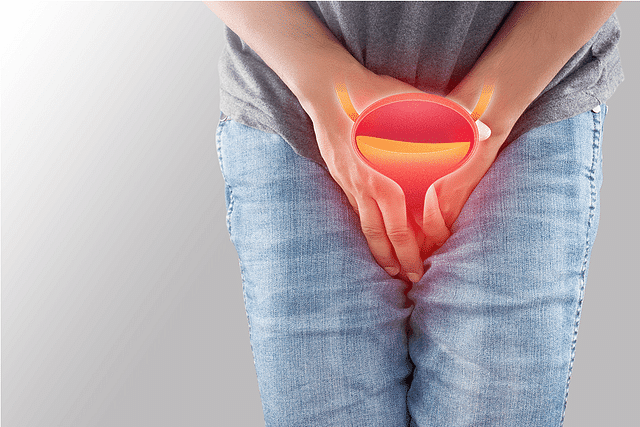
Interstitial cystitis, also known as bladder pain syndrome, is a chronic condition that causes painful urinary symptoms, including pelvic pain, urinary urgency, and discomfort (Clemens et al., 2022). The exact cause is unknown, but it is believed to be related to inflammation in various organs and tissues. Interstitial cystitis can significantly impact quality of life and requires medical attention for proper management.
 50
50Last updated on : 28 Apr, 2026
Read time : 10 mins
Overview of Disease
Interstitial cystitis is a chronic condition that affects millions of people worldwide, causing significant discomfort and impacting their quality of life. In this article, we will delve into the details of interstitial cystitis, also known as bladder pain syndrome, and discuss its symptoms and the need for proper medical care. By understanding this condition better, individuals can take steps towards managing their symptoms and improving their overall well-being.
What is Interstitial Cystitis?
Interstitial cystitis, or bladder pain syndrome, is a chronic condition that primarily affects the bladder, causing painful urinary symptoms. The bladder, a hollow, muscular organ responsible for storing urine, becomes inflamed and irritated in individuals with interstitial cystitis. Although the exact cause remains unknown, it is thought to be associated with conditions that trigger inflammation in various organs and parts of the body. Interstitial cystitis can affect people of all ages, sexes, and ethnicities; however, it is more prevalent in women than in men. Recognising the symptoms and seeking appropriate medical care is essential for managing this condition and improving quality of life.
Key Factors about Interstitial Cystitis
| Category | Details |
| Also Referred to as |
|
| Commonly Occurs In |
|
| Affected Organ |
|
| Type |
|
| Common Signs |
|
| Consulting Specialist |
|
| Treatement Procedures |
|
| Managed By |
|
| Mimiciking Condition |
|
Symptoms of Interstitial Cystitis
Interstitial cystitis/bladder pain syndrome can manifest differently in each individual, with symptoms ranging from mild to severe. Some of the most common symptoms include:
- Pain and discomfort: Individuals with interstitial cystitis may experience pain in the pelvis, bladder, or urethra, which can range from mild discomfort to severe pain.
- Urinary urgency and frequency: A persistent and urgent need to urinate is a hallmark symptom of interstitial cystitis, often resulting in frequent urination, sometimes up to 60 times per day.
- Painful urination: Pain or discomfort while urinating is common in individuals with interstitial cystitis, which can be relieved after urinating.
- Sexual intercourse pain: Interstitial cystitis can cause pain during sexual intercourse, which can be a significant issue for those affected by the condition.
- Flare-ups: Symptoms of interstitial cystitis can flare up in response to common triggers such as menstruation, prolonged sitting, stress, exercise, and sexual activity. These flare-ups can be managed with lifestyle modifications and appropriate therapies (Cacciatore et al.,2024).
Causes of Interstitial Cystitis
The exact cause of interstitial cystitis remains unclear, but researchers believe that several factors may contribute to the development of this chronic bladder condition. While the specific triggers vary from person to person, the following are some of the known potential causes of interstitial cystitis:
- Defect in bladder tissue: A defect in the protective lining (epithelium) of the bladder may allow toxic substances present in urine to irritate the bladder wall, leading to inflammation and pain.
- Immune system reaction: An autoimmune reaction, where the body's immune system mistakenly attacks the bladder tissue, is a possible cause of interstitial cystitis.
- Nerve problems: Changes in the nerves that carry bladder sensations can cause pain from events that are not normally painful, such as the filling of the bladder.
- Inflammatory cells: The presence of specific inflammatory cells, like mast cells, which release histamine and other chemicals, may contribute to the symptoms of interstitial cystitis.
- Substances in urine: Certain components in urine that damage the bladder or inhibit the growth of cells in the bladder tissue might play a role in interstitial cystitis development.
In addition to these known potential causes, other factors that may contribute to the development of interstitial cystitis include allergies, vascular diseases, unusual infections not detected by standard tests, and genetic predisposition. While having a family member with interstitial cystitis may increase the risk, it is not definitively proven to be genetic. As research continues, a better understanding of the causes of interstitial cystitis will help develop more targeted therapies for this challenging condition.
Risk Factors
Interstitial cystitis/bladder pain syndrome is a chronic condition that affects a significant number of people, with a higher prevalence among women. Here is a breakdown of the key demographics affected by interstitial cystitis/bladder pain syndrome:
- Gender: Approximately 90% of patients diagnosed with interstitial cystitis/bladder pain syndrome are female, making it more common in women than men.
- Age: Most people with interstitial cystitis/bladder pain syndrome receive their diagnosis in their 30s or older, with the risk of developing the condition increasing with age.
Prevention of Interstitial Cystitis
While there is no proven way to prevent interstitial cystitis due to its unknown cause, several strategies can help manage and reduce the severity of its symptoms. These include dietary changes, lifestyle modifications, and physical therapy.
1. Dietary Changes
- Eliminate or reduce foods that irritate the bladder, such as:
- Carbonated beverages
- Caffeine (including chocolate)
- Citrus products and foods high in vitamin C (e.g., tomatoes, pickled foods)
- Alcohol
- Spicy foods
- Artificial sweeteners and high-acid foods
2. Lifestyle Modifications
- Wear loose clothing: Avoid clothing that puts pressure on the abdomen.
- Reduce stress: Use techniques such as visualisation, biofeedback, exercise, warm baths, and mindfulness-based meditation to manage stress, which can exacerbate bladder pain syndrome.
- Stop smoking: Smoking can worsen interstitial cystitis symptoms and contribute to bladder cancer risk.
- Exercise: Engage in gentle stretching exercises to help reduce flare-ups of interstitial cystitis symptoms.
- Hydration: Stay hydrated, but avoid triggering substances; water is the best liquid for supporting bladder health in those with interstitial cystitis.
3. Physical Therapy
- Pelvic floor physical therapy: Pelvic floor physical therapy can help strengthen and relax the muscles of the pelvic floor, reducing painful spasms that are common with interstitial cystitis and helping ease the discomfort of this bladder pain syndrome.
Diagnosis & Tests
Diagnosing interstitial cystitis, also known as bladder pain syndrome, can be a complex process as there is no single definitive test for the condition. Doctors rely on a combination of medical history, physical examination, and various tests to identify interstitial cystitis and rule out other potential causes of bladder pain and urinary symptoms.
1. Medical history and physical exam
- The first step in diagnosing interstitial cystitis involves a thorough review of the patient's medical history and a physical exam, including a pelvic exam to assess the internal pelvic organs.
2. Urinalysis and urine culture
- Urine tests, such as urinalysis and urine culture, are performed to look for signs of infection, abnormal cells, and other indicators of urinary tract issues.
3. Cystoscopy and bladder wall biopsy
- A cystoscopy procedure allows the doctor to visualise the bladder and urethra using a thin tube with a camera. During this procedure, tissue samples may be taken from the bladder wall for further examination.
4. Hydrodistension and potassium sensitivity test
- In some cases, the bladder may be stretched with fluid during cystoscopy to check for Hunner's lesions, which are painful ulcers found in some interstitial cystitis patients. The controversial potassium sensitivity test may also be performed to assess pain and urgency responses.
5. Imaging tests and urodynamics
- Additional tests, such as ultrasound, MRI, CT scans, and urodynamics, may be used to evaluate the urinary tract and bladder function, helping to rule out other conditions that may cause similar symptoms to interstitial cystitis.
Treatment & Management
While there is no single cure for interstitial cystitis, a variety of treatments and therapies can be used to manage symptoms and improve bladder function, with individualised approaches recommended based on patient characteristics and symptom severity (Mohammed et al., 2023).
1. Pain Management
- Acetaminophen or ibuprofen can help manage mild to moderate pain. Lidocaine may be used in bladder instillations to provide temporary relief from bladder pain and discomfort.
2. Medications to Reduce Inflammation and Improve Bladder Function
- Pentosan polysulfate sodium helps restore the protective lining of the bladder, reducing irritation and improving symptoms over time, but efficacy may take several months and requires monitoring for potential side effects (Mohammed et al., 2023). Heparin is sometimes used in bladder instillations. It has anti-inflammatory and protective properties that help soothe the bladder lining.
3. Neuromodulators & Antihistamines
- Amitriptyline, a tricyclic antidepressant, can help manage pain and reduce bladder hypersensitivity. Hydroxyzine and cimetidine may be prescribed to block histamine release, which can contribute to bladder irritation and inflammation, though evidence for antihistamines is limited (Mohammed et al., 2023).
When to See a Doctor?
If you are experiencing symptoms that could be indicative of interstitial cystitis, it is crucial to seek medical advice. Your doctor can assess your symptoms, rule out other potential causes, and recommend suitable treatment options to help manage your condition.
Some key symptoms to watch for include:
- Persistent pelvic pain: Pain in the pelvic area, lower abdomen, urethra, or vagina that does not resolve on its own.
- Frequent urination: Feeling an urgent need to urinate very often, up to 60 times per day in some cases.
- Urinary urgency and frequency: Increased need to urinate, especially during the night, which can disrupt sleep.
- Painful sexual intercourse: Experiencing pain or discomfort during sexual activity.
- Flare-ups: Going through periods where your interstitial cystitis symptoms become more intense or bothersome.
To prepare for your appointment, it can be helpful to keep a symptom diary to record all symptoms you experience, even if you are unsure whether they are related to interstitial cystitis. Make a list of all medications, vitamins, and supplements you currently take. Consider bringing a family member or friend to your visit for support and to help remember the information your doctor provides. Jot down a list of your most important questions to ask about interstitial cystitis causes, diagnosis, and treatment.
FAQs
What are some effective ways to manage interstitial cystitis symptoms?
Is there a known primary cause of interstitial cystitis?
How can a urologist help diagnose and treat interstitial cystitis?
What are the potential consequences of not treating interstitial cystitis?
What are the early signs and symptoms of interstitial cystitis?
Is it possible for interstitial cystitis to resolve completely?
Can untreated cystitis lead to kidney damage?
References
- Clemens, J. Q., et al. (2022). Diagnosis and treatment of interstitial cystitis/bladder pain syndrome: AUA guideline update. The Journal of Urology, 208(4), 715–725. https://doi.org/10.1097/JU.0000000000002756
- Cacciatore, L., et al. (2024). Bladder pain syndrome (BPS): A comprehensive review. Frontiers in Urology, 4, 11523923. https://doi.org/10.2147/rru.s387749
- Mohammed Ali Mohammed Elnaggar. 2023. “Bladder Pain Syndrome: A Review of Literature for Conservative and Medical Management”. Asian Journal of Research and Reports in Urology 6 (1):119–124. https://journalajrru.com/index.php/AJRRU/article/view/103.
- European Association of Urology. (2025). EAU guidelines on chronic pelvic pain. https://uroweb.org/guidelines/chronic-pelvic-pain
- Panda, N., et al. (2025). Outpatient treatment and quality of life of patients with interstitial cystitis. Urology, 188, 107–115. https://doi.org/10.1016/j.urology.2025.03.012
Check Related Salts
Browse Other Conditions
Latest health articles
Top Health Essentials












Disclaimer
Top-Selling Medicines:
...View more
Top-OTC medicines:
...View more
Company
About UsHealth ArticleHealth StoriesHealth LibraryDiseases & Health ConditionsAyurvedaUnderstanding Generic MedicinesAll MedicinesAll BrandsNeed HelpFAQSecuritySavings CalculatorAdvertise with UsSubscribe
Registered Office Address
Grievance Officer
Download Truemeds


Contact Us
Our customer representative team is available 7 days a week from 9 am - 9 pm.
v4.28.14

2026 - Truemeds | All rights reserved. Our content is for informational purposes only. See additional information.

Our Payment Partners