

- Medicines
- Personal Care
- Skin Cream
- Sunscreen
- Face Wash
- Skin and Body Soap
- Acne Care
- Body Lotions
- Moisturising Lotion
- Moisturising Cream
- Mosquito Repellent
- Moisturising Gel
- Body Wash
- Hair Oils
- Hair Shampoo
- Hair Conditioners
- Hair Supplements
- Hair Colour
- Hair Serum
- Hair Mask
- Hair Solutions
- Baby Diapers and Wipes
- Baby Lotion and Moisturising Cream
- Baby Bath Essentials
- Baby Skin Care
- Baby and Infant Food
- Baby Healthcare
- Women Multivitamins
- Ovulation Test Kit and Women Intimate Care
- Sanitary Pads
- Nutritional Drinks
- Condoms
- Lubricants
- Massage Gels
- Personal Body Massagers
- Men Performance Booster
- Sexual Health Supplements
- Massage Oils
- Ayurveda
- Tooth Paste
- Mouth Ulcer Gel
- Mouthwash
- Toothache and Gum Pain
- Tooth Brush
- Gargle Solution
- Orthopaedic Supports
- Adult Diapers
- Footwear
- Mobility and Support Accessories
- Urinary Support and Care
- Health Conditions
- Bone and Joint Care
- Digestive Care
- Eye Care
- Pain Relief
- Smoking Cessation
- Liver Care
- Stomach Care
- Cold and Cough
- Heart Care
- Kidney Care
- Piles, Fissures & Fistula
- Respiratory Care
- Mental Wellness
- Derma Care
- Pre and Probiotics
- Acidity
- Gas
- Constipation
- Loose Motion/Diarrhoea
- Digestive Fibres
- Digestive Enzymes
- Eye Lubricant Drops
- Lens Solution
- Safety Eye Wear
- Eye Cream
- Eye Vitamins and Supplements
- Eye Drops
- Eye Ointment and Gel
- Nicotine Patch
- Nicotine Gum
- Nicotine Lozenges
- Cough Syrups
- Chest Rubs and Balms
- Nasal Spray
- Lozenges
- Inhalant Capsules
- Cold and Cough Tablets
- Vitamins & Supplements
- Diabetes Care
- Healthcare Devices
- Homeopathic Medicine
- Health Guide
Hirsutism
Hirsutism is a condition characterised by excessive hair growth in women and people assigned female at birth, typically in a male-like pattern. It is caused by high levels of androgens (male hormones) or increased sensitivity of hair follicles to these hormones. Hirsutism can be categorised into several types, and its severity is assessed using the Ferriman–Gallwey scale.
 50
50Last updated on : 26 May, 2026
Read time : 14 mins
Overview of Disease
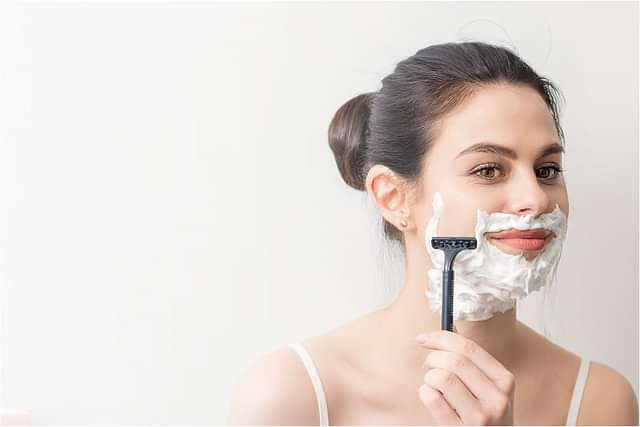
Hirsutism is a medical condition that affects a significant portion of the female population, characterised by excessive growth of thick, dark hair in areas where women typically have minimal or no terminal hair growth.
This condition can have a profound impact on an individual's self-esteem and overall well-being, making it essential to understand its causes, symptoms, and available treatment options. In this article, we will delve into the various aspects of hirsutism and explore effective ways to manage this condition.
What is Hirsutism?
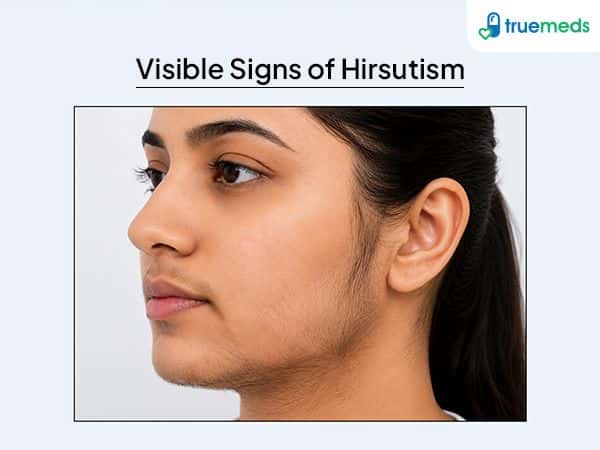
Hirsutism is a condition that results from an excess of androgens (male hormones), primarily testosterone, leading to the development of coarse, dark hair in a male-like pattern. It affects approximately 4% to 11% of women and is commonly associated with polycystic ovary syndrome (PCOS) (Spritzer et al., 2022).
This excessive hair growth typically occurs on the face, chest, and back, which can be distressing for many women. It is important to note that hirsutism is distinct from hypertrichosis, which is characterised by excessive hair growth anywhere on the body, not just in areas influenced by androgens.
Key Factors about Hirsutism
| Category | Details |
| Also Referred as | Excessive body hair in a male pattern, androgen-dependent hair growth (hirsutism), hyperandrogenism |
| Commonly Occurs In | Women and individuals assigned female at birth (AFAB) |
| Affected Organ | Skin, particularly the face, chest, lower abdomen, inner thighs, and back |
| Type | Clinical condition associated with hyperandrogenism |
| Common Signs | Dark or coarse hair in a male-like pattern, features of virilisation (such as deepening of voice, balding, and acne) |
| Consulting Specialist | Dermatologist, Endocrinologist, Gynaecologist |
| Treatment Procedures | Medications (combined oral contraceptives, anti-androgens), hair removal (laser, electrolysis), weight management |
| Managed By | Combined oral contraceptive pills, anti-androgens (spironolactone, cyproterone acetate), 5-alpha-reductase inhibitors (finasteride), and, in selected cases, glucocorticoids (e.g., dexamethasone) |
| Mimicking Condition | Hypertrichosis (excessive hair growth anywhere on the body, not necessarily androgen-dependent) |
Types of Hirsutism
Hirsutism can be classified based on various factors, including its severity, underlying causes, and specific patterns of hair growth. These include:
- Idiopathic Hirsutism: This type occurs without an identifiable cause or associated hormonal imbalance. Women with idiopathic hirsutism typically have normal hormone levels but still experience excessive hair growth.
- Hormonal Hirsutism: This type is linked to underlying hormonal imbalances, often associated with conditions such as polycystic ovary syndrome (PCOS), adrenal hyperplasia, or androgen-secreting tumours. In this case, elevated androgen levels contribute to hirsutism.
- Acquired Hirsutism: Acquired hirsutism develops later in life and is often associated with hormonal changes due to various factors, such as medications (e.g., anabolic steroids) or conditions affecting hormone production.
- Congenital Hirsutism: This type is present at birth or develops during puberty due to genetic factors. It may be associated with congenital conditions that affect hormone levels.
Grades of Hirsutism
The severity of hirsutism is often graded using the Ferriman–Gallwey scoring system, which assesses hair growth in specific body areas (such as upper lip, chin, chest, abdomen, upper back, lower back, upper arms, forearms, thighs, and lower legs). The following grading system outlines the categories:
- Grade 0 (Score: 0): No excessive hair growth is observed in any of the assessed areas.
- Grade 1 (Score: 1-8): Minimal hair growth is present, typically in one or two areas. This may result in a slight darkening or thickening of the hair.
- Grade 2 (Score: 9-16): Moderate hair growth is evident in several areas, with noticeable thickening and darkening. Commonly affected areas include the upper lip, chin, and some body regions.
- Grade 3 (Score: 17-24): Severe hirsutism is characterised by significant hair growth in multiple areas, including the face, chest, and abdomen. The hair is usually thick and dark.
- Grade 4 (Score: 25-36): Very severe hirsutism shows extensive hair growth covering many areas, resembling male-pattern hair distribution. This level can cause considerable distress and often requires immediate intervention.
Symptoms of Hirsutism
Hirsutism is characterised by excessive hair growth in women in areas typically associated with male hair distribution, often due to hormonal imbalances. The primary symptoms include:
- Excessive facial hair: Women with hirsutism often experience significant hair growth on the upper lip, chin, and cheeks. This hair is usually coarse and dark, leading to emotional distress and self-consciousness.
- Increased body hair: Excessive hair can also appear on the chest, abdomen, back, and thighs, typically following a male-pattern distribution.
- Irregular menstrual cycles: Many women with hirsutism may experience infrequent or absent menstrual periods. This irregularity is often linked to conditions such as polycystic ovary syndrome (PCOS), which can affect reproductive health.
- Acne and oily skin: Increased oiliness and acne are common issues associated with hirsutism. Elevated androgen levels often contribute to these skin changes, which can lead to further distress.
- Thinning hair or male pattern baldness: Some women may experience thinning hair on the scalp, resembling male pattern baldness. This can impact self-esteem and overall body image.
- Skin changes: Additional skin changes may include the development of skin tags or darkened areas of skin, known as acanthosis nigricans. These changes often occur in regions where skin rubs together, such as the neck and armpits.
Causes of Hirsutism
Hirsutism is primarily caused by an excess of male hormones, known as androgens, in the body. The leading causes of hirsutism include:
- Polycystic ovary syndrome (PCOS): This is a leading endocrine disorder that results in elevated androgen levels, leading to excessive hair growth. It is the most common cause of hirutism NHS (2025).
- Cushing's syndrome: This is characterised by prolonged exposure to high cortisol levels from adrenal overproduction or corticosteroid use, which can also increase androgen production and contribute to hirsutism.
- Congenital adrenal hyperplasia (CAH): This inherited disorder results in abnormal steroid hormone production by the adrenal glands. The excess androgens produced in CAH lead to hirsutism and other related symptoms.
- Androgen-secreting tumours: In rare cases, tumours in the ovaries or adrenal glands can produce excess androgens, causing a rapid onset of hirsutism. These tumours may also present with other signs of hyperandrogenism.
- Medications: Certain medications can induce hirsutism as a side effect. Minoxidil, used to treat hair loss, may also promote growth in other areas. Anabolic steroids can raise androgen levels, leading to excessive hair growth. Danazol, an androgen for treating endometriosis, along with testosterone and dehydroepiandrosterone (DHEA), can also elevate androgen levels and contribute to hirsutism.
- Idiopathic hyperandrogenaemia: This condition is characterised by elevated androgen levels without an identifiable underlying cause. Individuals may experience hirsutism despite no identifiable underlying disorder, making diagnosis challenging.
- Idiopathic hirsutism: In this case, excessive hair growth occurs despite normal androgen levels and ovulatory cycles, with no known cause. This type can be particularly frustrating, as traditional treatments aimed at lowering androgens may not be effective.
- Genetic factors: A family history of hirsutism may predispose individuals to the condition, suggesting a genetic component in some cases.
While the exact cause of hirsutism may vary, it is essential to identify the underlying factors to determine the most appropriate treatment approach.
Risk Factors
Several factors can increase the likelihood of developing hirsutism, including:
- Family history of conditions causing hirsutism, like PCOS and congenital adrenal hyperplasia
- Obesity, which can increase androgen production
- Certain ethnicities, including Mediterranean, Hispanic, South Asian, and Middle Eastern women
- Early onset of puberty (may be associated with underlying hormonal imbalance)
Who's at Risk?
Several groups are at higher risk of developing hirsutism, including:
- Women with a family history of hirsutism or related conditions, such as PCOS or congenital adrenal hyperplasia
- Women of Mediterranean, Middle Eastern, or South Asian descent
- Women who are overweight or obese
- Women taking certain medications, which can cause excessive hair growth as a side effect.
It is important to note that while these factors increase the risk of developing hirsutism, not all women with these risk factors will experience excessive hair growth.
Complications
While hirsutism primarily manifests as excessive hair growth, it can lead to several complications that affect both physical health and emotional well-being. Here are some of the key complications:
- Emotional and psychological distress: Hirsutism can significantly impact a woman's self-esteem and body image. Many individuals experience feelings of embarrassment, anxiety, and depression due to their appearance. This emotional burden can lead to social withdrawal and reduced quality of life.
- Skin conditions: The presence of excessive hair can contribute to skin problems, including folliculitis (inflammation of hair follicles), which can result in painful, red bumps. Additionally, persistent plucking or shaving may lead to skin irritation and scarring.
- Hormonal imbalances: Hirsutism often signals underlying hormonal issues, such as polycystic ovary syndrome (PCOS). These imbalances can lead to further complications, including infertility, obesity, and metabolic syndrome, which increase the risk of heart disease and diabetes.
- Irregular menstrual cycles: Women with hirsutism frequently experience irregular menstrual cycles. This can result in complications related to fertility and overall reproductive health, potentially leading to difficulty conceiving.
- Associated health risks: Individuals with hirsutism, particularly those with underlying conditions like PCOS, may be at an increased risk for long-term health issues such as diabetes, hypertension, and cardiovascular diseases. Monitoring and managing these risks is crucial for overall health.
- Social isolation: The visible symptoms of hirsutism can lead to social anxiety, making individuals less likely to engage in social activities. This isolation can exacerbate feelings of depression and contribute to a cycle of negative self-perception.
Prevention of Hirsutism
Preventing hirsutism primarily involves addressing the underlying causes, particularly hormonal imbalances and lifestyle factors. Some preventative measures include:
- Maintain a healthy weight: Excess body weight can exacerbate hormonal imbalances, particularly in women with polycystic ovary syndrome (PCOS). Adopting a balanced diet and engaging in regular physical activity can help manage weight and improve insulin sensitivity.
- Regular exercise: Incorporating regular exercise into your routine can help support overall health and may help improve metabolic and hormonal balance. Activities such as aerobic exercise, strength training, and flexibility exercises can be beneficial.
- Balanced diet: A diet rich in whole foods, including fruits, vegetables, lean proteins, and healthy fats, can support hormonal balance. Reducing refined carbohydrates and sugars may also help manage insulin levels.
- Monitor hormonal levels: If you have a family history of hormonal disorders or experience early signs of hirsutism, consult a doctor. Regular check-ups and hormone level testing can help identify issues early, allowing for timely intervention.
- Stress management: Chronic stress may affect hormonal balance indirectly. Techniques such as mindfulness, meditation, yoga, and other stress-reduction strategies can promote emotional well-being.
- Avoid endocrine disruptors: Minimising exposure to endocrine disruptors—chemicals found in some plastics, personal care products, and pesticides—may help support hormonal health.
Diagnosis & Tests
Diagnosing hirsutism involves a thorough evaluation of symptoms, physical examinations, and laboratory tests. These include:
- Medical history: The doctor will gather information about the onset and progression of hair growth, menstrual history, family history of hormonal disorders, and any medications that may influence hormone levels.
- Physical examination: A physical exam assesses hair growth patterns, often using the Ferriman-Gallwey scoring system, and checks for signs of androgen excess, such as acne and male-pattern baldness.
- Laboratory tests: Blood tests may be conducted to measure hormone levels, including testosterone and dehydroepiandrosterone sulfate (DHEAS), and to assess thyroid function. Insulin levels may also be evaluated, particularly in cases linked to conditions like PCOS.
- Imaging studies: In some cases, a pelvic ultrasound may be performed to identify ovarian cysts or abnormalities associated with PCOS.
- Differential diagnosis: It’s important to rule out other conditions that can cause similar symptoms, such as congenital adrenal hyperplasia, Cushing’s syndrome, and rare tumours affecting hormone production.
Treatment & Management
Treating hirsutism focuses on managing excessive hair growth and addressing any underlying hormonal imbalances. The treatment options include:
1. Medications for Hirsutism
- Several medications are prescribed to manage hirsutism. Hormonal treatments like combined oral contraceptives regulate menstrual cycles and lower androgen levels, reducing hair growth. Anti-androgens, such as spironolactone, block the effects of male hormones. Additionally, topical treatments like eflornithine hydrochloride cream can slow hair growth, particularly on the face.
- Flutamide blocks the action of androgens by inhibiting their binding to androgen receptors, while finasteride inhibits 5α-reductase, reducing the conversion of testosterone to dihydrotestosterone (DHT).
These medications help alleviate the symptoms of hirsutism by targeting the underlying hormonal imbalances.
2. Hair Removal Techniques
- Various methods for immediate hair removal include shaving, which is a common and simple option, and waxing or sugaring, which provide longer-lasting results by removing hair from the root. Electrolysis is a long-term hair reduction method that destroys hair follicles with an electric current, while laser hair removal uses concentrated light to reduce hair growth over time.
When to See a Doctor?
If you are experiencing symptoms of hirsutism, such as excessive hair growth on the face, chest, back, or other areas of the body, it is important to consult a doctor. Additionally, if you notice significant changes in hair growth, especially if accompanied by other symptoms like acne, menstrual irregularities, or weight changes, seeking medical advice is highly recommended.
Key Takeaways
- Hirsutism is a condition characterised by excessive hair growth in women, typically in a male-like pattern on the face, chest, and back.
- Common causes of hirsutism include polycystic ovary syndrome (PCOS), adrenal disorders, and certain medications.
- Diagnosis of hirsutism involves a physical examination, a review of medical history, and sometimes blood tests to assess hormone levels and rule out underlying conditions.
- Treatment options for hirsutism include medications like spironolactone and oral contraceptives, hair removal methods such as laser therapy and electrolysis, and lifestyle changes to manage weight and insulin resistance.
- Preventing hirsutism focuses on maintaining a healthy weight, managing PCOS symptoms, and avoiding medications that can trigger excessive hair growth.
- If you experience bothersome, excessive hair growth, it's essential to consult a doctor to determine the cause and develop an appropriate treatment plan tailored to your individual needs and health status.
FAQs
What is idiopathic hirsutism?
Idiopathic hirsutism is a condition where women experience excessive male-pattern hair growth without any identifiable underlying medical issues or abnormal hormone levels.
What type of disease is hirsutism?
While hirsutism itself is not a disease, it is a clinical condition or sign that can be caused by various underlying health conditions, often related to hormonal imbalances.
At what age does hirsutism start?
Hirsutism usually starts during puberty, but the onset can vary depending on the underlying cause. It most commonly becomes noticeable in the teenage years or early adulthood.
Can hirsutism be cured?
Although there is no definitive cure for hirsutism, its symptoms can be effectively managed and treated through various methods, such as hair removal techniques and medications.
Which hormone causes hirsutism?
Elevated levels of androgens, particularly testosterone and dihydrotestosterone (DHT), are the main hormones that cause hirsutism by stimulating hair growth and thickness.
What is the first line treatment for hirsutism?
The first-line treatment for hirsutism typically involves combined oral contraceptives, with or without anti-androgen medications such as spironolactone or cyproterone acetate, depending on the clinical scenario.
What vitamins stop facial hair growth?
There is limited scientific evidence to support the role of vitamins in reducing facial hair growth. Some studies suggest that vitamin B6 and green tea extract may have a potential role, but more research is needed.
How to reduce hirsutism naturally?
Natural ways to manage hirsutism include regular exercise, maintaining a healthy weight, and consuming a balanced diet low in processed foods and high in whole grains, fruits, and vegetables.
What foods reduce facial hair?
While no single food can directly reduce facial hair, a diet rich in antioxidants, such as berries, leafy greens, and green tea, may help support overall hormone balance.
What is the modified Ferriman-Gallwey score?
The modified Ferriman-Gallwey score is a tool used to assess the severity of hirsutism by evaluating the extent and distribution of excessive hair growth in women.
What is the difference between hirsutism vs hypertrichosis ?
Hirsutism specifically refers to excessive male-pattern hair growth in women, while hypertrichosis is a more general term describing excessive hair growth anywhere on the body, affecting both men and women.
References
- American Academy of Family Physicians. (n.d.). Hirsutism in women. https://www.aafp.org/afp/2019/0801/p168.html
- NHS. (2025). Excessive hair growth (Hirsutism). https://www.nhs.uk/conditions/hirsutism/
- MedlinePlus. (2023). Excessive or unwanted hair in women https://medlineplus.gov/ency/article/007622.htm
- Hafsi, W., & Kaur, J. (2023). Hirsutism. StatPearls. Treasure Island (FL): StatPearls Publishing. http://www.ncbi.nlm.nih.gov/books/NBK470417/
- Endocrine Society. (2022). Hirsutism. https://www.endocrine.org/patient-engagement/endocrine-library/hirsutism
- Spritzer, P. M., Marchesan, L. B., Santos, B. R., & Fighera, T. M. (2022). Hirsutism, normal androgens and diagnosis of PCOS. Diagnostics, 12(8), 1922. https://doi.org/10.3390/diagnostics12081922
Check Related Salts
Browse Other Conditions
Latest health articles

Top Health Essentials











Disclaimer
Top-Selling Medicines:
...View more
Top-OTC medicines:
...View more
Company
About UsHealth ArticleHealth StoriesHealth LibraryDiseases & Health ConditionsAyurvedaUnderstanding Generic MedicinesAll MedicinesAll BrandsNeed HelpFAQSecuritySavings CalculatorAdvertise with UsSubscribe
Registered Office Address
Grievance Officer
Download Truemeds


Contact Us
Our customer representative team is available 7 days a week from 9 am - 9 pm.
v4.28.13

2026 - Truemeds | All rights reserved. Our content is for informational purposes only. See additional information.

Our Payment Partners




